9 Best Gifts for Seniors in Assisted Living (November 2026)
The best gifts for seniors in assisted living include the RMS Sock Aid Kit for Men for dressing help, the Vive Rollator Accessories Bag for rollator users, and the tchdio Non Slip Shower Mat for textured showers.
On this page (4 sections)
The best gifts for seniors in assisted living are practical, space-friendly items chosen for a person’s routines and preferences. For easier dressing, the RMS Sock Aid Kit is a strong pick; for a rollator user, the Vive bag keeps everyday items close.
That kind of gift works because it fits into a day that already has a set pace. The resident does not need to learn a new system or find space for a bulky object.
Instead, the item supports one clear task, such as putting on socks, carrying glasses or reaching for something dropped nearby.
A useful gift should be easy to reach from a bed, chair or doorway, and easy for staff or visitors to move if the room needs cleaning. Small details like that matter more in assisted living than at home, where there is often more open floor space.
Ask what the resident would welcome, then check whether their community has rules about personal equipment, bathroom items or deliveries. Some communities ask families to check with nurses or care staff before a new mobility aid or bath item enters the room.
It also helps to ask about daily habits rather than general interests alone. A gift that matches a real routine is more likely to be used and less likely to sit in a drawer.
For broader ideas, see our gifts for seniors guide. If mobility is the main concern, our best gifts for seniors with mobility issues guide has more targeted options.
Those guides can help you narrow the choice before you look at individual products. Start with the resident’s main task, then confirm size, setup and storage.
Our picks at a glance
-
1

-
2

-
3

- 4
 Check it
JOYTUTUS Wheelchair Cup Holder
Best for nearby drinks - 5
 Check it
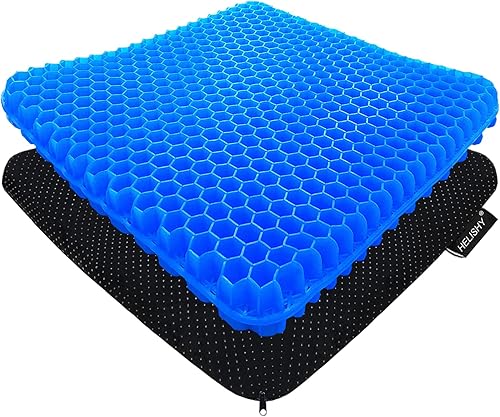
Helishy Gel Seat Cushion for Long Sitting
Best for softer seating - 6
 Check it
FULLOT Space-Saving Triangular Shower Chair for Inside
Best for seated showers - 7
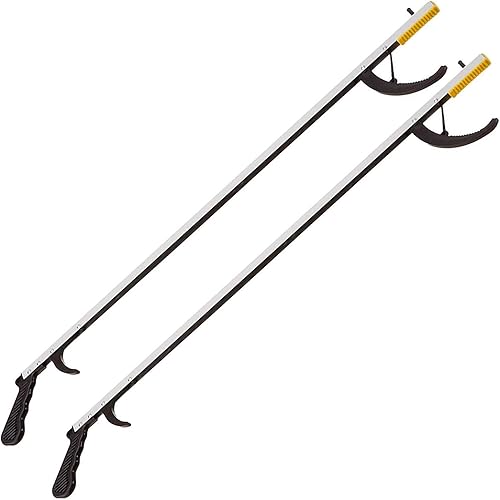 Best for floor-level itemsCheck it
- 8
 Check it
Vive Walker Tray for Folding Walker
Best for walker meals - 9
 Check it
MacSports Mac Sports Folding Cane Chair
Best for planned rest stops
How we chose gifts for seniors in assisted living
These picks address everyday tasks such as dressing, carrying essentials, reaching objects, sitting comfortably and bathing. Fit matters as much as function, so we favored gifts with a clear measurement or setup check.
That approach keeps the list focused on items a resident can use without major changes to the room. A sock aid, a rollator bag and a reacher each support a task that comes up often.
Bathroom items need extra care because floor type, space and personal safety all come into play. We looked closely at how each one fits a specific space.
We also looked for gifts that can be explained in plain terms. A family member should be able to describe what the item does, where it goes and what needs checking before it is given.
If the use is not clear, the gift may create worry instead of help. Simple items are easier to introduce and easier to support day to day.
The scores reflect how well each item’s features match the gift’s intended use. They do not compare medical benefits, and the products serve different purposes.
Choose by the recipient’s routine rather than by score alone. A higher score means the features line up well with the named task, not that one product suits every person.
We treated compatibility as a key part of quality. A tray must fit the walker frame, a holder must fit the mounting rod and a shower chair must fit the bathing area.
Those checks are simple, but skipping them can make an otherwise useful gift hard to use. The right choice still depends on equipment, room layout and preferences.
Care and cleaning also mattered when we compared options. Items that can be wiped, rinsed or washed fit better into a shared care setting.
Staff and family members can support a gift more easily when its upkeep is straightforward and familiar. That practicality is part of the value.
| Product | Best for | Kit | Sock types | Foot width | Our score |
|---|---|---|---|---|---|
| RMS Sock Aid Kit for Men | dressing help | Sock aid and sock or stocking remover | Regular ankle, flat, knee, calf-length, athletic and dress socks | 5 in or less | 9.7 |
| Vive Rollator Accessories Bag | rollator users | 9.6 | |||
| tchdio Non Slip Shower Mat | textured showers | 9.5 | |||
| JOYTUTUS Wheelchair Cup Holder | nearby drinks | 9.3 | |||
| Helishy Gel Seat Cushion for Long Sitting | softer seating | 9.2 | |||
| FULLOT Space-Saving Triangular Shower Chair for Inside | seated showers | 8.4 | |||
| DMI 2 Pack | floor-level items | 8.3 | |||
| Vive Walker Tray for Folding Walker | walker meals | 8.2 | |||
| MacSports Mac Sports Folding Cane Chair | planned rest stops | 7.9 |
The best gifts for seniors in assisted living
The best choice depends on the task the resident wants to make easier. For gift ideas that account for joint pain or limited hand mobility, see gifts for seniors with arthritis.
Start with a dressing aid, storage accessory or comfort item, then consider bathroom equipment only after confirming fit and suitability.
RMS Sock Aid Kit for Men: Best for dressing help
- Sock aid with foam handle
- Sock and stocking remover
- For regular socks, not compression socks
This two-piece kit is designed to help people with limited mobility put on and remove regular socks. Its flexible sock aid and remover may suit someone who has trouble bending or reaching their feet.
Pros
- Includes a sock aid and remover
- Flexible shell and smooth surfaces
- Made for limited mobility
Cons
- Not for compression socks or stockings
- Foot width must be 5 in or less
The RMS Sock Aid Kit for Men pairs a flexible sock aid with a sock or stocking remover. Its foam handle and soft shell are intended to make loading a sock easier for someone with weak hand strength, while the remover uses leverage to help take regular socks off.
The kit suits a resident who has trouble bending down or reaching their feet, including someone recovering from back, knee or hip replacement surgery. It works with regular ankle, flat, knee, calf-length, athletic and dress socks, and is intended for feet no wider than 5 in.
Skip this gift if the resident wears compression socks or stockings, since this kit is not designed for them. It may also be a poor fit if their feet are wider than the stated limit or if they do not want help with dressing.
Before gifting it, ask what sock types the person wears and whether they are open to using a dressing aid. To use the sock aid, they place a regular sock over its flexible shell, position the device near the foot, and pull the handles to guide the sock on; the remover is used separately to take socks off.
Vive Rollator Accessories Bag: Best for rollator users
- Attaches under a rollator seat
- Large interior compartment with dividers
- Exterior pockets for small items
This under-seat bag gives a rollator user a place for daily essentials such as glasses, keys, a phone or a wallet. Its mesh side pockets are reachable without lifting the seat.
Pros
- Six adjustable straps
- Interior pocket dividers
- Folds with the rollator
Cons
- Fits rollators, not every mobility aid
- Needs a compatible under-seat area
The Vive Rollator Accessories Bag attaches beneath a rollator seat with six adjustable buckle straps. The 14.5 x 9.6 in bag has a large interior compartment with dividers and mesh pockets on both sides for smaller belongings.
This is a practical gift for someone who uses a standard or bariatric rollator and wants glasses, keys, a phone or a wallet within reach. The side pockets are accessible without lifting the seat, and the bag folds with the rollator.
Skip it if the recipient uses a walker without a rollator seat, or if their rollator has no suitable area beneath the seat. A full bag can also add weight to the mobility aid, so it makes sense to carry only the daily essentials the resident can manage.
Check the rollator before ordering and choose what to store with the resident. Attach the adjustable straps securely, keep small items in the exterior pockets, and clean the polyester fabric as needed; it is designed for everyday use and easy cleaning.
If the recipient uses a walker instead, the Vive walker tray may fit a different need, such as carrying a drink or meal. Confirm its frame dimensions before choosing that option.
tchdio Non Slip Shower Mat: Best for textured showers
- 24 x 24 in square mat
- No suction cups
- Drain holes and hollow underside
This square mat is designed for textured shower surfaces and uses a rubber-point backing rather than suction cups. Its open design lets water pass through, and it can be rinsed and hung to dry.
Pros
- No suction cups
- Drain holes let water flow through
- Can be rinsed clean
Cons
- Designed for textured surfaces
- Needs hanging to dry after use
The tchdio Non Slip Shower Mat is a 24 x 24 in square mat designed for textured shower surfaces. It has no suction cups, and its drain holes and hollow underside let water pass through.
Consider it for a resident whose shower floor is textured and whose care team agrees that a mat suits the bathroom setup. The square shape can cover a defined standing area without needing to be trimmed or folded into place.
That makes it easier to set down in the same spot each time.
The surface has a rubber-point backing, and the mat can be rinsed to remove foam or hair. The soft top may also feel more comfortable under bare feet than a cold shower floor.
Its loofah-like texture is intended for light foot cleaning, though it should not replace normal washing or care.
Skip it for a smooth floor or a surface where the mat does not sit securely. Do not assume a non-slip label makes every bathroom safe; the floor, the person’s balance and the room’s usual care routine all matter.
A mat is one small part of a safe bathing setup, not a complete solution on its own.
Before giving it, ask the resident or caregiver to confirm the floor type and available space. After each use, rinse away residue and hang it over the tub or shower door to dry.
Regular rinsing keeps the drain holes open and helps the mat dry fully between showers.
JOYTUTUS Wheelchair Cup Holder: Best for nearby drinks
- Flexible tabs accommodate different cup sizes
- Open sides for handled cups
- Clamp rotates 360 degrees
The open-sided holder is designed for cups and bottles, including drinks with handles. Its clamp fits rods from 20 to 35 mm in diameter, so check the intended mounting point first.
Pros
- Flexible tabs adapt to cup sizes
- Open side accommodates handles
- Clamp rotates 360 degrees
Cons
- Mounting rod must fit its diameter range
- Not recommended for strong vibration
The JOYTUTUS Wheelchair Cup Holder has flexible tabs for different cup sizes and open sides for bottles or cups with handles. Its clamp rotates 360 degrees and fits a mounting rod measuring 20 to 35 mm in diameter.
It suits someone who uses a wheelchair, rollator or mobility scooter and would like a drink close at hand. The flexible clamp has a rubber pad, and the holder’s open side can accommodate handled cups.
Skip it if the intended mounting point falls outside its size range or if the device is used on equipment with strong vibration. Also consider where the holder will sit: it should not obstruct controls or make a drink hard for the resident to reach.
Measure the rod before giving it, and ask which drink container the person uses most often. Once attached, check that the clamp is secure and the cup remains easy to lift; the holder is for carrying a drink, not for supporting the user.
For scooter users, compare the holder with the scooter’s controls and armrest layout first. Our guides to the best mobility scooter for seniors in assisted living and best mobility scooters for seniors in assisted living cover scooter choices.
Helishy Gel Seat Cushion for Long Sitting: Best for softer seating
- Double-layer honeycomb gel design
- Breathable, cooling design
- Removable washable cover
This gel cushion is made for chairs, wheelchairs, cars and other seats. Its honeycomb design is intended to allow airflow, while the cover can be removed for washing.
Pros
- Can be used on different seats
- Removable washable cover
- Non-slip cover
Cons
- Check the seat dimensions before gifting
- May not suit someone who prefers a firm seat
The Helishy Gel Seat Cushion for Long Sitting measures 16.5 x 14.5 x 1.65 in and uses a double-layer honeycomb gel design. Its cover is removable and washable, and the non-slip cover is intended for chairs, wheelchairs, cars and other seats.
This may suit someone who spends time sitting and wants a cushion that can move between a chair and another seat. The honeycomb design is described as breathable, and the washable cover is useful when regular cleaning matters.
Skip it if the resident prefers a firm seat or if the cushion is too large for the chair. A cushion also changes the seat height slightly, so consider whether that affects comfortable transfers or the fit of a mobility aid.
Measure the seat and ask about the recipient’s comfort preferences before buying. Follow the care instructions for the removable cover, and check that it is positioned securely on the seat before use.
A cushion is not a substitute for professional guidance about ongoing pain or pressure concerns. If the resident already uses a prescribed cushion, ask their care team before replacing or adding one.
FULLOT Space-Saving Triangular Shower Chair for Inside: Best for seated showers
- Triangular seat shape
- Six height settings
- Textured seat and non-slip feet
The triangular shower chair is designed to reduce congestion in a shower. It has six height settings, drainage holes and non-slip feet, but measure the bathing area and check the user fit before choosing it.
Pros
- Compact triangular footprint
- Six adjustable height settings
- Tool-free assembly
Cons
- Bathtub bottom needs to be wider than 18 in
- Recommended for users under 250 lb and hip circumference below 45 in
The FULLOT Space-Saving Triangular Shower Chair for Inside has a triangular footprint of 17.8 x 15.7 in and six height settings from 15.5 to 20.5 in. Its textured seat has drainage holes, and the feet are designed to resist slipping.
This chair may suit a resident who needs to sit while showering and has a bathroom where a triangular seat fits. It assembles without tools by inserting its three adjustable tubes into the seat.
Measure before gifting it. For bathtub use, the bottom width must exceed 18 in, and FULLOT recommends the chair for users under 250 lb with a hip circumference below 45 in.
Skip it if the bathing area is too narrow, the user is outside those fit guidelines, or their care team advises another setup. A shower chair is a significant safety item, so ask the resident and care team before buying rather than choosing it as a surprise.
After assembly, check the height and fit before the chair is used. Follow the care team’s guidance about positioning and transfers, and keep the drainage holes clear during routine cleaning.
DMI 2 Pack: Best for floor-level items
- Two 32 in reachers
- Magnetic tips for light metal objects
- 2.5 in jaw opening
This two-pack gives a resident a reacher for more than one room or lets them keep one within reach. The magnetic tip can pick up light metal objects, and the interlocking tips are designed to grip items.
Pros
- Two tools in one pack
- 32 in reach
- Magnetic tip for light metal objects
Cons
- Non-folding design needs storage space
- Jaw opening is 2.5 in
The DMI 2 Pack includes two 32 in reacher grabbers for picking up items from the floor or other hard-to-reach places. Each tool has a 2.5 in jaw opening, interlocking tips and a magnetic tip for light metal objects.
A two-pack suits a resident who wants one reacher near the bed and another in a sitting area, or who shares one with a family member. The tool can reduce the need to bend for reachable objects, and its magnetic tip can help retrieve small, light metal items.
Skip this option if the person has difficulty squeezing a trigger or controlling the grabber, or if they need to lift heavy objects. The non-folding tools also need a safe storage place, so avoid leaving one where it can become a tripping hazard.
Show the recipient how to grip the handle and open the jaws around a light object. Keep the grabber within reach but out of walking paths, and use it only for items the person can lift safely with the tool.
Vive Walker Tray for Folding Walker: Best for walker meals
- Non-slip fabric top
- Waterproof design
- Integrated cup holder
This tray can help a walker user carry food, a book or a drink between rooms. Check the walker frame first because it is not recommended for wide-frame or knee walkers.
Pros
- Non-slip top lining
- Cup holder included
- Can be installed or removed
Cons
- Not recommended for wide-frame walkers
- Requires a standard frame size
The Vive Walker Tray for Folding Walker adds a non-slip platform and an integrated cup holder to a compatible walker. It is designed for most standard frames measuring 16 x 12.5 in, and the cup holder is 3 in in diameter.
Choose it for a walker user who wants to carry a book, food or a standard-sized drink between rooms. Straps loop around the walker bars, and the waterproof design helps protect the tray from spills and stains.
Skip it for a wide-frame walker or a knee walker, which the tray is not recommended for. It also may not suit someone who cannot safely manage a tray while walking or who needs both hands free to use the walker.
Measure the frame before buying and check that the tray sits securely. Keep items light and stable, and ask a caregiver to help decide whether carrying a drink or meal this way fits the resident’s routine.
MacSports Mac Sports Folding Cane Chair: Best for planned rest stops
- Walking stick with stool
- Folding design
This item combines a walking stick and stool in a folding design. Its storage needs are worth checking before giving it.
Pros
- Combines a cane and stool
- Folding design
Cons
- Check fit and safe use with the recipient
- Product dimensions and use details are limited
The MacSports Folding Cane Chair combines a walking stick with a stool in a folding design. It may appeal to someone who wants a portable place to sit during planned pauses, but the available information gives limited details about its dimensions and use.
That limited detail is the main reason to pause before choosing it as a gift. A folding cane chair asks the user to trust both the walking support and the seat function.
Without clear details on height, weight capacity or locking parts, it is hard to judge whether it fits a particular person.
This is a gift to consider only after the recipient or their care team confirms the style is suitable. A cane that converts into a seat is not automatically a safe walking aid for every person.
Balance, grip strength, leg strength and the way the chair opens all affect safe use.
Skip it if the resident needs a prescribed cane or has not been cleared to use this type of combination aid. It may also be a poor fit if the person mainly needs steady support for longer walks rather than short rest stops.
A standard cane chosen with professional input may be a safer starting point.
Check how it folds and where it can be stored before giving it, and do not assume the package dimensions describe the open chair. Ask the recipient to try it with a caregiver nearby if it is considered.
Keep the receipt in case the fit or style does not work in practice.
How can you choose gifts that fit assisted living life?
Choose a gift by starting with one task the resident wants to make easier, then check the space, equipment and routine around that task. A compact accessory for an aid they already use is often simpler to fit than new bathroom or mobility equipment.
That order helps you avoid buying something impressive that solves the wrong problem. If dressing is the hard part, look at dressing aids first.
If carrying small items is the annoyance, an under-seat bag or tray may fit better than a new chair or cushion.
Ask the resident directly when possible. A practical item only helps if they want to use it, can manage it, and have room to keep it close.
It is also worth asking where the item will live when it is not in use. A reacher needs a safe spot near a chair or bed, and a tray should not block a walkway.
Check the care routine as well, especially for bathroom or cushion gifts. Staff may need to clean, move or inspect the item as part of regular care.
Choosing something simple to clean and easy to explain can make the gift more welcome to everyone who supports the resident. Keep the choice modest enough for a smaller shared space.
If you are shopping for a different living situation, the best gifts for seniors who live alone guide offers ideas for independent routines. The best gifts for seniors with poor eyesight guide focuses on visibility and access, and our guide to gifts for seniors in nursing homes covers another residential setting.
Those guides may help if the recipient is moving between settings. Still, the best clue is usually the resident’s current day.
Which best gifts for seniors in assisted living are easiest to store?
The easiest gifts to store are usually small accessories or items that attach to equipment the resident already uses. A rollator bag folds with the rollator, while a cup holder stays attached to a compatible support.
Measure the room and ask where the resident would keep larger objects such as a shower chair or cane chair. A gift that is hard to reach or blocks a walking path can make a small room less comfortable.
What should you check before gifting bathroom equipment?
Check the floor type, bathing space and care plan before choosing a shower mat or chair. The tchdio mat is designed for textured surfaces, while the FULLOT chair has specific fit guidelines for the user and bathtub.
Ask a caregiver or care team to help confirm whether the item suits the bathroom and resident. Do this before the first use, especially when the gift affects sitting, standing or transfers.
How can you avoid giving a gift that goes unused?
Match the gift to a routine the resident already has, and ask whether they would welcome the extra item. A familiar task is a better starting point than a product feature that sounds useful in the abstract.
If the resident already has a similar aid, find out whether they need a replacement or another one for a second location. Check for space and compatibility first, and keep the receipt so the family can resolve a poor fit.
Which gift should you choose?
Pick the RMS Sock Aid Kit if putting on regular socks is a daily challenge, or the Vive Rollator Accessories Bag if the recipient wants essentials close while using a rollator. Choose the JOYTUTUS holder for a compatible mobility aid, the DMI reachers for everyday items, or the Vive tray for a measured standard walker.
Those choices each support a different kind of independence. The sock aid helps at the start of the day, the bag keeps daily items within reach, and the reachers reduce bending for dropped objects.
The tray and cup holder work best when the resident already uses the matching walker or rollator and wants to carry a few light items between rooms. Picture the resident using the gift on an ordinary day to judge which task matters most.
Choose the cushion when the resident wants a softer seat and it fits their chair. Consider the shower mat or FULLOT shower chair only after checking the bathroom and asking the care team.
Skip the cane chair unless the recipient confirms it suits their needs. Bathroom gifts deserve the most careful check because they affect balance, transfers and daily care.
Measure the space, confirm the floor or tub shape and ask staff whether the item fits the resident’s care plan. A short conversation can prevent a gift that looks helpful but cannot be used safely.
For seating, check the chair width and comfort preference before choosing a cushion. A softer seat may feel welcome to one person and too unstable to another.
The best gifts fit the person’s preferences, not just their equipment. Start with a task they want help with, confirm fit, and choose something they can keep nearby and use comfortably.
If you are unsure between two options, choose the one with the clearer setup check and the simpler care routine. Keep the receipt and give them time to decide.
Our top 3 picks at a glance
-
1
-
2
-
3
Frequently asked questions
What are good gifts for seniors in assisted living?
Good gifts fit a resident’s daily routine, preferences and available space. A sock aid, rollator bag, reacher or washable cushion can help with a specific task, while a shower chair or mat needs a closer fit check.
Ask the resident what they would use, and check with their care team before choosing bathroom or mobility equipment.
What gifts work in a small assisted living room?
Choose compact items that serve a clear purpose, such as a rollator bag or a seat cushion that fits an existing chair. A reacher can also be useful if there is a convenient place to keep it.
Before buying larger equipment, measure the storage area and ask whether the community has rules about items kept in rooms.
Can I give someone a shower chair or bath mat?
You can consider one after checking the resident’s bathroom setup and asking their care team whether it suits their needs. The shower mat here is intended for textured surfaces and has no suction cups.
Measure the bathing area, confirm the floor type and make sure the resident knows how the item should be used.
How do I choose a mobility gift?
Start with the task the recipient wants help with, then confirm that the item fits their mobility aid, room and routine. The JOYTUTUS cup holder needs a mounting rod 20 to 35 mm wide, while the Vive tray fits most standard 16 x 12.5 in walker frames.
Ask the user or care team if you are unsure.


