Mobility Scooter Storage Sheds and Shelters: What Fits?
A lockable, weatherproof shed is the strongest choice among mobility scooter storage sheds for outdoor storage. Choose a pod when space is tight, a shelter when you mainly need overhead cover, or a fitted cover when you need a compact option.
On this page (11 sections)
- Which mobility scooter storage sheds and shelters fit your space?
- What should you measure before choosing a scooter shed?
- Do metal mobility scooter storage sheds work outdoors?
- Are mobility scooter storage pods a better choice?
- When is an outdoor shelter enough?
- How can you protect a scooter from rain and sun?
- How should you set up and care for the storage area?
- What else should you keep near the scooter?
- How do you keep the scooter secure in storage?
- What common storage mistakes should you avoid?
- Which mobility scooter storage option should you choose?
A lockable, weatherproof shed is usually the best option among mobility scooter storage sheds for keeping a scooter outside. An open shelter blocks some rain and sun, while a fitted cover takes less space but does not enclose or secure the scooter.
Choose based on the scooter you own, the route into storage, local weather and how much protection you need. Measure the full scooter and the entrance, then leave room to park, turn and reach the controls.
If you need a lighter layer of protection, compare a mobility scooter cover for outdoor storage with a rigid enclosure. A cover is easier to store, but it cannot provide the locked barrier of a shed or pod.
Which mobility scooter storage sheds and shelters fit your space?
A shed gives the most complete enclosure, a pod can save space, a shelter provides overhead cover, and a fitted cover is the simplest option. Match the style to your site and daily routine.
| Option | Protection | Security | Space and access |
|---|---|---|---|
| Lockable shed | Encloses the scooter against weather when properly built | Can accept a lock, depending on design | Needs room for the scooter, door and entry path |
| Storage pod | Compact enclosed unit, depending on model | May include or accept a lock | Check interior size and opening carefully |
| Open shelter | Mainly overhead cover | Limited unless paired with another lockable barrier | Easier entry, but sides remain exposed |
| Scooter cover | Covers the scooter itself | No secure enclosure | Compact to store and usually quick to fit |
A shed or pod can help keep a scooter dry and out of sight, but neither automatically prevents condensation, flooding or theft. Check the unit's materials, base, lock, ventilation and anchoring instructions.
An open shelter fits a sheltered site where easy parking matters more than full enclosure. It leaves the sides exposed to wind-driven rain and does not provide a locked place for accessories.
A cover works when you have little room or already park under a roof. It is a poor substitute for an enclosure if you need theft protection or if the scooter sits in a spot exposed to heavy weather.
What should you measure before choosing a scooter shed?
Measure the scooter, its route into storage and the usable space inside before you choose a shed. The scooter must fit with enough room to enter, park, turn and get back out.
Record the scooter's overall length, width and height, including mirrors, tiller, basket and other parts that stay attached. Check whether its dimensions change when the tiller folds or the seat turns.
Measure the doorway and approach path as carefully as the interior. A scooter can fit inside yet be difficult to guide through a narrow opening or around a sharp turn.
How much room does a mobility scooter storage shed need?
A mobility scooter storage shed needs more than the scooter's footprint. Allow space for the way you park, the door's movement and routine access to the scooter.
Sketch the scooter's dimensions on paper or mark them on the ground with tape. Draw the approach and turn, and account for the space needed to close the door without hitting the scooter.
Check these details before you choose a unit:
- Interior width, length and height, including low roof supports
- Door opening, measured at its narrowest point
- Ramp width and slope, if the entrance has a raised base
- Turning room inside and at the approach
- Floor strength and drainage, including where rainwater flows
- Clearance for a cover, if you plan to use one inside
Compare the measurements with your scooter manual and the shed maker's instructions. If you only have outside dimensions, ask for the usable interior space before ordering.
Does the shed need a ramp?
A ramp helps when the shed floor sits above ground level, but it needs to be wide and stable enough for your scooter. Check the scooter manual for slope and surface limits.
Measure the height from the path to the shed floor. A short, steep ramp can make entry difficult, especially if the scooter is heavy or the approach is uneven.
Keep the path clear of loose gravel, standing water and objects that could catch a wheel. If the route needs a different access aid, review our mobility scooter accessories guide.
Will a scooter fit through the shed door?
A scooter fits only if its widest and tallest points clear the entrance with room to steer. Check the doorway's clear opening rather than relying on a shed's outside width or a general size label.
Measure with the scooter configured for storage. Include mirrors, baskets and other attachments that cannot be removed easily, and account for any turn immediately before the entrance.
If you need to fold or disassemble the scooter to get it inside, consider how often you will do that. A tight fit can make everyday parking frustrating and may lead to bumping the scooter or shed.
Do metal mobility scooter storage sheds work outdoors?
Metal sheds can provide an enclosed storage space, but the material alone does not determine how well a particular unit handles weather or security. Check the roof, seams, base, ventilation and lock points.
Look for construction details that suit your conditions. A site exposed to heavy rain needs a roof and joints designed to shed water, while a windy location may require secure anchoring.
Metal can heat up in direct sun and may collect condensation as temperatures change. Consider shade, airflow and a dry floor, and follow the scooter maker's storage guidance for battery temperature and moisture.
A lockable shed can deter casual access, but it does not guarantee that the scooter cannot be stolen. Anchor the structure as directed, secure the scooter itself when possible and keep the key with you.
Skip a metal unit if you cannot prepare a stable, well-drained base or if its door and interior leave too little room to park. A poorly placed shed can collect water or make access harder, even when the enclosure itself is sound.
Are mobility scooter storage pods a better choice?
A pod suits you when you want a compact enclosure near a doorway or parking area. Compare its usable interior space and entry design with your scooter before choosing it over a shed.
Pods vary in shape and construction, so confirm the inside dimensions, opening width, threshold height, locking method and whether the base is included. Check for enough space to turn or back out safely.
Think through your daily routine. If you use the scooter several times a day, an easy opening and direct path may matter more than a smaller footprint.
A pod is a poor fit if you must squeeze the scooter through its opening, if the floor is not suitable for the scooter's weight, or if you need more room for accessories. Keep charger leads tidy and away from the entrance.
Only charge inside a pod if the scooter and charger manuals allow it and the space stays dry, ventilated and within the battery's stated temperature range. Follow the manuals for charging and storage.
When is an outdoor shelter enough?
An open shelter may be enough when your main need is shade and overhead rain cover. It is less suitable if the scooter faces wind-driven rain, dust or easy access by passersby.
Shelters make frequent parking simple because there is no shed door to open. They also leave the scooter visible and accessible, so consider a separate security measure approved for your scooter.
Check where water runs off the roof and whether the shelter can be secured as directed for local wind. Avoid a spot where runoff, snow or falling branches could reach the scooter.
Pairing a shelter with a fitted cover can add protection from dust and light rain. Let the scooter dry before covering it to reduce trapped moisture, and remove the cover when it is wet if the scooter needs to air out.
How can you protect a scooter from rain and sun?
A dry, shaded location with airflow helps limit weather exposure, but your scooter's manual should guide outdoor storage. Use a cover or enclosure that protects the scooter without trapping water against it.
Before parking, wipe water from the seat and controls. Let damp areas dry when practical, and keep charging connections dry.
Direct sunlight can heat the scooter and fade exposed materials. Shade can reduce that exposure, while a closed enclosure needs sensible ventilation and suitable temperature conditions.
A cover is useful under an open shelter or where dust and light rain reach the scooter. Choose a cover made for the scooter's size and use it as directed; our outdoor scooter cover guide covers that lighter option.
How should you set up and care for the storage area?
Set up the storage area on a stable, well-drained surface and keep the route to it clear. Check the unit's anchoring and assembly instructions before putting the scooter inside.
Position the entrance so you can approach it without a sharp turn or an awkward slope. Keep the door's swing clear, and place the scooter where you can reach the controls without moving stored items.
Check the floor and interior after rain or a change in temperature. Dry standing water, improve airflow when practical and look for dampness around the scooter before covering or charging it.
Keep the area tidy. Store accessories off the floor, route cords away from wheels and the doorway, and avoid stacking items where they could fall onto the scooter.
What else should you keep near the scooter?
Keep only items that help with routine use, and store them in a dry, reachable place. A light can improve visibility when moving the scooter near dusk, while replacement parts must match the scooter's exact model.
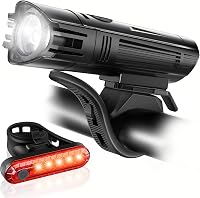
This bike light set has a front light that rotates horizontally and a rear light that adjusts up or down. Check how the mounts fit your scooter before buying.
Cuvccn describes this set as IPX6 waterproof and gives the front and rear lights separate controls. Confirm the mounting fit and charging instructions for your scooter.
This wheel is intended for equipment with matching 4.10/3.50-4 dimensions, a 5/8 in bearing bore and a 2.2 in offset hub. It is not identified as a mobility scooter replacement wheel, so do not use it on a scooter unless its maker confirms compatibility.
For scooter-specific parts, start with the mobility scooter accessories buying guide. If you ride on paths or uneven ground, our outdoor mobility scooter guide can help you compare scooter types.
How do you keep the scooter secure in storage?
Use the shed's lock points and secure the scooter according to its manual. A locked enclosure adds a barrier, but a visible, easy-to-reach location may need another security measure.
Keep the key with you rather than leaving it in the shed. If you have lost a key, follow the steps in our mobility scooter key replacement guide.
Do not block the controls or emergency access with stored items. Leave enough room to move the scooter out promptly and keep the entry route clear.
What common storage mistakes should you avoid?
The most common mistakes are choosing by outside dimensions, overlooking the route in, and assuming an enclosure makes every location dry and secure. Check each part of the setup before you buy.
Avoid these problems:
- Buying by the shed's outside size: Check clear interior dimensions, door opening and roof supports.
- Forgetting attachments: Mirrors, baskets and tillers may make the scooter wider or taller.
- Ignoring the approach: A narrow turn or steep ramp can make a roomy shed hard to use.
- Placing the unit on a wet or uneven base: Check drainage and follow anchoring instructions.
- Covering a damp scooter: Let it dry when practical to reduce trapped moisture.
- Charging without checking instructions: Follow both the scooter and charger manuals for location and temperature.
- Treating a lock as a guarantee: Use the scooter's approved security measures and keep keys with you.
- Overfilling the enclosure: Leave room to park, reach controls and exit without shifting stored items.
If a shed only works when you park tightly against a wall or move equipment each time, it is likely too small for everyday use. Choose an option that makes the routine easy enough to follow consistently.
Which mobility scooter storage option should you choose?
Choose a lockable shed or pod if you need an enclosed, more secure place and can fit it on a level, well-drained spot. Pick a shed for more usable room, or a pod when the location is tight and the scooter fits its opening.
Choose an open shelter if overhead cover is your main need and you can manage the remaining weather and security exposure. Choose a fitted cover when space is limited or you need a simple layer over a scooter parked under a roof.
Before buying, confirm the scooter's dimensions, doorway clearance, ramp access, drainage and storage instructions. For visibility during outdoor trips, compare mobility scooter lights that fit your routes.
Frequently asked questions
Can I store a mobility scooter outside?
You can store a mobility scooter outside if its manual allows it and you protect it from rain, sun, moisture and temperature extremes. A lockable shed offers more protection than a cover or open shelter, but you still need to check ventilation, access and charging guidance for your model.
Are mobility scooter storage pods worth it?
A storage pod can suit a scooter if its interior dimensions fit the scooter and its door gives you room to enter and turn. Check the base, ramp, lock, ventilation and weather protection before buying, since pod designs and included features vary.
Should I charge my scooter inside an outdoor shed?
Charge a scooter in a shed only if the scooter manual allows that setup and the space stays dry, ventilated and within the battery's stated temperature range. Keep the charger and plug protected from moisture, and follow the maker's instructions for charging and storage.
Does a mobility scooter cover replace a storage shed?
A cover can shield a scooter from dust and some weather, but it does not provide the same locked enclosure or impact protection as a shed. Use a cover when you need a lighter option, and check that it fits without trapping moisture around the scooter.