Can You Use a Mobility Scooter After a Stroke?
On this page (4 sections)
Yes, you can often use a mobility scooter after a stroke. Many stroke survivors find them helpful for regaining independence. It depends on your specific recovery and needs.
Recovering from a stroke can affect mobility in various ways. A scooter might help bridge the gap as you heal. It allows you to maintain an active lifestyle and get around more easily. This can boost your overall well-being.
- Mobility scooters can be a great option after a stroke.
- They help restore independence and mobility.
- Safety and suitability depend on individual recovery.
- Consulting with doctors and therapists is key.
- Many factors influence the decision to use a scooter.
Let’s dive into how a mobility scooter might fit into your post-stroke journey.
Mobility Scooters and Your Stroke Recovery Journey
Yes, a mobility scooter can absolutely be a part of your life after a stroke. For many people, it’s a wonderful tool to help you regain independence. It’s not a one-size-fits-all answer, though. Your personal recovery path plays a big role. We’ll walk through how a scooter might fit in. It’s all about finding what works best for your unique needs.
Think of it like this: recovering from a stroke is like navigating a new map. Some roads might be blocked, and others might be tricky. A mobility scooter can help you find a new, reliable route. It can bridge the gap as you heal and get stronger. This allows you to keep your life moving forward and maintain connections with your community.
Understanding Stroke’s Impact on Mobility
A stroke can affect your body in many ways. It often impacts the parts of your brain that control movement. This can lead to weakness, balance problems, or difficulty coordinating your limbs. You might find it harder to walk, stand for long periods, or manage stairs. These challenges can feel overwhelming at first.
It’s common to experience fatigue after a stroke. Even simple tasks can feel exhausting. Your energy levels might fluctuate. This is why finding ways to conserve energy is so important. A scooter helps you get where you need to go without using up all your strength. It’s about smart energy management during your recovery.
When Might a Mobility Scooter Be a Good Fit?
A mobility scooter can be a great option if you have trouble walking long distances. It’s also helpful if you have balance issues that make walking feel unsafe. If fatigue is a major factor, a scooter can be a lifesaver. It allows you to travel further and more comfortably.
Many stroke survivors find scooters useful for activities outside the home. Think about grocery shopping, visiting friends, or attending appointments. These are all things that might become difficult with limited mobility. A scooter can make these tasks manageable again. It opens up your world and reduces reliance on others for transport.
Assessing Your Personal Mobility Needs
The first step is to honestly assess how the stroke has affected you. Consider your current walking ability. Can you walk indoors safely? What about outdoors? How far can you walk before feeling tired or unsteady? Are there specific activities you miss doing because of mobility challenges?
It’s also important to think about your home environment. Are there many stairs? Is your home accessible? Does your neighborhood have smooth sidewalks? These factors can influence the type of scooter that might work best. We’ll discuss different types of scooters later.
The Role of Healthcare Professionals
This is a really important step. You should always consult your doctor after a stroke. They know your medical history and recovery progress. They can advise if a mobility device like a scooter is appropriate for you. They can also check for any underlying issues that need attention.
Your doctor may refer you to a physical therapist (PT) or an occupational therapist (OT). These professionals are experts in mobility and daily living. A PT can help assess your strength, balance, and endurance. An OT can help you adapt your home and learn new ways to manage tasks. They can also guide you on using mobility devices safely.
What Therapists Look For
Therapists will evaluate your ability to safely operate a scooter. This includes your hand strength and coordination for controls. They’ll check your ability to sit upright for extended periods. They also assess your judgment and awareness of your surroundings. Good vision is also important. This ensures you can navigate safely and avoid hazards.
They might also recommend specific features for a scooter. This could be a three-wheel model for tighter turns or a four-wheel model for more stability. They can help you understand the best controls for your abilities. Think of them as your personal mobility guides. Their goal is to help you find the safest and most effective solution.
Choosing the Right Mobility Scooter
Once you know a scooter might be right for you, it’s time to look at options. There are different types of scooters. They vary in size, speed, and features. Understanding these differences helps you pick one that fits your lifestyle.
Consider where you’ll use the scooter most often. Will it be for indoor use, like in a large home or mall? Or will it be for outdoor trips to the park or shops? This will guide your decision on size and maneuverability. You want a scooter that makes your life easier, not more complicated.
Types of Mobility Scooters
There are generally three main categories:
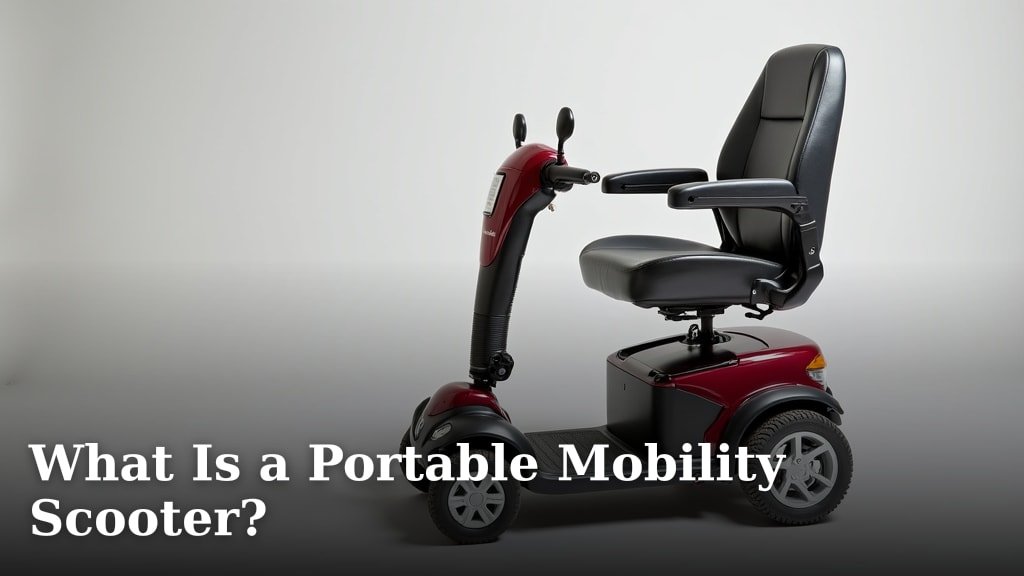
- Travel Scooters: These are smaller and often foldable. They are great for taking with you in a car. They are lightweight but may have less power or battery life.
- 3-Wheel Scooters: These offer a tighter turning radius. They are very maneuverable, making them good for indoor use or tight spaces. They might be less stable than 4-wheel models on uneven terrain.
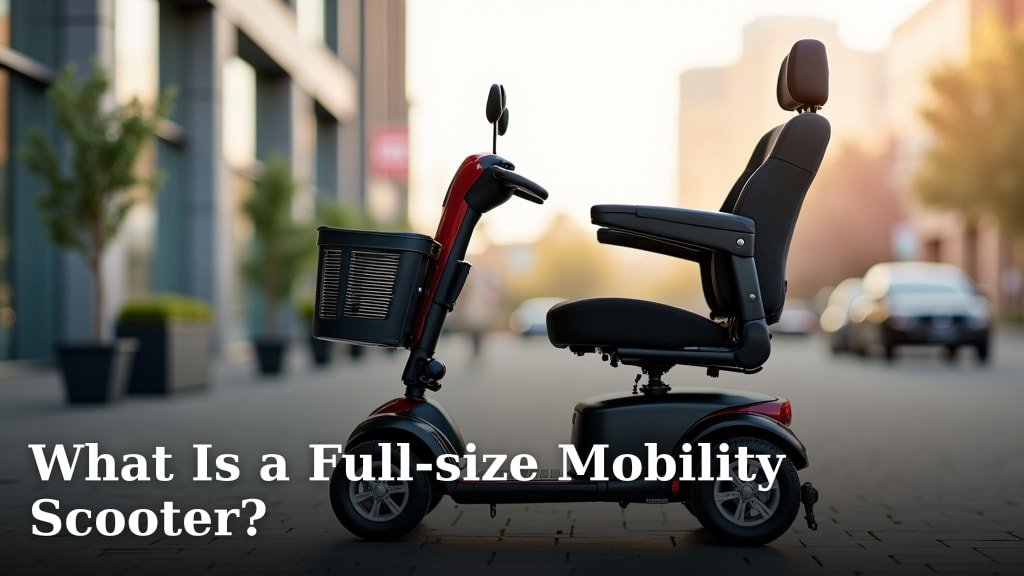
- 4-Wheel Scooters: These provide maximum stability. They are a good choice for outdoor use and varied surfaces. They have a larger turning radius, so they need more space to maneuver.
Key Features to Consider
When looking at specific models, think about these features:
- Weight Capacity: Ensure the scooter can comfortably support your weight.
- Battery Life: How far can you go on a single charge? This is vital for independence.
- Tire Type: Pneumatic (air-filled) tires offer a smoother ride. Solid tires are more durable and puncture-proof.
- Seat Comfort: You’ll be sitting for periods, so a comfortable, supportive seat is a must.
- Controls: Are the controls easy for you to operate with your current hand and arm function?
- Storage: Does it have a basket or space for your personal items?
Understanding the Controls
Most scooters have simple controls, often using a lever or throttle. Some use finger controls, while others use thumb controls. Your therapist can help you find a model with controls that match your abilities. They might suggest modifications if needed. For example, some scooters can be adapted for left-hand or right-hand operation.
Safety First: Using Your Scooter Responsibly
Using a mobility scooter safely is crucial, especially after a stroke. It’s about protecting yourself and others. Always follow the manufacturer’s instructions. Pay attention to weight limits and speed restrictions.
Be aware of your surroundings. Watch out for pedestrians, uneven surfaces, and traffic. Avoid using your scooter in crowded areas where visibility is poor. If you feel unsure or unsteady, it’s okay to take a break or ask for help. Your safety is always the top priority. Many guidelines from organizations like the National Highway Traffic Safety Administration (NHTSA) offer tips for mobility device users.
Important Safety Practices
Here’s a quick checklist for safe scooter use:
- Always check your brakes before you start.
- Ensure your battery is sufficiently charged for your planned trip.
- Stay on sidewalks and designated paths whenever possible.
- Obey traffic signals and road rules if you must cross streets.
- Keep your speed moderate and appropriate for the environment.
- Do not allow others to ride on your scooter with you.
The Impact on Your Independence and Well-being
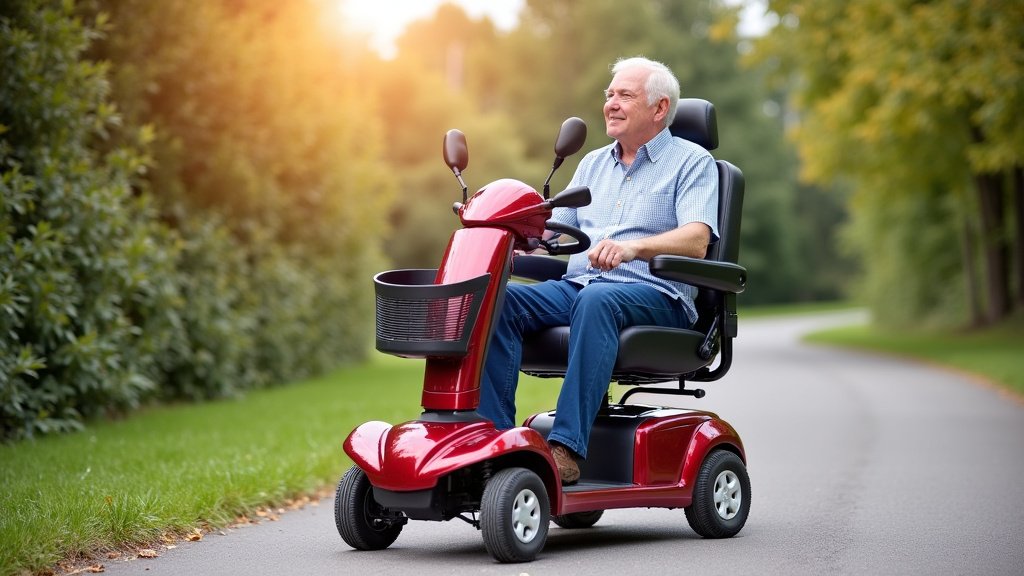
Using a mobility scooter can have a profound positive impact. It can significantly restore your sense of independence. You can go places and do things you might have thought were no longer possible. This can lead to a better quality of life. It helps you stay socially connected and engaged.
Studies have shown that maintaining mobility and independence can improve mental health after a stroke. Feeling capable and in control reduces feelings of isolation and depression. It allows you to participate more fully in life. This sense of purpose is incredibly important for recovery and overall well-being. A scooter is more than just a device; it’s a tool for reclaiming your life.
Conclusion
Navigating your recovery after a stroke involves finding the right tools for your journey. A mobility scooter can be a fantastic asset, helping you regain independence and stay connected to your community. Remember, your personal recovery and safety are key. Always involve your healthcare team, including your doctor and therapists, in this decision. They can guide you to the best options and ensure you use a scooter safely and effectively. Taking this step can make a real difference in your daily life and overall well-being. Start by scheduling a discussion with your doctor to explore if a scooter is the right next step for you.
Frequently Asked Questions
Do I need a prescription for a mobility scooter after a stroke?
While not always legally required, it’s highly recommended to get a doctor’s or therapist’s recommendation. They can assess your needs and ensure a scooter is safe and appropriate for your recovery. This guidance is vital for choosing the right model and features.
How can a physical therapist help me decide on a scooter?
A physical therapist can evaluate your balance, strength, and endurance. They can then recommend specific types of scooters or features that best suit your abilities. They can also provide training on how to operate the scooter safely.
Are mobility scooters safe to use on public sidewalks?
Generally, yes, mobility scooters are designed for use on sidewalks and designated paths. Always stay alert to your surroundings, obey traffic signals if crossing streets, and maintain a moderate speed. Your therapist can advise on specific local regulations.
Can a mobility scooter help with stroke-related fatigue?
Absolutely. Mobility scooters can greatly help manage stroke-related fatigue by conserving your energy. Instead of walking long distances, you can use the scooter, allowing you to participate in more activities without becoming overly tired.
What if my hand strength is limited after a stroke? Can I still use a scooter?
Many scooters have different control options. Your occupational therapist can help assess your hand and arm function. They can recommend scooters with easier-to-operate controls or suggest modifications to make operation possible for you.