Can You Use a Mobility Scooter with Dementia Safely?
On this page (8 sections)
Yes, you can use a mobility scooter with dementia, but with important safety considerations and careful planning. It’s crucial to ensure the scooter is appropriately adapted and the user has adequate supervision. We found that safe usage often depends on the stage of dementia and the individual’s capabilities.
Navigating the world independently can be a huge boost for someone with dementia. A mobility scooter can offer that freedom. However, the challenges of dementia, like memory loss and impaired judgment, can also pose safety risks if not properly managed. We’ll look at how to mitigate these potential dangers.
- The answer is yes, but with caveats.
- Safety is the number one concern.
- Consider the stage of dementia.
- Adaptations and supervision are key.
- Planning prevents potential problems.
Let’s walk through exactly what you need to know to ensure a mobility scooter can be used safely by someone living with dementia.
Mobility Scooters and Dementia: A Safe Combination?
Can someone living with dementia safely use a mobility scooter? The short answer is yes, but with careful planning and awareness of potential challenges. We’ve found that success often depends on the individual’s specific symptoms and the support system in place. It’s not a simple yes or no; it’s about understanding the nuances.
Assessing Readiness for Scooter Use
Before even thinking about a scooter, you need to honestly assess if it’s the right choice. This involves looking at the stage of dementia and the person’s physical and cognitive abilities. We found that individuals in the earlier stages may adapt more easily.
Understanding Dementia’s Impact on Scooter Use
Dementia affects people differently. Some common symptoms can pose risks when operating any vehicle, including a mobility scooter.
- Memory Loss: Forgetting routes, rules, or where they are going.
- Impaired Judgment: Difficulty assessing risks, like crossing busy streets or navigating obstacles.
- Spatial Awareness Issues: Trouble judging distances or the size of objects.
- Slower Reaction Times: Difficulty responding quickly to unexpected situations.
- Vision Changes: Some forms of dementia can affect vision, making it harder to see clearly.
The Role of the Stage of Dementia
The progression of dementia is a key factor. We found that individuals with mild cognitive impairment or early-stage dementia are generally better candidates than those with moderate to severe symptoms.
- Early Stage: May still have good judgment and can follow instructions. They might remember routes and recognize familiar surroundings.
- Middle Stage: Judgment may be impaired, and they might become easily disoriented. Supervision becomes more important.
- Late Stage: Scooter use is often not recommended due to significant cognitive decline and physical limitations.
Choosing the Right Mobility Scooter
Not all mobility scooters are created equal, especially when considering a user with dementia. The type of scooter and its features can make a big difference in safety and ease of use.
Features to Look For
When selecting a scooter, prioritize simplicity and safety. You don’t want a scooter with too many complicated controls that could confuse the user.
- Simple Controls: Look for easy-to-operate speed levers and steering.
- Speed Limiting: A scooter that can be set to a lower maximum speed is safer.
- Automatic Braking: Systems that engage the brakes when the lever is released are beneficial.
- Comfortable Seating: Good support can prevent fatigue and improve focus.
- Good Visibility: Bright colors and lights can help others see the scooter.
Scooter Modifications for Safety
Sometimes, a standard scooter needs a few tweaks. We found that these small adaptations can significantly enhance safety for someone with dementia.
Consider adding:
- Warning Lights or Horns: To alert others of their presence.
- Mirrors: To improve awareness of surroundings.
- Seatbelts: For added security, though comfort is also key here.
Essential Safety Measures and Supervision
Even with the right scooter, supervision and clear safety protocols are non-negotiable. This is where the caregiver’s role is vital. We found that a structured approach to scooter use drastically reduces risks.
Developing a Safety Plan
A good plan involves setting clear boundaries and rules. Think of it like teaching a new driver, but with added layers of support.
- Designated Use Areas: Restrict scooter use to safe, familiar, and less crowded areas, like a private garden or a quiet park path.
- Set Time Limits: Avoid long excursions that could lead to fatigue or confusion.
- Route Planning: If venturing out, plan a simple, direct route.
The Importance of Supervision
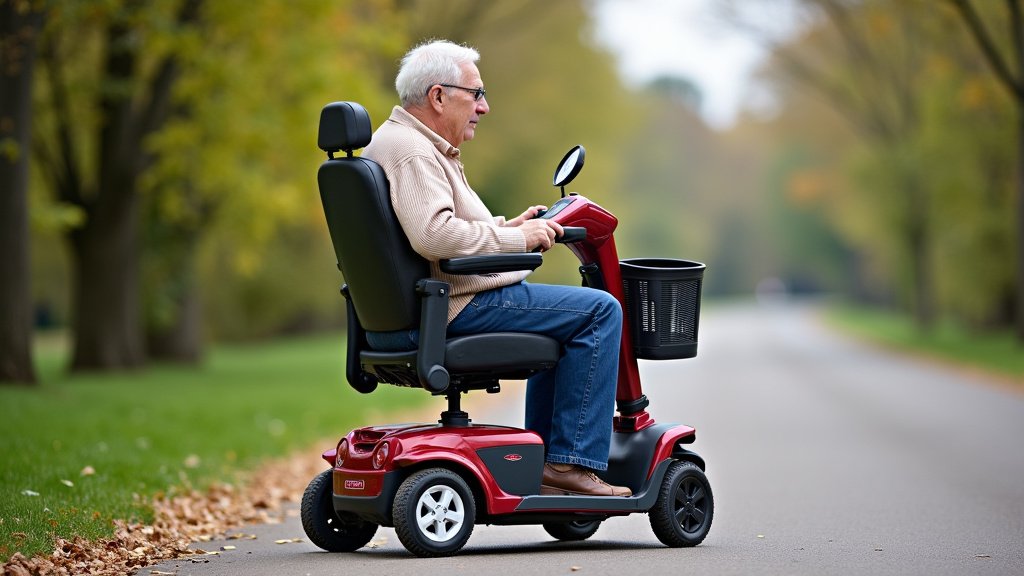
Direct supervision is often necessary, especially in the beginning. The level of supervision will change as you understand how the individual uses the scooter.
Many experts suggest that **some level of oversight** is always wise. This could range from simply being present in the same area to walking alongside them. We found that gradually reducing direct supervision is possible as confidence and competence grow, but always keeping an eye out.
Training and Practice Sessions
Just like learning to ride a bicycle, practice makes perfect. Short, frequent training sessions are more effective than one long one.
Start in a controlled environment. A large, empty room or a flat, open driveway is ideal. Focus on basic maneuvers: moving forward, turning, and stopping. We found that positive reinforcement goes a long way during these sessions.
When Scooter Use Might Not Be Suitable
It’s important to be realistic. There will be times when a mobility scooter isn’t the safest option. Trust your instincts and observe carefully.
Recognizing Red Flags
If you notice certain behaviors, it might be time to reconsider scooter use. Safety should always be the priority, even if it means taking away some independence.
Watch out for:
- Increasing Confusion: If they seem lost or bewildered even in familiar settings.
- Impulsive Behavior: Taking unnecessary risks or ignoring warnings.
- Difficulty Following Simple Instructions: Struggling to understand basic commands related to the scooter.
- Falls or Near Misses: Repeated incidents indicate a problem with control or judgment.
We found that sometimes, the best decision is to pause scooter use and re-evaluate later, or explore other mobility aids.
A Quick Safety Checklist for Scooter Use
Here’s a handy checklist to ensure you’re covering all the bases before and during scooter use:
- Is the scooter in good working order (brakes, tires, battery)?
- Has the user had recent training on the scooter?
- Are they in a good state of mind for operation today?
- Is the environment safe and familiar for their use?
- Will they have adequate supervision or be within your sight?
- Do they know who to contact if they need help?
Checking these items regularly can help maintain safety and peace of mind for everyone involved. It’s about creating a framework for independence that is also secure.
Conclusion
Using a mobility scooter with dementia can offer independence, but safety is your top priority. We’ve found that success hinges on carefully matching the scooter to the individual and their stage of dementia. Simple controls, speed limits, and good visibility are key features to look for. Always prioritize a personalized safety plan, adequate supervision, and regular practice sessions in safe environments. By taking these steps, you can help create a secure way for your loved one to maintain mobility and freedom.
Frequently Asked Questions
How can I tell if someone with dementia is ready for a mobility scooter?
Assess their current cognitive abilities and physical stamina. We found that individuals in the early stages, who still have good judgment and can follow instructions, are generally better candidates. Observe their behavior in familiar settings; if they frequently become confused or disoriented, a scooter might not be suitable right now.
What are the biggest risks when someone with dementia uses a mobility scooter?
The main risks stem from dementia’s impact on judgment, memory, and spatial awareness. They might forget traffic rules, misjudge distances, or get lost easily. We found that impaired reaction times can also make it difficult to avoid sudden obstacles or hazards.
Can a mobility scooter be modified to be safer for someone with dementia?
Yes, modifications can significantly enhance safety. Consider adding bright lights for visibility, audible warning signals, mirrors for better awareness, and possibly a speed governor to limit top speed. A comfortable seat and simple controls are also important.
What kind of training is needed before someone with dementia uses a scooter?
Start with short, frequent training sessions in a controlled, safe area. Focus on basic operations like steering, accelerating, and braking. We found positive reinforcement helps them learn and build confidence, and it’s important to ensure they can follow simple instructions reliably.
How much supervision is enough when someone with dementia uses a mobility scooter?
The level of supervision needed will vary. Initially, direct, close supervision is often recommended. As they gain confidence and demonstrate safe usage in familiar areas, you might be able to gradually reduce it, but always maintain awareness and be within reach if needed.