Does Insurance Cover Mobility Scooters?
On this page (10 sections)
- Understanding Mobility Scooter Insurance Coverage
- Who Might Qualify for Coverage?
- What Does “Medically Necessary” Really Mean?
- The Process: Getting Your Scooter Covered
- What Type of Mobility Scooter Might Be Covered?
- Understanding Your Out-of-Pocket Costs
- Common Reasons for Denial and How to Appeal
- A Quick Checklist for Coverage
- Conclusion
- Frequently Asked Questions
Yes, insurance can cover mobility scooters, but it really depends on your specific policy and provider. Many Medicare plans and private insurance policies offer coverage for mobility devices when deemed medically necessary. This means your doctor must document why you need one for daily living. Getting approved often involves a doctor’s prescription and sometimes an evaluation.
We found that understanding your coverage details is key. Mobility scooter coverage usually falls under durable medical equipment (DME). This means it’s treated like other medical devices prescribed by your doctor. Coverage amounts and requirements can vary greatly, so it’s wise to check directly with your insurer and your healthcare provider. Don’t assume anything!
- Insurance can cover mobility scooters.
- Coverage depends on your specific policy.
- Medicare and private plans may help.
- A doctor’s prescription is usually required. Our guide on how to get a doctor’s prescription for a mobility scooter details the steps.
- Coverage is often for medically necessary devices.
Let’s dive into the specifics of how you might get your mobility scooter covered by insurance.
Understanding Mobility Scooter Insurance Coverage
Can insurance help pay for your mobility scooter? Yes, in many situations. It’s not a simple yes or no answer, though. Your insurance plan and why you need the scooter matter a lot. We’ve found that most coverage falls under what’s called durable medical equipment, or DME. This means it’s treated like other medical devices prescribed by your doctor. Think of it like a hospital bed or a walker. It’s equipment meant to help you live more independently at home.
The main hurdle is proving medical necessity. Your doctor must document why this scooter isn’t just a convenience. It needs to be essential for your daily life. This often means you have a mobility impairment. You might have trouble walking safely. You could be at risk of falling. The scooter helps you get around your home or community. This documentation is your ticket to potential coverage.
Who Might Qualify for Coverage?
Several types of insurance can cover mobility scooters. The most common is Medicare. Private health insurance plans also offer coverage. Some state Medicaid programs may help too. Even some specialized insurance plans, like those for veterans, might cover it. It truly depends on your specific policy details and your healthcare provider’s rules.
Medicare Coverage Explained
Medicare Part B is your best bet for scooter coverage. It helps pay for medically necessary outpatient care. If your doctor prescribes a mobility scooter, Medicare might cover it. The scooter must help you in your home. It needs to be for a condition that limits your ability to move around. You typically can’t use it just for convenience outside your home.
There are some conditions for Medicare. You must have a mobility limitation. Your doctor must see you within six months before the order. This visit is to diagnose your condition. The scooter must be prescribed by a doctor. You’ll likely need a prescription from a Medicare-enrolled physician. Medicare covers 80% of the approved amount. You’ll pay the remaining 20% after meeting your deductible. We found that Medigap plans can often help with this leftover cost.
Private Health Insurance and Other Plans
If you have private health insurance, review your policy carefully. Many plans follow Medicare’s lead on DME. They often require a doctor’s prescription and proof of medical necessity. Some plans have higher deductibles or copays than Medicare. Others might have stricter rules about which scooters they cover. It’s always best to call your insurance provider directly.
If you have a long-term care insurance policy, check those benefits. Sometimes, these policies cover assistive devices. This can include mobility scooters. You’ll need to read your policy’s specifics. They might have different criteria than standard health insurance. Understanding your policy is the most important first step.
What Does “Medically Necessary” Really Mean?
This is the golden phrase for insurance coverage. Medical necessity means the device is required to treat your illness or condition. It must help you function better. It should improve your health. For a mobility scooter, this often means you have trouble walking. You might be unable to walk without a cane or walker. The scooter must be a safer way for you to get around.
Your doctor’s notes are critical here. They need to detail your specific limitations. Why can’t you use a standard walker or cane? What risks do you face if you don’t have a scooter? These details are what insurance reviewers look at. Without strong documentation, coverage is unlikely. Many mobility scooter providers can help you navigate this process. They often work with doctors and insurance companies.
The Process: Getting Your Scooter Covered
So, how do you actually get started? It can seem like a maze, but we found it’s manageable if you break it down.
Step 1: Talk to Your Doctor
This is non-negotiable. Schedule an appointment with your primary care physician or a specialist. Explain your mobility challenges. Discuss how a mobility scooter could help you. Your doctor will assess your condition. They will determine if a scooter is medically necessary. If they agree, they will write a prescription for it. This prescription is your starting point for everything.
Step 2: Get a Face-to-Face Encounter
For Medicare, and often for private insurance, a doctor must see you. This visit must happen within a specific timeframe before the scooter order. It’s usually within six months of the order. The doctor will document your diagnosis and limitations. This encounter is vital evidence of medical necessity. Make sure your doctor’s office understands this requirement.
Step 3: Find a DME Supplier
Once you have the prescription and documentation, you need a supplier. If you have Medicare, they generally work with specific DME suppliers. These are companies that are approved by Medicare. Your doctor’s office might have a list of preferred suppliers. Private insurance plans also often have a network of approved providers. Using an in-network supplier can save you money.
Step 4: Supplier Handles the Paperwork
A good DME supplier will handle much of the insurance paperwork. They will verify your benefits. They will submit the claim to your insurance company. They will also get any prior authorization needed. This process can take time. You might need to provide additional information or sign forms. Be patient, as insurance approvals are not always immediate.
What Type of Mobility Scooter Might Be Covered?
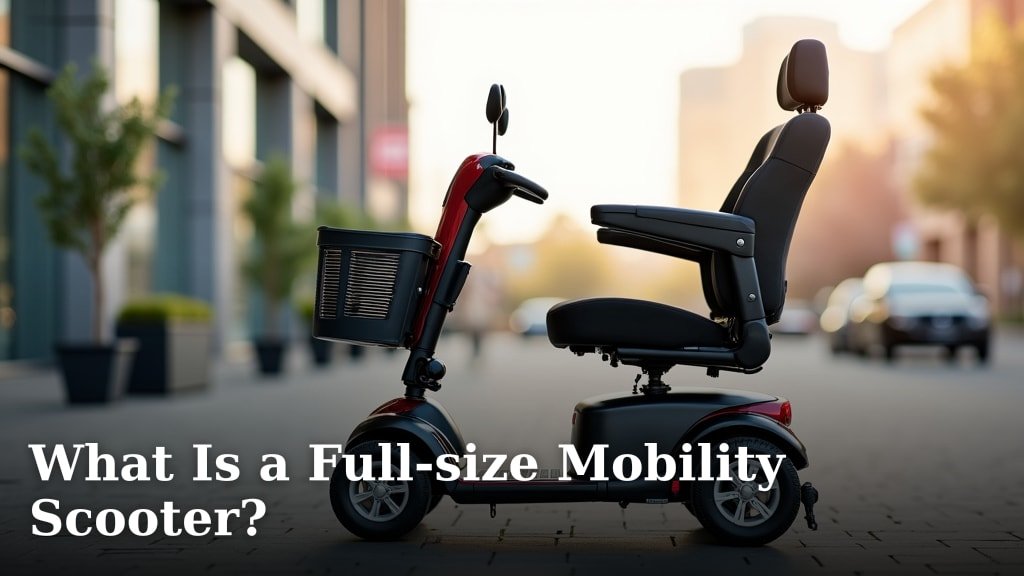
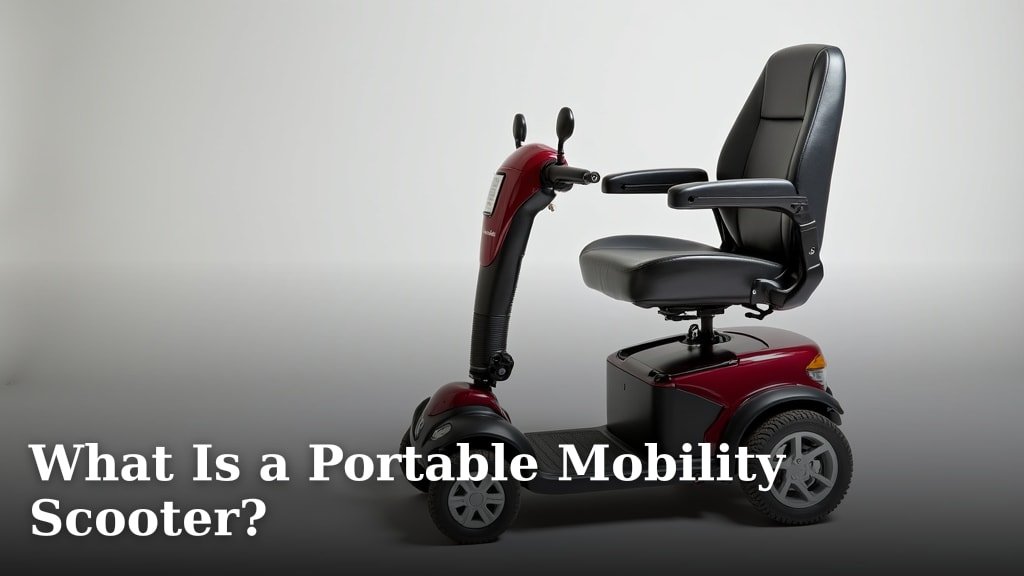
Insurance usually covers standard, medically necessary mobility devices. This typically includes Class II mobility scooters. These are designed for individuals with limited mobility but who can still operate a scooter. They have a seat, three or four wheels, and controls for speed and steering.
Coverage for high-end or specialized scooters might be different. If you need a very specific feature, like extra speed or weight capacity, you’ll need strong justification. Your doctor must explain why that specific feature is medically necessary for you. Insurance plans are less likely to cover scooters for recreational use or for people who can walk without assistance. They are focused on essential needs.
Understanding Your Out-of-Pocket Costs
Even with insurance, you might have some costs. Medicare Part B typically pays 80% of the Medicare-approved amount. You are responsible for the remaining 20% after meeting your annual deductible. For example, if Medicare approves $1,000 for a scooter, Medicare pays $800, and you pay $200.
If you have a supplemental plan, like Medigap, it might cover that 20% copay. If you have a Medicare Advantage plan (Part C), your costs will depend on that plan’s specific benefits and network. Private insurance plans will have their own deductibles, copays, and coinsurance amounts. Always ask your supplier and insurance company for an estimate of your out-of-pocket expenses. We found that knowing these costs upfront prevents surprises.
Common Reasons for Denial and How to Appeal
It’s frustrating, but sometimes insurance claims get denied. Common reasons include:
- Lack of sufficient medical documentation.
- The scooter was not prescribed by a doctor.
- The supplier is not an approved provider.
- The scooter is not deemed medically necessary.
- The face-to-face encounter requirement was not met.
If your claim is denied, don’t give up! You have the right to appeal. First, understand the reason for the denial. Contact your insurance company for clarification. Then, work with your doctor and DME supplier to gather more information. This might involve getting additional medical records or a more detailed letter of medical necessity. Your doctor can help write an appeal letter. Follow your insurance company’s appeal process carefully. Many denials can be overturned with the right documentation and persistence. Appealing can be successful.
A Quick Checklist for Coverage
Here’s a simple checklist to help you on your journey to getting coverage:
- Confirm your insurance type (Medicare, private, etc.).
- Schedule a doctor’s visit to discuss mobility needs.
- Get a prescription for a mobility scooter.
- Ensure the doctor performs a qualifying face-to-face exam.
- Work with a DME supplier familiar with your insurance.
- Understand your estimated out-of-pocket costs.
Navigating insurance can feel overwhelming, but having the right information makes a big difference. By understanding the requirements and working closely with your doctor and suppliers, you increase your chances of getting the mobility scooter coverage you need. It’s all about proving that this device is essential for your health and independence.
Conclusion
We’ve shown that insurance can cover mobility scooters, but it requires careful preparation. The key is proving medical necessity through your doctor’s prescription and documentation. Understand your specific policy details, whether it’s Medicare or private insurance. Work closely with your healthcare provider and a reputable DME supplier. They are your partners in navigating the approval process. Taking these steps diligently will help you get the mobility assistance you need to live more independently.
Frequently Asked Questions
Can I get a mobility scooter covered if I don’t have Medicare?
Yes, you might be able to. Many private health insurance plans also cover