
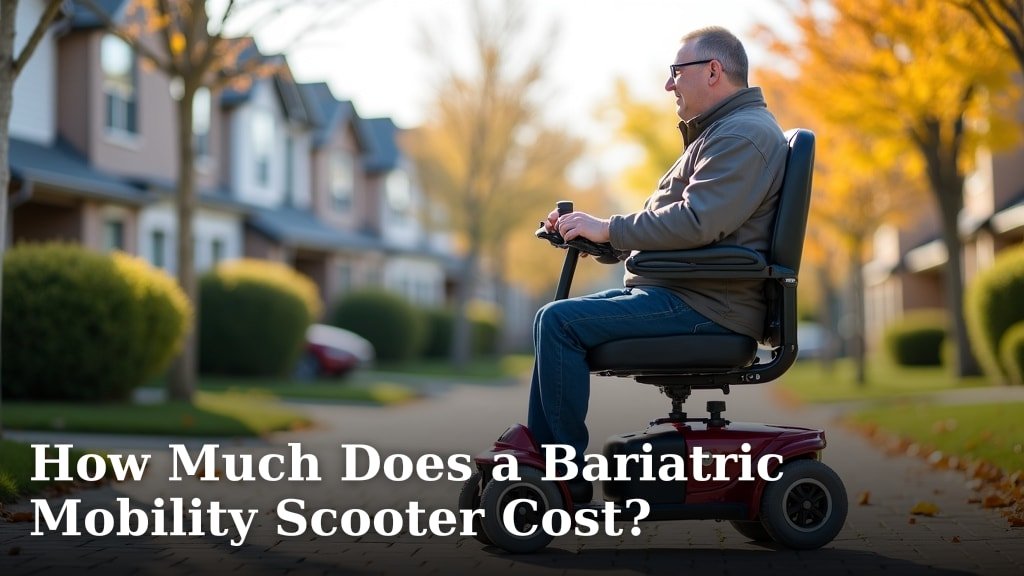
The cost of a bariatric mobility scooter can range from $1,500 to over $5,000. This price depends heavily on its weight capacity, features, and brand. A heavy-duty model designed for higher weight limits will naturally cost more than a standard scooter.
When looking at bariatric mobility scooters, think about what you need most. Do you need it for long trips, or just around the house? Higher weight capacities and longer battery life often come with a higher price tag. We found that most models offer excellent reliability within their specified weight limits.
- Price Range: $1,500 – $5,000+
- Key Factors: Weight capacity, battery life, brand
- Considerations: Intended use (indoor vs. outdoor), travel distance
- Insurance: Check if Medicare or private insurance covers part of the cost.
Let’s break down the different factors that influence the price of a bariatric mobility scooter and what you can expect to spend.
Understanding the Investment in a Bariatric Mobility Scooter
So, you’re looking into bariatric mobility scooters and wondering about the price tag. It’s a big question, and the answer isn’t a simple number. We found that the cost can swing widely. Think of it like buying a car; a basic sedan is different from a heavy-duty truck, right? The same applies here.
Generally, you’re looking at a range from about $1,500 to over $5,000. This broad spectrum means there’s likely a scooter that fits your needs and budget. The key is understanding what drives these costs. It’s all about matching the scooter’s capabilities to your specific requirements.
What Dictates the Price of a Bariatric Scooter?
Several factors play a big role in how much a bariatric mobility scooter will cost you. It’s not just about the brand name, though that can be a small part of it. The real heavy lifters in the price equation are its weight capacity and the features it comes with.
Weight Capacity: The Foundation of Cost
This is arguably the most critical factor. Bariatric scooters are built to handle higher weight limits, often ranging from 300 lbs up to 600 lbs or even more. The engineering required to support heavier individuals means stronger frames, more robust motors, and reinforced components.
A scooter designed to safely carry 500 lbs will naturally cost more than one rated for 350 lbs. This is because the materials and manufacturing processes are more demanding for the higher capacities. You’re paying for that extra strength and stability.
Battery Life and Power: Going the Distance
Another significant cost influencer is the battery system. Longer travel distances on a single charge require larger, more powerful batteries. These advanced battery packs are more expensive to produce.
Think about how far you plan to travel. If you need a scooter for extended outings or daily use without constant recharging, you’ll likely be looking at models with premium battery options. This often means a higher upfront cost but better convenience down the line.
Durability and Construction Materials: Built to Last
The materials used in constructing a bariatric scooter also affect its price. High-quality, durable materials ensure the scooter can withstand frequent use and heavier loads without premature wear and tear. We found that scooters with steel frames and heavy-duty tires tend to be more expensive but also more reliable.
Cheaper models might use lighter-duty plastics or less robust metal components. While this might lower the initial cost, it could lead to more frequent repairs or a shorter lifespan for the scooter. It’s often a case of paying for longevity and peace of mind.
Brand Reputation and Warranty: Peace of Mind Included
Like many products, well-known brands often come with a slightly higher price tag. This can be due to their reputation for quality, customer service, and extensive warranty periods. A longer, more comprehensive warranty can be a significant benefit.
We found that many manufacturers offer 1-3 year warranties on their scooters, sometimes with extended coverage options for batteries or specific components. Always check the warranty details – it’s a good indicator of the manufacturer’s confidence in their product.
Price Tiers: What to Expect in Each Bracket
To give you a clearer picture, let’s break down what you might find in different price ranges. This can help you align your expectations with your budget.
| Price Range | Typical Features & Capacity | Considerations |
|---|---|---|
| $1,500 – $2,500 | Weight capacity around 300-400 lbs. Basic comfort features. Shorter range batteries. Often suitable for indoor or light outdoor use. | Good entry-level option. May require more frequent charging. Limited advanced features. |
| $2,500 – $4,000 | Weight capacity around 400-500 lbs. Improved suspension, comfortable seating, better battery life. More robust construction. Suitable for varied outdoor terrain. | Excellent balance of features, performance, and price. Good for frequent users. |
| $4,000 – $5,000+ | Weight capacity 500 lbs+. High-performance motors, long-range batteries, premium comfort features (e.g., captain’s seat, advanced lighting). Heavy-duty tires, advanced suspension. Built for heavy, consistent use. | Top-tier models. Offer maximum range, comfort, and durability. Ideal for extensive travel and demanding use. |
Entry-Level ($1,500 – $2,500): Getting Started
In this range, you’ll find scooters that meet basic mobility needs. They typically support weights up to 300-400 lbs. These are often great for indoor use or occasional trips outside on smooth surfaces. You might get a decent battery life for shorter journeys.
Comfort features might be more basic. Think standard seats and less advanced suspension systems. These models are a solid starting point if your usage is moderate and your budget is tighter.
Mid-Range ($2,500 – $4,000): The Sweet Spot
This is often where you’ll find the best balance for many users. Scooters in this tier usually offer higher weight capacities, often in the 400-500 lb range. You’ll also see noticeable improvements in comfort and performance.
Expect better suspension for a smoother ride, more ergonomic seating, and batteries that can take you further on a single charge. These models are well-suited for frequent outdoor use and varied terrains. Many experts suggest this range offers the best value.
High-End ($4,000+): Premium Performance and Capacity
If your needs are demanding, the higher end of the price spectrum offers robust solutions. These scooters are built for maximum weight capacity (500 lbs and above) and extended use. They boast powerful motors and long-lasting batteries.
You’ll find premium features like superior comfort seating, advanced lighting systems, and rugged tires designed for challenging terrains. These models are an investment in uncompromising mobility and durability for those who need it most.
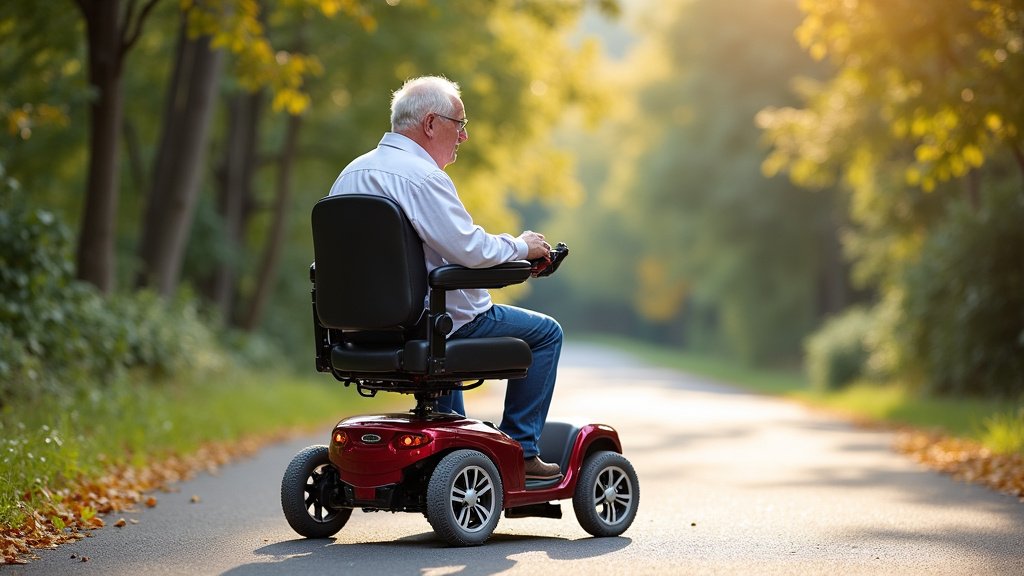
Are There Ways to Reduce the Cost?
The upfront cost can seem daunting, but there are avenues to explore that might make a bariatric mobility scooter more affordable. Thinking outside the box can save you money.
Insurance and Medicare Coverage: A Potential Lifeline
This is a big one! Many people don’t realize that insurance or Medicare might cover a portion of the cost. It often depends on your specific medical needs and whether the scooter is deemed medically necessary by your doctor.
Medicare Part B, for example, may cover “power-controlled mobility devices” if you have a severe mobility impairment and meet certain conditions. We found that the approval process can be lengthy, so it’s wise to start inquiring early. Always talk to your doctor and your insurance provider to understand your options.
Refurbished Models: Smart Savings
Just like with cars, you can often find high-quality refurbished mobility scooters. These are pre-owned scooters that have been inspected, repaired, and restored to full working order by professionals.
Refurbished models can offer substantial savings, often 20-40% off the original price. Make sure to buy from a reputable dealer who offers a warranty on refurbished items. This is a great way to get a top-tier scooter at a mid-range price.
Sales and Promotions: Timing is Everything
Keep an eye out for seasonal sales and special promotions. Many retailers offer discounts during holiday periods or end-of-year clearance events. Subscribing to newsletters from mobility equipment suppliers can alert you to upcoming deals.
Sometimes, you can find package deals that include accessories like extra batteries or a travel bag at a reduced price. It pays to do your research and shop around before making a final decision.
Final Thoughts on Your Investment
When you’re evaluating the cost, remember you’re not just buying a scooter; you’re investing in your independence and quality of life. The right bariatric mobility scooter can open up a world of possibilities.
Consider the long-term benefits – increased mobility, reduced fatigue, and the ability to participate more fully in daily activities. While the price is an important factor, focus on finding a scooter that truly meets your needs and provides reliable support for years to come.
Conclusion
Investing in a bariatric mobility scooter is a big decision. You’ve learned that costs typically range from $1,500 to over $5,000, depending on critical factors like weight capacity, battery performance, and build quality. Remember, you’re investing in your independence and comfort.
We found that higher weight limits and longer battery life often mean a higher price, but they deliver essential functionality. Before you buy, thoroughly assess your needs and budget. Your next step should be to speak with your doctor and insurance provider about potential coverage options.
Frequently Asked Questions
How much does a basic bariatric mobility scooter typically cost?
Entry-level bariatric scooters, suitable for lighter use or indoor settings, generally fall between $1,500 and $2,500. These models usually support up to 400 lbs and offer essential features for everyday mobility.
What makes the higher-end bariatric scooters cost more than $4,000?
Models costing $4,000 and above are designed for maximum performance and durability. They boast higher weight capacities (often 500 lbs+), extended battery ranges, premium comfort features, and heavy-duty construction for demanding use.
Can insurance or Medicare help pay for a bariatric mobility scooter?
Yes, in many cases. Medicare Part B or private insurance may cover a portion of the cost if the scooter is deemed medically necessary by your physician. It’s vital to contact your insurance provider and doctor to understand your coverage eligibility.
Are refurbished bariatric mobility scooters a good way to save money?
Absolutely. Buying a refurbished model can save you 20-40% off the original price. Just be sure to purchase from a reputable dealer that guarantees the scooter has been professionally inspected and comes with a warranty.
How much extra should I budget for accessories like extra batteries?
Accessory costs can add up, but are often less than the scooter itself. An additional battery pack might cost anywhere from $200 to $600 depending on capacity. It’s wise to factor in these potential extras when setting your overall budget.
