
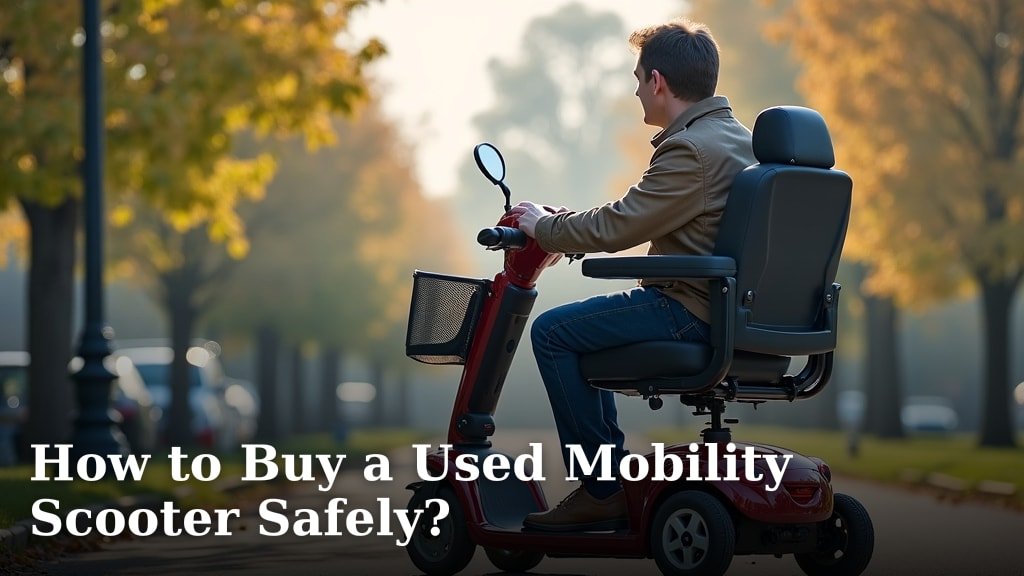
The safest way to buy a used mobility scooter is to research thoroughly, inspect the scooter carefully, and always choose a reputable seller. Taking these steps helps ensure you get a reliable, functional device that meets your needs.
You can find great deals on used mobility scooters. Many people sell scooters that are still in excellent condition. We found that checking the battery life and the motor are especially important before you buy. This helps you avoid future problems.
- Research sellers and scooter models.
- Check battery health and charge cycles.
- Inspect the motor and tires.
- Test all controls and features.
- Ask about the scooter’s history.
Ready to find your perfect ride? Let’s walk through exactly how to buy a used mobility scooter safely, step by step.
Your Guide to Safely Acquiring a Used Mobility Scooter
Finding a reliable used mobility scooter can feel like a big task. But it doesn’t have to be. We’re here to help you navigate the process safely and effectively. Think of us as your friendly guide!
Start with Smart Research
Before you even look at a scooter, do some homework. This upfront effort saves you time and potential headaches later. You want a scooter that fits your life perfectly.
Identify Your Needs First
What do you need a scooter for? Daily errands, longer trips, or just around the house? Consider your typical use. Do you need something portable that folds, or a larger, more robust model?
- How far do you typically travel?
- What type of terrain will you be on (smooth floors, sidewalks, grass)?
- Do you need to transport it in a car?
- What is your weight, and what weight capacity does the scooter need?
- What comfort features are important to you?
These questions help narrow down your search. We found that matching the scooter to your lifestyle is key to long-term satisfaction.
Research Scooter Models and Brands
Once you know your needs, look into specific models. Some brands are known for their durability, while others excel in portability or features. Read reviews from other users. What do they love? What are their complaints?
We found that user reviews often highlight common issues or unexpected benefits. This can be very helpful in making an informed decision. Look for models with readily available parts and service, too.
Where to Find Used Mobility Scooters
Finding a good source for your used scooter is crucial. Not all sellers are created equal, and some offer more security than others.
Reputable Dealers and Medical Supply Stores
Buying from a specialized dealer or medical supply store often provides the most peace of mind. They typically inspect and service scooters before selling them. Many offer limited warranties, which is a huge plus.
While prices might be a bit higher, the added security and potential for support can be well worth it. You often get a scooter that’s been professionally checked out (U.S. Department of Health and Human Services).
Online Marketplaces and Classifieds
Websites like Craigslist, Facebook Marketplace, or even eBay can have great deals. However, this route requires more caution from your end. It’s often a private sale, meaning fewer protections.
Always plan to meet in a safe, public place. Bring a friend or family member. Never go alone to someone’s home, especially if you don’t know them. Safety first, always.
Auctions and Estate Sales
These can be hit-or-miss but sometimes offer hidden gems. The downside is that you usually buy “as-is,” with little to no opportunity for a thorough inspection or test drive. This option is best for those comfortable with more risk.
Thorough Inspection: Your Scooter’s Health Check
This is where you become a detective! A careful inspection can reveal a lot about a scooter’s life and remaining usability. Don’t rush this step.
Battery Life and Condition
The battery is the heart of your scooter. New batteries are expensive, so a failing one can quickly turn a “deal” into a costly repair. Ask about the battery’s age and how often it was charged.
We found that scooters with batteries over two years old might need replacement soon. Check for any bulging or leaking, which are signs of damage. A full charge should last as advertised by the manufacturer (National Institute of Health).
You can ask for a demonstration of a full charge cycle. How long does it take? Does it hold the charge for a reasonable amount of time during the test drive?
Motor and Drivetrain Inspection
Listen to the motor during operation. Are there any unusual grinding or squealing noises? A healthy motor should sound smooth. Check for any visible damage or corrosion around the motor housing.
The drivetrain (how power gets from the motor to the wheels) should also be free of excessive play or unusual sounds. This is often harder to assess without some mechanical knowledge, but listen carefully.
Tires, Brakes, and Steering
Look at the tires. Are they worn down unevenly? Are there any cracks or significant gouges? Good tires mean better traction and a smoother ride. Check the tire pressure if possible.
Test the brakes thoroughly. Do they engage smoothly and stop the scooter effectively? The steering should be responsive and not feel loose or wobbly. Any clunking sounds when turning could indicate issues.
Controls and Features Check
Try every button, lever, and switch. Does the horn work? Do the lights turn on? Does the speed control respond correctly? Adjust the seat and tiller (steering column) to ensure they move freely and lock securely.
Don’t forget the armrests and footrests. Are they sturdy? Do they adjust if they’re supposed to? Every component contributes to your comfort and safety.
The All-Important Test Drive
You wouldn’t buy a car without driving it, would you? The same goes for a mobility scooter. A test drive is non-negotiable.
Drive the scooter for at least 15-20 minutes. Test it on different surfaces if possible. Does it handle bumps well? Can it navigate turns easily? Pay attention to how it feels. Is it comfortable for you?
Here’s a quick checklist for your test drive:
- Accelerate and decelerate smoothly.
- Test full speed and low speed settings.
- Practice turning in both directions.
- Brake firmly but gently.
- Go over a small bump or incline if safe.
- Listen for any new or unusual noises.
Does it meet your needs for maneuverability and power? Your comfort and confidence during the test drive are crucial.
Ask About the Scooter’s History
A good seller will be open about the scooter’s past. Don’t be shy about asking questions.
- How old is the scooter?
- Why are they selling it?
- Has it ever needed major repairs? If so, what were they?
- How often was it used and maintained?
- Does it come with any original documents or manuals?
We found that sellers who are vague or unwilling to answer questions might be hiding something. Trust your gut feeling here.
Negotiation and Payment
Once you’ve found a scooter you like, it’s time to talk price. Don’t be afraid to negotiate, especially if you found any minor issues during your inspection.
Always use a secure payment method. Cash is common in private sales, but if you’re uncomfortable, consider alternatives like an escrow service or meeting at your bank for a cashier’s check. Avoid sending money sight unseen.
Before You Ride Off: Essential Post-Purchase Steps
Congratulations on your new-to-you scooter! But your work isn’t quite done yet.
Read the Manual (or Find One Online)
Even if it’s used, understanding your scooter’s specific features and maintenance schedule is vital. If the seller doesn’t have the manual, look up the model online. Manufacturers usually have them available for download.
Consider Insurance and Servicing
Does your home insurance cover mobility devices? If not, consider a separate policy. Think about future servicing. Where will you take it if it needs repairs? Having a plan in place saves stress down the road.
Regular maintenance, even for a used scooter, extends its life and ensures safe operation. Many experts recommend an annual check-up (Mayo Clinic).
Safety First: Practice and Get Familiar
Take some time to practice driving your “new” scooter in a safe, open area. Get comfortable with its turning radius, braking, and speed controls before heading out into busier environments. Your confidence will grow with practice.
Potential Red Flags to Watch Out For
Always be on the lookout for anything that feels “off.”
| Red Flag | Why It’s a Concern |
|---|---|
| Seller rushing you | Could be trying to hide defects or prevent thorough inspection. |
| “Too good to be true” price | Often indicates hidden problems, especially with battery or motor. |
| Refusal for test drive | A scooter that can’t be tested is a scooter you shouldn’t buy. |
| Vague answers to questions | Suggests a lack of transparency about the scooter’s history. |
| Obvious damage hidden | Small cosmetic flaws are fine, but hidden structural damage is not. |
Trust your instincts. If something doesn’t feel right, it probably isn’t. There are always other scooters available.

Conclusion
Buying a used mobility scooter is a smart way to gain independence without the high cost of a new one. By taking the time to research your needs, find a reputable seller, and conduct a thorough inspection, you can secure a great deal.
Remember to test everything, ask good questions, and trust your instincts. Your safety and comfort are paramount. With careful steps, you’ll soon be enjoying your perfect-for-you scooter.
Now, go find that ideal mobility scooter and reclaim your freedom!
Frequently Asked Questions
How can I tell if a used scooter battery is still good?
Ask the seller about the battery’s age and recent performance. Look for a battery that is less than two years old. During your test drive, observe if the scooter maintains power and doesn’t quickly lose charge.
Is it safer to buy from a dealer than a private seller?
Generally, yes. Dealers often inspect, service, and sometimes offer limited warranties on used scooters. Private sales can be cheaper but come with more risk and fewer protections, requiring you to be extra vigilant.
What should I do if the seller won’t let me test drive the scooter?
Do not buy the scooter. A test drive is absolutely essential to assess its functionality, comfort, and safety. A seller unwilling to allow a test drive is a major red flag.
Are there any financial assistance programs for buying used mobility scooters?
Some local non-profits or community organizations might offer assistance or loaner programs. Your state’s Department of Rehabilitation or Area Agency on Aging can also provide resources and guidance.
What maintenance does a used mobility scooter typically need?
Regular maintenance includes checking tire pressure, keeping batteries charged, and ensuring all controls work. An annual professional check-up is recommended to keep your scooter in top condition and extend its life.
