
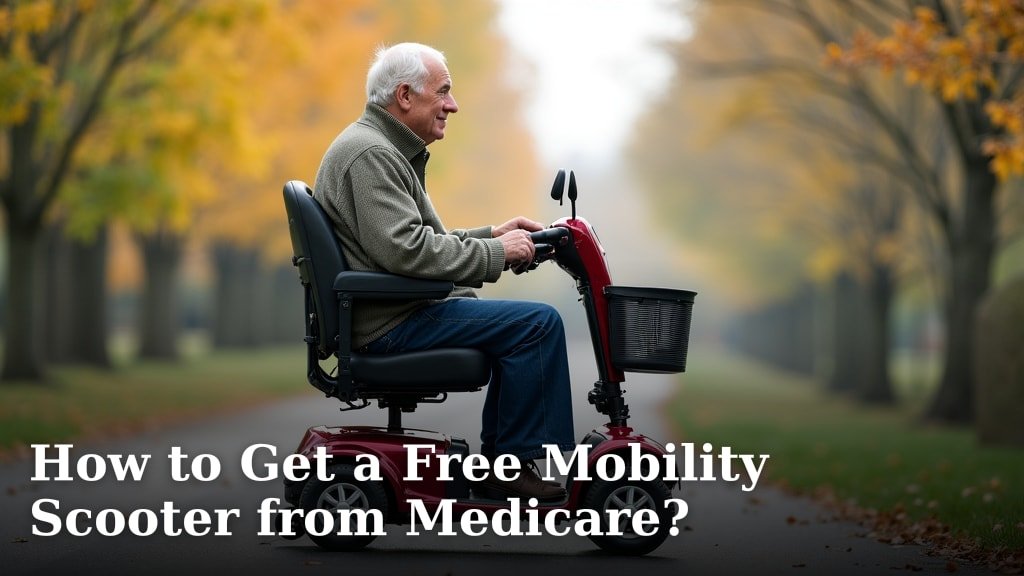
Yes, you can get a free mobility scooter from Medicare if you meet certain medical necessity requirements. Medicare Part B may cover a portion of the cost for a power-operated vehicle, often called a mobility scooter, or a power wheelchair. This coverage applies when it’s prescribed by your doctor for use in your home. It’s designed to help individuals with mobility impairments regain independence. You’ll need to ensure your specific condition qualifies under Medicare’s guidelines for durable medical equipment (DME).
Medicare’s coverage for mobility aids is a wonderful resource for many. They aim to provide access to equipment that can improve daily living. While “free” might be a bit of a stretch, Medicare can significantly reduce your out-of-pocket expenses. You will likely still have a co-payment or deductible depending on your specific Medicare plan and the type of scooter you need. It’s wise to understand these potential costs upfront.
- Medicare Part B can help cover mobility scooters and power wheelchairs.
- Coverage is for equipment deemed medically necessary for use at home.
- A doctor’s prescription is always required.
- You may still have co-pays or deductibles.
- Understand your plan’s specific coverage rules.
Let’s walk through exactly how to navigate Medicare’s coverage for mobility scooters, step by step. We’ll look at the requirements and what you can expect along the way.
Getting Medicare Coverage for Mobility Scooters and Power Wheelchairs
So, you’re wondering if Medicare can help you get a mobility scooter. The short answer is yes, under certain conditions. Medicare Part B often covers power-operated vehicles (POVs), which is the official term for mobility scooters. It also covers power wheelchairs. This equipment is considered durable medical equipment (DME). To qualify, it must be medically necessary for you to use in your home. This means it needs to help you with a health condition that limits your ability to move around your own living space. It’s all about helping you regain some independence at home.
Understanding Medicare’s “Medical Necessity” Requirement
This is the biggest hurdle, but it’s manageable. Medicare wants to ensure the equipment you receive is truly needed for a medical condition. They aren’t covering mobility devices for convenience. You’ll need to show that your ability to function within your home is impaired. This impairment should be due to a diagnosed illness or injury. Things like severe arthritis, COPD, heart failure, or significant weakness can qualify. The key is that without the scooter or wheelchair, your ability to perform daily tasks within your home is severely restricted. For example, can you walk from your bedroom to your bathroom without extreme difficulty or pain? Can you get to your kitchen for meals? If the answer is no, you might meet this requirement (Centers for Medicare & Medicaid Services).
What Conditions Might Qualify?
Medicare looks at your overall health. They consider how your condition affects your mobility inside your home. It’s not just about having a specific diagnosis. It’s about how that diagnosis impacts your daily life. Your doctor will need to document this thoroughly. Conditions that often lead to Medicare coverage include:
- Severe leg, hip, or back conditions that make walking difficult.
- Balance issues that put you at high risk of falling indoors.
- Breathing difficulties that limit your ability to move around your home.
- Neurological conditions affecting muscle strength and coordination.
- Conditions that cause severe fatigue and limit your mobility.
Your Home Environment Matters
Medicare coverage is for equipment used within your home. This means your home must be suitable for using a mobility scooter or power wheelchair. If your home has many stairs, narrow doorways, or is generally inaccessible, it might affect coverage. They need to see that you can actually use the device safely in your living space. For instance, if you live in a second-story apartment with no elevator, a power wheelchair might not be approved for home use. The DME supplier may even inspect your home. This ensures the equipment will be used as intended.
The Doctor’s Prescription: Your First Official Step
Without a prescription from your doctor, you won’t get Medicare coverage for a mobility scooter. This isn’t just a casual note. It needs to be a detailed medical document. Your doctor must explain why you need the equipment. They have to connect your medical condition directly to your need for a mobility aid. This prescription is the foundation of your Medicare claim. Make sure your doctor understands Medicare’s specific requirements for DME. Not all doctors are as familiar with these rules. Don’t hesitate to ask them to be very specific in their notes.
What Your Doctor’s Prescription Should Include
A strong prescription goes beyond simply stating “patient needs a scooter.” It should detail:
- Your specific diagnosis and relevant symptoms.
- How your condition limits your mobility within your home.
- Why a mobility scooter or power wheelchair is medically necessary.
- What other mobility aids you have tried or considered.
- How the scooter or wheelchair will improve your ability to function at home.
- The expected duration of your need for the equipment.
Your doctor will likely conduct a thorough exam. They may ask you questions about your daily routines. They might also need to perform functional tests. These tests help them assess your walking ability and stamina. Think of it as proving your case for needing this assistance.
Finding a Medicare-Approved DME Supplier
Once you have the prescription, you can’t just walk into any store. You need to work with a Medicare-approved Durable Medical Equipment (DME) supplier. These suppliers have agreed to Medicare’s terms and conditions. They know how to bill Medicare correctly. Choosing the wrong supplier can lead to denied claims. Your doctor’s office can often provide a list of recommended suppliers. You can also check the Medicare website or call them directly to find accredited providers in your area. Always verify that the supplier is indeed approved by Medicare.
Navigating the Medicare Coverage Process
So, you have your doctor’s note and a supplier in mind. What happens next? The process can seem a bit daunting, but we’ll break it down. It involves your doctor, the supplier, and sometimes an insurance intermediary.
Coverage Determinations and Prior Authorization
For certain high-cost items or if there’s any doubt, Medicare might require a prior authorization. This means the DME supplier will submit your prescription and medical documentation to Medicare for approval *before* you receive the equipment. This step is crucial. It ensures Medicare agrees the equipment is medically necessary before you get it. If it’s not authorized, you could be responsible for the full cost. Your DME supplier usually handles this paperwork. Be patient, as this process can take time. It involves a lot of back-and-forth between your doctor, the supplier, and Medicare.
Understanding Your Costs: Deductibles and Co-payments
While Medicare Part B can cover a significant portion of the cost, it’s rarely 100% free. You will likely have out-of-pocket expenses. These typically include:
- The Part B deductible: You must meet this annual deductible first. In 2024, it’s $240.
- The Part B co-insurance: After meeting the deductible, Medicare pays 80% of the approved amount. You are responsible for the remaining 20%.
So, if a scooter costs $1,000 and is fully approved, you’d pay the $240 deductible. Then, Medicare pays 80% of the remaining $760 ($608). You would pay the remaining 20% ($152). The total out-of-pocket for you would be $240 + $152 = $392. These numbers are examples; actual costs can vary based on the equipment and Medicare’s approved payment amount. If you have a Medicare Advantage plan (Part C), your costs might differ. These plans can have their own rules and provider networks.
What About Original Medicare vs. Medicare Advantage?
Original Medicare (Part A and Part B) has a standard set of rules for DME coverage. Medicare Advantage plans, offered by private insurers, must cover at least what Original Medicare covers. However, they can offer additional benefits or have different cost-sharing structures. It’s essential to check your specific Medicare Advantage plan’s Evidence of Coverage (EOC) document. This document details your benefits, deductibles, co-pays, and covered provider networks. Some plans might require you to use specific DME suppliers within their network.
Renting vs. Buying: How Medicare Covers It
Medicare typically covers mobility scooters and power wheelchairs as rented equipment. You’ll pay a monthly rental fee, and Medicare will cover a portion of that fee. After a certain period (usually 13 months), if the equipment is still considered medically necessary, Medicare may pay to have the equipment purchased for you. This means you’ll own it. In some cases, you may have the option to purchase the equipment outright from the DME supplier. Your supplier will explain the rental agreement and purchase options. Understand which scenario applies to you.

Making Sure You Get the Right Equipment
It’s not enough to just qualify for coverage. You need to make sure the equipment meets your actual needs. Mobility scooters and power wheelchairs come in many varieties.
Choosing the Best Scooter or Power Wheelchair for You
Your doctor and the DME supplier should help you choose. Consider factors like:
- Maneuverability: Will it fit through your doorways and navigate your home’s layout?
- Weight capacity: Can it safely support your weight?
- Battery life: How long does it last on a single charge?
- Portability: Does it need to be disassembled for transport (though Medicare coverage is usually for non-portable use)?
- Comfort: Will the seat be comfortable for extended periods?
Don’t be afraid to ask questions. Test out different models if possible. The goal is to find equipment that truly improves your life at home. It’s a significant decision, and you want to be happy with the outcome.
Your Responsibilities as a Medicare Beneficiary
Once you have your mobility equipment, you have responsibilities. You must:
- Use the equipment only as prescribed by your doctor.
- Inform Medicare and the DME supplier if your condition changes.
- Inform them if you no longer need the equipment.
- Take reasonable care of the equipment.
Failing to do so could impact future Medicare coverage. It’s a partnership, and your active participation is key.
A Checklist for Getting Your Mobility Scooter Through Medicare
Ready to start the process? Keep this checklist handy:
- Schedule a doctor’s appointment to discuss your mobility issues.
- Get a detailed prescription that clearly states medical necessity for home use.
- Ask your doctor for names of Medicare-approved DME suppliers.
- Contact a DME supplier to discuss your needs and their process.
- Confirm coverage with your supplier and Medicare (ask about prior authorization).
- Be prepared for potential co-pays or deductibles based on your plan.
Navigating Medicare can feel like a maze sometimes. But by understanding the requirements and working closely with your doctor and a trusted supplier, you can increase your chances of getting the mobility assistance you need.
Conclusion
Getting a mobility scooter through Medicare is absolutely possible when your condition truly requires it. Remember, the key is proving medical necessity for home use, which means a detailed prescription from your doctor is your most important first step. Work closely with your doctor and a Medicare-approved supplier to navigate the process. While it might not be entirely “free” due to potential deductibles or co-pays, Medicare can dramatically reduce your out-of-pocket costs. Your next step is to schedule that doctor’s appointment and start gathering the necessary documentation to regain your independence at home.
Frequently Asked Questions
Can I get a mobility scooter for just going outside my home?
Medicare coverage for mobility scooters and power wheelchairs is primarily for use within your home. The equipment must be medically necessary to help you perform daily activities in your residence. Coverage for use outside the home might be limited or require a different justification.
What if my home has stairs? Will that affect my coverage?
Having stairs in your home can indeed affect your eligibility for coverage. Medicare needs to see that you can safely use the mobility device in your living space. If your home is not easily accessible with a scooter or power wheelchair, it may be denied for home use.
How long does it take to get approved for a mobility scooter through Medicare?
The approval process can take time, often several weeks or even months. This depends on factors like the completeness of your documentation, your doctor’s responsiveness, and the DME supplier’s efficiency in submitting claims. Prior authorization can add to this timeline.
Do I have to pay for the scooter if I have Medicare Advantage?
Your costs can vary with a Medicare Advantage plan. While these plans must cover at least what Original Medicare covers, they may have different deductibles, co-pays, and require you to use specific providers. Always check your plan’s Evidence of Coverage document.
What happens if my medical condition improves and I no longer need the scooter?
If your condition improves and you no longer meet the medical necessity requirements, you must inform your DME supplier and Medicare. You may need to return the equipment, and your rental payments will stop. Failing to report changes could impact future coverage.
