
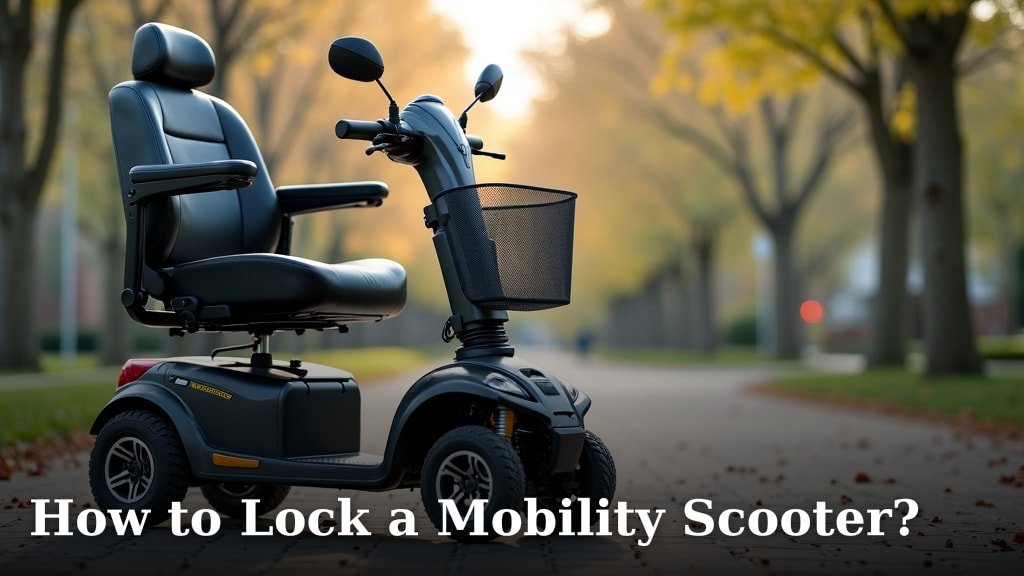
To lock a mobility scooter, you should always remove the key first. Then, use a physical locking mechanism like a chain, cable, or disc brake lock. This makes it much harder for someone to move or steal your scooter.
Protecting your mobility scooter from theft is really important. We found that a combination of methods typically works best for keeping your scooter safe. It’s about making your scooter as unattractive to thieves as possible, whether it’s stored at home or parked when you’re out. You want to make it too much trouble to take.
TL;DR:
- Always take out your key.
- Use a strong chain or cable lock.
- Consider a disc brake lock for extra security.
- Park in well-lit, busy areas.
- Register your scooter’s serial number.
So, ready to beef up your scooter’s security? Let’s walk through how to lock a mobility scooter effectively, step by step, and what tools you might need.
Understanding Scooter Security Basics
Protecting your mobility scooter starts with understanding how thieves operate. We found that most thefts are opportunistic. They happen when a scooter looks easy to take. Your goal is to make your scooter difficult to move and undesirable to steal. This means making it clear that taking your scooter will be a big hassle.
The Importance of Taking Your Key
This might seem obvious, but it’s the number one rule. Always remove the key from your scooter when you leave it, even for a moment. Leaving the key in is like leaving your car running with the doors unlocked. Any passerby could simply hop on and drive away. We’ve seen many reports where this simple oversight led to theft (National Council on Independent Living).
Basic Theft Prevention Mindset
Think like a thief for a moment. What makes a target appealing? Easy access, low risk, and quick escape. Your job is to create the opposite: difficult access, higher risk, and no easy escape. This mindset will guide all your security choices. It’s about layers of protection, not just one magic lock.
Choosing the Right Locking Mechanisms
Once the key is out, you need a physical barrier. There are several types of locks available, each with its own advantages. We found that combining different types offers the best defense. This forces a thief to defeat multiple security measures, which takes more time and makes them more visible.
Chain and Cable Locks
These are your primary line of defense. A good chain or cable lock can secure your scooter to a fixed object. Think lampposts, bike racks, or sturdy railings. Look for locks specifically designed for bicycles or motorcycles. They tend to be much stronger than general-purpose locks.
Heavy-Duty Chains
When we researched, we found that hardened steel chains are among the most secure options. Look for chains with links that are at least 10mm thick. Thicker links are very difficult to cut with bolt cutters. Pair these with a high-quality padlock, ideally one with a shrouded shackle. This helps protect the shackle from attacks.
- Opt for chains made of manganese steel.
- Choose links over 10mm in diameter.
- Ensure the padlock is also heavy-duty and difficult to pick.
Strong Cable Locks
Cable locks offer more flexibility than chains. They are often lighter and easier to transport. However, they are generally less secure against cutting, unless they are very thick. Look for braided steel cables with a thick vinyl coating to prevent scratching your scooter. We suggest using cable locks for less risky situations or as a secondary lock.
| Lock Type | Pros | Cons | Best Use |
|---|---|---|---|
| Heavy-Duty Chain | Very strong, hard to cut. | Heavy, less flexible. | High-security areas, overnight. |
| Thick Cable Lock | Flexible, lighter than chain. | Can be cut if not thick enough. | Medium-security, quick stops. |
| Disc Brake Lock | Compact, prevents rolling. | Easy to forget, doesn’t secure to object. | Added security, short stops. |
Disc Brake Locks
A disc brake lock is a small, compact device that attaches to your scooter’s disc brake rotor. It prevents the wheel from turning, making it impossible to roll the scooter away. Many experts recommend these as an excellent secondary lock (Consumer Reports). They are fairly inexpensive and easy to carry. Just remember to remove it before you try to drive off!
Alarms on Disc Brake Locks
Some disc brake locks come with built-in alarms. These alarms will sound if the scooter is moved or tampered with. This adds another layer of deterrence. A loud alarm can draw attention and scare off potential thieves. It’s a nice extra feature for peace of mind.
Advanced Security Measures for Enhanced Protection
Beyond physical locks, there are other strategies you can use to make your scooter even more secure. These methods often involve technology or simply being smart about where and how you store your scooter. Think of these as additional layers to your security onion.
GPS Tracking Devices
For peace of mind, consider installing a GPS tracking device on your scooter. These small devices can be discreetly hidden. If your scooter is stolen, you can use an app on your phone to track its location. This significantly increases the chances of recovery. We found that many owners appreciate this option, especially for higher-value scooters.
Parking Smart for Safety
Where you park your scooter is just as important as how you lock it. Always choose well-lit, busy areas. Thieves prefer working in the shadows, unseen. Parking near security cameras or in view of shop owners can also be a good deterrent. Avoid isolated spots, even if they seem convenient.
Here’s a quick checklist for smart parking:
- Park in high-traffic, visible areas.
- Look for good lighting, especially at night.
- Try to park near security cameras.
- If possible, secure your scooter to an immovable object.
- Avoid parking in hidden alleys or dark corners.
Registering Your Scooter’s Serial Number
Every mobility scooter has a unique serial number. Make sure you record this number and keep it in a safe place. If your scooter is stolen, having the serial number is vital for reporting it to the police and your insurance company. It also helps property recovery specialists identify your scooter if it’s found. We found this step is often overlooked but extremely helpful for recovery (National Crime Prevention Council).
Practical Tips for Everyday Security
Making security a habit is key. It’s not just about what locks you buy, but how consistently you use them. A great lock left at home offers no protection.
Always Use Multiple Security Measures
As we’ve mentioned, layers work best. Don’t rely on just one lock. For instance, use a chain lock to secure your scooter to a fixed object, and then add a disc brake lock for extra deterrence. This makes your scooter a much harder target. A thief looking for an easy score will likely move on to an easier-looking scooter.
Consider Insurance Coverage
Even with the best security, things can happen. Check if your homeowner’s or renter’s insurance policy covers your mobility scooter. If not, you might consider specific mobility scooter insurance. This provides financial protection if your scooter is stolen or damaged. It’s an important part of a full security plan.
Regularly Inspect Your Locks
Like any equipment, locks can wear out. Check your chains, cables, and padlocks regularly for signs of damage or rust. A rusty or worn lock is easier to defeat. Keep them clean and lubricated if recommended by the manufacturer. A reliable lock is a working lock.
Conclusion
Protecting your mobility scooter doesn’t have to be complicated. By consistently removing your key, using strong physical locks, and parking smartly, you make your scooter far less appealing to thieves. We found that combining methods, like a heavy-duty chain with a disc brake alarm, creates robust security layers.
Remember, a little effort goes a long way in deterring opportunistic crime. Make security a daily habit, and consider additional steps like GPS tracking or insurance for extra peace of mind. Take these simple steps today to keep your mobility scooter safe and ready for your next adventure.
Frequently Asked Questions
Can I use just a cable lock to secure my scooter?
While a cable lock offers some security and flexibility, we generally recommend them as a secondary measure or for very low-risk situations. They are often easier to cut than hardened steel chains. For better protection, pair it with a strong chain or disc brake lock.
Are all disc brake locks the same?
No, disc brake locks vary in strength and features. Some offer built-in alarms that trigger if your scooter is moved, which adds an extra layer of deterrence. We recommend choosing one from a reputable brand and considering the alarm feature for enhanced security.
What if there isn’t anything to lock my scooter to?
If you can’t secure your scooter to a fixed object, focus on making it immobile and as visible as possible. Use a disc brake lock to prevent rolling, and consider a loud alarm. Parking in well-lit, busy areas also helps, as thieves prefer concealed targets.
Should I get specific insurance for my mobility scooter?
It’s a good idea to check your current homeowner’s or renter’s insurance policy first, as it might already offer some coverage. If not, specialized mobility scooter insurance can provide financial protection against theft or damage. This offers valuable peace of mind, especially for higher-value scooters.
How often should I check my locks for wear and tear?
We suggest inspecting your locks regularly, perhaps once a month or before any extended trips. Look for signs of rust, damage, or stiffness. A well-maintained lock is a reliable lock, so replace any that show significant wear to ensure they remain effective.
