How to Operate a Mobility Scooter
To learn how to operate a mobility scooter, start at low speed in a clear, level area. Check the manual, confirm the scooter is in drive mode, and practice moving, turning, stopping, and reversing before riding near people.
On this page (10 sections)
- How to Operate a Mobility Scooter
- How do you choose a scooter you can operate comfortably?
- How do you set up and start a mobility scooter?
- How do you steer, turn, and stop safely?
- How do you reverse without hitting anything?
- What is freewheel mode, and when should you use it?
- How should you practice before riding in public?
- How do you care for a scooter and handle battery issues?
- How do you park a mobility scooter safely?
- How to operate a mobility scooter: what should you choose?
How to Operate a Mobility Scooter
To operate a mobility scooter, sit upright, choose a low speed, and use the drive control gently. Learn the controls on a clear, level route and practice moving, steering, stopping, and reversing before riding near other people.
Controls differ between models. Read the manual before your first ride, paying close attention to the speed control, braking method, battery checks, and freewheel mode.
If you use a mobility aid or need help transferring, ask a qualified professional or caregiver to help you decide whether the scooter is suitable.
How do you choose a scooter you can operate comfortably?
Choose a scooter that fits your body, everyday route, storage space, and ability to use its controls. Check the seat and tiller position, turning room, weight capacity, battery range, and the surfaces you expect to cross.
A compact scooter can suit indoor trips and tight spaces, while a model that breaks down may be easier to transport by car. The Rascal Venture has a swivel seat and adjustments for seat height, armrests, and the tiller.
It breaks into 5 pieces for transport, with the heaviest piece weighing 34.5 lb, so consider whether lifting and reassembling those pieces works for you.
This is a sensible option for someone who wants a portable 4-wheel scooter for shorter trips and can manage its disassembly. Skip it if its seat or controls do not fit your body, or if lifting the pieces is not practical.
Check weight capacity and dimensions against your needs before choosing.
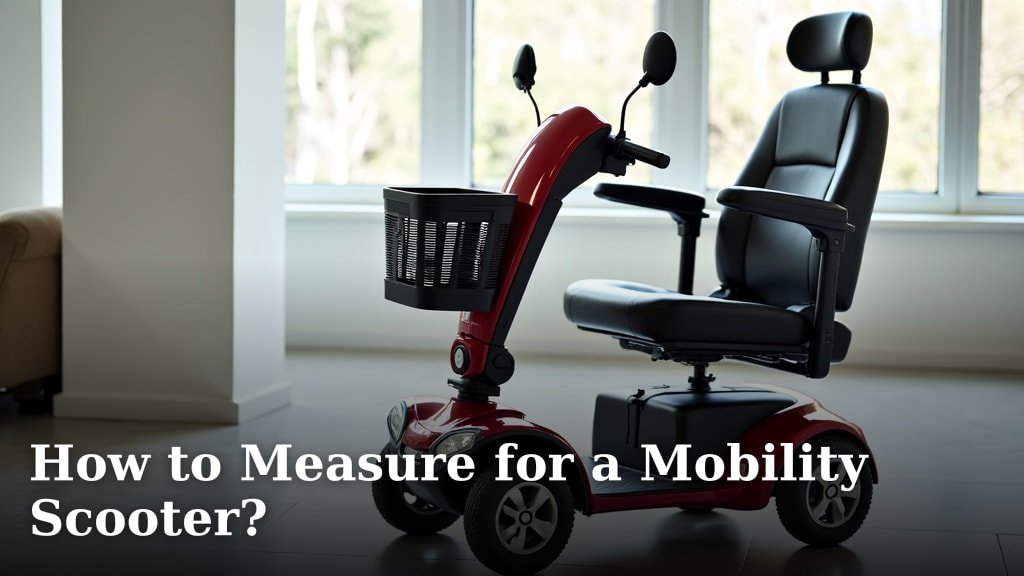
For more options by intended use, compare mobility scooters for seniors and 3-wheel mobility scooters. Measure doorways and turning areas at home before you buy; the guide to measuring for a mobility scooter explains what to check.
What should you check before operating a mobility scooter?
Before operating a mobility scooter, check the battery, tires, seat, tiller, and controls. Follow the manual for model-specific checks, and look for obvious damage before switching on.
Make sure the seat is secure and the tiller is within comfortable reach. You should be able to use the controls without leaning far forward or twisting your shoulders.
If the position feels cramped, stop and adjust it before moving.
Confirm that the path is clear of people, pets, loose items, and obstacles. Keep bags, scarves, and loose clothing away from the wheels and controls.
Check that the scooter is in drive mode, not freewheel mode, and that the battery has enough charge for the trip.
How do you set up and start a mobility scooter?
Start on a clear, level surface with the scooter in drive mode and the seat secure. Sit down, place your feet as the manual directs, and turn on the power using the model's instructions.
Set a low speed if the scooter allows it. Before moving, identify how to stop and how the drive control returns to neutral.
These details vary, so don't rely on a control layout you've seen on another scooter. For Pride Go-Go models, see Pride Go-Go scooter troubleshooting.
Use a short, gentle input to move forward, then release the control and pause. Repeat until you can start and stop without rushing.
Keep both hands in a comfortable position and look ahead instead of watching the tiller.
How do you steer, turn, and stop safely?
Turn the tiller gradually, leave room for the scooter's full turning path, and slow down before a corner. Practice wide turns in an open area before trying narrow doorways or crowded spaces.
The wheels may follow a path that is wider than the tiller's movement suggests. Watch the front and sides for furniture, doorframes, people, and curbs.
If the route is too narrow, stop and choose another way through rather than forcing a turn.
To stop, release the drive control and use the brake as your manual directs. Practice at low speed until you know how much room your scooter needs.
Keep a gap from people and objects because the scooter may not stop instantly.
Avoid sharp turns on slopes or uneven ground. If a Golden Technologies scooter has a problem, consult Golden scooter troubleshooting and fixes.
If the scooter feels unstable, or the brake does not respond as expected, stop in a safe place and arrange a check before riding again.
Don't use the power switch as your normal way to stop unless the manual tells you to.
How do you reverse without hitting anything?
Stop first, check all around you, and then use reverse gently while looking in the direction of travel. Reverse only a short distance, then stop as soon as you have enough room to continue forward.
Check behind the scooter for people, pets, curbs, and furniture. If your view is blocked, ask someone to guide you or move forward to a clearer spot.
Stop if you lose sight of the area behind you.
Reverse controls and speed vary by model, so follow the manual. If the scooter won't move backward, don't force the control; see why a mobility scooter may not go in reverse.
What is freewheel mode, and when should you use it?
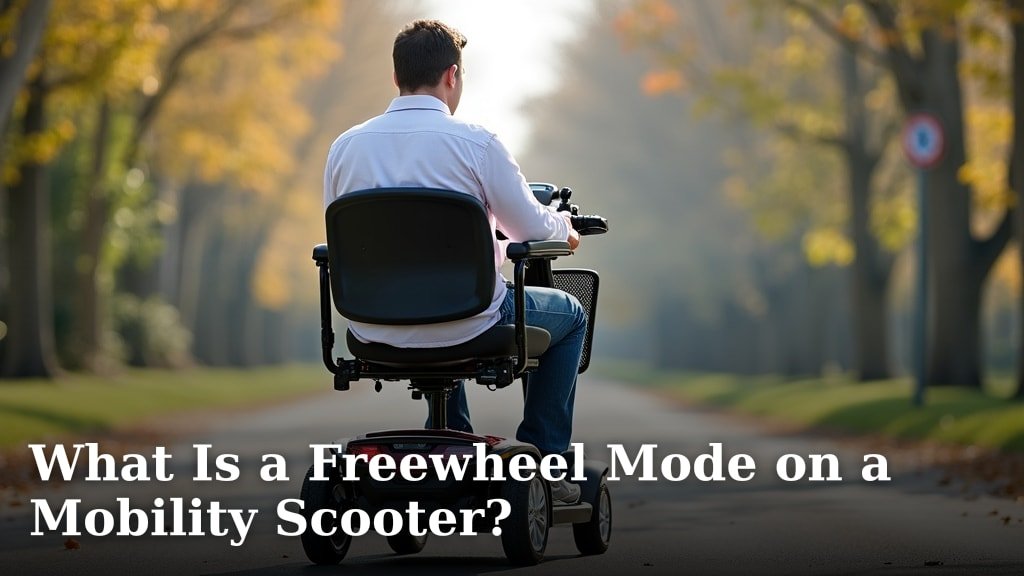
Freewheel mode lets a scooter move manually and is not for powered riding. It disengages the drive, so the scooter may roll more freely.
Use the mode only as your manual allows, on a controlled surface where you can manage the scooter. Before riding, switch back to drive mode and confirm it is engaged.
Never assume the switch position from memory if you are unsure.
Learn the correct procedure in the guide to freewheel mode. Don't push a scooter on a slope in freewheel mode unless the manual explains how to do so safely.
How should you practice before riding in public?
Practice in an open, familiar area until you can start, steer, stop, and reverse calmly. A companion can stay nearby if you want help, especially while learning how the scooter responds.
Begin with short straight movements, then try wide turns and controlled stops. Next, practice approaching a table or passing through a wide doorway.
Leave room for the scooter's length and turning path, and stop to reset if you feel rushed.
Increase the difficulty gradually. Wait to ride on slopes, near traffic, or over rough ground until you understand the scooter's limits and can control it comfortably.
Choose familiar routes first, and check for obstacles or surface changes before setting out.
Common mistakes include starting at full speed, turning sharply, reversing without looking, and riding with the scooter in freewheel mode. Another is carrying a bag where it can snag a control or block your view.
Slow down, pause when uncertain, and follow the manual if a control works differently than expected.
Is a knee scooter operated the same way?
No. A knee scooter is a different mobility aid and does not operate like a powered mobility scooter.
The rider steers and moves it, and its intended use and instructions are different.
The KneeRover Original has 12 in pneumatic tires, a knee platform, and adjustable handlebars. It is intended for people recovering from foot, ankle, or lower-leg injury or surgery, and for below-knee amputees.
Its stated rider height range is 5 ft 6 in to 6 ft 5 in.
Choose it only if a knee scooter fits your mobility needs and you can use it as directed. Skip it if you need a powered ride or cannot safely balance and propel a knee walker.
It is not a shortcut to learning powered scooter controls.
How do you care for a scooter and handle battery issues?
Keep the scooter clean and check its condition as the manual directs. Charge the battery using the specified charger and routine, and don't ride if a tire, control, or brake seems damaged.
If the scooter jerks, won't stop, or does not respond to a control, stop in a safe place. Check simple items only when the manual allows, such as whether the scooter is in drive mode and whether the battery is charged.
Don't open electrical parts or bypass a safety feature.
The ExpertPower EXP1270 is a rechargeable 12 V, 7 Ah sealed lead-acid battery for equipment that requires a compatible battery. Its terminals and dimensions must match the scooter's requirements.
This battery may not suit your scooter. Confirm the required battery type, terminals, size, and replacement procedure with the manual or a qualified service provider.
Never assume that a battery is compatible because its voltage looks similar.
How do you park a mobility scooter safely?
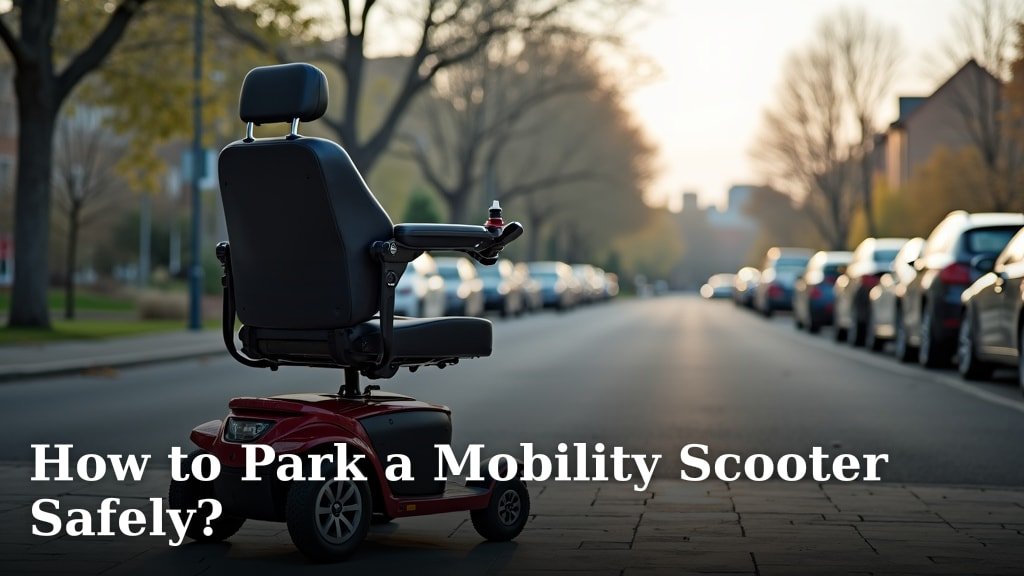
Park on a level spot clear of traffic and pedestrian paths, then switch the scooter off as directed. Leave doorways, ramps, and access routes open.
Use the parking procedure in your manual, especially on a slope or when storing the scooter. Don't leave it where it can roll or block a path.
For a step-by-step checklist, read how to park a mobility scooter safely.
How to operate a mobility scooter: what should you choose?
Choose a scooter you can sit on comfortably, control safely, and use on your regular routes. The Rascal Venture suits a rider who wants a 4-wheel portable model and can manage its separate pieces, while the KneeRover is for a different need: knee-walker use after certain lower-leg injuries or for below-knee amputees.
A replacement battery is a fit-specific part, not a way to solve every power problem. Confirm compatibility before buying one, and ask for qualified service when a control or brake behaves unexpectedly.
For safe operation, start slowly, steer with room, stop with distance, and reverse only after checking behind you. Practice in a clear area, keep the manual close, and follow it whenever the scooter or conditions are unfamiliar.
Frequently asked questions
How do you operate a mobility scooter for the first time?
Read the manual, check that the scooter is ready to ride, and practice in a clear, level area. Sit upright, set a low speed if available, and gently use the forward control.
Practice turning, stopping, and reversing before riding around other people.
How do you reverse a mobility scooter?
Stop fully, check behind and around the scooter, and use the reverse control gently while looking in the direction of travel. Reverse only as far as needed, then stop and return to forward travel.
Follow your model's manual because controls and reverse speed vary.
Should a mobility scooter be in freewheel mode while riding?
No. Freewheel mode disengages the drive so the scooter can be moved manually, and it is not for powered riding.
Use the exact procedure in your manual to switch modes, and confirm the drive is engaged before using the throttle.
What should you check before riding a mobility scooter?
Check the battery, tires, seat, tiller, controls, and brakes according to the manual. Make sure the route is clear, the scooter is in drive mode, and you can reach the controls comfortably.
If a control or brake behaves unexpectedly, stop and get help before riding.