
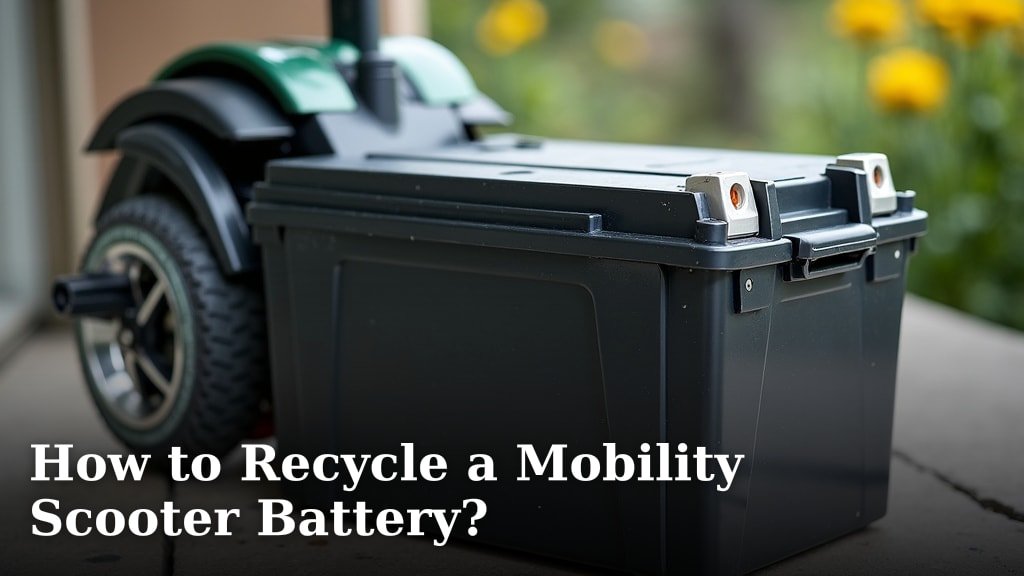
Yes, you can absolutely recycle your mobility scooter battery, and it’s a really important step to take. Many battery recycling centers and even some mobility scooter retailers offer programs for properly disposing of these batteries, preventing them from harming the environment. Don’t just toss it in the trash; there’s a better way!
Mobility scooter batteries are typically sealed lead-acid batteries, which contain materials that can be harmful if not handled correctly. Recycling ensures these materials are safely processed and reused, which is a win-win for you and the planet. It’s a responsible choice for all scooter owners.
- Find a certified recycling center near you.
- Check with your scooter manufacturer or retailer for drop-off options.
- Lead-acid batteries can be reprocessed.
- Never put them in regular household trash.
Ready to do the right thing with your old battery? Let’s walk through exactly how to get it recycled step by step.
Responsibly Disposing of Your Mobility Scooter Battery
So, your mobility scooter battery has seen better days. It’s time for a replacement, and you’re wondering what to do with the old one. You’ve come to the right place! We’ll guide you through the simple steps to recycle your mobility scooter battery safely and responsibly. It’s not as complicated as you might think. If you’re unsure about its condition, learn how to test a mobility scooter battery.
Your mobility scooter battery is a type of sealed lead-acid battery. These batteries contain materials like lead and acid. While essential for powering your scooter, these components can be quite harmful to the environment if they end up in a landfill. Recycling is the best way to handle this.
Why Recycling Your Battery Matters
Think of it this way: your battery is like a little power-packed unit. When it’s no longer strong enough to keep you moving, it still holds valuable materials. Recycling allows these materials to be recovered and reused. This process reduces the need to mine for new raw materials, which is a big win for our planet.
Landfills are already overflowing. Improperly discarded batteries can leak lead and sulfuric acid into the soil and water. This can pollute our natural resources and potentially harm wildlife. Recycling keeps these hazardous materials out of our environment. It’s a small action with a big positive impact.
Understanding Your Mobility Scooter Battery
Most mobility scooters use what are called deep-cycle batteries. These are designed to provide a steady amount of power for longer periods. They are also typically sealed, meaning you won’t see loose acid like in older car batteries. This sealing makes them safer to handle, but it doesn’t remove the need for proper disposal.
These batteries are often rated in amp-hours (Ah) and voltage (V). You might see designations like 12V or 24V, depending on how many batteries are used in your scooter. Knowing this isn’t essential for recycling, but it helps you understand what kind of battery you’re dealing with. The key takeaway is that they are lead-acid technology.
What’s Inside a Lead-Acid Battery?
A lead-acid battery has a few main components. It contains lead plates (both lead dioxide and spongy lead). These are submerged in an electrolyte solution, which is usually sulfuric acid diluted in water. The battery casing is typically made of sturdy plastic. These materials can all be recycled.
The lead itself is highly recyclable. In fact, lead-acid batteries have one of the highest recycling rates of any product in the United States. Research indicates that over 99% of the lead from used batteries is recovered (Environmental Protection Agency). That’s pretty impressive!
Finding a Recycling Location: Your First Step
The absolute best first step is to find a certified recycling center or a facility that accepts batteries for recycling. You wouldn’t just throw away an old TV, right? Your battery deserves the same considerate treatment.
Several types of locations typically accept mobility scooter batteries. These include:
- Battery recyclers: Specialized companies that focus on battery recycling.
- Scrap metal yards: Some yards accept lead-acid batteries.
- Retailers: Certain electronics stores or auto parts stores that sell batteries might have take-back programs.
- Local hazardous waste disposal sites: Your town or county might have specific collection days or permanent drop-off locations for hazardous waste, which often includes batteries.
How to Locate a Recycling Center Near You
There are a few easy ways to find these spots. Start with a quick online search. Use terms like “battery recycling near me” or “mobility scooter battery disposal.” You can also check the websites of battery manufacturers or national recycling organizations.
Many local government websites have environmental or waste management sections. These pages often list approved disposal sites for various items, including batteries. Don’t hesitate to call ahead to confirm they accept mobility scooter batteries and to check their hours. This saves you a wasted trip.
Your Mobility Scooter Retailer: A Great Resource
Your mobility scooter dealer or the manufacturer is often your most convenient option. They sell these batteries and understand the importance of proper disposal. Many retailers have established recycling programs or partnerships.
When you purchase a new battery, ask the retailer if they offer a battery take-back service. Some might offer it for free, while others may charge a small fee to cover recycling costs. This is often the easiest route, as they are already handling battery logistics.
What to Ask Your Retailer
When you’re talking to your dealer, ask specific questions. For example:
- “Do you accept old mobility scooter batteries for recycling?”
- “Is there a fee for this service?”
- “What types of batteries do you accept?”
- “Can I drop off a battery even if I didn’t buy the new one from you?”
Getting clear answers upfront will make the process much smoother. They can often guide you on the best way to bring the battery in.
Preparing Your Battery for Transport
Safety first! While sealed lead-acid batteries are less prone to leaking, it’s still wise to take a few precautions. You want to avoid short circuits and any potential spills.
Here’s a simple checklist for preparing your battery:
- Clean the terminals: Make sure the battery terminals are clean and free of corrosion.
- Bag it up: Place the battery in a heavy-duty plastic bag. If you have two batteries, bag them separately.
- Prevent shorts: Cover the terminals with non-conductive tape (like electrical tape) to prevent them from touching metal objects.
- Secure it: Transport the battery in a way that it won’t tip over or get damaged.
Handling and Transporting Safely
Mobility scooter batteries can be heavy. If you can, get someone to help you lift and move them. Always lift with your legs, not your back! Once secured in your vehicle, make sure it won’t slide around.
If there’s any sign of damage, like a cracked casing, handle it with extra care. Use gloves and the plastic bag. If you’re unsure, contact the recycling facility for specific instructions on handling damaged batteries. They are equipped to deal with various situations.
The Recycling Process: What Happens Next?
Once you drop off your battery, it goes on a journey of renewal. The recycling facility will sort it and prepare it for processing. This is where the magic of recycling really happens.
The battery is typically broken down. The plastic casing is separated and can be melted down to create new plastic products. The lead components are recovered. This lead can be smelted and purified. It’s then used to make new batteries or other lead products. The electrolyte (acid) is also neutralized and treated so it can be disposed of safely or sometimes even reused.
Environmental Benefits of Recycling Lead-Acid Batteries
Recycling lead-acid batteries has significant environmental advantages. It conserves natural resources because we don’t need to mine as much lead. It also reduces air and water pollution associated with mining and manufacturing new lead products.
Consider this: recycling one ton of lead-acid batteries saves approximately 200,000 liters of water. It also reduces greenhouse gas emissions by a considerable amount. Many experts agree that the lead-acid battery recycling infrastructure is one of the most successful examples of circular economy principles in action (Battery Council International).
What If You Can’t Find a Recycling Center?
If you’ve tried the above steps and are still having trouble finding a place to recycle your battery, don’t give up! There are a few more avenues to explore.
You can contact your local municipality’s waste management department directly. They often have resources or can direct you to a local program. Sometimes, community groups or environmental organizations host special collection events. Keep an eye out for local announcements about these.
Alternatives and Last Resorts
While not ideal, some auto parts stores that sell car batteries also accept other types of lead-acid batteries for recycling. It’s always worth a call to them. If all else fails, and you’re in a remote area, ask your mobility scooter repair service. They may have options or be able to consolidate batteries for a trip to a recycling facility.
Never, ever put a mobility scooter battery in your regular trash or curbside recycling bin. This is the most important rule. These batteries need special handling, and throwing them away improperly can have serious consequences for the environment and potentially your health. Your efforts to recycle make a real difference!
Conclusion
You’ve learned that recycling your mobility scooter battery is a vital step. It protects our environment from harmful lead and acid. By choosing to recycle, you’re helping to recover valuable materials and reduce the need for new mining. Remember to never toss these batteries in your regular trash.
Your next step is simple: find a local battery recycler or ask your mobility scooter retailer about their take-back program. Doing so ensures your old battery is handled responsibly. It’s a small effort with a huge positive impact for our planet.
Frequently Asked Questions
Can I just throw my old mobility scooter battery in the trash?
No, you should absolutely never throw a mobility scooter battery in your household trash or curbside recycling bin. These batteries contain hazardous materials like lead and acid that can pollute the environment if they end up in a landfill. They require special recycling procedures.
Where is the best place to find a mobility scooter battery recycler?
Your best bet is often your mobility scooter retailer or manufacturer, as they may have a take-back program. Alternatively, you can search online for “battery recyclers near me” or check with local hazardous waste disposal sites. Some auto parts stores also accept lead-acid batteries.
How should I prepare my mobility scooter battery for recycling?
Before taking your battery for recycling, clean the terminals and cover them with non-conductive tape like electrical tape to prevent short circuits. Place the battery in a heavy-duty plastic bag for added protection. Ensure it’s secured to prevent movement during transport.
Are mobility scooter batteries difficult to transport for recycling?
Mobility scooter batteries can be quite heavy, so it’s wise to get help when lifting them. Transport them upright and secured in your vehicle so they don’t tip over or get damaged. If the battery casing looks cracked, handle it with extra caution and consider wearing gloves.
What happens to the battery once it’s recycled?
Recycling facilities break down the battery. The plastic casing is recovered for new plastic products. The lead components are melted down and purified to be used in new batteries or other items. The acid electrolyte is neutralized and treated for safe disposal or potential reuse.
