
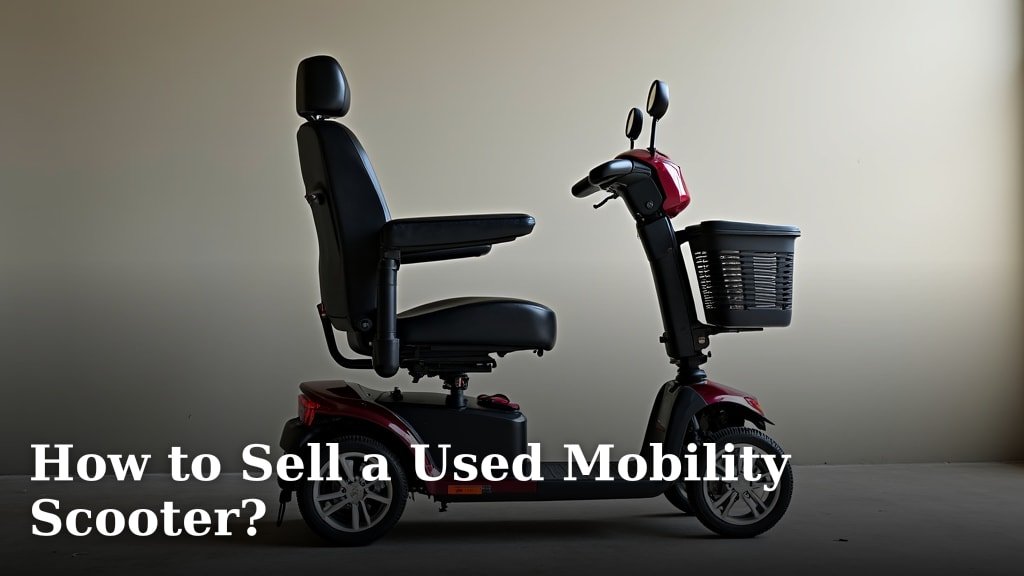
The easiest way to sell a used mobility scooter is to clean it thoroughly, research its market value, and then list it on specialized online marketplaces or local classifieds. Taking good photos and writing a clear description helps a lot.
Selling your mobility scooter means finding the right buyer who needs it. You want to get a fair price and make the process easy for everyone. We know you might feel a little overwhelmed, but it’s actually pretty straightforward when you know the steps.
- Prepare your scooter.
- Find its value.
- Choose a selling platform.
- Make your listing shine.
- Negotiate and finalize the sale.
Let’s walk through exactly how this works, step by step, so you can confidently sell your used mobility scooter.
Getting Your Mobility Scooter Ready for Sale
First things first, a well-prepared scooter sells faster and for more money. Think of it like detailing a car before you trade it in. A little effort here goes a long way to making your scooter look appealing to potential buyers. We’ve found that a clean scooter simply looks better in photos and creates a better first impression.
Cleanliness is Key
Start with a thorough cleaning. Wipe down all surfaces. Use appropriate cleaning solutions for different materials, like plastic, vinyl, and metal. A simple all-purpose cleaner usually works wonders. Don’t forget the crevices!
Deep Cleaning Steps
- Wipe down all handlebars, armrests, and seating with a mild disinfectant.
- Clean wheels and tires. Remove any hair or debris wrapped around the axles.
- Check underneath the scooter for dirt, dust, or hidden grime.
- Shine any chrome or metallic parts.
- Vacuum or brush off any fabric parts to remove crumbs or dirt.
Make sure it smells fresh too. A clean scent can subtly boost a buyer’s confidence. You want your scooter to appear well-maintained and ready for immediate use.
Perform a Basic Check-Up
Once it’s sparkling clean, give your scooter a quick once-over. Are all the nuts and bolts tight? Do the lights work? A quick inspection can prevent surprises.
What to Look For
- Test the battery integrity: Make sure it charges fully and holds a charge. A weak battery can deter buyers.
- Check all lights: Headlights, tail lights, and turn signals should all function.
- Brake functionality: Do they engage smoothly and stop the scooter effectively?
- Tire pressure and wear: Are the tires in good condition? Are they properly inflated?
- Any unusual noises or wobbles? Address minor issues if you can.
Be honest about any minor flaws. It’s better to disclose them upfront than to have a buyer feel misled later. We’ve seen that transparency builds trust.
Figuring Out Your Scooter’s Value
Now that your scooter is looking its best, how much should you ask for it? Setting the right price is critical. Too high, and it won’t sell; too low, and you’re leaving money on the table. This step requires a little bit of research.
Research Similar Models Online
Start by looking at what similar scooters are selling for. Check various platforms. You’re looking for scooters that match yours in make, model, age, and condition. Pay attention to how long they’ve been listed.
Where to Search
- eBay and other online auction sites.
- Dedicated mobility equipment marketplaces.
- Local classifieds and online forums.
- Used medical supply stores (sometimes list prices online).
Make a note of the asking prices. Also, try to find out what similar scooters actually sold for. This gives you a more realistic market value. Remember that “asking price” isn’t always “selling price.”
Consider Key Value Factors
Several things affect your scooter’s price. Think about how these apply to your specific model. What makes your scooter stand out? Or what might pull its value down?
Factors Influencing Price
- Age and mileage: Newer scooters with less use will command higher prices.
- Brand reputation: Well-known, reliable brands often fetch more.
- Condition: Excellent condition always means a higher value.
- Features and accessories: Any special features or included accessories add value.
- Original purchase price: This provides a baseline for depreciation.
- Battery life: A new or strong battery is a big plus.
Be realistic about your scooter’s condition. While it might be perfect to you, an objective look helps. We’ve found that sellers who are upfront about cosmetic flaws often have more successful transactions.
How to Price Your Scooter
Based on your research, set a competitive price. You might want to start a little higher than your minimum acceptable price to allow for negotiation. However, don’t overprice it too much, or you might scare off buyers.
A good rule of thumb is to look at 60-70% of the original retail price for a scooter in good condition that’s a few years old. This can vary greatly, of course. For example, a heavy-duty scooter might retain more value than a travel scooter due to its robust design (Cleveland Clinic).
Deciding Where to Sell Your Mobility Scooter
You’ve cleaned it and priced it. Now, where do you list it? You have several choices, each with pros and cons. Choosing the right platform can connect you with the right buyer quickly.
Online Marketplaces
Online sites reach a wide audience, increasing your chances of finding a buyer. They are often the most popular option for selling used items.
Popular Online Platforms
- Specialized Mobility Equipment Sites: These are great because buyers are specifically looking for what you’re selling. Examples include sites like Mobility Scooters Direct or SpinLife (check their used sections).
- General Classifieds (e.g., Craigslist, Facebook Marketplace): These offer local selling opportunities. You can arrange for local pick-up, avoiding shipping headaches.
- eBay: Good for both local pick-up and potential shipping options, reaching a national or even international audience.
Each platform has its own fees, security features, and audience. Consider which one feels most comfortable for you. We often hear sellers find success with Facebook Marketplace due to its local focus and ease of use.
Local Selling Options
Sometimes, selling locally is easier. You can meet the buyer in person, they can test the scooter, and you avoid shipping costs entirely.
Community and Store Options
- Local Senior Centers or Community Boards: Many have bulletin boards where you can post a flyer.
- Medical Supply Stores: Some stores buy used equipment or offer consignment services. Call and ask!
- Word of Mouth: Tell friends, family, and neighbors. Someone you know might know someone who needs a scooter.
Selling locally generally involves less hassle. However, your buyer pool might be smaller. Always prioritize your safety when meeting strangers for transactions (Federal Trade Commission).

Crafting an Irresistible Listing
Once you pick your selling platform, it’s time to create your listing. This is your chance to shine and attract potential buyers. Think of it as painting a picture with words and images.
Take Excellent Photos
Good photos are non-negotiable. They are the first thing buyers see. Blurry, dark photos will get scrolled past—guaranteed. People buy with their eyes first.
Photography Tips
- Use good lighting: Natural daylight is best. Avoid harsh shadows.
- Clean background: A plain wall or outdoor setting works well. Remove clutter.
- Multiple angles: Show the front, back, sides, seat, handlebars, and any specific features.
- Highlight features: Take close-ups of the control panel, tires, and comfort features.
- Show any flaws: Be honest, but make sure the good parts shine too.
Aim for 6-8 clear photos from different angles. One photo showing someone sitting on it (if comfortable) can also help buyers visualize themselves using it.
Write a Clear, Detailed Description
Your description provides all the practical information. Be honest, accurate, and appealing. What would you want to know if you were buying it?
Key Information to Include
- Make and model: Be precise.
- Year purchased: If you know it.
- Condition: Describe it honestly (e.g., “excellent,” “good,” “fair”).
- Battery life/age: A strong selling point.
- Features: Turning radius, weight capacity, top speed, range per charge, portability, lights, horn.
- Any flaws: A small scratch, a loose armrest.
- Price: Your asking price, and if it’s negotiable.
- Reason for selling: Briefly explain (e.g., “upgraded,” “no longer needed”).
- Contact information: How buyers can reach you.
Use bullet points for easy reading. Highlight key features in bold. A well-written description helps set buyer expectations and answers common questions upfront.
Handling Inquiries and Finalizing the Sale
Once your listing is live, prepare for questions. How you handle these interactions can make or break the sale. Be polite, responsive, and clear.
Respond Promptly and Politely
Buyers appreciate quick responses. Try to answer messages or calls within a few hours. Be ready to give more details about the scooter if asked.
During Communication
- Answer questions directly and honestly.
- Be prepared to provide additional photos or videos if requested.
- Arrange a safe meeting place if selling locally (public place, or with a friend).
- Don’t be afraid to politely decline unreasonable offers.
Always trust your gut. If something feels off with a potential buyer, it’s okay to walk away. Your safety and comfort come first (AARP).
Negotiation and Payment
Most buyers expect to negotiate a little. Be prepared to haggle a bit. Have your lowest acceptable price in mind beforehand.
Payment and Exchange Checklist
- Discuss payment methods: Cash for local sales is often preferred for immediate exchange and security. For online, secure electronic payment methods work. Avoid personal checks or wiring money.
- Final inspection: Allow the buyer to test the scooter and inspect it before purchase.
- Create a bill of sale: This protects both you and the buyer. Include details like the scooter’s make/model, serial number, sale price, and date of sale. Both parties should sign.
- Transfer accessories: Make sure any included accessories (charger, basket) are given to the buyer.
Once the payment is clear and the scooter is handed over, the sale is complete. Congratulations! You’ve successfully sold your used mobility scooter.
Conclusion
Selling your used mobility scooter doesn’t have to be a chore. By putting in a little effort to clean and prepare your scooter, you make it more appealing. Taking the time to research its true value ensures you get a fair price. Choosing the right selling platform and creating a clear, honest listing helps you connect with the perfect buyer. Finally, transparent communication and careful negotiation lead to a smooth transaction.
You’re now ready to move forward with selling your mobility scooter confidently. Start by giving it that much-needed sparkle!
Frequently Asked Questions
How long does it typically take to sell a used mobility scooter?
The time it takes to sell can vary widely. It depends on factors like your pricing, the scooter’s condition, and the demand in your area. We’ve seen scooters sell in a few days or take several weeks. Being responsive to inquiries can speed up the process.
Is it better to sell a mobility scooter privately or through a dealer?
Selling privately usually means you can ask for a higher price as there’s no middleman fee. However, a dealer might offer a quicker sale with less effort on your part, though you’ll likely receive less money. We’ve found most people prefer private sales for better returns.
Should I get my scooter serviced before selling it?
While not always necessary for minor issues, a recent service can be a great selling point. It assures buyers the scooter is in good working order and helps justify your asking price. If you have a service record, definitely highlight it.
What should I do if a buyer wants to test drive the scooter?
Allowing a test drive is reasonable. Make sure you meet in a safe, open area. Clarify any liability beforehand, and always supervise the test drive. You want both parties to feel secure during this step.
What paperwork do I need when selling a used mobility scooter?
It’s smart to create a basic bill of sale. This document should include the scooter’s make, model, serial number, sale price, and date. Both you and the buyer should sign it. This protects both parties in case of any future concerns.
