Patient Lift vs Hoyer Lift: Is There a Difference?
A Hoyer lift is a patient lift made by Joerns Healthcare; patient lift is the broader category. For patient lift vs Hoyer lift decisions, compare the exact model, power, capacity, sling fit, and home layout.
On this page (8 sections)
- Is a Hoyer lift the same as a patient lift?
- What does a patient lift do?
- How do electric and hydraulic patient lifts differ?
- Does every patient lift use the same sling?
- How should you choose between a patient lift and a Hoyer lift?
- What setup and care steps help prevent mistakes?
- Are patient lifts the same as mobility scooter lifts?
- Patient lift vs Hoyer lift: which should you choose?
A Hoyer lift is a patient lift made by Joerns Healthcare; patient lift is the general term for equipment that helps move a person between surfaces. For patient lift vs Hoyer lift decisions, the useful comparison is between specific models, their power and capacity, sling compatibility, and the space where transfers will happen.
That distinction matters when comparing equipment, arranging service, or choosing a sling. Start with the manufacturer and model, then confirm that the lift and transfer plan fit the person and caregiver.
Is a Hoyer lift the same as a patient lift?
A Hoyer lift is one brand of patient lift, not a separate type of equipment. Hoyer is a brand used by Joerns Healthcare, while patient lift describes the broader category of transfer devices.
Patient lifts can be electric or hydraulic, portable or designed to stay in one place. People may also use “Hoyer” informally for a floor lift from another brand, so the name alone does not identify how a particular model works.
For a wider look at equipment for everyday support, see our guide to mobility aids for seniors. For a lift decision, compare the model and its instructions rather than relying on the name someone uses.
What does a patient lift do?
A patient lift helps move someone between surfaces when a standing or pivot transfer isn't suitable. Depending on the lift and sling, transfers may be between a bed, chair, commode, shower seat, or lift chair.
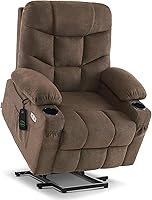
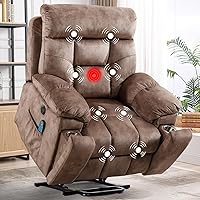
A powered recliner that helps someone stand serves a different purpose; see basic lift chair options.
A floor lift has a wheeled base and a boom that holds a sling. The caregiver positions the lift and operates its lifting mechanism according to the instructions.
A lift is only one part of a safe transfer. The person’s needs, room layout, caregiver training, sling fit, and equipment instructions all matter.
Does the word Hoyer mean the lift is electric?
No. The Hoyer name alone doesn't tell you how a lift is powered.
Check the specific model for a battery-powered motor or manual hydraulic pump.
The Joerns Hoyer Advance is a foldable, battery-powered lift with a 340 lb capacity. Its pedal adjusts the leg width, and it is designed to work with numerous slings.
The Invacare 9805P is a manual hydraulic patient lift with a stated 450 lb capacity. Its base adjusts from 22 to 62 in wide, and its lifting range is 20 to 64 in.
These examples show why “patient lift” is a useful category term, while the brand and model provide more specific buying information. Check capacity and operating method before planning a transfer.
How do electric and hydraulic patient lifts differ?
Electric lifts raise and lower with powered controls, while hydraulic lifts use a manual pump. The controls and operating steps vary by model.
An electric lift may suit a household that wants powered lifting and needs a model that can be moved or stored. The Hoyer Advance folds without tools for transport or storage and weighs about 70 lb.
A hydraulic lift may suit a caregiver who prefers a manual pump and a model without battery-powered lifting. The Invacare 9805P has a rotating pump handle that can be operated from either side.
Choose based on the caregiver who will operate the lift, the transfer routine, and the available space. Neither power type is automatically easier or safer for every person and home.
Which lift works in a home with narrow doorways?
Measure the route and transfer area, then compare them with the lift’s base dimensions and adjustment range. The lift needs room to approach the person and position its legs around a bed, chair, or wheelchair.
The Invacare 9805P base closes to 22 in wide and opens to 62 in. The Hoyer Advance has a pedal to adjust leg width, so measure each doorway and furniture gap along the route before choosing.
A doorway measurement is only part of the fit check. Consider turning room, floor surfaces, furniture placement, and whether the caregiver can push and position the lift.
Does every patient lift use the same sling?
No. Sling compatibility depends on the lift, attachment points, and sling design.
Confirm that the exact sling works with the exact lift before using them together.
Slings differ in material, shape, support, and intended transfer. A mesh sling may suit a showering setup, while another design may be intended for a different transfer or positioning need.
The Vive Patient Lift Sling is a water-resistant mesh transfer sling with four sling points for use with most floor lift models. It also has three handles underneath for repositioning, and the mesh is machine washable.
“Most” does not mean every model. Follow the lift and sling instructions, confirm the attachment method, and check that the sling’s size and design suit the person and transfer.
See patient lift sling types for a closer look at sling styles and what to consider.
How should you choose between a patient lift and a Hoyer lift?
Choose by the person’s transfer needs and the model’s fit, not by whether its name includes Hoyer. A brand name does not confirm that a lift suits the caregiver, home, or sling.
Use this checklist before buying:
- Transfer needs: Identify the surfaces involved, such as bed to chair or chair to commode. Confirm the model is designed for those transfers.
- Capacity: Check the lift’s stated capacity against the person’s needs.
- Power and caregiver: Choose electric or hydraulic operation based on who will use it and how the transfer will be managed.
- Sling: Confirm the sling’s fit, attachment points, and intended use with that model.
- Clearance: Measure doorways, furniture gaps, and turning space. Also consider where the lift will be stored.
- Setup and training: Ask a qualified clinician or equipment provider to demonstrate assembly, sling attachment, controls, and the planned transfer.
The Hoyer Advance may suit a home that needs a foldable, battery-powered lift with adjustable legs. Skip it if its capacity or footprint does not fit the person and home, or if the planned sling is not confirmed compatible.
The Invacare 9805P may suit a caregiver who wants a hydraulic lift with an adjustable base and a higher stated capacity than the Hoyer Advance. Skip it if manual pumping or its space needs do not suit the caregiver and transfer area.
A sling is an accessory, not a substitute for a compatible lift. The Vive mesh sling may suit a planned transfer where its material and attachment points fit the lift, but don't assume it works with every model.
If you’re comparing home options, our guide to the best patient lift for home use covers models and features to consider. For a portable option, see best portable lifts for patients.
Our guide to patient lift cost explains factors that can affect the buying decision.
What setup and care steps help prevent mistakes?
Set up the lift on the intended route and follow its instructions before attaching the sling or moving the person. A clinician or equipment provider can show caregivers the right sequence for the specific model and transfer.
Measure the route before delivery, then clear loose rugs and objects from the path. Check the lift’s base, controls or pump, and sling attachment points as directed in the manual.
Common mistakes include choosing by brand name alone, assuming a sling fits every lift, overlooking doorway clearance, and trying a transfer before caregivers know the controls. Pause if the sling shifts, the person is uncomfortable, or the lift does not move as expected, and get qualified guidance.
For care, follow the sling’s instructions; the Vive mesh sling is machine washable. Store the lift as its manual directs, especially if it folds or disassembles for storage.
Are patient lifts the same as mobility scooter lifts?
No. A patient lift moves a person between surfaces, while a mobility scooter lift carries a scooter.
The similar wording can cause confusion, so check what the equipment is designed to lift.
A mobility scooter lift is fitted to a vehicle or used in another transport setup. It does not replace a patient transfer lift or sling.
If you’re shopping for scooter equipment, see our guide to the Best Mobility Scooter Lift. A scooter’s weight capacity is a separate question from a patient lift’s capacity; our guide to the Best Mobility Scooter For Bariatric Patients covers scooter selection.
Patient lift vs Hoyer lift: which should you choose?
Treat Hoyer as a brand name and patient lift as the equipment category. Choose the specific lift that fits the transfer, caregiver, capacity, room layout, and confirmed sling compatibility.
Pick the Hoyer Advance if a foldable electric model suits the home and its 340 lb capacity is appropriate. Consider the Invacare hydraulic lift if its manual operation, adjustable base, and 450 lb capacity better match the caregiver and transfer space.
Before buying either, have a qualified clinician or equipment provider confirm the transfer plan and demonstrate the setup. Then check patient lift sling types to choose a compatible sling.
Frequently asked questions
Is every patient lift a Hoyer lift?
No. Patient lift is a general term for equipment used to help transfer a person, while Hoyer is a lift brand from Joerns Healthcare.
People sometimes use “Hoyer lift” informally for different brands, so check the manufacturer and model when comparing equipment.
Is a Hoyer lift electric or manual?
Hoyer is a brand name, so the lift type depends on the specific model. The Hoyer Advance is electric and battery powered, while other patient lifts may use hydraulic power.
Check the model’s instructions and controls before choosing it for home care.
Do patient lifts use the same sling?
No. Sling compatibility depends on the lift and the sling’s attachment points.
Confirm compatibility for the exact lift and sling, and make sure the sling size and style suit the person and planned transfer.
A sling for one transfer may not suit another.
Can one person use a patient lift alone?
Whether one caregiver can safely operate a lift depends on the person, transfer, equipment, and care plan. Follow the lift and sling instructions, and ask a trained clinician or equipment provider to demonstrate the setup and transfer before use.