
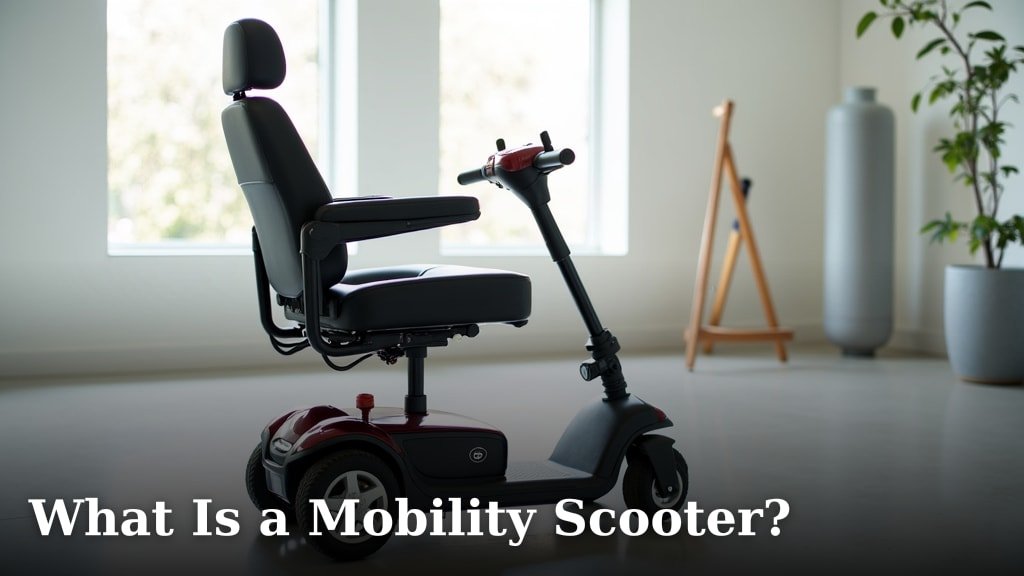
A mobility scooter is a type of electric vehicle designed to help people with mobility challenges get around more easily, offering a new sense of freedom and independence. These scooters provide a safe and comfortable way to travel, whether it’s for running errands or enjoying outdoor activities. Think of it as your personal, powered companion for moving through life with greater ease.
You might be wondering if a mobility scooter is right for you or a loved one. We found they are a fantastic solution for those who can walk a little but tire easily, or for individuals needing support over longer distances. They bridge the gap between walking independently and needing a wheelchair, giving you back control over your movement. We see many people rediscover their local community thanks to these devices.
- Mobility scooters boost independence.
- They help people with walking difficulties.
- Scooters come in various sizes and styles.
- They are electric vehicles for personal transport.
Ready to discover how a mobility scooter can enhance your daily life? We’ll break down what makes these devices so special and help you understand your best options.
Understanding Mobility Scooters
A mobility scooter is essentially a powered wheelchair but designed to look and function more like a traditional scooter. It provides individuals with limited mobility a practical way to maintain their freedom.
We found that these devices are particularly useful for those who can stand, walk a short distance, and manage upper body control for steering.
Who Benefits Most from a Mobility Scooter?
You might be wondering if a mobility scooter is the right fit for your situation. We’ve noticed they’re especially helpful for people who get tired easily when walking.
Perhaps you have conditions like arthritis, heart conditions, or breathing difficulties that make longer distances challenging. A scooter can be a game-changer for you.
- People with limited stamina or endurance.
- Individuals who experience joint pain or stiffness.
- Those recovering from injuries and need temporary assistance.
- Anyone seeking to maintain independence in daily activities.
Key Components of a Mobility Scooter
Let’s take a peek under the hood, so to speak. Understanding the basic parts helps you appreciate how these scooters work.
Every scooter has a few core components that make it go. Think of it like a mini electric car, but much simpler.
- Battery: This is the scooter’s heart, providing the power.
- Motor: It turns the battery’s energy into movement.
- Tiller: This is your steering column, often with controls for speed and direction.
- Seat: Designed for comfort during your travels.
- Wheels: Usually three or four, they help you get around smoothly.
Types of Mobility Scooters
Just like cars, mobility scooters come in different models, each suited for various needs. Your lifestyle will often guide your choice.
We’ve classified them into a few main categories to help you understand the differences. You’ll likely find one that perfectly matches your daily routine.
Travel Scooters
Think of travel scooters as the compact car of the mobility world. They are lightweight and often disassemble quickly.
These are perfect for taking on trips or short outings. You can usually break them down into smaller pieces that fit in a car trunk (National Institute on Aging).
When to Choose a Travel Scooter
If you need something to take to the grocery store or a doctor’s appointment, this is a great option. They are also easy to maneuver in tight spaces.
We found that many people who travel frequently or have limited storage space at home love these models.
Mid-Size Scooters
Mid-size scooters are a step up in power and comfort. They offer a good balance between portability and durability.
These scooters often have more robust batteries and more comfortable seating. They can handle slightly longer distances and varied terrain.
Ideal Uses for Mid-Size Scooters
If you plan to use your scooter for daily errands, trips to the park, or navigating sidewalks, a mid-size model could be ideal. They offer more stability than travel scooters.
They might not disassemble as easily, but they often have more features like better suspension and lighting systems.
Heavy-Duty Scooters
When you need serious power and range, heavy-duty scooters are your go-to. These are the SUVs of the scooter world.
They are built to carry higher weight capacities and tackle tougher outdoor conditions. You’ll often find bigger wheels and stronger motors on these.
Benefits of Heavy-Duty Scooters
We found these scooters are excellent for individuals needing to travel longer distances or over uneven outdoor terrain. If you live in an area with hills, this strength is a real plus.
They provide the most stable ride and often come with advanced features like full lighting packages and larger tires for better traction (Cleveland Clinic).
Mobility Scooter vs. Power Wheelchair
This is a common question we hear: what’s the difference? While both help with mobility, they serve slightly different needs.
Think of it this way: a scooter is for those who are more active and can manage some physical movement. A power wheelchair is for those needing more comprehensive support.
| Feature | Mobility Scooter | Power Wheelchair |
|---|---|---|
| Control | Tiller/handlebars | Joystick |
| Maneuverability | Wider turning radius, best for open spaces | Tight turning radius, good for indoors |
| Seating | More like a bicycle seat, less postural support | More ergonomic and customizable, greater support |
| Dismantling | Many models can be disassembled | Rarely disassembles, often foldable |
| User Suitability | Good upper body/trunk strength, can transfer independently | Limited upper body/trunk strength, needs greater support |
As you can see, the controls are a big differentiator. If you have good hand-eye coordination for a joystick, a power wheelchair might suit you better.
If you prefer the feel of steering with handlebars, then a scooter is often the preferred choice. It really boils down to your specific physical abilities and daily needs.
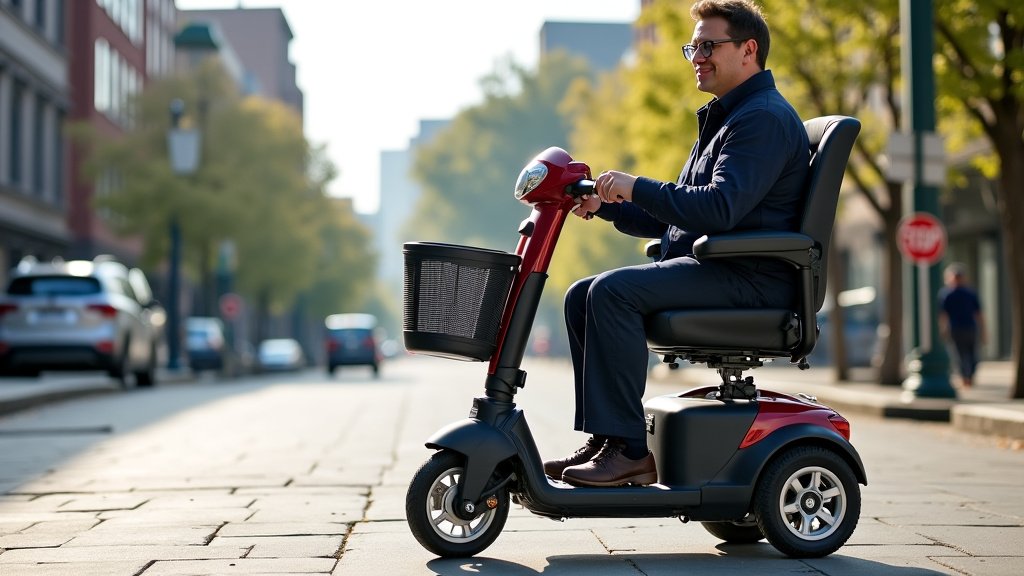
Choosing the Right Mobility Scooter for You
Selecting the perfect scooter isn’t a one-size-fits-all decision. It’s like finding the right pair of shoes; comfort and fit are key.
We encourage you to consider your daily routine, where you’ll be using it most, and your personal comfort.
Key Considerations for Your Purchase
Before you commit, ask yourself a few important questions. This helps narrow down the vast options available.
Taking a moment to reflect on these points can save you time and ensure you make a choice you’ll be happy with.
- Where will you use it? Indoors, outdoors, or both?
- How far do you need to travel? This impacts battery range.
- What’s your weight? Scooters have weight limits.
- Do you need to transport it? Consider portability and disassembly.
- What’s your budget? Prices vary widely based on features.
Important Features to Look For
Beyond the basics, certain features can greatly enhance your scooter experience. Think about what will make your life easier and more comfortable.
We’ve found that paying attention to these details can make a big difference in long-term satisfaction.
- Battery life and range: How far can it go on a single charge?
- Speed settings: Do you need variable speeds for different environments?
- Comfortable seating: Adjustable seats and armrests are a plus.
- Tires and suspension: Bigger tires and good suspension offer a smoother ride.
- Lighting and safety features: Headlights, taillights, and mirrors are important.
- Storage options: Baskets or bags can be very handy.
Operating and Maintaining Your Mobility Scooter
Getting familiar with your scooter’s controls is the first step to enjoying your newfound freedom. It’s often simpler than you think.
After a quick demonstration, most people adapt very quickly to driving a mobility scooter.
Learning the Controls
Most scooters have straightforward controls. You’ll typically find a key, a throttle lever, and perhaps a speed dial.
Practice in a safe, open area until you feel comfortable turning, stopping, and reversing. You’ll be zipping around in no time.
A quick checklist for getting started:
- Read your owner’s manual for specific instructions.
- Start at the slowest speed until comfortable.
- Practice turning in open spaces.
- Always check your surroundings before moving.
- Learn how to charge the battery properly.
Basic Maintenance Tips
Like any vehicle, a little regular care goes a long way in keeping your scooter running smoothly. It protects your investment.
We found that consistent, simple maintenance can significantly extend the life of your mobility scooter.
- Keep the battery charged: Follow manufacturer guidelines for charging cycles.
- Check tire pressure: Proper inflation ensures a smooth ride and better battery efficiency.
- Keep it clean: Wipe down surfaces regularly to prevent dirt buildup.
- Inspect for wear and tear: Look for loose screws, frayed wires, or damaged parts.
- Store properly: Keep it in a dry, cool place when not in use.
Many experts recommend scheduling occasional professional check-ups, especially if you notice any unusual noises or performance changes (Mayo Clinic).
Conclusion
You’ve now explored the world of mobility scooters, from their basic components to the specific types available. We’ve seen how they offer a genuine pathway to regaining independence and enjoying your community. Understanding the differences between travel, mid-size, and heavy-duty models helps you pinpoint what truly suits your lifestyle.
Remember, choosing the right scooter means considering your daily activities and personal needs. By focusing on essential features like battery life and comfort, you can make an informed decision. Taking this step can significantly enhance your quality of life.
Ready to experience greater freedom? Start by assessing your mobility needs and browsing models that fit your routine.
Frequently Asked Questions
Are mobility scooters difficult to learn to drive?
Not at all! We found that most mobility scooters are very intuitive to operate. They typically have simple controls like a throttle lever and often a speed dial, making them easy to adapt to after a short practice session.
Can mobility scooters be used indoors?
Yes, many mobility scooters are suitable for indoor use, especially travel and some mid-size models. We recommend checking the turning radius and size of the scooter to ensure it maneuvers easily within your home or indoor spaces.
How far can a mobility scooter travel on one charge?
The travel range varies significantly depending on the scooter type, battery size, and terrain. Travel scooters might offer 10-15 miles, while heavy-duty models can provide 25 miles or more. Always check the manufacturer’s specifications for an accurate range.
Do I need insurance for my mobility scooter?
While not legally required in most places in the US, we highly recommend considering insurance for your mobility scooter. It can protect you against theft, damage, or liability if an accident occurs, giving you peace of mind.
What is the typical lifespan of a mobility scooter?
With proper care and regular maintenance, a good quality mobility scooter can last anywhere from 5 to 10 years. We’ve seen that consistent battery charging, tire pressure checks, and occasional professional servicing are key to extending its lifespan.
