What Is an Anti-tip Wheel on a Mobility Scooter?
On this page (9 sections)
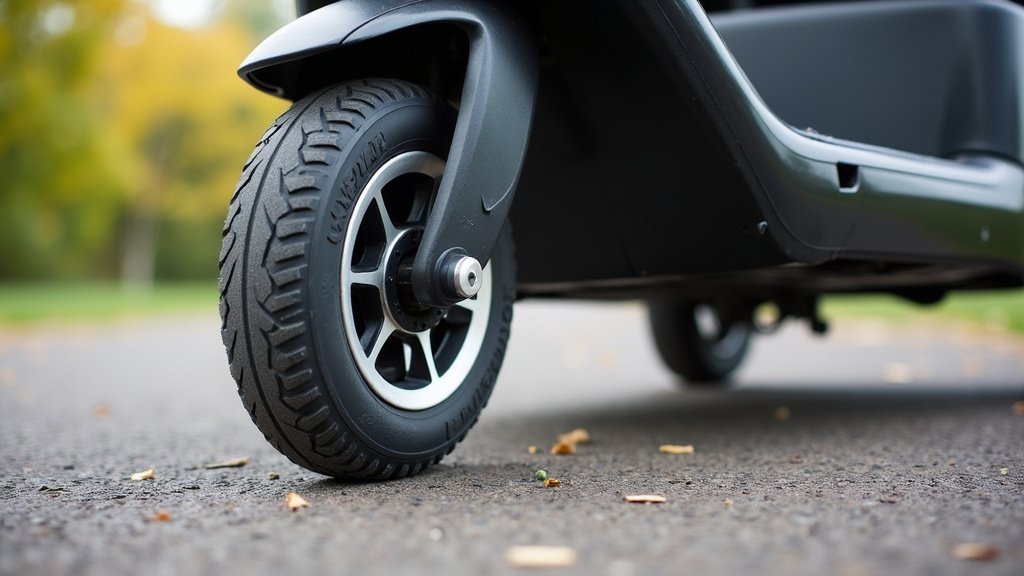
An anti-tip wheel on a mobility scooter is a small wheel, usually located at the rear of the scooter. Its main job is to help prevent the scooter from tipping backward, especially when going up inclines or sudden stops. These are often called anti-tippers or anti-tip bars.
These safety features are a really important addition for scooter users. They add an extra layer of stability and security. Many mobility scooters come with them installed right from the factory. If yours doesn’t, you can usually add them as an accessory to boost your confidence while riding.
- Anti-tip wheels keep your mobility scooter from tipping backward.
- They are small wheels found at the back of the scooter.
- They provide added stability and safety for riders.
- Many scooters include them, or they can be added later.
Ready to understand more about these helpful safety devices? Let’s dive into exactly what they do and why they matter for your mobility scooter experience.
“`htmlUnderstanding Your Mobility Scooter’s Anti-Tip Wheels
An anti-tip wheel is a small but mighty safety feature for your mobility scooter. Think of it as a tiny bodyguard, always ready to step in. Its main job is to keep your scooter from tipping backward. This can happen unexpectedly. It’s a really important part of your scooter’s overall safety system.
How Do Anti-Tip Wheels Work?
These little wheels are usually found at the very back of your mobility scooter. They are designed to make contact with the ground. This contact happens when the scooter is at risk of tipping backward. They act as a stop. They prevent the rear of the scooter from lifting too high. This keeps you stable and secure on your ride.
The Mechanics of Stability
When you go up a steep hill or hit the brakes suddenly, your scooter can pitch forward or backward. The anti-tip wheel is positioned to counteract the backward pitch. It creates a lower center of gravity for the scooter in these moments. This physical barrier stops the backward tilt before it becomes dangerous. It’s a clever bit of engineering for a simple function.
When Do They Come Into Play?
You might be wondering when you’ll actually notice these wheels working. They are most active during specific situations. These include:
- Going up inclines: When you ascend a ramp or hill, there’s a natural tendency for the scooter to want to tip backward. The anti-tip wheels engage to keep the rear firmly on the ground.
- Sudden stops: If you need to stop quickly, the forward momentum of your body can push the scooter forward. This can cause the back to lift. The wheels prevent this lifting.
- Reversing down slopes: While less common, reversing down a steep hill can also create an imbalance. The anti-tip wheels provide an extra point of contact.
- Obstacle negotiation: Small bumps or curbs can sometimes cause a sudden jolt. The wheels help absorb some of that instability.
Why Are Anti-Tip Wheels So Important?
Safety is always the top priority when using a mobility device. Anti-tip wheels directly contribute to your peace of mind. They help prevent accidents. Falls from mobility scooters can lead to injuries. These wheels are a key component in reducing that risk. They provide a much-needed extra layer of security for all users.
Preventing Accidents and Injuries
We found that tipping incidents can happen to anyone. Even experienced scooter users can face unexpected situations. A simple uneven surface or a misjudged turn can lead to trouble. The anti-tip wheels are designed to prevent these specific types of accidents. They are a low-profile solution to a potentially serious problem. The Centers for Disease Control and Prevention (CDC) highlights the importance of safe mobility device use. Anti-tip wheels align with these safety recommendations.
Boosting Your Confidence
Knowing your scooter is more stable can make a big difference. You can feel more confident navigating different environments. Whether you’re going to the grocery store, visiting friends, or just enjoying a day out, these wheels contribute to your independence. You can focus more on your journey and less on worrying about stability. This emotional benefit is just as important as the physical safety they provide.
Types of Anti-Tip Devices
While we often refer to them as “wheels,” the design can vary. You’ll primarily see two main types. Both serve the same purpose: to prevent tipping. Understanding the difference can help you know what to look for.
The Classic Anti-Tip Wheel
This is the most common type. It’s literally a small wheel. It’s usually made of hard rubber or plastic. It’s mounted on a small bracket at the rear of the scooter frame. You can often see them even when the scooter is standing normally. They are designed to be slightly lower than the main rear wheels. This ensures they are ready to engage when needed.
Anti-Tip Bars or Rollers
Some scooters may feature anti-tip bars instead of wheels. These are typically sturdier, often metal, bars. They might have small rollers on the end or be designed to scrape along the ground. Their function is the same: to create a physical barrier. They prevent the rear of the scooter from lifting too high. Some users prefer these for their durability. We found that both designs are effective at their job.
| Feature | Anti-Tip Wheel | Anti-Tip Bar/Roller |
|---|---|---|
| Appearance | Small, separate wheel | Sturdy bar, may have rollers |
| Function | Prevents rear tipping with wheel contact | Prevents rear tipping with bar/roller contact |
| Commonality | Very common on many models | Found on some specific models or aftermarket |
| Maintenance | Check for wear, ensure it rolls freely | Check for damage or bends, ensure smooth contact |
Do All Mobility Scooters Have Them?
Not all mobility scooters come standard with anti-tip wheels. It often depends on the model and its intended use. More robust scooters designed for outdoor use or heavier loads are more likely to have them factory-installed. This is because they are more prone to situations where tipping could occur. Lighter, indoor-only models might not have them. More robust scooters designed for outdoor use or heavier loads are more likely to have them factory-installed, as these are often best heavy-duty scooters.
Factory Installed vs. Aftermarket
Many manufacturers include anti-tip wheels as a standard safety feature. This is especially true for models recommended for varied terrain. If your scooter didn’t come with them, don’t worry. You can usually purchase them as an aftermarket accessory. Many reputable mobility equipment providers offer universal anti-tip kits. Installation is typically straightforward. We recommend checking your scooter’s manual or consulting with a dealer.
Maintaining Your Anti-Tip Wheels
Like any part of your mobility scooter, your anti-tip wheels need a little care. Regular checks ensure they are working correctly. This simple maintenance adds to your overall safety. It doesn’t take much time at all.
Simple Checks for Peace of Mind
Here’s a quick checklist to keep your anti-tip wheels in good shape:
- Visual Inspection: Regularly look at the wheels. Check for any visible damage like cracks or chips.
- Check for Wear: Ensure the rubber or plastic hasn’t worn down too much. Excessive wear can reduce their effectiveness.
- Free Rotation: Spin the wheels with your hand. They should turn freely without sticking or wobbling excessively.
- Secure Mounting: Make sure the bracket holding the wheel is firmly attached to the scooter.
- Cleanliness: Keep them free of excessive mud or debris. This ensures they make proper contact when needed.
Taking these small steps helps ensure your anti-tip wheels are always ready to protect you. It’s a good habit to get into during your regular scooter cleaning routine.
Are They Always Necessary?
While we’ve focused on their benefits, it’s good to consider if you always need them. For scooters used exclusively on perfectly flat, indoor surfaces, the risk of tipping backward is very low. However, the general consensus among safety experts and manufacturers is that they offer a valuable safety net. They provide protection against unexpected events. We found that even slight inclines or uneven surfaces can create a tipping hazard.
When You Might Not Need Them (But Should Still Consider)
If you strictly use your scooter indoors on smooth, level floors, the need for anti-tip wheels might seem minimal. However, accidents can still happen. A misplaced rug, a dropped item, or even a sudden bump into furniture could cause instability. Most experts recommend them for nearly all users. They are a low-cost, high-impact safety addition. They are really good insurance for your ride.
“`Conclusion
You’ve learned that anti-tip wheels are essential safety devices for your mobility scooter. They provide crucial stability, especially when navigating inclines or stopping suddenly. These small but mighty features prevent backward tipping, reducing the risk of accidents and injuries. Whether factory-installed or added as an aftermarket accessory, they significantly boost your confidence and independence. Regularly checking your anti-tip wheels ensures they are always ready to protect you. Take a moment today to inspect yours and ensure they are in good working order for safe travels.
Frequently Asked Questions
Can I add anti-tip wheels to my scooter if it didn’t come with them?
Yes, you absolutely can! Many mobility scooters can be retrofitted with aftermarket anti-tip wheels or bars. You can find universal kits from reputable mobility equipment suppliers. It’s always a good idea to consult your scooter’s manual or a dealer to ensure compatibility and proper installation.
How often should I check my anti-tip wheels for maintenance?
It’s best to perform a quick visual inspection of your anti-tip wheels every time you clean your scooter. Make sure they spin freely and that their mounting hardware is secure. A more thorough check for wear and tear can be done monthly, or more often if you use your scooter frequently on varied terrain.
Will anti-tip wheels slow me down?
Anti-tip wheels are designed to only make contact with the ground when your scooter is at risk of tipping backward. When you’re on level ground, they should not be touching the surface, so they won’t affect your normal speed or performance. They are there for safety, not to hinder your movement.
Are anti-tip bars as effective as anti-tip wheels?
Yes, both anti-tip wheels and anti-tip bars serve the same core purpose: to prevent your scooter from tipping backward. While the mechanism differs—one uses a wheel to roll, the other a bar to brace—both designs are engineered to provide that critical extra point of contact. The effectiveness largely depends on proper installation and the specific scooter model.
What should I do if I notice my anti-tip wheels are damaged?
If you discover any damage, such as cracks, excessive wear, or loose mounting, it’s important to address it promptly. Damaged anti-tip wheels can compromise your safety. Contact your mobility equipment provider or a qualified technician to have them repaired or replaced as soon as possible.