
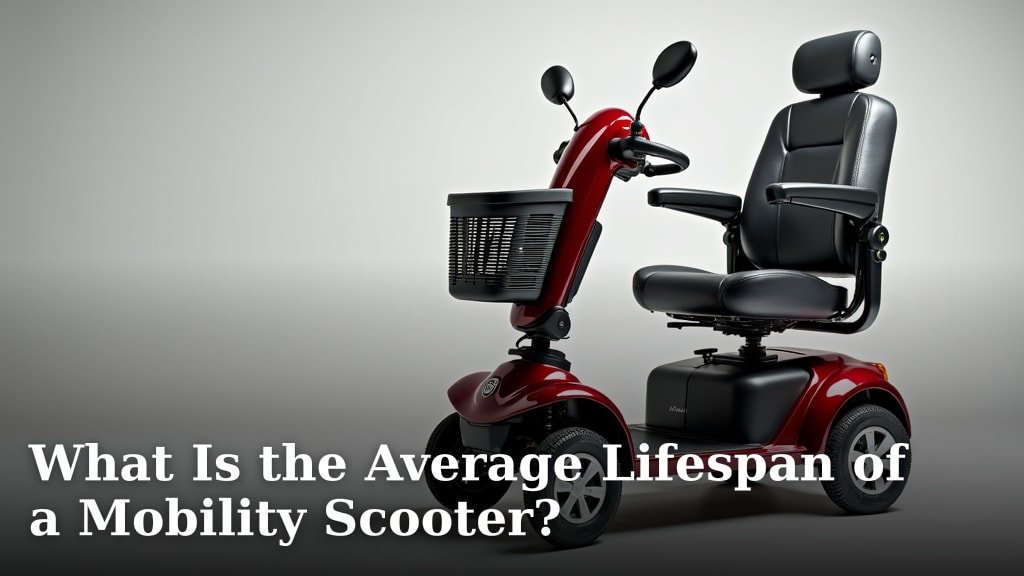
The average lifespan of a mobility scooter is typically between 3 to 5 years. This can vary depending on how often you use it and how well you care for it. Your scooter is a loyal companion, so giving it some TLC can really extend its life!
Factors like battery care, regular maintenance, and storage conditions play a big role. We found that many users experience a longer lifespan when they follow simple, routine checks. Think of it like giving your car regular oil changes; it makes a world of difference.
Here’s a quick rundown:
- Lifespan: Usually 3-5 years.
- Key Factor: Battery health is critical.
- Maintenance: Regular cleaning and checks matter.
- Usage: Heavy daily use may shorten life.
- Storage: Proper storage protects from damage.
Let’s take a closer look at what influences your mobility scooter’s lifespan and how you can help it last as long as possible.
So, you’re wondering about the typical lifespan of your mobility scooter. It’s a fair question! You rely on your scooter to get around, and knowing its average life expectancy helps you plan and care for it properly.
How Long Do Mobility Scooters Usually Last?
Research and manufacturer guidelines suggest that a mobility scooter generally lasts between 3 to 5 years. This is a good benchmark for most models. Of course, some might go a bit longer, while others might need replacing sooner. It really depends on a few key things we’ll discuss.
Factors Affecting Your Scooter’s Longevity
Think of your mobility scooter like any other piece of equipment you use regularly. Its lifespan isn’t set in stone. Many factors can influence how long it serves you faithfully. We’ve identified the biggest players.
1. Battery Health: The Heart of Your Scooter
The batteries are arguably the most critical component impacting your scooter’s life. Mobility scooters typically use deep-cycle lead-acid or lithium-ion batteries. These powerhouses need proper care.
Battery Lifespan and Replacement
Lead-acid batteries, the more common type, usually last about 1 to 3 years. Lithium-ion batteries can often last longer, sometimes 3 to 5 years or more. Battery life depends heavily on how often you discharge and recharge them. Deep discharges, where the battery is fully drained, can shorten their lifespan.
We found that consistent, partial charging is often better than waiting for a full drain. Think of it like not letting your phone battery hit 0% every single time. Many experts say following the manufacturer’s charging recommendations is key (Cleveland Clinic).
Proper Charging Habits
Always use the charger that came with your scooter. Using an incompatible charger can damage the batteries. Don’t overcharge your scooter, but also don’t leave it completely dead for extended periods. Most manuals recommend charging your scooter fully after each use. This helps maintain optimal battery health.
If you notice your scooter not holding a charge as long as it used to, it might be time for new batteries. This is often the first sign of aging.
2. Usage Patterns and Environment
How and where you use your scooter makes a big difference. Daily, heavy use will naturally put more wear and tear on the scooter than occasional use.
Frequency and Intensity of Use
If you use your scooter for long trips every single day, its components will experience more stress. The motor, tires, and frame will all wear down faster. Conversely, if you use it for shorter, less frequent outings, it will likely last longer.
We found that users who treat their scooter gently, avoiding rough terrain when possible, tend to see a longer service life. Smooth, paved surfaces are ideal.
Environmental Conditions
Storing your scooter outdoors, even under a cover, can expose it to moisture, extreme temperatures, and dust. These elements can degrade components over time. Moisture can lead to rust, especially on the metal parts and electrical connections.
Extreme heat or cold can also impact battery performance and longevity. Many manufacturers recommend storing scooters in a dry, climate-controlled environment. This is similar to how you’d protect a good bicycle.
3. Regular Maintenance and Care
Just like you’d maintain your car or bicycle, your mobility scooter benefits greatly from regular check-ups and cleaning. This proactive approach can catch small issues before they become big problems.
Cleaning and Inspection
Keep your scooter clean! Regularly wipe down the frame, seat, and controls. Pay attention to areas where dirt or debris might accumulate. This prevents buildup that could interfere with moving parts or electronics.
We recommend a quick visual inspection before each use. Look for any loose parts, worn tires, or unusual noises. This simple habit can save you a lot of trouble down the road.
Tire Care
Your tires are your direct link to the ground. Check the tire pressure regularly if your scooter has pneumatic (air-filled) tires. Properly inflated tires reduce strain on the motor and provide a smoother ride.
Inspect the tread for wear and tear. Worn tires can affect stability and braking. Replacing them when needed is a small maintenance task that has a big impact on safety and scooter longevity.
Checking Connections and Bolts
Over time, vibrations from use can cause bolts and connections to loosen. Periodically check that all screws and bolts are secure. This is especially important for the steering column, seat, and armrests.
While you might not need to do a deep mechanical check every week, a quick once-over can prevent parts from becoming loose and potentially causing damage or accidents. Many user manuals offer guidance on simple checks you can perform yourself.
4. Quality of the Scooter
Not all mobility scooters are created equal. The brand, model, and build quality play a role in how long it will last. The brand, model, and build quality play a role in longevity; check out the best new models this year.
Brand Reputation and Model Tier
Higher-quality scooters from reputable brands often use more durable materials and robust components. These tend to withstand daily use better and last longer. Cheaper, entry-level models might use less durable parts.
We’ve found that investing in a well-regarded brand can sometimes mean a longer overall lifespan, even if the initial cost is higher. It’s a bit like buying a sturdy piece of furniture versus something less substantial.
Materials and Construction
The frame, motor, and control systems are built with different materials and engineering. Scooters designed for heavy-duty use or off-road capabilities might be built with stronger frames and more powerful motors. A more robustly built scooter might be a better long-term investment; explore top heavy-duty options.
Consider what you’ll be using the scooter for most. If it’s for light, indoor use, a standard model might be fine. If you plan to tackle varied terrain or use it extensively outdoors, a more robustly built scooter might be a better long-term investment.
5. Professional Servicing
While you can do a lot of basic maintenance yourself, periodic professional servicing is a good idea. A qualified technician can identify potential issues you might miss.
When to Seek Professional Help
Most manufacturers recommend an annual service check. A technician can inspect the motor, brakes, electrical system, and battery health more thoroughly. They can also perform necessary adjustments or lubrication.
If your scooter starts making strange noises, behaving erratically, or if you notice a significant drop in performance, it’s wise to have it checked by a professional. Ignoring these signs could lead to more costly repairs or a shorter lifespan.
Maximizing Your Mobility Scooter’s Lifespan: A Quick Checklist
Want to give your scooter the best chance at a long and healthy life? Keep these simple tips in mind:
- Charge batteries properly and consistently.
- Keep your scooter clean and dry.
- Perform regular visual inspections for wear and tear.
- Store your scooter in a protected environment.
- Address any unusual noises or performance issues promptly.
- Consider annual professional servicing.
By understanding these factors and implementing consistent care, you can help ensure your mobility scooter remains a reliable companion for years to come.
Conclusion
Your mobility scooter is designed to be a reliable partner, and understanding its lifespan helps you maximize its service. We found that while the average life is 3 to 5 years, you have a lot of influence over this. Key factors include consistent battery care, mindful usage, and regular maintenance. By treating your scooter with a little extra attention – like proper charging and keeping it clean – you can extend its functional life significantly. So, the next step is to implement these simple care routines to ensure your scooter remains a dependable part of your daily life for as long as possible.
Frequently Asked Questions
What does it mean if my scooter’s batteries don’t last as long as they used to?
If you notice your mobility scooter not holding a charge for as long as it once did, it’s a strong indicator that the batteries are nearing the end of their lifespan. This is often the first sign that replacement is needed.
Can I use my mobility scooter in the rain?
While some scooters are designed for varied conditions, frequent exposure to rain can still impact their components and lifespan. It’s best to avoid using your scooter in heavy rain and always dry it thoroughly afterward to prevent rust and electrical damage.
How often should I get my mobility scooter professionally serviced?
Most manufacturers recommend a professional service check at least once a year. This allows a technician to inspect critical systems like the motor, brakes, and electrical components more thoroughly than you might be able to at home.
Does storing my scooter in the garage affect its lifespan?
Storing your scooter in a garage is generally good, especially if it’s a climate-controlled space. However, avoid garages with extreme temperature fluctuations or high humidity, as these conditions can still negatively affect battery health and other components.
Is it worth repairing an older mobility scooter or should I just buy a new one?
This depends on the cost of repairs versus the scooter’s age and condition. If the repairs are extensive or costly, especially if the batteries also need replacing, it might be more economical in the long run to invest in a new, reliable scooter.
