
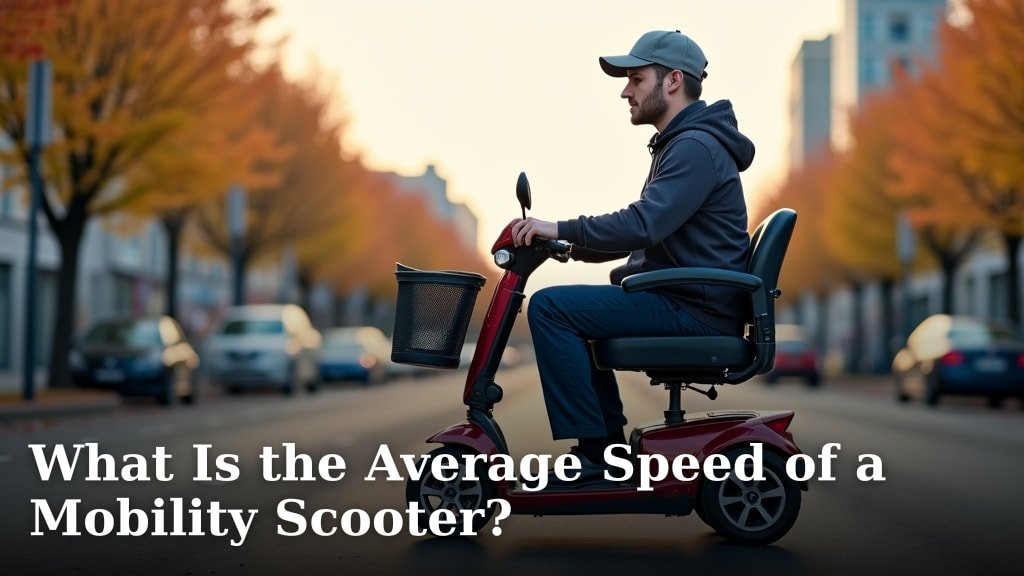
The average speed of a mobility scooter typically ranges from 4 to 8 miles per hour (mph). This speed is comfortable for most users and perfect for errands. Some faster models can reach speeds of up to 15 mph.
Your ideal scooter speed depends on where you plan to ride. Scooters designed for indoor use are often slower. Outdoor models offer more power and speed, especially for navigating parks or sidewalks. We found that most people prioritize safety and control over top speed.
TL;DR:
- Most scooters go 4-8 mph.
- Faster models can hit 15 mph.
- Speed depends on indoor vs. outdoor design.
- Safety is often more important than speed.
- Consider your typical routes when choosing.
Let’s dive into the different speed classes and what each means for your daily life.
Understanding Mobility Scooter Speed
You’re probably wondering what all those numbers mean for your day-to-day life. Let’s break down the typical speeds you’ll encounter and what they’re best for.
The speed of a mobility scooter isn’t just a number. It defines where and how you can use your scooter effectively. We found that matching the scooter’s speed to your typical activities is key for satisfaction.
Standard Speed Ranges Explained
Most mobility scooters fall into specific speed categories. Knowing these helps you pick the right fit for your needs.
It’s like choosing a car. You wouldn’t pick a race car for city driving, right? The same goes for your scooter.
Low-Speed Scooters (2-4 mph)
These scooters are your perfect companions for indoor environments. Think grocery stores, shopping malls, or around your home.
At 2-4 mph, you can comfortably keep pace with walkers. You won’t feel rushed, and you can easily navigate crowded spaces. We found these speeds offer maximum control.
Maneuverability is a big plus here. You can turn tight corners and move through narrow aisles without worry. Many smaller, travel-friendly scooters operate in this range.
Mid-Range Scooters (4-8 mph)
This is the most common speed range for many users. You get a good balance of indoor usability and outdoor capability.
At 4-8 mph, you can comfortably travel on sidewalks, visit parks, or manage short trips in your neighborhood. You’re faster than walking but still safe.
These scooters are versatile. They handle a bit more terrain than the slower models. We found that most people who use their scooter daily prefer this range.
High-Speed Scooters (8-15 mph)
Do you need to go further, faster? High-speed scooters might be for you. These models are built for more extensive outdoor travel.
They are often larger and more robust. You might see these on longer commutes or in areas with less foot traffic. These scooters often have better suspension.
While faster, it’s vital to prioritize safety. Always be aware of your surroundings, especially at higher speeds. Some regions have specific regulations for scooters traveling above certain speeds (Department of Transportation).
Factors Influencing Scooter Speed
It’s not just the motor that determines how fast your scooter goes. Many elements play a role. Think of it like a recipe – many ingredients affect the final taste.
Understanding these factors helps you make a more informed decision. You want a scooter that performs well in your typical conditions.
Motor Power and Battery Life
The scooter’s motor is like its engine. A more powerful motor generally allows for higher top speeds. It also helps with inclines.
Battery size affects how long you can travel, not necessarily top speed. A bigger battery means more range, letting you go further at your chosen speed. We found that battery capacity is crucial for longer trips.
Always check the motor wattage and battery amp-hours. These numbers give you a good idea of what the scooter can handle.
Weight Capacity and Terrain
Your weight and the weight of any items you carry impact speed. A scooter often slows down when it’s carrying its maximum load. It’s simple physics.
Different terrains also affect performance. A scooter will go slower on uneven ground, thick grass, or uphill. Smooth, flat surfaces allow for optimal speed.
Consider where you’ll be riding most. If it’s hilly, you might want a more powerful motor to maintain speed. We found that real-world speed can differ from advertised speed based on these factors.
Wheel Size and Suspension
Larger wheels often provide a smoother ride and can handle more varied terrain. They can also contribute to a slightly higher potential speed.
Suspension helps absorb bumps. While not directly affecting top speed, good suspension makes maintaining speed over rough patches more comfortable and safer. It reduces vibrations that can slow you down.
Think about the comfort of your ride. Better suspension means less jarring, allowing you to enjoy your journey more.
Speed Regulations and Safety Considerations
Speed limits aren’t just for cars. Mobility scooters also have rules and safety guidelines. These are in place for your protection and the safety of others.
Knowing these rules can prevent accidents and fines. It’s all about being a responsible and aware rider.
Legal Speed Limits
In many places, mobility scooters are considered pedestrians when operated on sidewalks. This means you should travel at a walking pace.
On roads, regulations vary greatly by state and even by city. Some areas allow faster scooters on bike paths or in slow traffic lanes. Always check your local Department of Motor Vehicles for specific rules (DMV).
Many experts advise never exceeding 4 mph on crowded sidewalks. This helps prevent collisions with pedestrians. Your comfort and control are paramount.
Prioritizing Your Safety
Speed can be exhilarating, but safety should always come first. A fast scooter is only safe if you can control it well. We found that most users prefer control over raw speed.
Always wear appropriate safety gear, especially if you’re riding a faster model. Helmets are a good idea, just like on a bicycle.
Practice in a safe, open area before taking your scooter into busy environments. Get a feel for its turning radius and braking distance at different speeds.
Here’s a quick checklist to help you choose the right speed:
- What are your typical daily routes like?
- Do you mainly use your scooter indoors or outdoors?
- How much weight will the scooter usually carry?
- What kind of terrain will you encounter most often?
- Do you prefer maneuverability or long-distance travel?
Comparing Scooter Speed Options
Let’s put it all together. Here’s a table to help you visualize the different speed classes and their best uses. This gives you a clear picture of what each scooter type offers.
It’s like comparing different shoes: some are for running, some for walking, and some for fashion. Each has its purpose.
| Speed Category | Typical Speed Range | Best For | Key Features |
|---|---|---|---|
| Low-Speed (Class 1) | 2-4 mph | Indoor use, tight spaces, shopping | Compact size, high maneuverability, easy transport |
| Mid-Range (Class 2) | 4-8 mph | Sidewalks, parks, neighborhood errands | Balance of indoor/outdoor, comfort, versatile |
| High-Speed (Class 3) | 8-15 mph | Longer outdoor trips, varied terrain, light roads | Powerful motor, better suspension, larger wheels |
As you can see, there’s a scooter for almost every need. Your choice depends entirely on your lifestyle and where you plan to use it.
We found that many people overestimate the speed they actually need. Often, a mid-range scooter offers the perfect blend of freedom and safety.
Think about your comfort. A smoother, more controlled ride at a moderate speed often feels better than a bumpy, fast one. Your journey should be enjoyable.
Conclusion
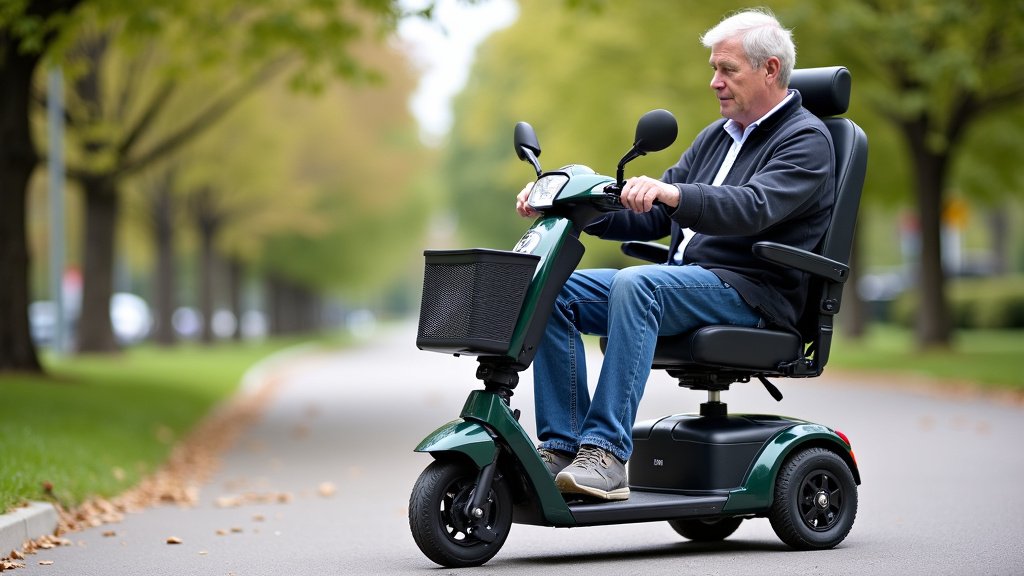
Choosing the right mobility scooter speed really depends on your personal needs and lifestyle. We found that while some models can go up to 15 mph, most people find the 4-8 mph range perfectly sufficient for daily activities. Always consider where you’ll be riding most often—indoors, on sidewalks, or for longer outdoor journeys.
Remember, safety and control are more important than raw speed. Prioritize maneuverability and a comfortable ride over just going fast. Take a moment to think about your typical routes and the terrain you’ll encounter. By doing so, you’ll select a scooter that truly enhances your freedom and mobility safely.
Frequently Asked Questions
Is a faster mobility scooter always better?
Not necessarily. While higher speeds allow for quicker travel over longer distances, they can be less safe in crowded areas or indoors. Many users prioritize control and maneuverability, especially for daily errands or navigating tight spaces. The “best” speed is what feels safest and most comfortable for your specific use.
Can I adjust the speed of my mobility scooter?
Yes, almost all mobility scooters come with adjustable speed settings. You can usually control this with a dial or lever on the tiller. This allows you to slow down for indoor use or speed up when you’re on an open path, giving you flexibility for different environments.
What speed is safe for sidewalk use?
For sidewalk use, it’s generally safest and often legally required to travel at a walking pace, which is typically 2-4 mph. This helps prevent accidents with pedestrians and allows you ample time to react to your surroundings. Always be mindful of others sharing the path.
Does battery life affect a scooter’s speed?
Battery life primarily affects how far you can travel, not your top speed. A scooter will maintain its top speed until the battery is nearly depleted. However, a low battery might cause a slight reduction in power, especially on inclines, but it won’t drastically cut your maximum speed.
Are there different classes of mobility scooters based on speed?
Yes, mobility scooters are often categorized by speed. Low-speed scooters (Class 1) are for indoor use, mid-range (Class 2) balance indoor/outdoor use, and high-speed (Class 3) are for outdoor, longer-distance travel. Each class has different design features to suit its intended speed and environment.
