
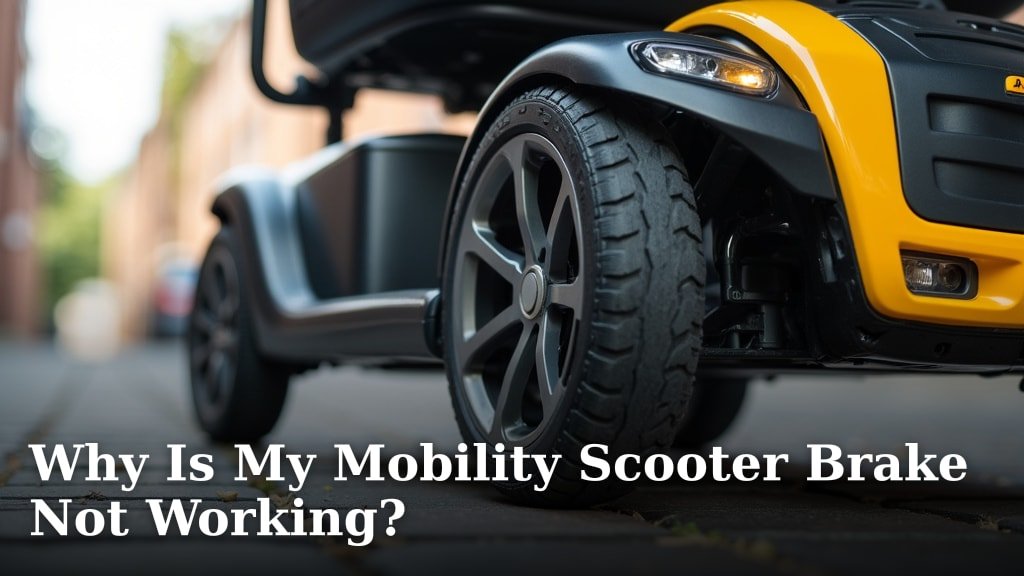
Your mobility scooter brake isn’t working because of several common issues, including a worn brake pad, a loose cable, or an electrical problem in the motor brake system. This can be a serious safety concern.
When your scooter won’t stop, it can feel alarming. We understand you rely on your scooter for independence. Knowing what might be wrong helps you find a solution quickly. It’s important to address brake problems right away for your safety and peace of mind.
- Brake problems are often due to wear and tear.
- Electrical issues can also stop brakes from working.
- Regular checks help prevent brake failures.
- Always prioritize safety with your scooter.
Below, we’ll walk you through the most common reasons why your mobility scooter brake might not be working. You’ll learn what to look for and what steps you can take next.
Understanding Why Your Mobility Scooter Won’t Stop
When your mobility scooter brake isn’t working, it’s natural to feel concerned. The braking system is one of the most vital safety features on your scooter. We understand you want to get to the bottom of this quickly. Let’s look at the main reasons this happens.
Brake issues can range from simple adjustments to more complex electrical problems. Many problems come from regular use and aging parts. Knowing the typical culprits helps you troubleshoot effectively.
Common Mechanical Problems Affecting Your Scooter Brake
Mechanical issues are often straightforward to identify. These problems usually involve parts that move or rub together. You might even see or feel the issue yourself.
Worn Brake Pads or Linings
Just like cars, mobility scooters have brake pads. These pads create friction to slow you down. Over time, these pads wear thin. If they’re too worn, they can’t make enough contact to stop your scooter. This is a very common issue (National Institutes of Health).
You might notice a grinding sound or a longer stopping distance. Checking your brake pads is a good first step. If they look thin, they likely need replacing.
Loose or Damaged Brake Cables
Some scooters use cables to operate the brakes. If these cables become loose, stretched, or frayed, the brake won’t engage properly. Think of a bicycle brake — a loose cable means a spongy lever.
A loose cable prevents full engagement of the brake mechanism. A damaged cable might even snap, leaving you without braking power. A quick visual inspection can reveal cable problems.
Misaligned Brake Components
Sometimes, parts within the braking system can shift out of place. This misalignment means the brake won’t apply evenly or fully. It’s like having a wheel that’s slightly off-center.
This can happen due to bumps or rough terrain. If your brakes feel weak but the pads look fine, misalignment could be the cause. An expert technician can usually fix this.
Electrical System Glitches Affecting Brake Performance
Many modern mobility scooters rely on electrical systems for braking. This means a problem with the electrical flow can directly impact your ability to stop. These issues can be trickier to diagnose.
Motor Brake System Failure
Your scooter likely uses an electromagnetic brake. This brake engages automatically when you release the throttle. It’s designed to hold the scooter steady, even on inclines.
If the motor brake system fails, your scooter might freewheel. This is a serious safety concern. A fault here could be due to a wiring issue or a problem within the motor itself.
Faulty Wiring or Connections
The electrical current needs to flow freely to the brake components. If there’s a loose wire, a corroded connection, or a short circuit, the brake might not receive power. This interruption can prevent the brake from activating.
Wiring issues can be intermittent. Your brake might work sometimes but not others. Tracing these wires can be challenging without specialized tools.
Controller or Sensor Malfunctions
The scooter’s controller is like its brain. It sends signals to various parts, including the brakes. If the controller malfunctions, it might not send the correct signal to engage the brake.
Some scooters also have sensors that detect speed or throttle position. If these sensors fail, they can send incorrect data, leading to brake problems. This is a more complex electrical issue.
Environmental and Usage Factors That Impact Brakes
Sometimes, external factors or how you use your scooter can contribute to brake failure. These aren’t always “faults” in the system but can certainly cause problems.
Moisture and Corrosion
Exposure to rain, snow, or even high humidity can lead to corrosion. Water can get into electrical connections or rust mechanical parts. This corrosion can impair brake function over time (Journal of Rehabilitation Research and Development).
If you often ride in wet conditions, make sure to dry your scooter thoroughly. Regular cleaning can also help prevent rust buildup.
Heavy Loads or Steep Inclines
Consistently carrying heavy loads or riding on very steep hills puts extra strain on your braking system. The brakes have to work much harder to stop the scooter. This can lead to faster wear and tear.
If you exceed your scooter’s weight capacity, the brakes may not be able to hold you safely. Always check your scooter’s weight limits For users with specific needs, our guide to the best mobility scooters for obesity provides models designed for enhanced support and safety.. This helps keep both you and the scooter safe.
What To Do When Your Mobility Scooter Brake Fails
Your immediate safety is the most important thing. If your brake fails while you’re moving, try to stay calm. Look for ways to slow down safely.
If you’re stopped and realize the brake isn’t working, do not attempt to ride the scooter. Call for help. Never try to ride a scooter with faulty brakes. It’s simply not worth the risk.
Initial Troubleshooting Steps
Before calling for professional help, there are a few simple checks you can perform. These might help you understand the problem better.
- Check your scooter’s battery level. A low battery can sometimes affect electrical components, including brakes.
- Look for any obvious obstructions around the wheels or brake mechanisms. A twig or a piece of debris could be jamming something.
- Gently try to engage the brake lever or switch several times. Sometimes a sticky mechanism needs a little nudge.
- Inspect any visible cables for fraying or looseness. Can you see where a cable might have come undone?
If these quick checks don’t reveal an obvious problem, it’s time for professional intervention. Do not attempt complex repairs yourself unless you are trained.
When to Seek Professional Mobility Scooter Repair
It’s always best to consult with a qualified technician for brake issues. Brakes are a critical safety feature. Incorrect repairs can lead to serious accidents.
A professional has the tools and expertise to properly diagnose the problem. They can ensure all parts are correctly installed and functioning. This gives you peace of mind and safety.
Here’s a quick overview of when to call an expert:
| Symptom | Likely Problem (General) | Action Needed |
|---|---|---|
| Brake feels spongy or loose | Worn pads, loose cable | Inspection, adjustment, or replacement |
| Grinding or squealing noise | Worn pads, foreign object | Immediate inspection, cleaning, or replacement |
| Scooter rolls freely when stopped | Motor brake failure, electrical issue | Professional electrical diagnostic |
| Brake works intermittently | Loose wiring, controller issue | Professional electrical diagnostic |
| No braking power at all | Severe mechanical or electrical fault | Do not use, call for repair |
Preventative Maintenance for Your Mobility Scooter Brakes
Regular maintenance is your best defense against brake failure. A little attention now can save you from bigger problems later. We found that preventative care extends the life of your scooter’s components.
Routine Safety Checks
Make it a habit to check your brakes regularly. Listen for unusual sounds. Feel how the brake lever responds. Does it feel firm and responsive? Or does it feel weak? This can be as simple as part of your daily routine.
Scheduled Servicing
Just like your car, your mobility scooter benefits from professional servicing. Many experts suggest an annual check-up (Mobility Management magazine). A technician can inspect all critical components, including the brakes.
During a service, they can catch issues before they become major problems. This includes lubricating moving parts and checking electrical connections.
Keep Your Scooter Clean and Dry
Cleaning your scooter isn’t just about appearances. It helps prevent dirt and grime from interfering with moving parts. Keeping it dry protects against rust and corrosion. A simple wipe-down after use can make a big difference.
Follow Manufacturer Guidelines
Your scooter’s manual has specific recommendations for maintenance. These guidelines are there for a reason. They help you care for your specific model correctly. Always refer to your manual for advice.
By staying proactive, you can ensure your mobility scooter brakes remain reliable. This allows you to continue enjoying your independence safely and confidently.
Conclusion
Dealing with a non-working mobility scooter brake can be unsettling. We’ve covered common issues from worn pads to complex electrical glitches. Understanding these helps you identify the problem and act quickly. Your safety depends on a fully functional braking system. Always remember to prioritize safety above all else. If you’re unsure or uncomfortable with repairs, consult a professional technician. Taking immediate action and performing regular maintenance ensures your scooter remains a reliable, safe source of independence for years to come.
Frequently Asked Questions
How often should I have my mobility scooter brakes inspected?
It’s generally recommended to have your mobility scooter, including its brakes, professionally inspected at least once a year. If you use your scooter frequently or in challenging terrain, more frequent checks might be wise. Regular inspections help catch potential issues before they become serious problems.
Can a low battery affect my scooter’s brakes?
Yes, a low battery can sometimes impact your scooter’s electrical braking system. Many modern scooters use electromagnetic brakes that rely on power from the battery. If the battery is too low, it might not supply enough power for the brake to engage or disengage properly, leading to erratic behavior or failure.
Is it safe to ride my mobility scooter if the brake feels “spongy”?
No, it is not safe to ride your mobility scooter if the brake feels spongy or weak. A spongy brake indicates a problem, such as worn pads, a loose cable, or another malfunction. This greatly increases your stopping distance and risk of an accident. Get it inspected and repaired before further use.
What’s the difference between a mechanical brake and an electromagnetic brake on a scooter?
Mechanical brakes typically use cables and pads to create friction, similar to bicycle brakes, and are often engaged manually. Electromagnetic brakes, common on many scooters, engage automatically when you release the throttle or turn off the power. They use magnetic force to slow and hold the scooter, offering a smoother and more secure stop, especially on inclines.
Can I replace the brake pads on my mobility scooter myself?
Replacing brake pads might seem straightforward, but it’s often best left to a professional. Improper installation can lead to brake failure or uneven wear. A technician ensures correct alignment and adjustment, which is critical for your safety. They also check other components you might overlook.
