
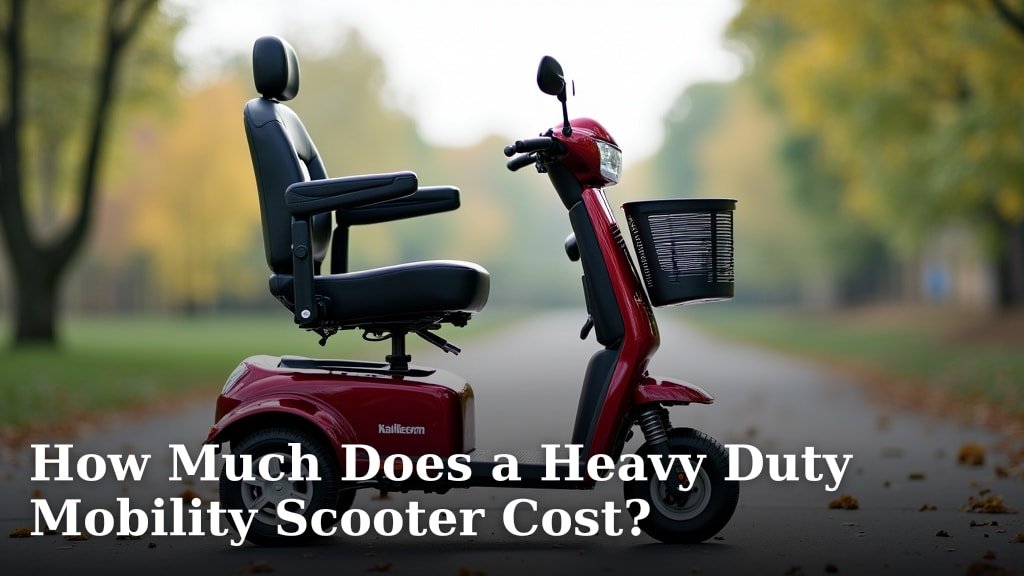
So, you’re wondering about the cost of a heavy duty mobility scooter? You can expect to spend anywhere from $1,500 to $7,000 or more for a new one, depending on the specific features and capabilities you need. Think of it as an investment in your independence.
The price tag reflects the robust construction and higher weight capacities these scooters offer. They are built to handle tougher terrain and longer distances. Many models also come with advanced features like enhanced suspension and longer battery life, which contribute to the overall cost.
- Heavy duty scooters cost between $1,500 and $7,000+.
- Price depends on weight capacity and features.
- Look for enhanced suspension and battery life.
- Consider used options to save money.
- Insurance or assistance programs might help with costs.
We’ve gathered a lot of information to help you understand exactly what goes into the price of these scooters. Let’s walk through the different factors that influence the cost, so you can make the best choice for your needs.
Understanding the Price Tag of Heavy Duty Mobility Scooters
You’re looking into heavy duty mobility scooters, and you’re wondering, “What’s a reasonable price range for these things?” We’ve done the research for you. Generally, you can expect to see prices for new heavy duty models fall between $1,500 and $7,000. Some top-tier models with extensive features might even go a bit higher.
This price range isn’t arbitrary. It reflects the beefier construction and higher performance capabilities these scooters offer. They’re built to be tougher, go further, and carry more weight than their lighter counterparts. Think of it as paying for peace of mind and enhanced freedom.
Key Factors Influencing Scooter Cost
Weight Capacity: The Foundation of “Heavy Duty”
One of the biggest drivers of cost is the weight capacity. Heavy duty scooters are designed to safely support users who weigh more. You’ll find models that can handle anywhere from 350 pounds up to 600 pounds or even more. The higher the weight limit, the more robust the frame and motor typically need to be, which naturally increases the price.
Consider what you need to carry. Will it just be you, or will you need to transport groceries or other items? Higher weight capacities often mean a larger, sturdier scooter, and that translates to a higher cost. It’s an important spec to match your needs exactly.
Performance and Speed: Going the Distance
How fast do you need to go? How far do you plan to travel on a single charge? Heavy duty scooters often offer higher top speeds and longer travel ranges. This is usually due to more powerful motors and larger, more advanced batteries.
For example, a basic scooter might top out at 4 mph and offer a 15-mile range. A heavy duty model could reach 6-8 mph and travel 25-40 miles or more on a full charge. That extra power and endurance come at a cost. It’s like comparing a compact car to an SUV – the SUV has more power and can go further, but it also costs more upfront.
Terrain Capabilities: Handling More Than Pavement
Are you planning to navigate smooth sidewalks only, or will you encounter varied terrain? Many heavy duty scooters are built with tougher tires and advanced suspension systems. This allows them to handle gravel paths, grass, and uneven surfaces more comfortably and safely.
This enhanced capability means stronger chassis designs and better shock absorption. You’ll notice this difference when you’re riding. Scooters equipped for off-road or all-terrain use will generally be priced higher than those designed solely for indoor or very smooth outdoor use.
Battery Technology and Lifespan
The battery is the powerhouse of your scooter. For heavy duty models, manufacturers often include larger, more durable batteries. These batteries provide longer runtimes and can withstand more charging cycles before needing replacement.
You might see options like sealed lead-acid (SLA) batteries, which are common and more affordable. Higher-end models might use lithium-ion batteries, which are lighter, last longer, and charge faster, but they also add to the overall cost. The battery is a major component, so its quality and capacity directly impact the scooter’s price and your daily convenience.
Comfort and Ergonomic Features
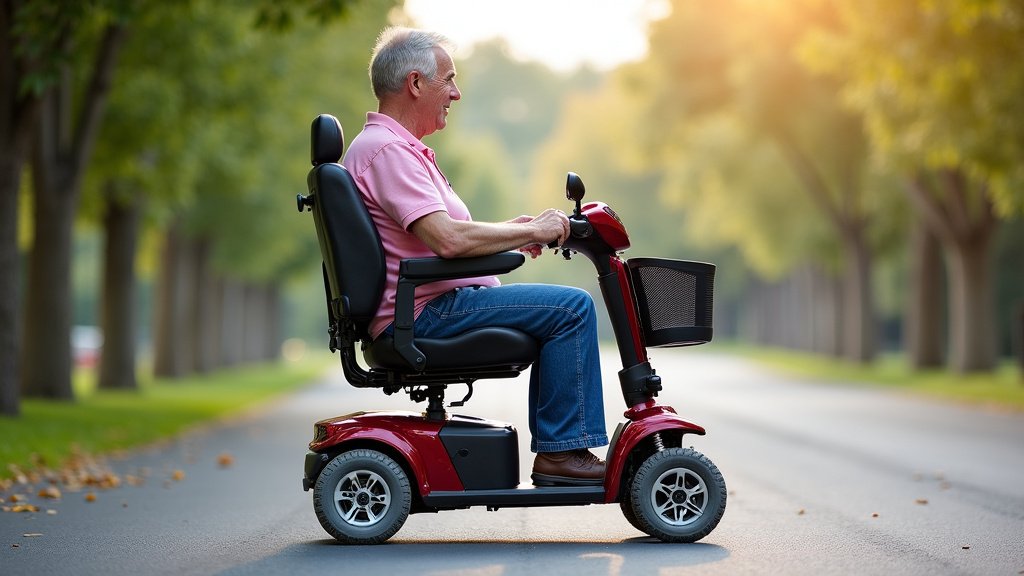
Longer rides mean you’ll appreciate a comfortable seat and ergonomic controls. Many heavy duty scooters come with deluxe, padded captain’s seats that offer excellent support. Features like adjustable armrests, swiveling seats, and ergonomic throttles also contribute to a more pleasant user experience.
These comfort features are more than just nice-to-haves; they can make a big difference in your overall ability to get around. Brands invest in designing these elements for maximum user comfort, and that investment is reflected in the price. Think of it as the difference between a basic airline seat and a first-class seat – both get you there, but one offers a much better experience.
Understanding the Price Spectrum: New vs. Used
The Cost of Brand New: What to Expect
When you buy a brand new heavy duty mobility scooter, you’re getting the latest technology, a full manufacturer’s warranty, and the peace of mind that no one else has used it. This pristine condition and the included warranty are significant value additions that contribute to the higher price point.
Prices for new models, as we’ve discussed, can range from around $1,500 for more basic heavy duty options to $7,000 or more for advanced, feature-rich models. You’re paying for the guarantee of quality, reliability, and the latest innovations in mobility assistance.
Considering Pre-Owned: A Smart Way to Save
Buying a used heavy duty mobility scooter can be a fantastic way to save money. You can often find models that are only a few years old for a fraction of their original cost. This is especially true if you’re looking for a reliable scooter that meets your basic needs without needing all the bells and whistles.
However, when buying used, it’s essential to be cautious. Always try to inspect the scooter in person if possible. Check the battery’s condition, tire wear, and overall functionality. Understanding the scooter’s history is important. While savings can be substantial, ensure the scooter is still in good working order and hasn’t been heavily used or damaged.
Additional Costs to Factor In
Insurance and Warranty Considerations
While the scooter itself has a price tag, don’t forget about potential ongoing costs. Some people opt for extended warranties beyond the manufacturer’s initial offering, which adds to the upfront expense. Others consider mobility scooter insurance, which can protect against theft, damage, or liability.
The cost of these additions varies widely. A manufacturer’s warranty usually comes included with a new purchase, but extended plans are optional. Insurance premiums depend on the coverage level and your location. It’s wise to get quotes for both to get a complete picture of the financial commitment.
Maintenance and Repairs: Keeping It Running Smoothly
Like any mechanical device, mobility scooters require regular maintenance. This includes checking tire pressure, cleaning, and ensuring batteries are properly charged. Over time, parts like batteries and tires will need replacement. These replacement parts represent an ongoing cost of ownership.
Battery replacement is often the most significant recurring expense. Depending on the type of battery and scooter model, this can cost anywhere from a few hundred to over a thousand dollars. Proper care can extend the life of your components, saving you money in the long run. We recommend following the manufacturer’s maintenance schedule diligently.
Financial Assistance and Insurance Coverage
Wondering if your insurance or other programs can help with the cost? It’s possible! Some health insurance plans, Medicare, or Medicaid may cover a portion of the cost if the scooter is deemed medically necessary. This often requires a doctor’s prescription and a detailed assessment.
Additionally, many organizations and charities offer grants or financial assistance for mobility equipment. Exploring these options can significantly reduce your out-of-pocket expenses. Don’t hesitate to reach out to your insurance provider and local disability support groups to see what aid might be available.
A Quick Checklist for Your Budget
To help you budget, here’s a quick checklist of things to consider:
- Scooter Purchase Price: The main cost, varying by features.
- Extended Warranty: Optional peace of mind.
- Insurance: Protection against accidents or theft.
- Maintenance: Regular upkeep costs.
- Replacement Parts: Especially batteries and tires over time.
- Accessories: Such as baskets, covers, or upgrades.
Conclusion
You’ve learned that a heavy duty mobility scooter is a smart investment for your independence. Prices can range from $1,500 to over $7,000, depending on weight capacity, speed, terrain capability, and comfort features. Remember to also budget for potential extras like extended warranties or insurance. By carefully considering these factors and exploring options like used models or financial assistance programs, you can find a scooter that fits your needs and budget.
Your next step is to research specific models that align with your lifestyle and to contact providers for quotes. This will help you make an informed decision.
Frequently Asked Questions
Can I get a heavy duty mobility scooter through insurance?
It’s possible! Some health insurance plans, Medicare, or Medicaid may help cover the cost if a doctor prescribes the scooter as medically necessary. You’ll likely need proper documentation and assessments to qualify for coverage.
Are used heavy duty mobility scooters a good idea?
Yes, buying a used scooter can be a great way to save money. Just be sure to carefully inspect the scooter’s condition, including the battery, tires, and overall functionality. Always try to understand its history before purchasing.
What are the most common extra costs for mobility scooters?
Beyond the initial purchase price, you might consider extended warranties for peace of mind. Insurance against theft or damage is another option. Regular maintenance and eventual replacement parts, especially batteries, are also costs to plan for.
How long do the batteries in heavy duty scooters typically last?
Battery life varies by model and usage. Higher-end heavy duty scooters often have larger, more advanced batteries that can last longer on a single charge and handle more charging cycles. Proper care and maintenance can extend battery lifespan.
Is a heavy duty scooter necessary if I only need it for short trips?
Not necessarily. If your trips are short and on smooth surfaces, a lighter duty scooter might suffice and cost less. Heavy duty scooters are best for those who need higher weight capacity, longer range, or the ability to navigate varied terrain.
