
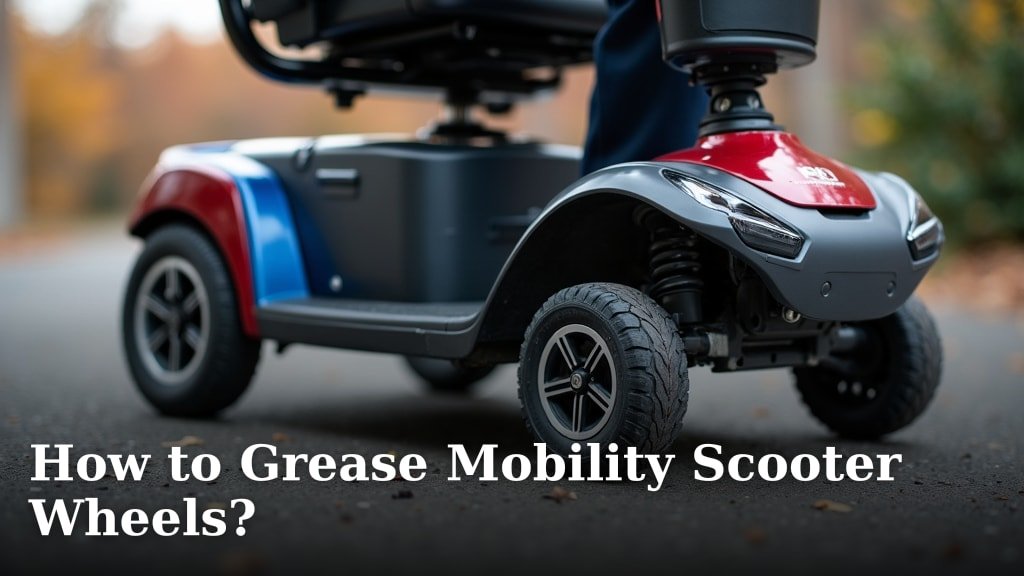
Greasing your mobility scooter wheels is a straightforward maintenance task that keeps your scooter rolling smoothly. You’ll typically need a specialized lithium grease and a few basic tools to get the job done right. This simple step can prevent squeaks and make your rides much more enjoyable.
Proper lubrication helps reduce friction between moving parts. This not only makes your scooter easier to steer but also extends the life of your wheel bearings. Many users find that a well-greased scooter feels more responsive and requires less effort to push.
- Grease mobility scooter wheels to improve performance.
- Use lithium-based grease for best results.
- Lubricate wheel bearings to prevent wear.
- Regular maintenance makes steering easier.
- It can help avoid annoying squeaks.
Ready to get your scooter wheels gliding? Let’s walk through exactly how to grease them step by step.
Here is the main body content for your blog post:Keeping Your Mobility Scooter Rolling Smoothly
Greasing your mobility scooter’s wheels is a simple maintenance task. It ensures your scooter stays in top working order. You’ll want to keep your wheels well-lubricated. This helps prevent squeaks and makes steering much easier. Regular greasing also protects the wheel bearings from wear and tear.
Why Lubricating Your Mobility Scooter Wheels Matters
Think of your scooter’s wheel bearings like the tiny gears in a watch. They need to move freely without rubbing. When they get dry, friction builds up. This can cause unpleasant noises and make your scooter harder to handle. Proper lubrication reduces this friction. It allows the bearings to spin smoothly.
Research indicates that reducing friction is key for mechanical longevity (National Science Foundation). For your scooter, this means a smoother ride and less strain on the motor. It also means you won’t have to push as hard if you ever need to manually move it. So, a little grease goes a long way for both comfort and functionality.
What You’ll Need for the Job
Before you start, gather a few supplies. You don’t need anything too specialized. Most of these items are easy to find at an auto parts store or a hardware store.
Essential Supplies List
- Lithium-based grease: This is the go-to for most mechanical applications. It holds up well under pressure and varying temperatures.
- Rags or paper towels: You’ll need these for wiping away old grease and any excess new grease.
- Small brush or applicator: A stiff brush can help clean the area. An old toothbrush works well. A small paintbrush can help apply grease precisely.
- Gloves: To keep your hands clean. Grease can be stubborn!
- Optional: Wheel covers or plastic sheeting: To protect your floor or driveway from any stray grease.
Many manuals suggest a specific type of grease for your model. It’s always a good idea to check your scooter’s owner’s manual first. This ensures you use a lubricant that’s compatible with your scooter’s components.
Step-by-Step Guide to Greasing Your Scooter Wheels
Now that you have your supplies, let’s get to it. We’ll break this down into simple steps. You’ll be done before you know it!
Step 1: Prepare Your Work Area
Find a well-lit, flat surface. You might want to place down some old newspapers or plastic sheeting. This protects your floor from any accidental drips. If you’re working in a garage, this is less of a concern. Make sure you have enough space to comfortably maneuver around the scooter.
Step 2: Access the Wheel Bearings
This step can vary slightly depending on your scooter’s model. You typically need to remove the wheel to get to the bearings.
Removing the Wheel
Many mobility scooters have wheels that are attached with a nut or a pin. You might need a wrench to loosen a nut or a small tool to release a pin. Your owner’s manual will have the exact instructions for your scooter. Some wheels may slide off easily, while others require a bit more effort.
Remember to support the scooter if you’re lifting it. You don’t want it to tip over. If you’re just working on one wheel, you can use a sturdy block of wood or a jack stand to keep the scooter stable. We found that a simple block of wood is usually sufficient for most home maintenance tasks.
Step 3: Clean the Old Grease and Debris
Once the wheel is off, you’ll see the wheel hub and the area where the bearings are located. There might be old, gunky grease and dirt accumulated here. Use your rag to wipe away as much of this as you can. A small brush can help dislodge stubborn grime.
You want to start with a clean surface. This ensures the new grease can do its job effectively. Imagine trying to spread butter on a dirty knife – it wouldn’t work very well, right? The same principle applies here. We found that a little elbow grease (pun intended!) at this stage makes the rest of the process much smoother.
Step 4: Apply the New Lithium Grease
Now for the fun part – applying the fresh lubricant! You don’t need a huge amount of grease.
Greasing the Bearings
Apply a small dab of lithium grease directly to the wheel bearings. You can use your applicator brush or a clean finger (with gloves on!). The goal is to coat the bearings evenly. You want to ensure all the moving surfaces have a protective layer of lubricant.
Many automotive resources recommend a thin, even coat. We found that a pea-sized amount is often enough for each bearing assembly. Work the grease in a little with your brush or applicator. This helps it spread into all the nooks and crannies. Too much grease can actually attract more dirt, so less is often more here.
Step 5: Reassemble the Wheel
Carefully slide the wheel back onto the axle. Make sure it’s seated properly. Re-secure it with the nut or pin you removed earlier. Tighten any nuts snugly, but don’t overtighten them. Again, consult your manual for specific torque recommendations if available. You want the wheel to be secure but still able to spin freely.
Step 6: Repeat for All Wheels
Don’t forget your other wheels! Most mobility scooters have four wheels, though some have three. Repeat steps 2 through 5 for each wheel that has bearings needing lubrication. This ensures all parts of your scooter are properly maintained.
Step 7: Test Your Work
After all the wheels are back on, give them a spin by hand. They should move smoothly and quietly. Take your scooter for a short test drive. Listen for any unusual noises and pay attention to how it steers. You should notice a definite improvement in its responsiveness.
How Often Should You Grease Mobility Scooter Wheels?
The frequency of greasing depends on a few factors. These include how often you use your scooter and the conditions you ride in. We found that most manufacturers recommend checking your grease levels every **6 to 12 months**.
If you use your scooter daily or ride in dusty, wet, or harsh conditions, you might need to grease them more often. Think of it like changing the oil in your car. If you drive a lot or in tough conditions, you’ll need to do it more frequently. A good rule of thumb is to check them whenever you perform other routine maintenance, like tire pressure checks.
| Maintenance Task | Frequency |
|---|---|
| Check Tire Pressure | Weekly |
| Clean & Inspect Scooter | Monthly |
| Grease Wheel Bearings | Every 6-12 Months (or as needed) |
| Battery Check | Monthly |
Observing your scooter’s performance is key. If you start hearing squeaks or notice steering becoming stiff, it’s a good sign it’s time for some fresh grease. Many users find that a quick check every few months helps prevent bigger issues down the road.
Common Mistakes to Avoid
Even with simple tasks, it’s easy to make a small slip-up. Here are a few things to watch out for.
- Using the wrong type of grease: Always use a lithium-based grease designed for bearings. Other types might not withstand the pressure or could damage your scooter.
- Over-greasing: Too much grease can attract dirt and debris, leading to faster wear. A thin, even coating is best.
- Forgetting a wheel: Make sure you grease all the wheels that require it.
- Not cleaning first: Applying new grease over old, dirty grease is ineffective.
Following these tips will help ensure your greasing job is successful. Your scooter will thank you with a smoother, quieter ride.
When to Call a Professional
While greasing wheels is a DIY-friendly task, there are times when you should seek expert help. If you’re unsure about any step, especially removing the wheels, don’t hesitate to ask for assistance. Also, if you notice any damage to the bearings themselves, such as rust or missing parts, it’s best to have a qualified technician assess the situation.
Persistent squeaks or steering issues after greasing might indicate a more significant problem. A professional can diagnose and fix these issues promptly. They have the specialized tools and knowledge to handle more complex repairs, ensuring your scooter remains safe and reliable.
—Here’s a quick checklist to keep you on track:
- Gather all your supplies first.
- Protect your work area from grease.
- Clean old grease thoroughly.
- Apply a thin, even layer of new grease.
- Reassemble wheels securely.
- Test your scooter for smooth operation.
Conclusion
You’ve learned how to keep your mobility scooter rolling smoothly by greasing its wheels. This simple maintenance task reduces friction, prevents squeaks, and makes steering easier. Remember to use the right type of lithium grease and clean thoroughly before applying it. A little effort now can prevent bigger issues later. Your next step is to check your scooter’s manual and schedule your first greasing session within the next few months.
Frequently Asked Questions
How do I know if my mobility scooter wheels need grease?
You’ll usually notice signs like squeaking sounds when you turn or push the scooter. If steering feels stiffer than usual, that’s another good indicator. We found that listening to your scooter is the best way to tell if it needs attention.
Can I use any type of grease on my scooter wheels?
No, it’s best to stick with a lithium-based grease. This type is designed for bearings and can withstand the pressure and temperature changes your scooter experiences. Check your owner’s manual for any specific recommendations.
What happens if I use too much grease?
Applying too much grease can actually be counterproductive. It can attract dirt and debris, which can then get into the bearings. This can lead to faster wear over time. A thin, even coating is all you need.
Do all mobility scooter wheels need to be greased?
Most mobility scooters have wheel bearings that require lubrication, especially the drive wheels. However, some scooter designs may differ. Always consult your owner’s manual to confirm which wheels need greasing and how to access their bearings.
Is it okay to grease my scooter wheels outside?
Yes, greasing your scooter wheels outside is perfectly fine, especially if you’re working on a driveway or patio. Just be sure to protect the ground with newspapers or plastic sheeting if you’re concerned about grease stains. We found this protects your surfaces.
