
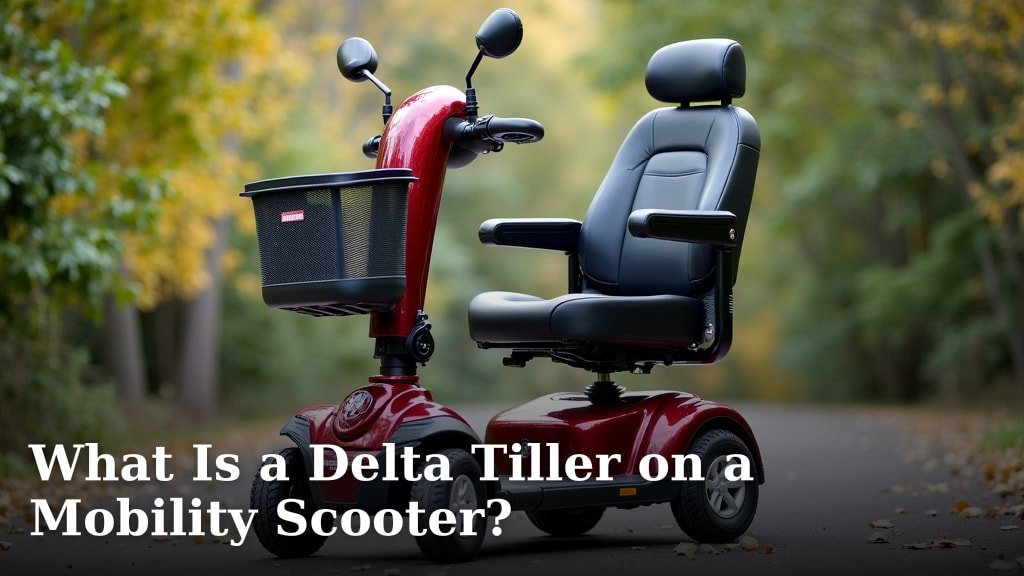
A delta tiller on a mobility scooter is a type of steering control. It’s often found on models designed for heavy-duty use. This tiller helps you navigate with greater ease and stability. Many users find it offers a more comfortable grip than other designs.
Think of it as the scooter’s steering wheel, but with a unique shape. The delta design features a bar across the top. This bar allows for different hand positions. You can grip it from the top or the sides. This can make steering feel more natural and less strenuous.
- Delta tiller is a scooter steering control.
- It has a bar across the top for grip.
- Allows for multiple hand positions.
- Often found on heavy-duty mobility scooters.
- Can offer better comfort and stability.
Let’s dive into what makes a delta tiller stand out and if it’s the right choice for your mobility scooter needs.
Understanding the Delta Tiller on Your Mobility Scooter
So, you’ve seen the term “delta tiller” and you’re curious. What exactly is it? Think of it as the steering column of your scooter. Its shape is what sets it apart. It’s designed to offer you a very specific kind of control and comfort. Many users find it incredibly user-friendly. We’ll break down what makes this tiller design unique.
The delta tiller has a distinctive loop or bar across the top. This bar is key to its functionality. It allows you to steer the scooter in a few different ways. You can grip the bar from the top, like you might hold a bicycle handlebar. Or, you can place your hands on the sides of the bar. This flexibility is a major benefit for many riders. It can help reduce strain on your wrists and hands.
What Makes the Delta Tiller Design Special?
The core difference lies in its ergonomic shape. Unlike a simpler, straight tiller, the delta design is built for your comfort. The looped bar provides a natural resting place for your hands. This can make a big difference on longer trips. When you’re out and about for extended periods, comfort is king. This tiller aims to provide just that.
We found that the delta tiller often comes with speed and power controls integrated directly into the bar. This means you can easily adjust your speed and direction without having to move your hands much. It’s all right there, at your fingertips. This placement can make operating the scooter feel more intuitive and less distracting.
Many people experience hand or wrist pain. For these individuals, the delta tiller can be a lifesaver. The ability to change hand positions offers relief. You can shift your grip as needed. This simple feature can significantly improve your overall experience. It makes maneuvering easier and less tiring.
Who Benefits Most from a Delta Tiller?
A delta tiller is particularly well-suited for individuals who need a bit more support and control. If you have conditions that affect your grip strength or dexterity, this design can be a game-changer. The wider bar and multiple grip points offer more stability.
We also found that users who plan on doing a lot of driving will appreciate this design. Think about navigating grocery store aisles or larger outdoor spaces. The delta tiller provides a solid, reliable way to steer. It gives you confidence as you move around.
Consider someone who uses their mobility scooter for daily errands or perhaps for attending events. They might spend several hours at a time on their scooter. In such cases, the added comfort and reduced strain offered by a delta tiller are invaluable. It’s about making your daily life smoother and more enjoyable.
Comparing Delta Tillers to Other Scooter Steering Mechanisms
To truly understand the delta tiller, it helps to compare it to other types. The most common alternative is the standard or traditional tiller. This is usually a straight bar. It might have controls located on top.
The Standard Tiller: A Quick Look
A standard tiller is straightforward. You grip the top of the bar. Controls are often push-button style. For many users, this is perfectly adequate. It’s simple and gets the job done. However, it might not offer the same level of ergonomic support as a delta tiller.
If you have good hand and wrist strength, a standard tiller might feel fine. But for those who need more options, it can feel limiting. You might find yourself adjusting your grip more often. This can lead to fatigue over time. We found that hand fatigue is a common complaint with standard tillers for some users.
Key Differences and Advantages of the Delta Tiller
The primary advantage of the delta tiller is its versatility. Let’s look at a few key distinctions:
- Grip Options: Delta tillers offer top and side grips. Standard tillers usually just have a top grip.
- Ergonomics: The looped design of the delta tiller is often considered more ergonomic. It can reduce pressure on wrists.
- Control Placement: Delta tillers often have controls that are easier to reach from various grip positions.
- Stability: The wider bar can offer a greater sense of stability for some users.
Many mobility scooter manufacturers offer models with both types of tillers. This allows you to choose based on your personal preference and needs. We recommend trying out both if possible. A hands-on approach is often the best way to decide.
When Might a Standard Tiller Still Be Preferable?
While the delta tiller offers many benefits, it’s not the only option. For some individuals, a simpler design might be preferred. If you have very limited space to maneuver or a very compact scooter, a straight tiller might feel less cumbersome.
Also, some users simply prefer the feel of a straight bar. It’s a matter of personal comfort. If you have never experienced hand or wrist discomfort with a standard tiller, there’s no inherent need to switch. We found that personal preference plays a huge role in tiller satisfaction.
Features and Functionality of Delta Tiller Controls
The controls on a delta tiller are usually designed for ease of use. You’ll often find them integrated into the bar itself. This means less reaching and less fumbling.
Speed and Power Controls
Most delta tillers feature speed adjustment controls. These are often a dial or a toggle switch. You can easily control how fast your scooter goes. The throttle control itself is also typically on the tiller. It might be a lever you squeeze or a rocker switch. You can usually operate these with your thumb or finger.
The power switch is also usually located here. Many scooters have a key ignition or a power button right on the tiller. This makes it simple to turn your scooter on and off. We found that the intuitive placement of these controls is a major plus for many users.
Directional Controls and Turning
Steering is, of course, the primary function. With a delta tiller, you gently turn the bar in the direction you want to go. The loop design allows for a smooth, natural motion. Many users describe it as feeling very similar to steering a bicycle or a golf cart.
The tiller can usually be adjusted in height and angle. This is a critical feature for comfort. You can set it to the perfect position for your height and reach. This adjustability ensures that the tiller is always comfortable and easy to operate, no matter your size.
Additional Controls and Indicators
Depending on the scooter model, you might find other controls on the tiller. Some scooters have lights that can be turned on and off from the tiller. Others might have a horn button. These are usually placed within easy reach of your thumb.
You’ll also often find a battery indicator or a dashboard display on the tiller. This lets you see how much charge your battery has. It might also display your speed or other diagnostic information. This keeps all your essential controls and information in one convenient spot.
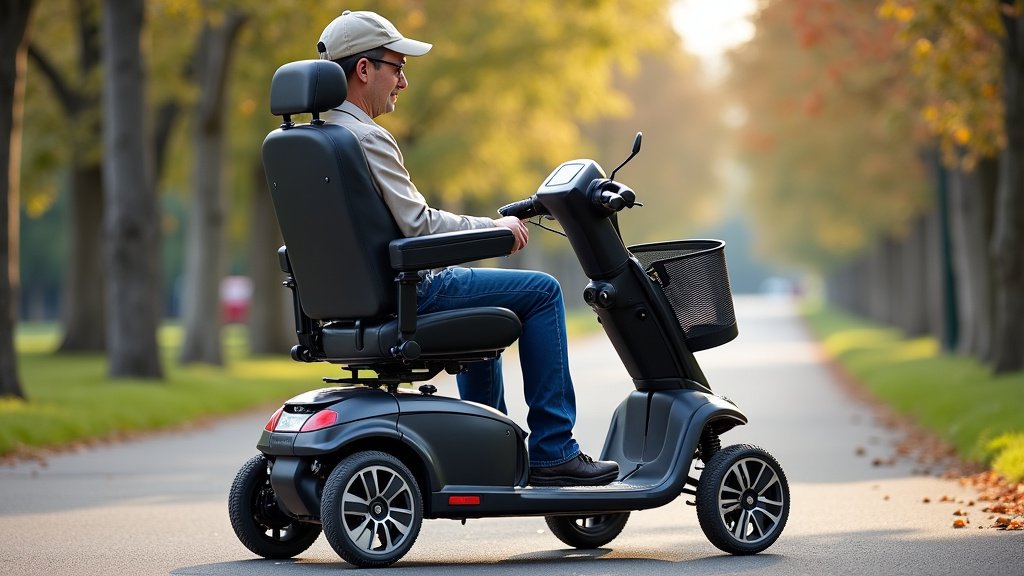
Maintaining Your Delta Tiller
Keeping your delta tiller in good shape is important for safe operation. Thankfully, maintenance is generally straightforward.
Regular Cleaning and Inspection
You should clean your tiller regularly. Use a damp cloth to wipe down the bar and controls. This prevents dirt and grime buildup. It also helps you spot any potential issues early on.
Periodically inspect the tiller for any signs of wear or damage. Check that the controls are functioning correctly. Ensure that the tiller still adjusts smoothly. If you notice any loose parts or unusual noises, it’s a good idea to have it checked by a professional.
Adjusting and Securing the Tiller
Remember that the tiller is adjustable. Make sure it’s set to a comfortable position for you. When you adjust it, ensure that it locks securely in place. You don’t want it to move unexpectedly while you’re driving.
Most tillers have a lever or a knob to secure the adjustment. Always double-check that this mechanism is tightened properly. This is a simple step that ensures your safety and control while you’re out and about.
Consider these basic maintenance tips as part of your routine. They help ensure your mobility scooter remains a reliable companion for your daily travels. Keeping it in good working order means fewer worries and more freedom.
Here’s a quick checklist for tiller care:
- Wipe down the tiller bar and controls regularly.
- Check that all buttons and levers are working smoothly.
- Ensure the tiller locks securely after each adjustment.
- Inspect for any signs of loose parts or damage.
- Keep the tiller area clean to prevent dirt buildup.
- If you notice issues, consult your scooter manual or a service technician.
Conclusion
You’ve learned that a delta tiller offers a unique steering experience for your mobility scooter. Its distinctive looped bar provides multiple grip options and can significantly improve comfort. For many users, especially those with hand or wrist fatigue, this design offers better stability and control. By understanding its features and comparing it to standard tillers, you can make an informed choice. We recommend you try out different tiller types if possible to see what feels best for your needs.
Frequently Asked Questions
Can anyone use a delta tiller, or is it for specific needs?
A delta tiller is often beneficial for individuals experiencing hand or wrist discomfort. Its design allows for varied grip positions, reducing strain. While many users find it more comfortable overall, it’s especially helpful for those needing enhanced support during steering.
How is a delta tiller different from a standard tiller?
The main difference is the shape. A delta tiller has a looped bar across the top, offering multiple ways to grip it. A standard tiller is typically a straight bar. This design difference impacts hand comfort and control options.
Are the controls on a delta tiller easy to reach?
Yes, the controls on a delta tiller are usually integrated directly into the bar. This placement means you can often adjust speed, power, or use the horn without moving your hands significantly. This makes operation feel more intuitive and less tiring.
Do delta tillers offer better stability than other types?
Many users report feeling a greater sense of stability with a delta tiller. The wider bar and the ability to adjust your grip can contribute to this feeling. This can be particularly reassuring when navigating different terrains or larger spaces.
Is a delta tiller harder to maneuver in tight spaces?
While the looped design is wider, it doesn’t typically make maneuvering in tight spaces significantly harder. The smooth steering action often compensates. If you have concerns, it’s always best to test a scooter with a delta tiller in various environments.
