
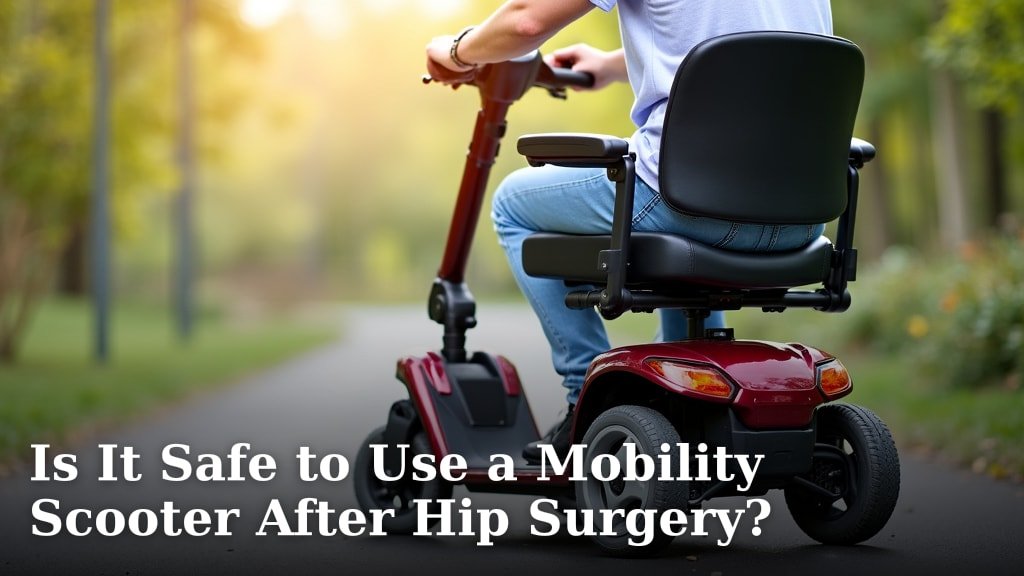
Yes, it is generally safe to use a mobility scooter after hip surgery, provided you have Our guide to the best mobility scooters for hip replacement recovery can help you choose the right one.doctor’s approval and follow specific guidelines. Many people find it a helpful tool for regaining independence during recovery. It can reduce strain on your healing hip.
Using a mobility scooter can allow you to move around your home and community with less pain. This can be a huge relief when simple tasks feel overwhelming. Remember, it’s not a replacement for physical therapy but a way to make recovery more manageable. Always discuss mobility aids with your healthcare provider first.
- Mobility scooters can be safe after hip surgery.
- Get your doctor’s OK before using one.
- It helps with independence and reduces strain.
- It’s a tool to aid recovery, not replace therapy.
Let’s dive into the specifics of when and how you can safely use a mobility scooter to help with your hip surgery recovery.
Mobility Scooters and Your Hip Surgery Recovery: A Safe Combination?
The short answer is a resounding yes, but with important caveats. Using a mobility scooter after hip surgery can be a fantastic way to regain your independence and manage daily life. It’s designed to reduce the physical strain on your healing hip. This means you can tackle tasks without overexerting yourself. Many people find it makes a big difference during what can be a tough recovery period (Cleveland Clinic).
Your doctor’s approval is the absolute first step. They understand your specific surgery and recovery needs. This isn’t a one-size-fits-all situation. Your surgeon will give you the green light when you’re ready. They’ll also advise on any limitations or precautions you should take.
When Can You Start Thinking About a Scooter?
Timing is everything when it comes to using a mobility aid post-surgery. You won’t be hopping on a scooter the day after your operation. Your initial focus will be on rest and following your physical therapist’s instructions. This typically includes gentle exercises to prevent stiffness and improve blood flow. Your doctor or physical therapist will assess your progress.
They’ll look at several factors before giving you the go-ahead. These include your pain levels, your ability to move safely, and any risks of falls. Generally, you’ll need to be able to sit upright comfortably for extended periods. You should also have some basic control over your movements. This might be several weeks or even a couple of months after your surgery.
Benefits of Using a Mobility Scooter After Hip Surgery
Let’s talk about why a scooter can be such a helpful friend during your recovery. The primary benefit is the reduced stress on your hip joint. Every step you take puts pressure on that area. A scooter eliminates most of that pressure. This can lead to less pain and a more comfortable recovery experience.
Another big win is regaining your sense of independence. Hip surgery recovery can make you feel very dependent on others. Suddenly, simple tasks like getting a glass of water or going to the bathroom can feel like major expeditions. A scooter allows you to move around your home with ease. It can also help you get to appointments or run quick errands outside the house, with your doctor’s permission, of course.
Scooters can also help you conserve energy. Recovery is tiring! You’re healing, and that takes a lot of your body’s resources. By using a scooter, you expend less energy on movement. This leaves more energy for healing and the exercises that are vital for your long-term recovery (NIH).
Increased Mobility, Decreased Strain
Think of it like this: imagine you’re carrying a heavy backpack. Every step is an effort. Now imagine you can roll that backpack on wheels. That’s what a scooter does for your hip. It takes the weight off your healing joint. This allows the surrounding tissues to repair without constant strain. It’s a gentle way to move when your body needs to focus on mending.
Psychological Boost
Feeling stuck at home can be tough mentally. The ability to move around on your own can significantly improve your mood. It combats feelings of isolation and helplessness. Being able to participate more actively in your household or community, even with limitations, can be a huge psychological lift. It’s a tangible step towards normalcy.
Factors to Consider Before Using a Mobility Scooter
While scooters offer great benefits, they aren’t a free pass for immediate mobility. Several factors need to be carefully considered. Your surgeon and physical therapist are your best resources here. They’ll guide you on what’s appropriate for your situation. Don’t try to rush this process!
Doctor’s Approval: The Non-Negotiable First Step
We can’t stress this enough: your doctor’s explicit consent is mandatory. They know the specifics of your hip replacement. They understand the type of surgery you had and any potential complications. They will assess if your hip is stable enough for you to use a scooter. They might also have specific instructions, like avoiding certain types of scooters or terrains.
Why is this so important? Your surgeon has to ensure that using a scooter won’t jeopardize the surgical repair. For example, certain movements or the need to push off with your legs could be detrimental. Your doctor will give you a clear timeline and guidelines based on your individual recovery progress.
Type of Hip Surgery Matters
Did you have a posterior, anterior, or lateral hip replacement? Each approach has different precautions. For instance, posterior approaches often have stricter limitations on hip flexion (bending) and internal rotation. Your surgeon will outline these precautions. You need to ensure the scooter you use and how you operate it don’t violate these rules. For example, some scooters might require more bending than is safe for your specific surgery type.
We found that many sources highlight the importance of understanding these specific precautions. For example, if you had a posterior approach, you might need to be extra careful not to bend your hip beyond 90 degrees. A scooter can help with this by allowing you to maintain a more open hip angle. Always clarify these precautions with your medical team.
Your Scooter Skills and the Environment
Can you safely operate a scooter? This involves steering, braking, and maneuvering. You need to be able to do this without putting undue stress on your hip. Your ability to control the scooter is key to preventing accidents. You also need to consider where you’ll be using it.
Are you planning to use it mainly indoors on smooth surfaces? Or will you need to navigate uneven sidewalks, ramps, or inclines? Different scooters are designed for different environments. A heavy-duty scooter might be needed for outdoor use. You should also consider the weight capacity of the scooter. Ensure it can safely support you.
Indoor vs. Outdoor Use
Indoor use is often the first stage. It allows you to get comfortable with the scooter in a controlled environment. You can practice turning, stopping, and getting on and off. Outdoor use requires more attention. You’ll need to be aware of traffic, pedestrians, and potential obstacles. Some scooters are more compact and easier to maneuver in tight indoor spaces. Others offer better suspension and larger wheels for outdoor terrain.
Weight Capacity and Stability
Every scooter has a maximum weight limit. It’s vital to choose one that can safely carry your weight. Exceeding this limit can damage the scooter and lead to accidents. Stability is also a concern. Scooters with three or four wheels are generally more stable than those with fewer. Ensure the scooter feels secure when you’re operating it.
Choosing the Right Mobility Scooter for Your Needs
Not all mobility scooters are created equal. Selecting the right one can make a significant difference in your comfort and safety. Think of it like choosing the right pair of shoes – it needs to fit your needs perfectly.
Key Features to Look For
When you’re shopping for or renting a scooter, keep these features in mind:
- Adjustable Seat Height and Armrests: This helps you find a comfortable position that doesn’t strain your hip.
- Easy-to-Use Controls: Look for simple, intuitive controls for speed and steering. You don’t want anything too complex.
- Comfortable Seat: You’ll be sitting for periods, so a well-padded and supportive seat is important.
- Turning Radius: A tighter turning radius is helpful for navigating tight spaces, especially indoors.
- Tire Type: Solid tires are maintenance-free and less likely to get a flat. Pneumatic tires offer a smoother ride but can go flat.
Scooter Types: A Quick Comparison
We found that scooters generally fall into a few categories. Understanding these can help you make an informed choice:
| Scooter Type | Best For | Considerations |
|---|---|---|
| Travel/Portable Scooters | Indoor use, short trips, easy disassembly for transport. | Lighter weight, may have less power and smaller wheels. |
| 3-Wheel Scooters | Excellent maneuverability, tighter turning radius. | Less stable than 4-wheel models, not ideal for very uneven terrain. |
| 4-Wheel Scooters | Maximum stability, better for outdoor use and varied terrain. | Wider turning radius, can be bulkier. |
| Heavy-Duty Scooters | Tougher terrain, longer distances, higher weight capacity. | More expensive, larger and heavier. |
Your physical therapist can help you decide which type best suits your recovery needs and your home environment. They might even have specific models they recommend based on common post-hip surgery precautions.
Safety Guidelines for Scooter Use Post-Surgery
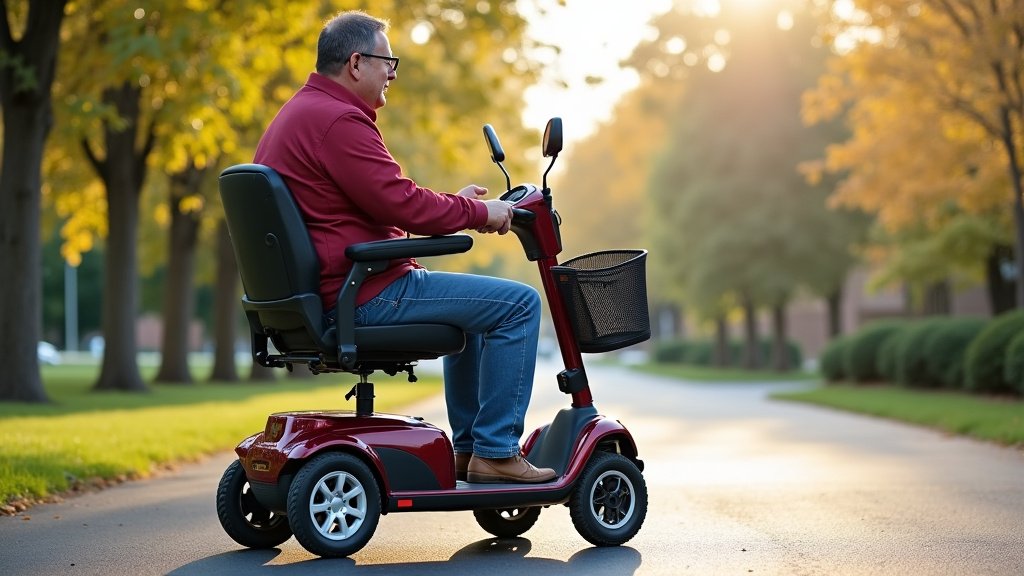
Using a mobility scooter safely is all about following smart practices. It’s about making sure you’re helping your recovery, not hindering it. Here’s a checklist to keep you on the right track:
- Always get your doctor’s OK first. This is the golden rule.
- Start slow and practice in a safe area. Get used to the controls.
- Keep your movements smooth. Avoid sudden stops or jerky turns.
- Do not exceed your prescribed limits. Follow your doctor’s advice on bending and movement.
- Be aware of your surroundings. Watch out for obstacles, especially uneven surfaces.
- Ensure the scooter is properly charged or fueled. Don’t get stranded!
When to Avoid Using Your Scooter
There will be times when using your scooter isn’t the best idea. Listen to your body and heed medical advice. If you experience increased pain in your hip, it’s a sign to stop and rest. If you feel unsteady or dizzy, avoid operating the scooter. Always follow your physical therapist’s guidance on when to increase or decrease your activity.
Sometimes, even with doctor’s approval, your body might not feel up to it on a particular day. That’s okay. Recovery has its ups and downs. A scooter is a tool to help you, not a requirement you must fulfill every single moment. If you’re feeling unwell or overly fatigued, it’s perfectly fine to rely on others or simply rest.
Conclusion
Using a mobility scooter after hip surgery can greatly improve your recovery journey. It offers a safe way to regain independence and reduce strain on your healing hip. Remember, your doctor’s approval is the essential first step. Always follow their specific guidance regarding scooter use, including type and duration. By carefully considering your options and safety guidelines, you can make a mobility scooter a powerful tool for a smoother recovery. Don’t hesitate to discuss any concerns with your healthcare team to ensure you’re making the best choices for your health.
Frequently Asked Questions
How long after hip surgery can I use a mobility scooter?
The timeline for using a mobility scooter after hip surgery varies. Your doctor or physical therapist will assess your recovery progress. They’ll consider your pain levels and ability to move safely. Generally, it may be several weeks to a couple of months post-operation before you get the go-ahead.
Can a mobility scooter interfere with physical therapy?
No, a mobility scooter is meant to aid your recovery, not replace physical therapy. It helps you conserve energy and reduce pain, making it easier to participate in your prescribed exercises. Always use it as directed by your healthcare team to support, not hinder, your therapy goals.
What type of mobility scooter is best after hip surgery?
The best scooter depends on your specific needs and your surgeon’s precautions. Generally, scooters with adjustable seats and armrests, easy controls, and good stability are recommended. Your physical therapist can help you choose a model that aligns with your surgery type and daily activities.
Are there any movements I should avoid while on a mobility scooter after hip surgery?
Yes, you must follow your surgeon’s precautions. For example, if you had a posterior hip approach, you might need to avoid bending your hip past 90 degrees or twisting it. Ensure the scooter allows you to maintain safe, recommended postures and avoid any movements that could strain your new hip.
Can I use a mobility scooter outdoors on uneven terrain?
Outdoor use on uneven terrain depends on your scooter type and your doctor’s approval. Heavy-duty scooters with better suspension are more suited for varied surfaces. However, always prioritize safety and ensure you can control the scooter without risk of falls or undue stress on your hip. Stick to smooth, predictable paths whenever possible.
