
The cost of a mobility scooter ramp can range widely, typically from $100 to $1,000 or more. You’ll find that portable ramps are often the most affordable option. Permanent installations will naturally cost more. The price really depends on the material, length, and weight capacity you need.
When budgeting for a ramp, consider both the initial purchase price and any potential installation costs. We found that factors like non-slip surfaces and brand reputation also play a role in the final price. You want a ramp that’s safe and reliable for your specific needs.
- Ramp costs vary widely, usually $100-$1,000+.
- Portable ramps are generally cheaper.
- Permanent ramps cost more due to installation.
- Material, length, and weight capacity affect price.
- Consider safety features and brand for your budget.
Let’s break down the different types of ramps and what you can expect to pay for each to help you make the best choice for your home.
Understanding Mobility Scooter Ramp Pricing
So, you’re looking into mobility scooter ramps and wondering about the price tag. It’s a smart question to ask! Prices can really swing quite a bit. We’ve found that most ramps fall somewhere between $100 and $1,000, sometimes even more.
What makes one ramp cost more than another? It’s a mix of things. Think about the material it’s made from, how long it needs to be, and how much weight it needs to support. These are the big drivers of cost.
Factors Influencing Ramp Costs
Let’s dive deeper into what really affects the price of your mobility scooter ramp. It’s not just about buying a ramp; it’s about finding the right ramp for your needs and your budget.
Material Matters: What’s it Made Of?
The materials used for a ramp play a huge role in its durability, weight, and of course, its price. You’ll see a few common options.
Aluminum Ramps
Aluminum ramps are a popular choice. They are generally lighter than steel but still quite strong. This makes them easier to move around if you choose a portable option. You’ll often find these in the mid-price range.
We found that aluminum ramps can offer a good balance of strength and portability. Many are designed to be weather-resistant, which is great for outdoor use. Expect to pay roughly $200 to $600 for a decent aluminum ramp, depending on its length and features.
Rubber Ramps
Rubber ramps are often the most budget-friendly option. They’re typically used for small rises, like a single step or a doorway threshold. They provide excellent grip and are very durable. These are perfect for low-rise situations.
For small rubber ramps, prices can start as low as $50 to $150. They’re not usually suitable for longer inclines, but they solve a specific problem very well. They are very easy to install too.
Steel Ramps
Steel ramps are built for serious **heavy-duty use**. They are incredibly strong and can support the heaviest mobility scooters. Because steel is heavier and sometimes more costly to manufacture, these ramps tend to be at the higher end of the price spectrum.
If you need a ramp that can handle a lot of weight and provide maximum stability, steel is a great choice. You might see prices ranging from $400 to $1,000+ for high-quality steel ramps, especially those that are custom-built or very long.
Composite Ramps
Composite ramps are made from a mix of materials, often wood fibers and recycled plastic. They can be a good middle ground, offering good durability and weather resistance. Their price often falls between aluminum and steel, typically around $300 to $800.
Length and Height: The Bigger the Rise, The Bigger the Price
The length of the ramp is directly related to the height of the obstacle you need to overcome. A taller step or doorway requires a longer ramp to create a safe, gradual incline.
Generally, the longer the ramp, the more material is needed, and thus, the higher the cost. Safety guidelines often recommend a specific slope ratio. For example, the Americans with Disabilities Act (ADA) suggests a slope of no more than 1:12. This means for every inch of vertical rise, you need at least 12 inches of ramp length.
So, a ramp for a 6-inch step would ideally be at least 72 inches (6 feet) long. This principle applies across all material types. A 10-foot aluminum ramp will cost more than a 4-foot aluminum ramp. We found that for every extra foot of length, you can expect the price to increase by approximately $50 to $150.
Weight Capacity: How Much Does it Need to Hold?
Your mobility scooter has a weight, and the ramp needs to safely support that, plus the weight of the user. Ramps are rated for a specific weight capacity. Higher weight capacities mean more robust construction and stronger materials, which naturally drives up the price.
Most standard ramps are designed to hold at least 300-500 pounds. If you have a heavier scooter or need extra peace of mind, you’ll look for ramps with capacities of 600 pounds or more. These heavy-duty options will cost more, often adding 10-20% to the base price.
Types of Mobility Scooter Ramps and Their Costs
The type of ramp you choose will significantly impact the cost. Let’s look at the most common categories.
Portable Ramps: Your Flexible Friend
Portable ramps are designed for temporary use or for navigating varying small obstacles. They are often lightweight and foldable, making them easy to transport. Think of ramps for a single step, a threshold, or maybe a small porch lip.
Suitcase Ramps
These are a very popular type of portable ramp. They fold in half like a suitcase, making them easy to carry and store. They are typically made of aluminum and come in various lengths. For a suitcase ramp, you can expect to spend between $150 and $400.
Folding Ramps
Similar to suitcase ramps, these also fold, often in multiple sections, for easier transport. They might offer a bit more length than suitcase styles. Prices for folding ramps generally range from $200 to $500.
Threshold Ramps
These are the smallest and often the most affordable ramps. They are designed to sit over a doorway threshold or a small lip. They are usually made of rubber or aluminum. You can find these for as little as $50 to $200.
Semi-Permanent and Permanent Ramps: A Sturdier Solution
These ramps are designed for more consistent use and are either secured in place or built to last. They offer greater stability and are often required for larger elevation changes.
Modular Ramps
Modular ramp systems are made of sections that can be assembled to create a longer, custom fit for your home. They often include platforms and handrails. Because they are more involved, the cost is higher, typically ranging from $500 to $2,000+, depending on the size and complexity.
These systems provide a very safe and compliant solution, especially for longer slopes. Many people choose these for their main entryway.
Permanent Ramps (Concrete, Wood, or Metal)
These are built on-site and are intended to be a permanent fixture. They offer the most stability and can be customized to fit any space perfectly. The cost here can vary wildly based on materials, labor, and whether you need professional installation.
A permanent ramp could cost anywhere from $1,000 to $5,000 or more. Concrete ramps are durable but require professional work. Wooden ramps can be built by a handyman but require maintenance. Metal ramps offer durability and can be fabricated to specific needs.
Installation Costs: Is it Included?
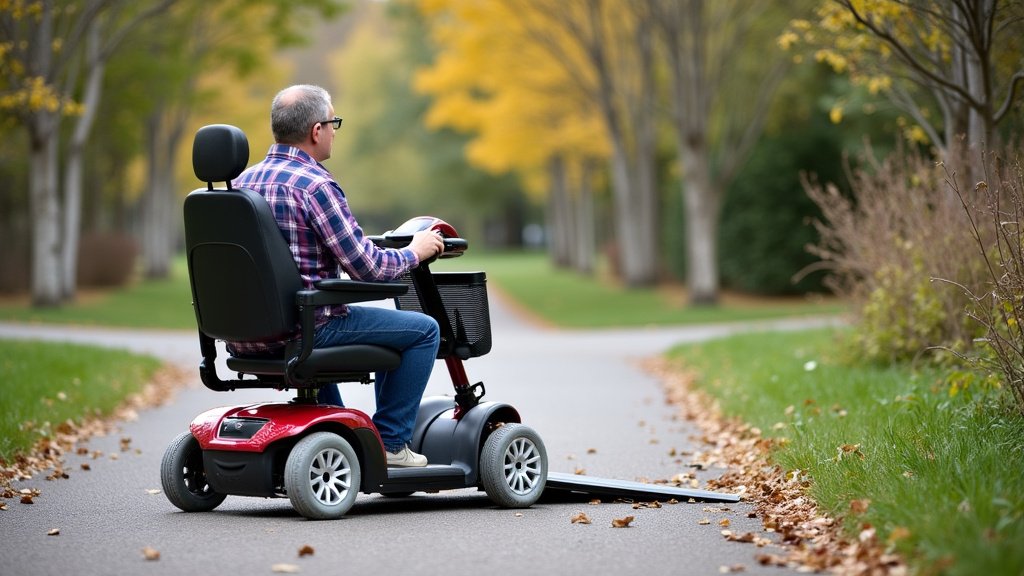
For portable ramps, installation is usually not a factor. You simply place them where you need them. However, for semi-permanent or permanent ramps, you might need professional installation.
If you’re looking at modular or permanent ramps, always ask if installation is included in the quote. If not, you’ll need to budget for it. Professional installation can add $200 to $1,000+ depending on the complexity of the job. Sometimes, you might be able to use a general contractor or handyman for simpler installations, which could be more affordable.
Other Features That Affect Price
Beyond the basics, certain features add to the cost but can greatly improve safety and usability.
Non-Slip Surfaces
A good non-slip surface is **essential for safety**, especially in wet conditions. Most ramps come with some form of textured surface. However, premium grip surfaces or added coatings can increase the price slightly, often by $20 to $50.
Handrails
For longer or steeper ramps, handrails are a key safety feature. They provide extra support for walking or steadying yourself. Ramps that come with integrated handrails, or where handrails can be easily added, will cost more. Expect an additional $100 to $300 for ramps with good quality handrails.
Brand Reputation and Warranty
Like many products, some brands are known for higher quality and durability. These trusted brands might charge a premium for their reputation and the quality assurance they offer. A longer warranty period can also be an indicator of a better-built product and might come with a slightly higher price tag.
Your Ramp Shopping Checklist
Before you click “buy,” consider these quick points to help you find the right ramp and manage your budget:
- Measure accurately: Know the exact height and length needed.
- Consider weight capacity: Ensure it supports your scooter plus extra.
- Portable vs. Permanent: Decide if you need flexibility or a fixed solution.
- Material preferences: Aluminum, steel, rubber, or composite?
- Safety features: Non-slip surface and handrails are important.
- Installation costs: Factor this in for permanent or modular systems.
By carefully considering these factors, you can find a mobility scooter ramp that fits your needs, your space, and your budget. We want you to feel confident and safe navigating your home.
Conclusion
You’ve seen how mobility scooter ramp costs can really vary, from affordable rubber thresholds around $50 to elaborate permanent systems well over $5,000. Remember, the material, length, and weight capacity are your biggest cost drivers. Portable options offer flexibility for a lower price, while permanent installations provide long-term stability at a higher investment. Always factor in potential installation fees and consider safety features like non-slip surfaces. Take your time, measure carefully, and choose the ramp that best supports your independence and fits your budget.
Frequently Asked Questions
Are there any hidden costs I should know about besides the ramp itself?
Yes, for longer or permanent ramps, you might encounter installation fees. These can range from a couple hundred to over a thousand dollars depending on the complexity. Also, consider any permits required in your area for permanent structures.
Can I get a mobility scooter ramp for free or at a very low cost?
Sometimes. Check with local disability organizations, veteran affairs, or government programs for potential grants or subsidies. Your insurance or Medicare might also cover some costs if prescribed by a doctor for medical necessity.
How much does a durable, heavy-duty ramp typically cost?
For a heavy-duty ramp built for higher weight capacities, expect to pay more. These are often made of steel or robust composite materials. Prices can start around $400 and go up to $1,000 or more, especially for longer, custom-built options.
What’s the difference in price between a ramp for a single step versus a ramp for a porch?
A ramp for a single step, like a threshold ramp, is usually very affordable, often under $200. A ramp for a porch, which is higher and requires more length for a safe slope, will cost significantly more, potentially $300 to $1,000+ depending on its design and material.
Are modular ramp systems more expensive than permanent concrete ramps?
Generally, modular ramp systems fall into a mid-range price bracket, often between $500 and $2,000+. Permanent concrete ramps can be more expensive, especially when factoring in professional labor and site preparation, often starting at $1,000 and going much higher.
