

Do zoos provide mobility scooters? Yes, many zoos do offer mobility scooters for rent to help visitors with limited mobility enjoy their day. You can often find these rentals at the zoo’s main entrance or guest services. Planning ahead ensures you can find one easily.
When planning your visit, it’s wise to check the specific zoo’s website beforehand. This helps you confirm scooter availability and understand their rental policies. Some zoos may have a limited number of scooters, so arriving early is a good idea.
- Many zoos rent mobility scooters.
- Check the zoo’s website for availability.
- Rentals are often at the main entrance.
- Arrive early for the best chance.
- This makes your visit more comfortable.
Below, we’ll walk you through what you need to know about mobility scooter rentals at zoos, so you can have a fantastic and easy day out.
So, you’re planning a fun day out to the zoo and wondering about getting around? We get it! Zoos can be quite large, and walking for hours might not be comfortable for everyone. The good news is, most zoos are prepared for this and want you to have a great time, no matter your mobility needs.
Navigating the Zoo with Ease: Scooter Options
Do zoos offer ways to make exploring easier for visitors who need a little extra help? Yes, many zoos do provide mobility scooters for rent. This is a fantastic option for those who find walking long distances challenging. It allows you to cover more ground without getting tired. Think of it as your personal chariot for animal adventures!
What Kind of Scooters Are Available?
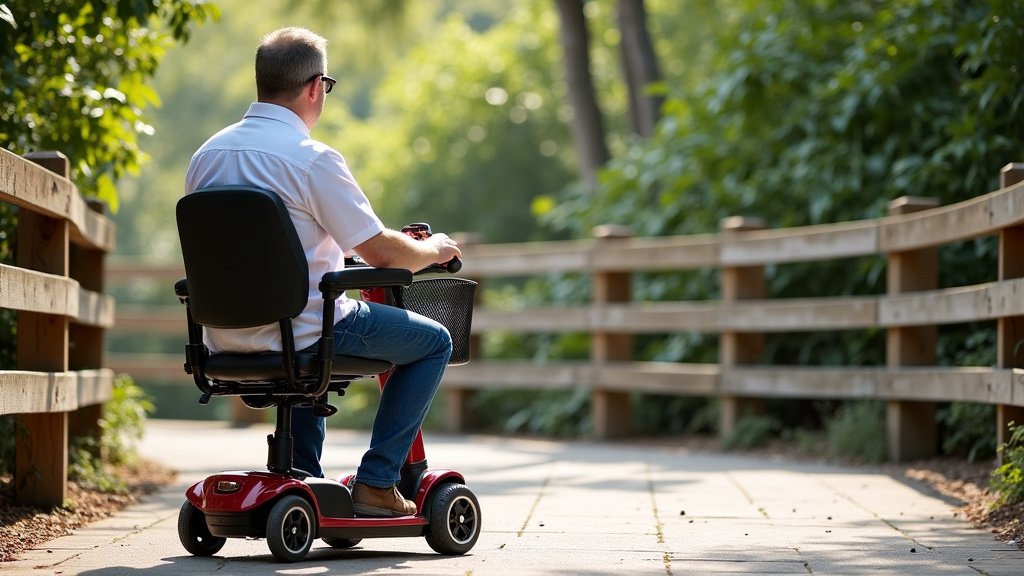
The scooters you’ll find at zoos are typically designed for ease of use. They are usually electric and have a comfortable seat. You’ll find they are quite stable and simple to operate. Most models are designed for one person, though some might have a small basket for your belongings. They are built to handle the paved paths found throughout most zoo grounds. The scooters you’ll find at zoos are typically designed for ease of use, similar to the best mobility scooters for everyday use.
We found that these scooters are generally easy to control. You’ll usually find a simple joystick or dial to manage speed and direction. Most zoos will give you a quick rundown on how to operate them before you head out. It’s really not much different from driving a small electric cart.
Where Can You Rent a Mobility Scooter?
The most common place to find scooter rentals is at the main entrance or the guest services desk. When you first arrive, look for signs directing you to these areas. Having this information upfront can save you time and worry once you’re there. Sometimes, they might also be available at other central points within the zoo, but the main entrance is your best bet.
It’s always a smart move to check the specific zoo’s website before your visit. Many zoos will clearly list their accessibility services online. You can often find details about scooter rentals, including pricing and availability, right there. This research helps you plan your arrival time accordingly.
Making Your Zoo Visit Smooth: Planning Ahead
When it comes to getting a scooter, a little preparation goes a long way. You want to ensure you get one without any hassle. Here’s what we found helps most visitors.
Confirming Availability and Policies
Because zoos often have a limited number of mobility scooters, confirming their availability is key. A quick look at their website or a phone call can give you peace of mind. Some zoos might also have specific policies regarding scooter rentals, such as age restrictions or requirements for a driver’s license, although this is less common for standard electric scooters.
We discovered that most zoos do not require a deposit, but it’s good to ask. Rental fees vary from zoo to zoo. You might pay a flat fee for the day or an hourly rate. Knowing the cost upfront helps with your budget for the day.
Arriving Early for Your Best Chance
If you have your heart set on a mobility scooter, we recommend arriving early in the day. This is especially true for popular zoos or during peak seasons like summer or holidays. The early bird truly gets the worm – or in this case, the scooter!
Being one of the first visitors through the gates increases your chances of securing a scooter. You won’t have to worry about them being all checked out. This also gives you more time to enjoy the animals and exhibits without feeling rushed.
What to Expect When You Arrive
Upon arrival, head straight to the designated rental area. You’ll likely need to fill out a brief rental agreement. Have your identification ready, just in case. The staff will then show you how to operate the scooter safely.
Don’t hesitate to ask questions! The zoo staff are there to help make your visit enjoyable. They can offer tips on the best routes to take and point out accessible restrooms or seating areas. They want you to have a wonderful, stress-free experience.
Beyond Scooters: Other Accessibility Features
While mobility scooters are a great option, zoos often provide other features to enhance accessibility. It’s good to know what else might be available to make your day even better.
Wheelchair Rentals
Many zoos also offer wheelchair rentals. These are a good alternative if scooters aren’t available or if you prefer a wheelchair. They function much like the scooters in terms of location and rental process.
You’ll find these rentals at the same guest services locations. If you have a companion with you, they can help push you around. This is another excellent way to navigate the zoo comfortably.
Accessible Pathways and Amenities
Reputable zoos are committed to accessibility. This means you’ll usually find smooth, paved pathways throughout the park. These paths are generally wide enough for wheelchairs and scooters to pass each other easily.
You’ll also find that many exhibits are designed with accessibility in mind. Viewing areas are often at various heights, making it easier for everyone to see the animals. Accessible restrooms and ample seating areas are also common.
Some zoos even offer accessible transportation within the park, like trams or monorails. These can be a lifesaver if the zoo is particularly large. Check the zoo’s map or ask guest services about these options when you arrive.
Service Animals and Zoos
It’s important to note that while personal mobility devices are welcome, most zoos have strict policies regarding service animals. Typically, only trained service animals are allowed. Emotional support animals or pets are generally not permitted for the safety of the zoo animals and the public.
The Centers for Disease Control and Prevention (CDC) provides guidelines on service animals. These guidelines help ensure the well-being of all creatures. If you plan to bring a service animal, always check the zoo’s specific policy beforehand.
Tips for a Fantastic Zoo Day with Mobility Aids
To ensure your zoo trip is as enjoyable as possible, keep these practical tips in mind. Planning makes perfect, especially when navigating a large park.
- Review the Zoo Map: Before you go, or upon arrival, get a map. Highlight accessible routes and points of interest.
- Charge Your Devices: If you’re using a personal electric scooter or wheelchair, make sure it’s fully charged.
- Pack Essentials: Bring water, snacks, sunscreen, and any necessary medications.
- Rest Stops are Your Friend: Take advantage of the many benches and rest areas. Don’t feel like you have to rush.
- Communicate Needs: If you need assistance, don’t hesitate to ask zoo staff. They are there to help!
A mobility scooter or wheelchair can truly transform your zoo experience. It allows you to focus on the wonder of the animal kingdom without the strain of extensive walking. We want you to have an amazing time connecting with nature and enjoying all the zoo has to offer.
Understanding Rental Costs and Duration
Let’s talk about the practicalities of renting. We know budget and time are important factors for any outing.
Rental fees can differ significantly between zoos. Some might charge around $15-$30 for a full day’s rental. Others may have a slightly lower daily rate or even an hourly charge. It’s always best to verify the pricing on the zoo’s official website or by calling them directly. This helps you plan your budget effectively.
The rental period usually extends for the entire day the zoo is open. However, it’s wise to confirm this policy. Some rental agreements might have specific return times, especially if the zoo closes early on certain days. Knowing the duration helps you plan your itinerary for the day.
What if the Scooters are All Rented Out?
This is a valid concern, and it’s why we stress arriving early. If you arrive and find that all the zoo-provided mobility scooters are already rented, don’t despair!
You have a few options. First, consider a wheelchair rental if those are still available. Many zoos have a good stock of wheelchairs. Second, some zoos might have partnerships with local rental companies. You could potentially rent a scooter from a private company and bring it to the zoo, though you’d need to confirm if this is allowed.
Finally, focus on the zoo’s accessibility features. Utilize any trams or buses within the park. Plan your visit to focus on exhibits closer to the entrance. Sometimes, a slightly modified plan can still lead to a fantastic experience. Remember, the goal is to enjoy the animals!
| Feature | Mobility Scooter | Wheelchair | Personal Electric Scooter/Wheelchair |
|---|---|---|---|
| Availability | Limited, rent from zoo | Often available, rent from zoo | Bring your own (check policy) |
| Cost | Daily or hourly rental fee | Often lower daily or hourly fee | No rental fee, but initial cost |
| Operation | Self-operated electric | Self-propelled or pushed by companion | Self-operated electric |
| Best For | Visitor needing personal transport over distances | Visitor needing assistance or less independent mobility | Visitor with specific needs or preferences |
This table should give you a quick overview of your choices. Each option has its benefits, and the best choice depends on your personal needs and the zoo’s offerings.
Conclusion
You’ve learned that many zoos are well-equipped to help you enjoy your visit, with mobility scooters being a popular rental option. Remember, checking the zoo’s website beforehand is your best bet for confirming availability and rental policies. Arriving early significantly increases your chances of securing a scooter, ensuring a comfortable and stress-free experience. This preparation lets you focus on the amazing animals and exhibits, making your zoo adventure truly memorable and accessible for everyone.
Frequently Asked Questions
Can I reserve a mobility scooter in advance at a zoo?
Most zoos do not offer advance reservations for mobility scooters. Availability is typically on a first-come, first-served basis. We recommend arriving early on the day of your visit to maximize your chances of renting one.
How much does it typically cost to rent a mobility scooter at a zoo?
Rental fees can vary, but we found that daily rates often range from $15 to $30. Some zoos might offer hourly rates as well. It’s always a good idea to check the specific zoo’s website for their current pricing.
Are personal electric scooters allowed at zoos?
Generally, personal electric scooters and wheelchairs are allowed, but it’s essential to check the zoo’s individual policy. Some may have restrictions on size or type for safety reasons. This helps ensure everyone has a safe experience.
What happens if all the mobility scooters are already rented out?
If scooters are unavailable, many zoos offer wheelchair rentals as an alternative. You can also inquire about accessible trams or buses within the zoo, or focus on exhibits closer to the entrance. Adaptability can still lead to a great day.
Do I need a driver’s license to rent a mobility scooter at a zoo?
Typically, you do not need a driver’s license to rent a standard electric mobility scooter from a zoo. Rental agreements usually just require a signature and adherence to the operating rules. Staff will usually provide a brief orientation on how to use it.
