
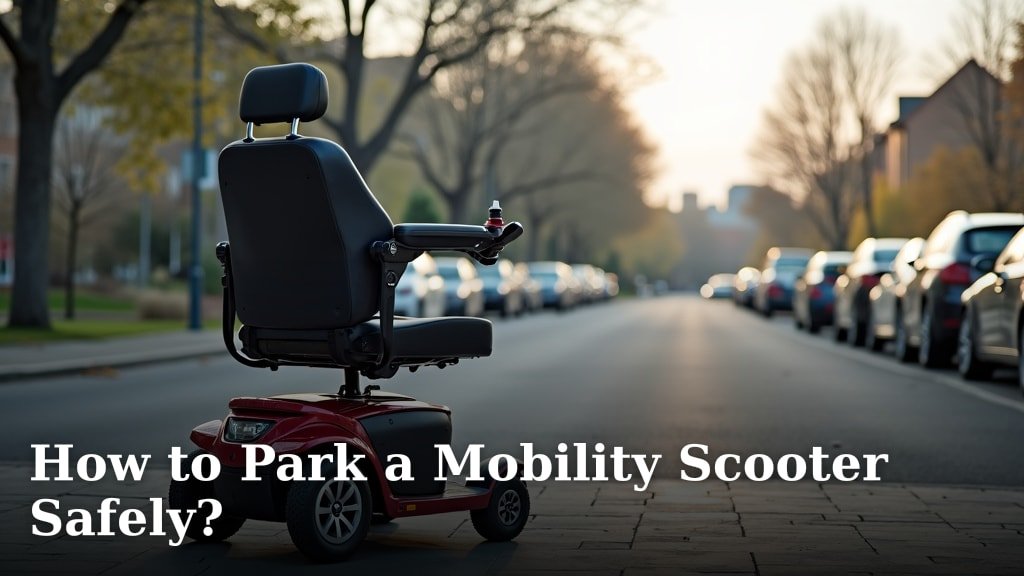
Parking your mobility scooter safely is all about choosing the right spot and making sure it’s secure. You should always look for a stable, level surface away from walkways and doorways. This prevents accidents and keeps pathways clear for everyone. It’s an important step for your own safety and the safety of others.
When you park, think about where people walk and where they need to go. You don’t want your scooter to be a tripping hazard or block an emergency exit. Many experts recommend parking your scooter in a designated area if one is available. This ensures everyone has a good experience.
- Park on a stable, level surface.
- Keep scooters away from walkways and doorways.
- Ensure your scooter doesn’t block exits.
- Use brakes and a wheel lock for extra security.
- Consider a designated parking spot if available.
Let’s walk through exactly how to park your mobility scooter so you can feel confident and secure. We’ll cover the best practices and a few handy tips.
Finding the Best Spots to Park Your Mobility Scooter
Parking your mobility scooter might seem straightforward, but doing it the right way keeps you and others safe. You want a spot that’s stable and level. Avoid slopes or soft ground. This prevents your scooter from rolling away or tipping over. A good parking spot is also out of the way. It shouldn’t obstruct pathways or doorways. Think about where people walk and where they need to go. You don’t want to be a tripping hazard.
Where to Park: Indoor Locations
When you’re inside a building, like a shop or a doctor’s office, look for designated parking areas. Many public places are becoming more accessible. They often have specific spots for mobility devices. If you can’t find a designated area, aim for a corner. Make sure it’s a place where you won’t block traffic flow. Behind a large pillar or in a quiet alcove can work well. Avoid parking near elevators or automatic doors that open suddenly. You don’t want your scooter to get bumped. Understanding the difference between a 3-wheel and 4-wheel mobility scooter can help you choose the best one for your needs.
Where to Park: Outdoor Locations
Outdoors, the same principles apply. Find a flat, firm surface. Paved areas are usually best. Grass can be tricky, especially if it’s wet or uneven. Avoid parking on sandy or gravelly areas. These surfaces can cause your scooter to sink or become unstable. If you’re at a park or outdoor event, look for designated seating areas or clear, wide paths. Try to park away from high-traffic zones. This is especially important if you plan to be away from your scooter for a while.
Parking Near Amenities
When parking near amenities like restrooms or information desks, choose a spot that allows easy access for you. You don’t want to have to navigate crowded areas just to reach a facility. Parking a little further away in a clear space can be much more practical. It ensures you can get to where you need to go without difficulty and park safely upon your return.
Securing Your Mobility Scooter When Parked
Once you’ve found a good spot, securing your scooter is the next vital step. This protects it from theft and accidental movement. Most mobility scooters have built-in braking systems. But adding an extra layer of security is always a good idea. Think of it like putting on your seatbelt, even for a short drive. It’s a habit that ensures safety.
Engaging the Brakes
The most basic step is to engage your scooter’s brakes. Most models have an automatic brake system. This engages when you release the throttle. However, it’s wise to double-check. If your scooter has a manual parking brake, make sure it’s engaged. This is especially true if you’re on even a slight incline. You want to be absolutely sure it won’t budge.
Using the Wheel Lock
Many mobility scooters come with a key-operated wheel lock. This is a fantastic feature for added security. When you turn the key to the locked position, it prevents the wheels from turning. This is a strong deterrent against theft. It also adds an extra layer of safety if the automatic brakes were to fail for some reason. Always ensure you have your key with you!
Consider Accessories for Extra Security
For long-term parking or in areas where theft is a concern, consider additional security measures. There are various scooter locks available on the market. These can range from cable locks to more robust chain locks. You can loop these through the frame of your scooter and secure them to a fixed object. Always choose a lock that is difficult to cut. Researching different types will help you find one that suits your needs and your scooter’s design.
When to Use Extra Security
You’ll want to use extra security measures when parking for extended periods. This includes overnight stays or when you’re leaving your scooter unattended in a public place for a long time. Think about places like train stations, airports, or shopping centers. If you’re just popping into a shop for five minutes, your built-in brakes might be enough. But for longer durations, the extra step is worth it.
Avoiding Common Parking Mistakes
Even with the best intentions, some parking habits can cause problems. Understanding these common errors can help you avoid them. The goal is always to keep pathways clear and ensure your scooter is safe and accessible for your return.
Blocking Walkways and Doorways
This is probably the most frequent mistake. Parking your scooter right in front of a door or in the middle of a busy walkway is a major no-no. It can cause people to trip or be forced into traffic. It also prevents others, including those with disabilities, from accessing areas easily. Always leave ample space for people to pass. Imagine you are walking that path yourself. Would you want to squeeze by?
Parking on Uneven or Soft Surfaces
We’ve touched on this, but it bears repeating. Parking on grass, dirt, or gravel can be problematic. Your scooter could sink, making it difficult to move later. It can also tip over, especially if it’s not perfectly level. Mud can get into your scooter’s mechanisms. Always try to find a hard, level surface. Concrete, asphalt, or sturdy tiles are your best bets.
Obstructing Emergency Exits
This is a safety hazard that can have serious consequences. Never park your scooter in front of or near an emergency exit. Fire codes and safety regulations strictly prohibit this. In an emergency, these exits must be clear and accessible. Your scooter could become a dangerous obstruction. Always be aware of your surroundings and any posted signage.
Leaving the Scooter Unattended and Unsecured
Leaving your scooter unlocked and unsecured is an invitation for trouble. Theft is a real concern. Even if it’s not stolen, someone might accidentally bump into it. This could cause damage or lead to it falling over. Always engage your brakes and consider a lock, especially if you’ll be out of sight for more than a few minutes.
A Quick Checklist for Safe Scooter Parking
Here’s a simple checklist to help you remember the key steps every time you park your mobility scooter:
- Find a Level Spot: Ensure the ground is flat and stable.
- Clear Pathways: Park away from doorways and busy walkways.
- Check Brakes: Engage automatic or manual parking brakes.
- Use Wheel Lock: Secure the wheels with the key lock if available.
- Consider a Real Lock: Use a chain or cable lock for extra security in high-risk areas.
- Be Mindful of Exits: Never block emergency exits.
Following these steps ensures your scooter stays put and doesn’t cause any issues for others. It’s all about being considerate and maintaining your own security.
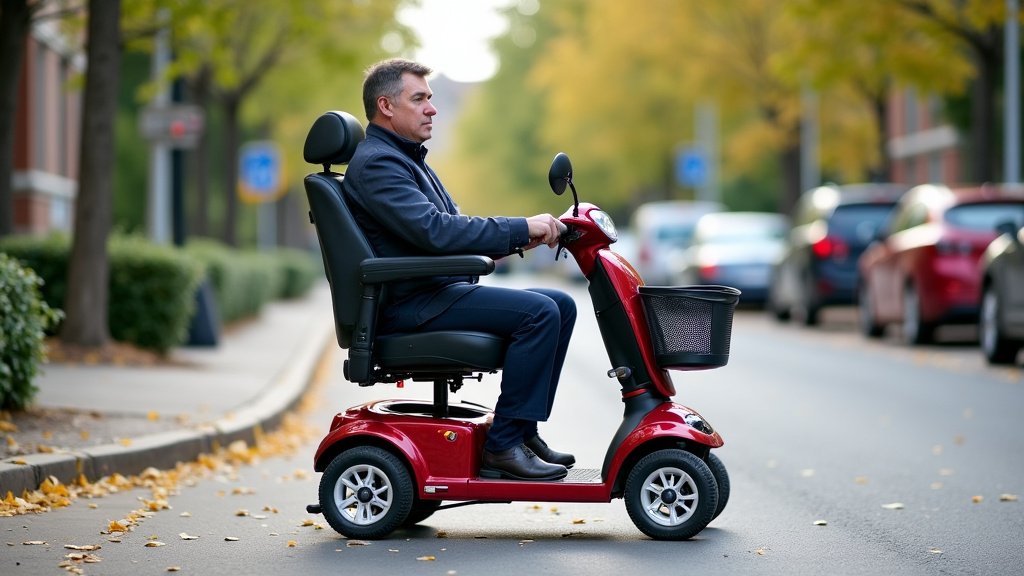
Understanding Your Mobility Scooter’s Features
Your mobility scooter is designed with safety in mind. Knowing its specific features can help you park more effectively. Manufacturers put a lot of thought into how these devices operate. Understanding these details is key to using them confidently.
The Importance of the Owner’s Manual
Your owner’s manual is your best friend when it comes to understanding your scooter. It details how to operate the brakes, the wheel lock, and any other safety features. It will also offer specific guidance on parking for your particular model. If you’ve misplaced yours, most manufacturers offer digital copies on their websites. Taking a few minutes to review it can prevent a lot of potential problems down the line.
Battery Care and Parking
While not directly about parking location, how you park can affect your battery. If you need to charge your scooter, ensure you’re doing so in a safe place. Avoid charging in tight, cramped areas where the charging cable could be a tripping hazard. Also, some experts suggest that storing your scooter with the batteries fully charged is best for their longevity (National Institute on Aging). When parking for longer periods, consult your manual about battery storage recommendations.
Understanding Weight Limits and Stability
Mobility scooters have specific weight limits and stability ratings. Parking on a steep incline or very soft ground can exceed the scooter’s stable operating parameters. This can lead to tipping or damage. Always be aware of the conditions around you. If a surface looks questionable, it probably is. It’s better to be safe and find a more secure parking spot.
Mobility Scooter Parking Etiquette
Parking your scooter isn’t just about physical safety; it’s also about courtesy. Being mindful of others makes public spaces more accessible for everyone. It shows consideration and helps foster a more inclusive environment.
Being Considerate of Others
Think about how your parked scooter might affect others. Will it block someone’s view? Could it make it difficult for a parent with a stroller to pass? By parking thoughtfully, you contribute to a smoother experience for everyone. It’s about sharing space respectfully. We found that small acts of consideration go a long way.
Designated Parking Spaces
Many venues now offer designated accessible parking spots. These are often wider and strategically placed for ease of access. If your scooter requires such a space, use it. If you’re using a general parking spot and there are designated ones available for other needs (like parent parking), consider if your scooter might fit better elsewhere. Again, it’s about efficient use of space for everyone.
Communicating Your Needs (If Necessary)
If you need to park your scooter in a particular spot that might be slightly inconvenient for others, a friendly word can help. For example, if you need to park near an electrical outlet to charge. A quick, polite explanation can prevent misunderstandings. “Excuse me, I just need to park here for a bit to charge my scooter” can make a big difference.
| Do | Don’t |
|---|---|
| Park on a level, firm surface. | Park on grass, sand, or gravel. |
| Park in a corner or alcove, away from main traffic. | Block doorways, ramps, or stairs. |
| Ensure clear passage for pedestrians. | Obstruct emergency exits or fire lanes. |
| Engage brakes and use a wheel lock. | Leave your scooter unlocked in public. |
| Consider a designated parking area if available. | Park where your scooter could easily tip or be bumped. |
Conclusion
Parking your mobility scooter safely and considerately is simple when you follow a few key principles. Always look for a stable, level surface and keep your scooter out of the way of walkways and doorways. Engaging your brakes and using a wheel lock adds an extra layer of security, protecting both your scooter and those around you. By being mindful of your surroundings and the needs of others, you ensure a positive experience for everyone. Make it a habit to always do a quick mental check before you walk away from your scooter.
Frequently Asked Questions
What is the best surface to park my mobility scooter on?
You should always aim for a stable, firm, and level surface. Paved areas like concrete or asphalt are ideal. Avoid parking on grass, sand, or gravel, as these surfaces can be unstable and cause your scooter to sink or tip.
How can I prevent my mobility scooter from rolling away?
Engaging your scooter’s brakes is the first step. If your model has a manual parking brake, make sure it’s set. Using the key-operated wheel lock is also highly recommended, especially on even slight inclines, to physically prevent the wheels from turning.
Is it okay to park my mobility scooter near a doorway?
No, it’s best to avoid parking directly in front of or too close to doorways. This ensures you aren’t blocking access for others and that your scooter doesn’t become a tripping hazard or impede emergency exits.
How do I secure my mobility scooter if I’m parking for a long time?
For extended parking, after engaging your brakes and wheel lock, consider using an additional scooter lock. These can be cable or chain locks that you loop through your scooter’s frame and secure to a fixed object like a bike rack.
What should I do if I can’t find a designated parking spot for my scooter?
If there isn’t a specific spot, find a quiet corner or alcove away from main walkways. Ensure there’s plenty of space for people to pass freely. Your goal is to be out of the way and not obstruct anyone’s movement or access.
