
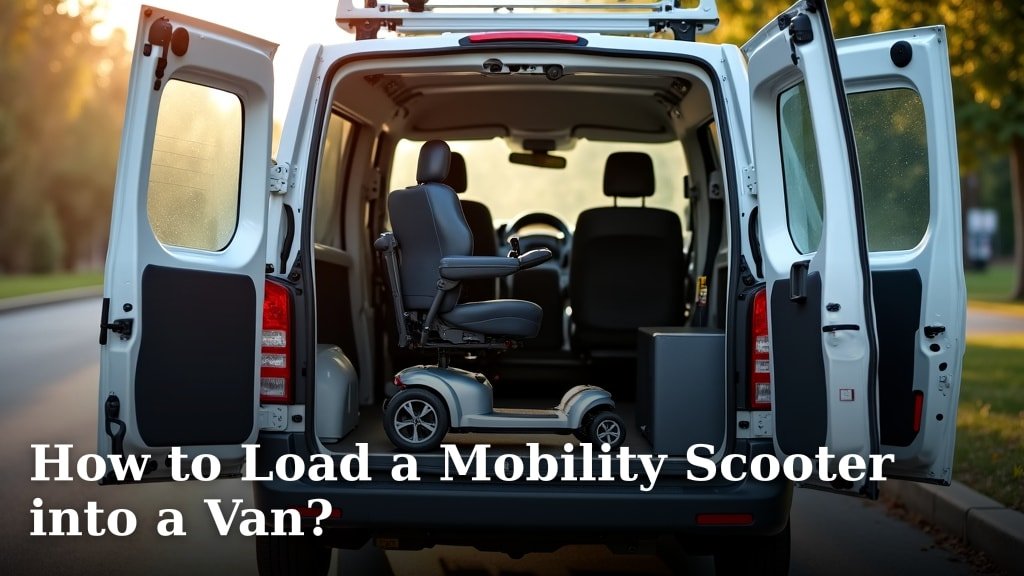
The easiest way to load a mobility scooter into a van is by using a mobility scooter lift or ramp system designed for vehicles. This equipment simplifies the process significantly, letting you transport your scooter safely and efficiently. You can find many types of lifts and ramps available.
Choosing the right method depends on your scooter’s size and weight, as well as your van’s make and model. We found that a good system makes all the difference in your daily routine. It helps you keep your independence without unnecessary struggle.
TL;DR:
- Use a specialized van lift or ramp for easy loading.
- Match the equipment to your scooter’s weight and your van.
- Consider both interior and exterior lift options.
- Always prioritize safety features during selection.
Ready to make scooter transport a breeze? Let’s walk through exactly how to load a mobility scooter into a van, step by step.
Transporting Your Mobility Scooter into a Van
Loading your mobility scooter into a van doesn’t have to be a struggle. We’ll show you how to choose the right system and use it safely, giving you back your freedom.
Understanding Your Options: Lifts vs. Ramps
When it comes to getting your scooter into a van, you essentially have two main choices: a lift or a ramp. Each has its own advantages and works for different situations. What’s best for you often comes down to your scooter’s weight, your physical abilities, and your van’s setup.
Mobility Scooter Lifts
Lifts are mechanized devices that do the heavy lifting for you. They’re great if you can’t push or pull your scooter manually. They also work well for heavier scooters, making the process almost effortless.
- They can be installed inside your van (interior lifts) or outside (exterior lifts).
- Interior lifts keep your scooter protected from weather and theft.
- Exterior lifts are good if you need more interior space for passengers.
- Lifts require professional installation and often need a bit of practice to operate smoothly.
Mobility Scooter Ramps
Ramps offer a simpler, often more affordable alternative. They are great if your scooter is lighter and you have the strength to guide it up. Ramps can be portable or mounted permanently.
- Portable ramps are easy to store and move between vehicles.
- Mounted ramps are more stable and can be folded or slid away when not in use.
- You’ll need enough space behind your van for the ramp to extend fully.
- Always check the weight capacity of any ramp you consider.
Choosing the Right System for You
This is where things get personal. There’s no one-size-fits-all answer. We found that the best solution really depends on a few key factors. Consider your daily routine and how often you’ll be loading your scooter.
Assess Your Scooter’s Specifications
First, know your scooter inside and out. Check its owner’s manual for the exact weight. Also, measure its length, width, and height. Knowing these numbers is like knowing your shoe size; it helps you pick the right fit.
- Weight: This is crucial. Lifts and ramps have strict weight limits. Exceeding them is dangerous and can damage your equipment (National Highway Traffic Safety Administration).
- Dimensions: Ensure the lift platform or van opening is large enough for your scooter. You don’t want to buy something that doesn’t fit!
Evaluate Your Van’s Capabilities
Just like your scooter, your van has limits too. Check its payload capacity – that’s how much weight it can safely carry. This information is usually in your vehicle’s owner’s manual or on a sticker inside the driver’s side door jamb.
- Available Space: For interior lifts, measure the cargo area. For exterior lifts, ensure it won’t block taillights or your license plate.
- Hitch Receiver: Many exterior lifts attach to a trailer hitch. Make sure your van has one, and it’s the right class for the lift’s weight.
- Electrical System: Some lifts draw power from your van’s battery. Ensure your vehicle can handle the extra electrical load.
Consider Your Physical Abilities and Needs
Be honest with yourself about what you can comfortably do. We found that trying to force a manual solution when a powered one is needed can lead to frustration or even injury.
- Can you push your scooter up a ramp without strain?
- Do you have the dexterity to operate complex controls?
- Will you be loading the scooter alone or with assistance?
Step-by-Step: Using a Mobility Scooter Lift
Lifts simplify the process dramatically. While each model is slightly different, the basic operation is quite similar. We’ll walk you through a general process.
- Position Your Van and Scooter: Park your van on level ground. Bring your scooter close to the lift, typically directly behind it, aligning it for easy loading.
- Prepare the Lift: If it’s an exterior lift, lower the platform to the ground using the remote control. For an interior lift, extend the platform or arm into position.
- Drive or Push Onto the Platform: Carefully drive your scooter onto the lift platform. Ensure all wheels are securely on the platform. Some lifts have a raised edge or “stop” to prevent rolling off.
- Secure the Scooter: This is a critical step. Use the provided tie-downs or straps to firmly secure your scooter to the lift. You don’t want it shifting during transit. We found many manufacturers provide specific instructions on optimal tie-down points.
- Raise the Lift: Using the remote, slowly raise the lift. Watch for any obstructions as it moves up. For interior lifts, guide the scooter into the van.
- Lock and Drive: Once the scooter is fully raised and in place, ensure the lift is locked. Store the remote safely, and you’re ready to go!
Step-by-Step: Using a Mobility Scooter Ramp
Ramps are more hands-on, but still very effective. The key here is proper positioning and careful maneuvering.
- Park Safely: Find a level spot with enough clearance behind your van to fully extend the ramp. Engage your van’s parking brake.
- Deploy the Ramp: Place portable ramps securely, ensuring they are stable and don’t slip. For mounted ramps, unfold or slide them into position. They should rest firmly on the ground without a steep angle.
- Check the Angle: The shallower the angle, the easier it is to drive up. If the angle is too steep, the scooter might tip or get stuck. Many scooter manuals provide an acceptable ramp angle.
- Drive Onto the Ramp: Slowly and steadily drive your scooter up the ramp. Keep a firm grip on the handlebars. If you’re pushing, apply even pressure and maintain control.
- Into the Van: Once inside, position your scooter in the designated area. Make sure it’s not blocking exits or driver visibility.
- Secure It: Use tie-downs or straps to secure the scooter to anchor points in your van’s floor. Preventing movement is key to safety. We found many vans offer these anchor points for cargo.
- Retract the Ramp: Fold or store the ramp safely. Double-check that it’s secured and won’t shift during your drive.
Safety First: Key Considerations for Loading
No matter which method you choose, safety is paramount. Accidents can happen quickly, so always be mindful. We found that a few simple precautions can prevent most issues.
- Read the Manuals: This sounds obvious, but it’s often overlooked. Always read both your scooter and your lift/ramp manuals (U.S. Access Board). They contain vital safety information specific to your equipment.
- Practice Makes Perfect: Practice loading and unloading your scooter a few times in a safe, controlled environment before your first real trip.
- Regular Maintenance: Check your lift or ramp regularly for any signs of wear, loose bolts, or damage. Keep tracks clear of debris.
- Never Overload: Always respect the weight limits of your lift, ramp, and van. Overloading is a recipe for disaster.
- Secure Everything: Always, always secure your scooter with tie-downs. A loose scooter can become a dangerous projectile during sudden stops.
Comparing Lift and Ramp Features
To help you decide, here’s a quick comparison of typical features you might encounter:
| Feature | Mobility Scooter Lift | Mobility Scooter Ramp |
|---|---|---|
| Effort Required | Low (motorized) | Moderate to High (manual) |
| Weight Capacity | Typically higher (up to 400 lbs+) | Varies, but often lower for portability |
| Cost | Higher (due to motor and installation) | Lower (especially portable models) |
| Installation | Professional installation often recommended | Can be DIY for portable, some mounted require help |
| Space Usage | Interior takes cargo space, exterior uses hitch | Requires space behind van to deploy |
| Weather Exposure | Interior protected, exterior exposed | Scooter protected inside, ramp exposed during use |
Pre-Purchase Checklist for Your Transport System
Before you commit to a purchase, use this checklist. It will help ensure you get the right solution for your unique situation. Think of it as your personal shopping assistant.
- Have I measured my scooter’s weight and dimensions accurately?
- Have I confirmed my van’s payload capacity and available cargo space?
- Does my van have a compatible hitch receiver (if considering an exterior lift)?
- Have I researched the reputation and warranty of the lift/ramp manufacturer?
- Can I comfortably operate the chosen system, considering my physical abilities?
- Have I accounted for the professional installation costs for lifts, if applicable?

Conclusion
You’ve now explored the essential steps and considerations for loading your mobility scooter into a van. By carefully assessing your scooter’s specifications and your van’s capabilities, you can select the right lift or ramp system that truly meets your needs. We found that prioritizing safety, understanding the weight limits, and practicing regularly are key to a smooth and secure experience. This knowledge ensures you maintain your independence and travel with confidence.
Frequently Asked Questions
How can I protect my mobility scooter from damage when using an exterior lift?
When using an exterior lift, we recommend investing in a waterproof cover for your scooter. This protects it from rain, road grime, and other elements during transit. Regularly checking straps and tie-downs also prevents damage from shifting.
Can a regular automotive repair shop install a mobility scooter lift?
While some repairs shops offer general services, it’s best to have a mobility scooter lift installed by a certified mobility vehicle outfitter. These specialists understand the specific mechanical and electrical requirements, ensuring a safe and correct installation.
What if my van’s battery struggles with the extra electrical load of a lift?
If your van’s battery struggles, you might need to upgrade to a heavier-duty battery or consider installing a secondary battery dedicated to powering the lift. Consult with a professional vehicle service center to assess your van’s electrical system.
Are there any noise considerations when choosing between an interior and exterior lift?
Interior lifts can sometimes introduce motor noise inside the cabin during operation, though many modern units are quiet. Exterior lifts, while not audible inside, might have slight operational sounds outside. We found this is generally not a major concern for most users.
How often should I inspect my ramp or lift for wear and tear?
We recommend a quick visual inspection before each use, checking for loose bolts or obvious damage. Additionally, perform a more thorough inspection every three to six months, examining all moving parts, electrical connections, and structural integrity. Refer to your owner’s manual for specific maintenance schedules.
