
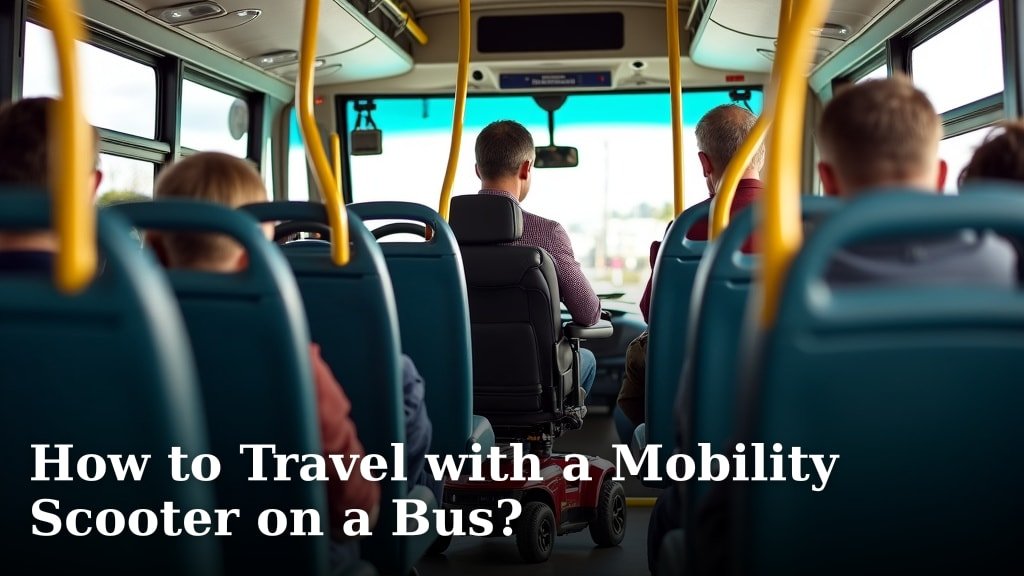
To travel with a mobility scooter on a bus, you will typically need to use a bus with a wheelchair ramp or lift and secure your scooter in the designated accessible seating area, often with restraints provided by the bus. Always check with your local transit authority beforehand for their specific policies and guidelines.
Many public transportation systems are becoming more accessible, but rules can vary. You might wonder if your specific scooter model is allowed or if there are any size restrictions. Planning ahead ensures a smooth and stress-free journey.
TL;DR:
- Check your local bus system’s accessibility policies.
- Ensure the bus has a ramp or lift.
- Locate the designated securement area on the bus.
- Use the provided restraints for your scooter.
- Ask the bus driver for help if needed.
We’ve researched and found the best ways to prepare for bus travel with your mobility scooter. Let’s walk through exactly how this works, step by step, so you can travel with confidence.
Navigating Public Transport with Your Mobility Scooter
Traveling by bus with a mobility scooter is often easier than you might think. Most public bus systems are designed to accommodate passengers using mobility devices. Planning ahead is key to a smooth journey.
Before You Go: Your Essential Prep Work
A little preparation goes a long way. Before you even leave home, you can take steps to make your bus trip stress-free. It’s about knowing what to expect and being ready for it.
Checking Your Local Transit Authority’s Policies
Every transit system has its own rules. We found that the very first step is to contact your local bus company or visit their website. Look for sections on “accessibility” or “riders with disabilities.”
You’ll want to ask about specific policies for mobility scooters. For example, some systems have size or weight limits for devices. Others might require that your scooter fit within a certain footprint.
Don’t be shy about calling them directly. A quick phone call can clear up many questions. You might ask, “Can my particular scooter model fit on your buses?”
Understanding Bus Features for Accessibility
Most modern buses are equipped for accessibility. This usually means they have a ramp or a lift. These features allow you to get onto the bus without needing to step up.
You’ll also find designated spaces inside the bus. These areas are for wheelchairs and scooters. They usually have securement devices to keep your scooter from moving during transit.
Some older buses might have different arrangements. Always confirm the type of equipment available on your route. This avoids any surprises at the bus stop.
Getting to the Bus Stop and Waiting Safely
Once you’ve done your homework, it’s time to head out. Getting to the bus stop safely is just as important as the ride itself. Always prioritize your safety and visibility.
Choosing the Right Bus Stop
Not all bus stops are created equal. Some stops have more space or smoother pavement. This can make a big difference when waiting with a scooter.
Look for stops that are well-lit and have firm, level ground. Avoid stops on steep inclines or with broken pavement. A safe waiting area is crucial for your comfort and security.
If possible, choose a stop that offers some shelter from the weather. Waiting in the rain or hot sun can be uncomfortable. Many transit websites provide detailed information about bus stop accessibility.
Visibility and Signalling the Bus
Make sure you are visible to the bus driver. Position yourself where the driver can easily see you as the bus approaches. Don’t hide behind bus shelters or other obstacles.
When the bus arrives, make eye contact with the driver if you can. A simple wave can confirm you intend to board. This helps the driver prepare the ramp or lift.
Boarding the Bus with Your Scooter
This is where your preparation pays off. Boarding should be a straightforward process if you know what to do. Always follow the driver’s instructions.
Using the Ramp or Lift
When the bus stops, the driver will deploy the ramp or lift. We found that it’s best to wait for the driver’s signal before moving. They are trained to operate this equipment safely.
Approach the ramp or lift slowly and carefully. Make sure your scooter is centered. If you’re using a ramp, drive straight up. For a lift, park your scooter securely on the platform.
Don’t rush the process. The driver wants you to board safely. Take your time, and if you need assistance, don’t hesitate to ask.
Navigating to the Securement Area
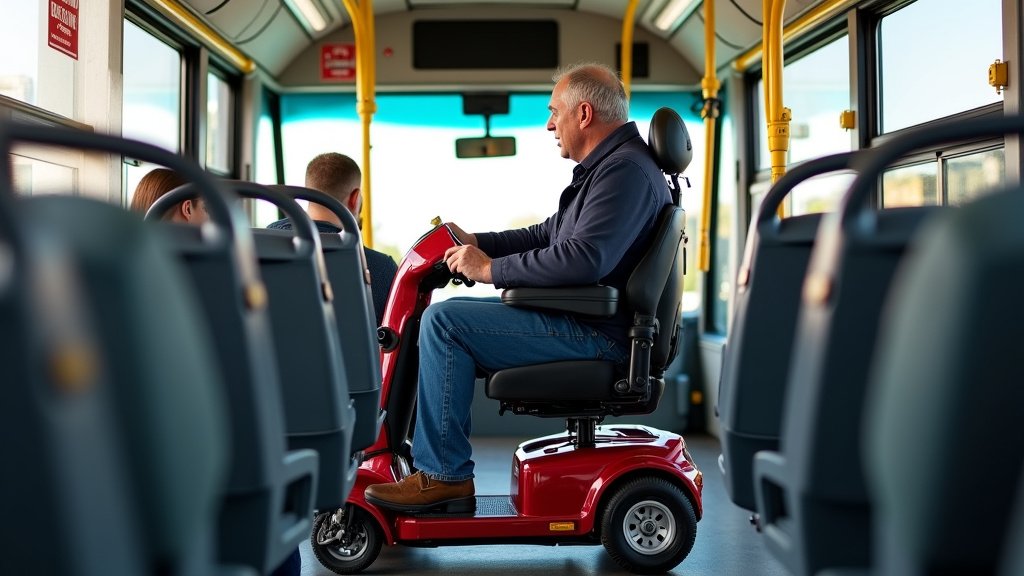
Once you are on the bus, locate the designated securement area. This space is usually marked and designed for mobility devices. It might be near the front of the bus.
Maneuver your scooter into this area. Sometimes, you might need to back in. The driver can guide you if you’re unsure. The goal is to position your scooter so it is stable and out of the main aisle.
Securing Your Mobility Scooter on the Bus
This step is vital for your safety and the safety of other passengers. Proper securement prevents your scooter from moving unexpectedly during the ride.
Utilizing the Securement Devices
Buses come with various securement systems. These typically involve straps or belts that attach to your scooter. We found that most systems have four points of attachment.
The driver is responsible for helping you secure your scooter. They will connect the straps to the frame of your scooter. Make sure these are tight and secure. Your scooter should not wobble or slide.
Never try to secure your scooter yourself unless the driver specifically instructs you to and you are confident in doing so. This is part of the driver’s job, and they are trained for it (Federal Transit Administration).
Remaining Seated on Your Scooter
Once your scooter is secured, it’s generally best to remain seated on it. This is usually the safest position during transit. Your scooter is designed to support you.
Avoid transferring to a regular bus seat unless absolutely necessary. If you do transfer, ensure your scooter remains securely fastened. Always communicate your needs to the driver.
During the Ride: Comfort and Courtesy
Now that you’re on board and secured, you can relax. But there are still a few things to keep in mind to ensure a pleasant ride for everyone.
Managing Your Space and Belongings
Be mindful of the space you occupy. Keep your personal items close to you and off the aisle. This helps keep pathways clear for other passengers and the driver.
If you have bags or other items, try to keep them on your lap or attached to your scooter. This prevents them from becoming tripping hazards.
Communicating with the Driver
Your bus driver is there to help. If you have questions, concerns, or need to request a stop, speak clearly. They might not always hear you over bus noise.
Give yourself enough time to signal your stop. You might need to use a pull cord or button, or simply tell the driver in advance. A polite “Thank you” goes a long way!
Exiting the Bus Safely
Just like boarding, exiting requires a bit of coordination. The driver will assist you with unsecuring your scooter and deploying the ramp or lift.
Unsecuring Your Scooter
When you reach your destination, the driver will release the securement straps. Wait for them to do this. Do not try to unfasten them yourself.
Once your scooter is free, wait for the driver to signal that it’s safe to move. They will ensure the area around your scooter is clear.
Using the Ramp or Lift to Exit
Just like boarding, exit slowly and carefully using the ramp or lift. Drive straight off the ramp or wait for the lift to lower you to the ground.
Once off the bus, move away from the door promptly. This allows the bus to continue on its route. Always check your surroundings for traffic before moving into the street or sidewalk.
A Quick Checklist for Your Next Bus Ride
Here’s a handy list to review before your next trip:
- Call transit authority for scooter policies.
- Confirm bus ramp/lift availability on your route.
- Plan your route and choose accessible bus stops.
- Ensure your scooter’s battery is fully charged.
- Arrive early and make eye contact with the driver.
- Allow the driver to assist with securement.
Mobility Scooter Bus Travel FAQs (Table)
We gathered some common questions and answers about bus travel with mobility scooters. This should help clarify things for you.
| Question | Answer |
|---|---|
| Are all buses accessible for mobility scooters? | Most public buses are now accessible, but it’s best to confirm with your local transit provider for specific routes and times. |
| Do I need to book in advance? | Generally, no, for regular fixed-route buses. Paratransit or demand-response services often require advance booking. |
| What if my scooter is too big? | Transit systems have size/weight limits. Check with them directly. If your scooter exceeds limits, paratransit might be an option. |
| Can I ride my scooter up the ramp? | Yes, for ramps, you typically drive your scooter straight up. For lifts, you roll onto the platform and wait for it to raise. |
| Is the bus driver required to help me? | Yes, bus drivers are trained and required to assist with deploying ramps/lifts and securing mobility devices. |
| What if the securement area is full? | If the designated area is full, the driver might advise waiting for the next bus. This is for your safety and compliance with regulations. |
Conclusion
Traveling by bus with your mobility scooter doesn’t have to be daunting. By taking the time to plan ahead and understand your local transit’s rules, you ensure a smoother experience. Remember, bus drivers are there to help with ramps, lifts, and securing your device. Your comfort and safety are priorities.
Don’t let mobility concerns limit your independence. With this guide, you’re now equipped to ride the bus with confidence. Reach out to your transit authority today to clarify any specific questions for your journey.
Frequently Asked Questions
Can I bring a power wheelchair instead of a mobility scooter on the bus?
Yes, public buses are generally equipped to handle both mobility scooters and power wheelchairs. The securement procedures and accessibility features like ramps and lifts are designed for a variety of mobility devices. Always confirm any size or weight restrictions with your local transit provider.
What if the bus doesn’t have a working ramp or lift?
If a bus arrives and its accessibility equipment isn’t working, the driver should call for a replacement bus or make alternative arrangements for you. Drivers are trained to handle these situations. You should not be denied service due to equipment malfunction.
Are there different types of securement systems on buses?
Yes, buses use various securement systems, but most involve straps or belts that attach to the frame of your scooter at multiple points. Some older systems might use a lap belt in addition to tie-downs. The driver will be familiar with the system on their specific bus.
Can I bring a service animal with me and my mobility scooter on the bus?
Federal regulations mandate that service animals are permitted on public transportation, including buses, alongside their handlers. The service animal must be under your control, typically on a leash or in a carrier. No extra fare is required for a service animal.
What should I do if I feel unsafe during the bus ride?
If you ever feel unsafe or uncomfortable during your bus journey, communicate your concerns to the bus driver immediately. They are there to assist passengers and maintain a safe environment. You can also report issues to the transit authority after your ride.
