
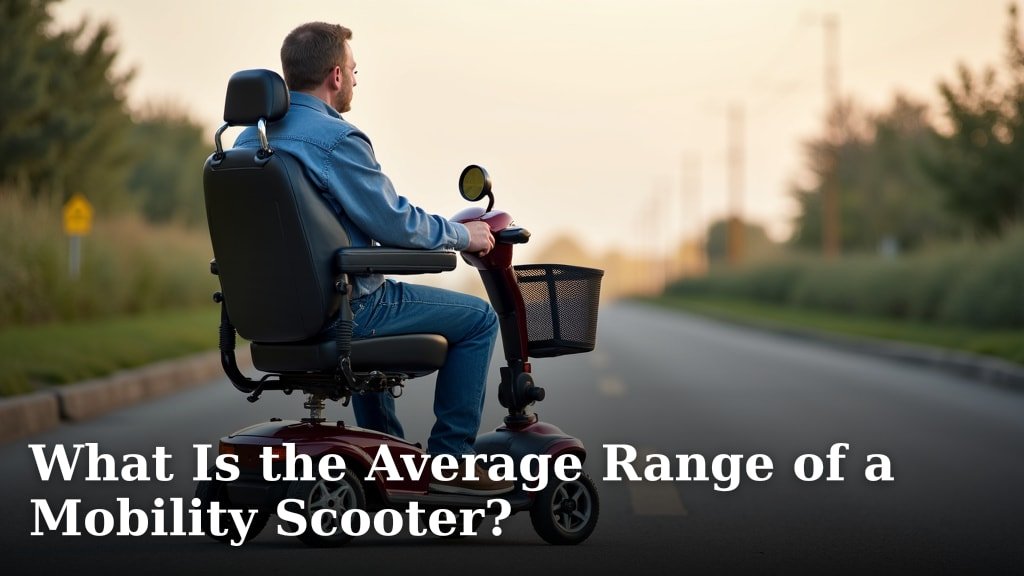
The average range of a mobility scooter is typically between 10 to 25 miles on a single charge. However, this can vary quite a bit, depending on factors like the scooter’s model and the battery it uses. You’ll find that many popular models offer a solid 15-mile range for daily use.
When you’re looking at mobility scooters, battery size plays a big role in how far you can go. A scooter with a larger battery will generally have a longer range. Things like your weight, the terrain, and even the weather can also affect how many miles you get out of your scooter. It’s all about finding the right balance for your needs.
- Mobility scooter range averages 10-25 miles.
- Battery size is a major factor in range.
- Your weight and terrain also impact distance.
- Many scooters offer around 15 miles of travel.
- Different models have different range capabilities.
We know you want to feel confident in your scooter’s ability to get you where you need to go. Below, we break down everything you need to know about mobility scooter ranges, so you can pick the perfect ride for your adventures.
Understanding Mobility Scooter Travel Distances
You’re probably wondering exactly how far these scooters can take you. Generally, you can expect a mobility scooter to travel anywhere from 10 to 25 miles on a single charge. This range gives you plenty of freedom for daily errands or leisurely outings.
What Factors Influence Your Scooter’s Range?
It’s not just about the battery; many things play a part in how far your scooter will go. Think of it like your car’s gas mileage – it changes based on how and where you drive. Knowing these factors helps you predict your scooter’s true capabilities.
Battery Size and Type
The battery is the heart of your scooter’s range. Larger batteries, measured in amp-hours (Ah), store more energy, meaning more miles for you. For example, a 35 Ah battery will typically offer more range than a 12 Ah battery. Lithium-ion batteries often provide a longer life and better range compared to traditional sealed lead-acid batteries, though they might cost a bit more upfront.
Your Weight and Cargo
This is a big one! The heavier the load on your scooter, the harder its motor has to work. If you’re carrying groceries or have a heavier body weight, your scooter will use more battery power, which shortens your overall range. Always check your scooter’s weight capacity to ensure optimal performance and safety.
Terrain and Inclines
Do you live in a hilly area? Navigating inclines demands a lot more power from your scooter’s motor. Flat, smooth surfaces are ideal for maximizing range. If your daily routes include hills or uneven sidewalks, expect your battery to drain faster than if you were cruising on level ground.
Driving Speed and Style
Just like with a car, how you drive affects your mileage. Constantly going at top speed will deplete your battery quicker than a moderate, steady pace. Frequent stops and starts also use more energy. A smooth, consistent speed is your best friend for extending your travel distance.
Tire Pressure and Condition
It might seem small, but properly inflated tires make a difference. Underinflated tires create more rolling resistance, forcing your motor to work harder. Always keep your tires at the recommended pressure for better efficiency and a smoother ride.
Age of Battery and Maintenance
Over time, all batteries lose some of their capacity. An older battery won’t hold as much charge as a new one, reducing your range. Regular maintenance, like keeping terminals clean and charging your battery correctly, helps prolong its life and maintain its efficiency.
Comparing Scooter Types and Their Typical Ranges
Not all scooters are built the same, and their design often dictates how far they can go. Thinking about where and how you’ll use your scooter helps narrow down the best choice for you.
Portable/Travel Scooters
These are your lightweight, easy-to-disassemble scooters, perfect for trips to the store or vacation. They usually have smaller batteries to keep them light. You can generally expect 5 to 10 miles of range from most portable models. They’re great for short distances but might not be your go-to for all-day adventures.
Mid-Size Scooters
Often a popular choice, mid-size scooters offer a good balance of comfort and portability. They typically come with more powerful batteries than travel scooters. For these models, you’re usually looking at a range of 10 to 20 miles per charge. They handle daily errands and longer outings well.
Heavy-Duty/Full-Size Scooters
These are the workhorses of the mobility scooter world. Built for durability and comfort, they feature large batteries and powerful motors. Heavy-duty scooters can often travel 20 to 35 miles, or even more, on a single charge. If you need to cover significant distances or navigate varied terrain, these are often the best choice.
Here’s a quick overview of typical ranges:
| Scooter Type | Typical Range (Miles) | Best For |
|---|---|---|
| Portable/Travel | 5 – 10 | Short trips, travel, indoor use |
| Mid-Size | 10 – 20 | Daily errands, moderate outdoor use |
| Heavy-Duty/Full-Size | 20 – 35+ | Long distances, varied terrain, all-day use |
Maximizing Your Mobility Scooter’s Range
Want to get the most miles out of your scooter? There are several simple things you can do to extend your battery life and travel further. A little proactive care goes a long way!
Battery Care Best Practices
Your battery is crucial. Treating it well ensures it performs at its best for longer. Think of it as feeding your scooter the right fuel at the right time.
Charge Regularly and Fully
We’ve found that it’s best to charge your battery after every use, even if you’ve only gone a short distance. Don’t wait until it’s completely drained. Also, always allow it to charge fully – avoid “topping off” for short periods unless absolutely necessary. Many experts say a full, consistent charge cycle prolongs battery life (NIH).
Avoid Extreme Temperatures
Batteries don’t like extreme heat or cold. Try to store your scooter in a place with a moderate temperature. Leaving it in a freezing garage or a scorching hot car can reduce battery efficiency and overall lifespan.
Don’t Overload Your Scooter
Stick to the manufacturer’s recommended weight capacity. Exceeding this puts unnecessary strain on the motor and battery, significantly reducing your range and potentially damaging your scooter over time. Less strain means more miles.
Smart Driving Habits for Longer Trips
How you operate your scooter has a direct impact on how far it can take you. Small changes in your driving style can add precious miles to your journey.
- Maintain a Moderate Speed: Zipping around at full throttle drains your battery quickly. A steady, moderate speed is far more efficient.
- Plan Your Routes: If possible, choose routes with fewer hills and smoother surfaces. Avoid rough terrain or steep inclines when range is a concern.
- Check Tire Pressure: Make it a habit to check your tire pressure regularly. Proper inflation reduces resistance, making your scooter more efficient.
- Coast When Possible: If you’re going downhill, gently ease off the accelerator and let gravity do some work. This conserves battery power.
- Reduce Unnecessary Weight: Only carry what you need. Extra bags or heavy items mean more work for your scooter’s motor.
What to Consider When Choosing Your Scooter’s Range
When you’re ready to pick a scooter, think about your daily life. Where do you go? How far is it? Your answers will guide you to the perfect range.
Your Daily Routine and Habits
Do you only need to go to your mailbox and back? Or do you plan on visiting friends across town, running multiple errands, and taking longer strolls in the park? Jot down your typical daily travel needs. This helps you understand your actual mileage requirements.
Future Needs and Activities
Consider what you might want to do in the future. Perhaps you plan to join a walking club (but on your scooter!) or explore new places. Buying a scooter with a bit more range than you think you currently need can give you more flexibility down the road. It’s like buying a slightly bigger coat – better to have a little extra room than not enough.
Here’s a quick checklist to help you decide:
- How far is your longest typical trip?
- Are there hills on your usual routes?
- Do you plan to carry heavy items often?
- How frequently can you charge your scooter?
- Do you anticipate longer trips in the future?
- What’s your budget for battery replacement down the line?
Conclusion
Choosing the right mobility scooter means understanding its range and what affects it. Your ideal scooter’s range depends directly on your lifestyle, daily activities, and future plans. By considering factors like battery size, your weight, terrain, and even your driving style, you can make a much more informed decision.
Remember that proper battery care and smart driving habits will also significantly extend your scooter’s travel distance. Take time to evaluate your personal needs and compare different scooter types. Doing so will help you select a scooter that truly gives you the freedom and independence you’re looking for, ensuring you can confidently go wherever you need to.
Frequently Asked Questions
How can I tell if my mobility scooter battery is losing its charge quickly?
You might notice your scooter slowing down sooner than usual, or the battery indicator dropping rapidly after a full charge. A significant reduction in your typical travel distance is a strong sign. If it feels like you’re charging more often for the same routes, your battery might be weakening.
Is it better to get a scooter with a much longer range than I think I need?
Yes, often it is. Having extra range provides peace of mind and flexibility for unexpected detours or longer trips. It also means less frequent charging for daily use, which can sometimes extend the overall life of your battery by reducing deep discharge cycles.
Can weather really impact my scooter’s range?
Absolutely. Cold weather can temporarily reduce battery capacity, meaning you’ll get fewer miles on a charge. Extreme heat can also affect battery performance over time. Try to avoid operating your scooter in very harsh conditions for extended periods.
How accurate are the manufacturer’s stated range estimates?
Manufacturer ranges are usually estimates based on ideal conditions, like a new battery, a lightweight rider, flat terrain, and a steady, moderate speed. Your actual range will likely vary based on your specific usage patterns and environmental factors. It’s a good benchmark, but real-world performance can differ.
What is the most common reason for a mobility scooter to have a shorter range than expected?
The most common reasons are often related to battery health or rider weight. An aging battery naturally holds less charge, and carrying more weight (either your own or cargo) forces the motor to work harder, draining the battery faster. Regularly checking tire pressure and avoiding hills can also help improve range.
