
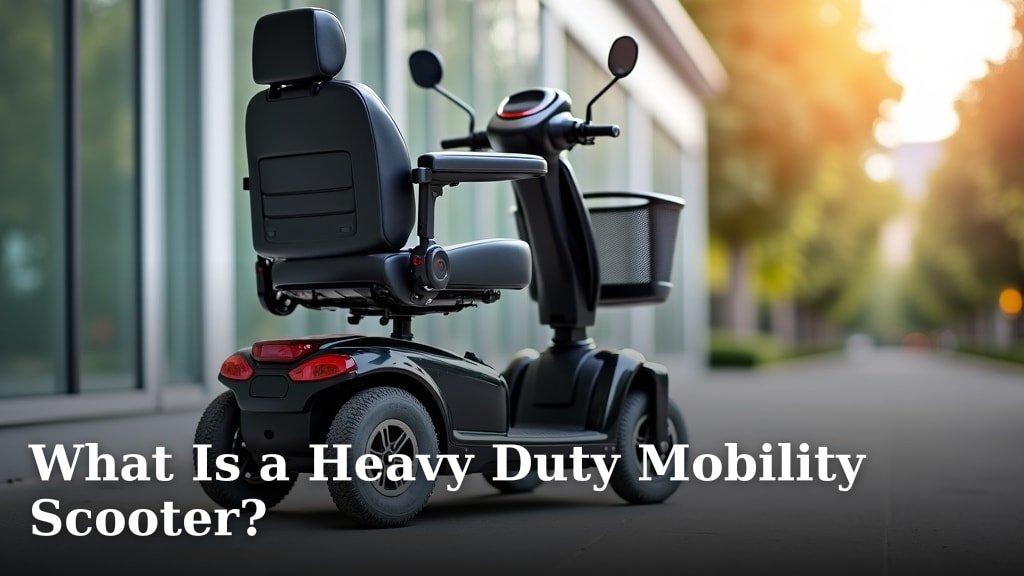
A heavy-duty mobility scooter is a power-operated vehicle designed for individuals needing extra support. These scooters offer increased weight capacity and a more robust build than standard models. They help you stay active and independent when moving around.
These scooters are perfect if you need a mobility solution that handles higher user weights or more challenging terrain. We often find they come with stronger motors, larger batteries, and enhanced suspension systems. This means a smoother, more reliable ride for you.
- Heavy-duty scooters offer superior weight capacity.
- They feature stronger motors and bigger batteries.
- You get enhanced suspension for a more comfortable ride.
- They are built to last longer and handle tougher conditions.
Ready to learn more? Let’s walk through everything you need to know about heavy-duty mobility scooters and how they can improve your daily life.
Understanding Heavy-Duty Mobility Scooters
A heavy-duty mobility scooter is a specialized type of personal mobility device. It’s built for those who need more support than standard scooters offer. Think of it as the SUV of the mobility world – robust and ready for more.
These scooters are designed with enhanced capabilities. They focus on higher weight capacities and improved performance over varied terrains. This means you can feel confident and secure wherever you go.
What Makes Them “Heavy-Duty”?
The term “heavy-duty” isn’t just a marketing phrase. It refers to several key engineering differences. These differences make a significant impact on your ride quality and safety.
Firstly, the frame construction is much stronger. Manufacturers use thicker steel or aluminum tubing. This extra strength allows the scooter to safely support more weight.
Secondly, the motor and battery systems are typically upgraded. You’ll find more powerful motors for better torque and larger batteries for extended range. This combination ensures consistent performance.
Weight Capacity Explained
Weight capacity is perhaps the most defining feature. Standard mobility scooters usually support up to 300 lbs. Heavy-duty models, however, can often accommodate 350 lbs, 400 lbs, 500 lbs, or even more (Mobility Management Magazine).
It’s vital to choose a scooter with a weight capacity that comfortably exceeds your own weight. This ensures optimal performance and safety. Don’t push the limits of your scooter’s design.
Key Features of Heavy-Duty Scooters
When you’re looking for a heavy-duty mobility scooter, you’ll notice several features stand out. These aren’t just bells and whistles. They are crucial for performance and your comfort.
Let’s look at what makes these scooters so capable. Each feature contributes to a better, more reliable experience for you.
Engineered for Power and Range
You’ll find that heavy-duty scooters often come with larger, more robust motors. This extra power isn’t just for speed. It’s for handling inclines and heavier loads without strain.
The batteries are also typically larger. This means you get a longer travel range on a single charge. No one wants to worry about running out of power far from home, right?
Superior Suspension Systems
Have you ever ridden a scooter and felt every bump? Heavy-duty models address this with advanced suspension. They often feature front and rear suspension, sometimes adjustable.
This system absorbs shocks from uneven surfaces. The result is a much smoother, more comfortable ride for you. It reduces fatigue and makes longer trips more enjoyable.
Enhanced Durability and Construction
From the chassis to the tires, everything on a heavy-duty scooter is built to last. You’ll often see larger, more stable wheels and tires. These provide better traction and can handle rougher outdoor terrain.
The overall construction is more robust. This adds to the scooter’s longevity and reliability. It’s an investment that’s designed to withstand more demanding use.
Comparing Heavy-Duty to Standard Mobility Scooters
You might be wondering, “Do I really need a heavy-duty model?” Let’s break down the main differences. This will help you decide if it’s the right choice for your needs.
It’s not just about weight capacity. There are many other factors at play. Consider your daily routine and where you’ll be using the scooter most often.
| Feature | Standard Mobility Scooter | Heavy-Duty Mobility Scooter |
|---|---|---|
| Weight Capacity | Up to 300 lbs typically | 350 lbs to 500+ lbs |
| Motor Power | Smaller, suitable for flats | Larger, handles inclines and heavy loads |
| Battery Size/Range | Moderate range (10-15 miles) | Extended range (20-30+ miles) |
| Suspension | Often none or basic front | Full front & rear, sometimes adjustable |
| Tires | Smaller, solid or pneumatic | Larger, pneumatic, all-terrain options |
| Seat Size | Standard width, less padding | Wider, deeper, more padding, armrests |
| Overall Build | Lighter, more portable | Heavier, more stable, less portable |
Who Benefits Most from a Heavy-Duty Scooter?
Heavy-duty scooters aren’t for everyone. But for certain individuals, they are an absolute game-changer. Is this you? Let’s explore the typical users.
We often find that these scooters serve a specific set of needs. They provide solutions where standard models simply fall short.
Individuals with Higher Weight Requirements
This is the most obvious group. If your weight exceeds the limit of a standard scooter, a heavy-duty model is essential. It’s a matter of safety and functionality.
Using a scooter beyond its weight limit can cause stress on components. This leads to breakdowns and potential hazards. Always prioritize matching your weight to the scooter’s capacity.
Those Needing Extra Stability and Comfort
Even if you’re within the weight range of a standard scooter, you might prefer a heavy-duty model. Why? For the added stability and comfort.
The wider wheelbase and enhanced suspension provide a more secure feeling. This is especially true if you have balance issues or prefer a smoother ride (National Institute on Aging).
Frequent Outdoor or All-Terrain Users
Do you plan to navigate uneven sidewalks, gravel paths, or grassy areas? Then a heavy-duty scooter is likely your best bet. Their robust build and stronger motors handle these challenges with ease.
Think about where you live and where you want to go. If your daily route involves more than just smooth indoor floors, consider the heavy-duty option.
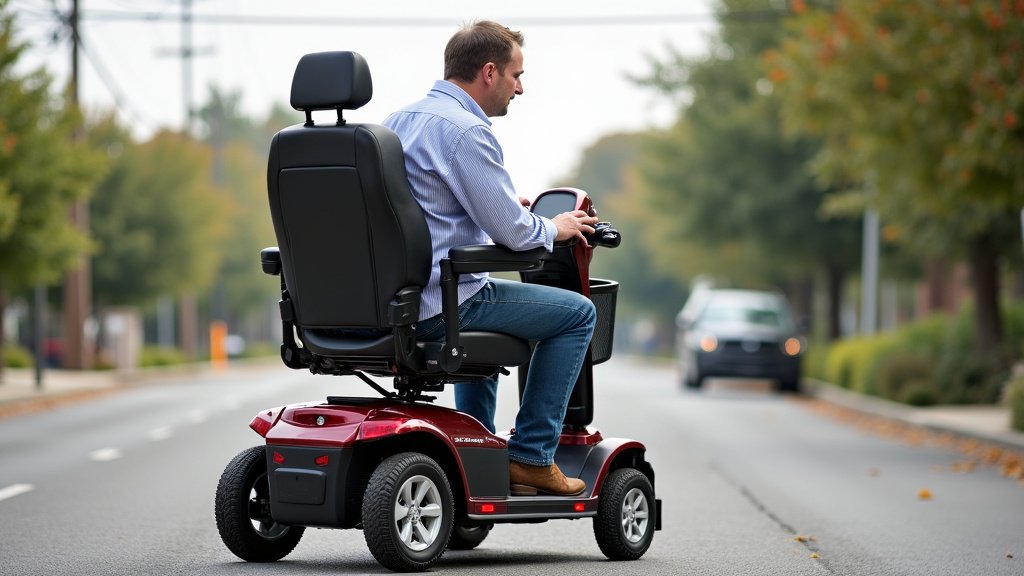
Considerations When Choosing Your Scooter
Selecting the right heavy-duty mobility scooter involves more than just picking the strongest one. You need to consider how it fits into your life. What are your specific needs?
Think about your lifestyle, your home environment, and your travel plans. These factors will guide you toward the perfect model.
Maneuverability vs. Stability
Heavy-duty scooters are often larger. This gives them excellent stability. However, it can sometimes affect their maneuverability in tight spaces.
Consider your doorways, hallways, and elevators. Will the scooter fit comfortably? Many brands offer various sizes within the heavy-duty category, so you have choices.
Transportation and Storage
How will you transport your scooter? Some heavy-duty models can be disassembled, but they are often heavier and bulkier than standard models. You might need a vehicle lift or a ramp.
Where will you store it at home? Make sure you have adequate space. These are important logistical questions to ask yourself upfront.
Battery Life and Charging
While heavy-duty scooters boast longer ranges, battery care is still crucial. How far do you typically travel in a day? Will you have easy access to charging points?
Remember that factors like terrain, temperature, and rider weight can affect battery life. Always aim for a scooter with a range that exceeds your typical daily use.
Checklist for Your Heavy-Duty Scooter Purchase
Making a big purchase like a mobility scooter can feel overwhelming. Use this quick checklist to guide your decision-making process. It will help ensure you cover all the important bases.
This list focuses on the practical aspects to ensure you get the right scooter for your unique needs.
- Verify Weight Capacity: Does it safely support your weight plus any items you carry?
- Assess Terrain Needs: Will you be on rough paths or mostly smooth surfaces?
- Measure for Maneuverability: Check door widths and turning radius for your home.
- Consider Transportation: How will you move it if you need to take it in a car?
- Evaluate Battery Range: Does the range meet or exceed your daily travel requirements?
- Test Comfort Features: Sit in the actual model, check seat size and suspension.
Conclusion
Choosing a heavy-duty mobility scooter means investing in your freedom and comfort. You’ve seen how they offer superior weight capacity, power, and durability compared to standard models. Remember, it’s all about matching the scooter’s capabilities to your unique needs and lifestyle.
Don’t settle for less than what truly supports you. Carefully consider the features discussed and use our checklist. Take the next step: visit a reputable dealer to test-ride different models. Find the heavy-duty scooter that will genuinely enhance your daily independence.
Frequently Asked Questions
Are heavy-duty mobility scooters difficult to operate?
Not at all! While they are robust, heavy-duty scooters operate similarly to standard models. They feature intuitive controls for steering, speed, and braking. Many even come with adjustable seats and tillers to ensure you find a comfortable and accessible driving position.
Can I use a heavy-duty scooter indoors?
You certainly can, but keep their larger size in mind. Heavy-duty scooters offer excellent stability, but their wider turning radius might be challenging in very tight indoor spaces or narrow doorways. Always measure your home’s entry points and hallways before purchasing.
How often do heavy-duty scooter batteries need to be replaced?
Battery life varies based on usage and maintenance. With proper charging practices and regular care, you can expect your scooter’s batteries to last between 18 months and 3 years. Factors like frequent deep discharges or extreme temperatures can shorten their lifespan.
Do I need a special license to drive a heavy-duty mobility scooter?
No, you do not need a special driver’s license to operate a heavy-duty mobility scooter in the United States. These devices are considered personal mobility aids. However, it’s always wise to familiarize yourself with local regulations regarding sidewalk and street use.
Are heavy-duty mobility scooters covered by insurance?
Coverage for mobility scooters, including heavy-duty models, can vary. Many private insurance plans and Medicare Part B may cover a portion of the cost if deemed medically necessary by a doctor. We recommend checking directly with your insurance provider for specific details regarding your policy.
