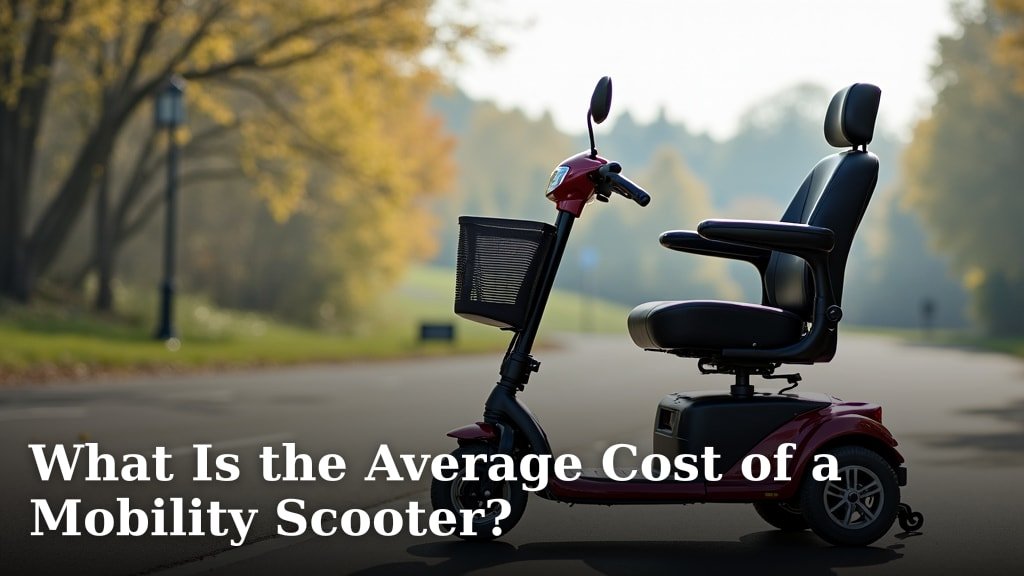
The average cost of a mobility scooter typically ranges from $1,000 to $3,000 for new models. However, prices can go much higher for advanced features or specialized designs. You’ll find many options to fit your budget and needs.
Factors like the type of scooter, its battery life, and overall power greatly influence the price. You might also consider if you need a travel scooter, a mid-range model, or a heavy-duty one. Each category comes with its own price tag.
- Average new scooter cost: $1,000 – $3,000.
- Luxury or advanced models can exceed $5,000.
- Used scooters offer significant savings.
- Factors like battery, speed, and weight capacity affect price.
- Insurance typically doesn’t cover full cost.
Ready to break down the costs and understand what affects mobility scooter prices? Let’s walk through everything you need to know to make an informed decision for your mobility needs.
Understanding Mobility Scooter Costs
You’re looking for independence, comfort, and the freedom to move. We understand. When considering a mobility scooter, the price tag is often the first thing on your mind. It’s not just one number, though. Think of it more like a spectrum. We found that most new scooters for adults generally fall into a price range of $1,000 to $3,000. This average helps you get a sense of what to expect.
However, that’s just the starting point. Some basic, portable models can be less, while advanced, heavy-duty scooters can easily go over $5,000 or even $10,000. Your specific needs and desired features will largely dictate where your scooter lands on this pricing scale. It’s like buying a car; a compact sedan costs less than a luxury SUV. What kind of journey are you planning?
Key Factors Influencing Price
What makes one scooter cost more than another? It comes down to several key features. Understanding these can help you pinpoint what’s truly important for your lifestyle and avoid overpaying for things you don’t need. You want to make sure you’re investing in the right tool for your daily adventures.
Type of Scooter
The biggest influence on price is the type of mobility scooter itself. Are you looking for something small and nimble for quick trips? Or a robust model to tackle all-day excursions? We found there are generally three main categories, and each has its own price structure.
- Travel Scooters: These are typically the most affordable, often ranging from $800 to $2,000. They are lightweight, compact, and designed to disassemble easily for transport. Think of them as your reliable companion for shopping trips or vacations.
- Mid-Range Scooters: Falling between $1,500 and $3,500, these offer a good balance of features, comfort, and durability. They are suitable for daily errands and moderate outdoor use. Many people find these offer the best value for everyday use.
- Heavy-Duty/Outdoor Scooters: These powerful machines can cost anywhere from $3,000 to over $10,000. They are built for rugged terrain, longer distances, and higher weight capacities. If you need to navigate challenging outdoor environments, this might be your best bet.
Battery and Range
Just like your phone, a scooter’s battery is its lifeline. A larger, more powerful battery usually means a higher price. It translates directly into the scooter’s range—how far it can travel on a single charge. If you plan long outings, a higher capacity battery is a must, and that will add to the cost.
Weight Capacity and Motor Power
A scooter’s ability to safely carry you is paramount. Scooters designed for higher weight capacities often feature more robust frames and powerful motors, driving up the price. Similarly, a more powerful motor means better performance on inclines and rougher terrain. If you weigh more or live in a hilly area, expect to pay a bit more for a scooter built to handle those demands.
Special Features and Accessories
Think of these as the “bells and whistles.” Features like advanced suspension for a smoother ride, LED lighting, enhanced seating comfort, or even digital displays can increase the cost. Similarly, optional accessories like canopies, oxygen tank holders, or special baskets will add to your total investment. Sometimes these extras are worth it for the added comfort or utility.
Average Cost Breakdown by Scooter Type
To help you visualize the cost, let’s look at how the average prices break down for each main category. Remember, these are averages; actual prices can vary based on brand, retailer, and promotions. We want you to have a clear picture of what you might encounter in the market.
| Scooter Type | Typical Price Range (New) | Key Characteristics |
|---|---|---|
| Travel/Portable Scooters | $800 – $2,000 | Lightweight, disassembles, shorter range, lower weight capacity. |
| Mid-Range/Standard Scooters | $1,500 – $3,500 | Balanced features, good comfort, moderate range, suitable for daily use. |
| Heavy-Duty/Outdoor Scooters | $3,000 – $10,000+ | Robust build, longer range, higher weight capacity, handles varied terrain. |
The Cost of Used Mobility Scooters
If buying new feels like a stretch for your budget, don’t overlook the used market. You can find excellent deals on pre-owned scooters. A used scooter can often be purchased for 30-60% less than its new price, depending on its age and condition. This is a fantastic way to save money while still getting a quality product.
When buying used, always try to inspect the scooter in person. Check the battery life, tire wear, and overall functionality. Ask about the scooter’s history and maintenance. A good used scooter can give you years of reliable service. Just be sure to do your homework.
Beyond the Purchase Price: Hidden Costs
Buying the scooter is just one part of the financial picture. Just like owning a car, there are ongoing expenses to consider. Being aware of these additional costs upfront can help you budget more effectively and avoid any surprises down the road. We want you to be fully prepared.
Maintenance and Repairs
Even the best scooters need a little TLC. Routine maintenance, like checking tire pressure and keeping the battery charged, is simple. However, components can wear out over time. You might need to replace tires, batteries, or other parts. We found that battery replacements can range from $100 to $500 or more, depending on the type and size. Regular check-ups can often catch small issues before they become expensive problems.
Insurance Considerations
Will your regular insurance cover your mobility scooter? It’s a common question. While some homeowner’s or renter’s insurance policies might offer limited coverage for theft or damage, it’s usually not comprehensive. You might consider purchasing specialized mobility scooter insurance. This can cover repairs, theft, liability, and even roadside assistance. Costs vary, but we found policies can range from $100 to $300 per year. It’s worth investigating for peace of mind.
Transportation and Storage
How will you transport your scooter? If you have a travel scooter, it might fit in your car trunk. Larger scooters often require a specialized vehicle lift or carrier, which can be an additional expense ranging from $500 to over $2,000 for installation and equipment. Also, think about where you’ll store it. Do you have a secure, dry place with access to an outlet for charging?
Charging Costs
While often small, there’s a cost associated with charging your scooter. These operate on electricity, so your utility bill will see a slight increase. The good news is that this cost is generally very low. Charging a scooter typically costs only a few cents per charge, adding up to just a few dollars a month. It’s a minimal expense but still part of the total ownership picture.
Potential Ways to Reduce Your Out-of-Pocket Costs
Finding the right scooter doesn’t have to break the bank. There are several avenues you can explore to make a mobility scooter more affordable. We want to empower you with knowledge about financial assistance options. You deserve to access the mobility you need without undue financial strain.
Insurance and Government Programs
Will your health insurance cover a mobility scooter? It’s complicated. Medicare Part B may cover some of the cost if a doctor certifies it as medically necessary. You’d typically pay 20% of the Medicare-approved amount after your Part B deductible. Medicaid and private insurance plans also have specific criteria. It’s essential to check directly with your provider and doctor. They can help you navigate the paperwork and requirements. We’ve seen that understanding these rules early on can save you a lot of effort.
Veteran Benefits and Charitable Organizations
If you’re a veteran, the U.S. Department of Veterans Affairs (VA) offers significant benefits for mobility aids when medically necessary. Reach out to your local VA office to learn more. Additionally, numerous non-profit and charitable organizations assist individuals with disabilities in acquiring mobility equipment. A quick search for “mobility scooter assistance programs” in your area might reveal helpful resources. These organizations often have specific eligibility criteria, so it’s good to inquire.
Consider Financing Options
Many retailers offer financing plans. This allows you to pay for your scooter in monthly installments rather than one lump sum. While it adds interest, it can make the purchase more manageable for your budget. Always read the terms and conditions carefully to understand the total cost and interest rates. A few extra dollars a month might make a significant difference in accessibility.
Checklist for Budgeting Your Mobility Scooter
Before you make a final decision, take a moment to review this checklist. It will help ensure you’ve considered all the financial aspects of owning a mobility scooter. We encourage you to be thorough in your planning.
- What type of scooter do I truly need? (Travel, Mid-Range, Heavy-Duty)
- What’s my maximum comfortable budget for the initial purchase?
- Have I researched used scooter options?
- What are the estimated annual costs for maintenance and battery replacement?
- Do I need specialized insurance, and what’s its annual cost?
- Will I need to invest in a vehicle lift or other transport aids?
- Have I explored Medicare, Medicaid, VA, or other assistance programs?
Conclusion
Choosing a mobility scooter involves more than just the initial price tag. You’ve learned that costs vary greatly based on the scooter type, features, and your specific needs. From affordable travel models to robust heavy-duty options, there’s a range for every budget. We’ve also highlighted the importance of considering ongoing expenses like maintenance and potential insurance.
By understanding these factors and exploring options like used scooters or financial assistance, you can make an informed decision. Your next step is to evaluate your lifestyle and mobility requirements to find the perfect scooter that offers you freedom and independence within your budget.
Frequently Asked Questions
Is a mobility scooter covered by Medicare?
Medicare Part B may cover some of the cost of a mobility scooter if it’s deemed medically necessary by your doctor. You’ll likely be responsible for 20% of the Medicare-approved amount after your deductible. Always confirm coverage directly with Medicare and your physician.
How long do mobility scooter batteries last?
Typically, mobility scooter batteries last about 1 to 2 years with regular use and proper charging. Factors like battery type, usage habits, and maintenance play a big role. Replacing the battery can cost anywhere from $100 to over $500.
Can I get a used mobility scooter?
Yes, buying a used mobility scooter is a great way to save money, often reducing the cost by 30-60% compared to a new model. Be sure to inspect the scooter thoroughly, check its battery, and ask about its maintenance history before purchasing.
What is the cheapest type of mobility scooter?
Travel or portable mobility scooters are generally the most affordable option, with new models typically ranging from $800 to $2,000. These are designed to be lightweight, easy to disassemble, and suitable for occasional use or short trips.
Are there grants or financial aid for mobility scooters?
Yes, various programs can help reduce your out-of-pocket costs. The U.S. Department of Veterans Affairs (VA) offers benefits for eligible veterans. Many non-profit organizations and charities also provide assistance, so it’s worth researching local resources.