
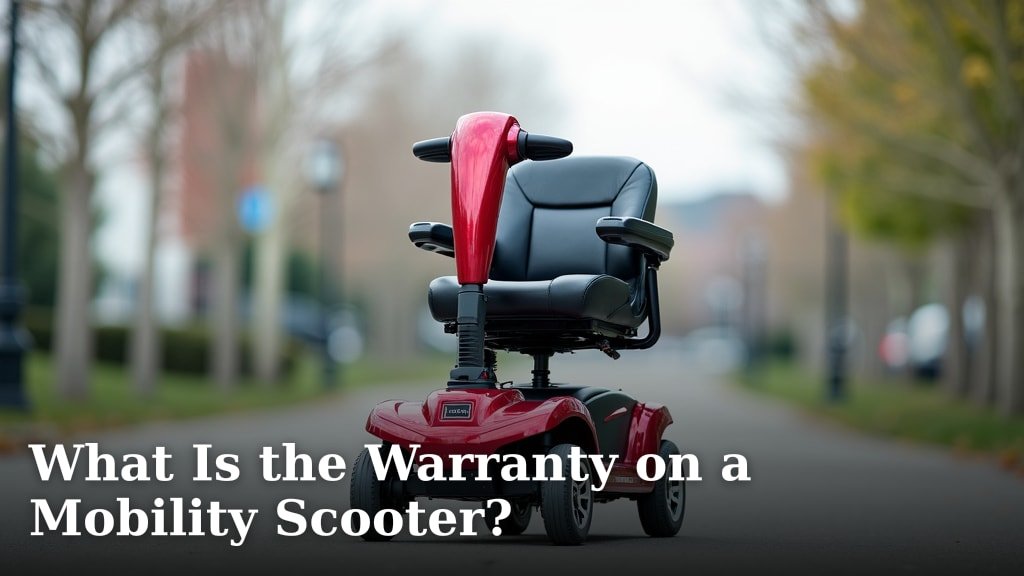
A mobility scooter warranty typically covers defects in materials and workmanship for a set period. We found that most new scooters come with a warranty lasting one to three years, depending on the manufacturer and specific parts.
This warranty usually protects you against unexpected failures. It often includes coverage for the frame, motor, and electronics. However, wear-and-tear items like tires and batteries might have shorter, separate warranties, or no coverage at all.
- Mobility scooter warranties usually last 1-3 years.
- They cover manufacturing defects, not normal wear.
- Different parts may have different warranty periods.
- Batteries and tires often have limited or no coverage.
- Always check your specific warranty document carefully.
Let’s walk through everything you need to know about what’s typically included and excluded in a mobility scooter warranty, so you can ride with confidence.
Understanding Your Mobility Scooter Warranty
Your mobility scooter is a significant investment in your independence. Knowing what its warranty covers is like having a roadmap for peace of mind. We’ve found that these warranties primarily protect you from manufacturing defects, not every bump or scrape along the way.
What Does a Mobility Scooter Warranty Typically Cover?
When you buy a new mobility scooter, the warranty is designed to give you confidence. It ensures that the product you receive meets certain quality standards. Most warranties, we’ve learned, are structured to cover the major components that make your scooter run.
The Core Components: Frame, Motor, and Electronics
Think of your scooter’s warranty as having different layers of protection. The longest coverage usually applies to the scooter’s main structure. We often see warranties on the frame lasting between three to five years, sometimes even longer. This is because the frame is built to last.
Next up are the parts that power your ride. The motor and transaxle are crucial. You’ll typically find these covered for one to two years. It’s important to remember these are complex mechanical parts. Issues here can stop your scooter in its tracks.
The scooter’s “brain” is its electronic control system. This includes the controller, charger, and wiring. Electronic components often have a one-year warranty. We find this is a standard period for many such devices. If your scooter suddenly stops responding, it might be an electronic issue.
Items with Shorter or Separate Warranty Periods
Not every part of your scooter is created equal when it comes to warranty coverage. Some items are designed to wear out over time. Others are considered consumables. These parts usually have different warranty terms, if any at all.
Batteries: A Special Case
Batteries are often the most frequently replaced part of a mobility scooter. They are a consumable item, meaning they degrade with use. We often see battery warranties lasting six months to one year. This warranty typically covers defects in manufacturing, not natural capacity loss over time.
For instance, if a battery fails completely after two months due to an internal short, that’s usually covered. But if its capacity slowly decreases after a year of heavy use, that’s considered normal wear. Always check the specific terms for your battery.
Tires, Upholstery, and Other Wear-and-Tear Items
What about the parts that experience friction or regular contact? Tires and wheels are classic examples of wear-and-tear items. Most mobility scooter warranties do not cover flat tires or tread wear. This is similar to how car tires are handled. If a tire arrives defective, that’s a different story.
The seat, armrests, and other upholstery components are also subject to daily use. They can experience rips, tears, or fading over time. Generally, these items have very limited or no warranty coverage against normal wear. Any initial manufacturing flaw, like a seam coming undone, might be covered early on.
- Tires: Usually no coverage for flats or tread wear.
- Upholstery: Limited coverage for initial defects.
- Bulbs and Fuses: Often considered consumables, rarely warranted.
- Brake pads: Wear items, similar to car brakes.
Understanding What Voids Your Warranty
A warranty is a contract, and certain actions on your part can cancel it. It’s like having a special insurance policy with rules you need to follow. Avoiding these pitfalls will help ensure your warranty remains valid. We find that most warranty claims are denied due to these common reasons.
- Unauthorized repairs or modifications: Tampering with the scooter yourself or having someone not authorized by the manufacturer perform repairs can void your warranty.
- Abuse or neglect: This includes damage from accidents, improper storage, lack of maintenance, or using the scooter in conditions it wasn’t designed for (e.g., extreme weather).
- Failure to follow owner’s manual: Not adhering to the maintenance schedule or operating instructions can be grounds for voiding.
- Using non-approved parts: Installing aftermarket parts not sanctioned by the manufacturer could lead to issues and voided coverage.
- Exceeding weight capacity: Putting too much weight on your scooter strains its components and is usually not covered.
Making a Warranty Claim: What You Need to Know
So, you think you have a warranty issue. What’s next? Don’t panic! The process is usually straightforward, but it requires a few steps. We’ve seen many people successfully navigate this when they are prepared.
First, gather your purchase information. This includes your original receipt, the scooter’s serial number, and the date of purchase. These details are vital for the manufacturer to verify your coverage. Think of it like proving you own the scooter and when you bought it.
Next, contact the dealer where you bought the scooter. They are often your first point of contact for warranty service. They can help diagnose the problem and guide you through the next steps. Sometimes, a simple fix can be done locally.
If the dealer can’t help, or if you purchased directly from the manufacturer, contact the manufacturer’s customer service. Be ready to explain the issue clearly. They might ask for photos or videos of the problem. Don’t throw away any defective parts until instructed.
Here’s a quick checklist to help you:
- Locate your purchase receipt and warranty document.
- Find your scooter’s serial number.
- Describe the problem clearly and concisely.
- Note down any error codes or unusual sounds.
- Contact your dealer or the manufacturer.
Comparing Warranty Policies: A Quick Guide
Not all warranties are created equal. When you’re shopping for a mobility scooter, the warranty can be a big factor. It’s smart to compare these policies just as you would compare features or prices. We’ve put together a small table to show you how different parts often compare.
| Component | Typical Warranty Range | Common Exclusions |
|---|---|---|
| Frame | 3-5 years, sometimes lifetime | Damage from impact or abuse |
| Motor/Transaxle | 1-2 years | Water damage, unauthorized repairs |
| Electronics (Controller, Charger) | 1 year | Power surges, tampering |
| Batteries | 6 months – 1 year (pro-rated) | Normal capacity degradation, improper charging |
| Tires/Upholstery | Very limited, often 30 days for defects | Wear and tear, punctures, fading |
As you can see, the length of coverage varies. Some manufacturers offer extended warranties for purchase. This can provide an extra layer of protection, especially for high-value components. Consider if the extra cost is worth the added peace of mind for your situation.
Tips for Maintaining Your Warranty
Think of your warranty as a plant you need to water. To keep it “alive” and valid, you have to do a little work. Proper maintenance is not just good for your scooter; it’s good for your warranty too. Many manufacturers require proof of regular service (Cleveland Clinic).
Always keep your owner’s manual handy. It’s full of important information about routine maintenance. This includes things like checking tire pressure, keeping battery terminals clean, and regularly charging your battery. Ignoring these simple steps can lead to problems that aren’t covered.
If your scooter needs service, try to use authorized technicians. These are professionals who understand your specific scooter model. They use approved parts and methods, which helps keep your warranty intact. Getting work done by an untrained person might accidentally void your coverage.
Finally, keep a record of all maintenance and service. This includes dates, what was done, and by whom. If you ever need to make a warranty claim, having this documentation can be incredibly helpful. It shows you’ve taken good care of your investment.

Conclusion
Understanding your mobility scooter warranty is essential for long-term peace of mind. You’ve learned that coverage varies significantly by component, with frames often lasting years while batteries have much shorter terms. Remember, proper maintenance and avoiding unauthorized repairs are key to keeping your warranty valid. Before you make a purchase, always read the fine print. This helps you choose a scooter that offers the right blend of features and warranty protection for your needs.
Frequently Asked Questions
Is an extended warranty for a mobility scooter worth it?
An extended warranty can be a good investment if you plan to keep your scooter for many years, or if you worry about expensive repairs outside the standard warranty period. It offers extra protection beyond the manufacturer’s initial coverage. Weigh the cost against your peace of mind and the potential repair expenses.
What’s the difference between a warranty and an insurance policy for a mobility scooter?
A warranty covers manufacturing defects and certain component failures from normal use. Insurance, on the other hand, protects your scooter from accidental damage, theft, or loss. Think of the warranty as protecting against what goes wrong on its own, while insurance protects against outside forces.
Can I transfer my mobility scooter warranty if I sell the scooter?
Most mobility scooter warranties are non-transferable and apply only to the original purchaser. However, some manufacturers might offer limited transferable warranties. Always check your specific warranty document or contact the manufacturer to confirm their policy before selling your scooter.
Does using aftermarket parts void my mobility scooter warranty?
Yes, using non-approved or aftermarket parts can often void your mobility scooter warranty. Manufacturers typically specify that only their authorized parts or those approved by them should be used for repairs or replacements. Sticking to genuine parts helps ensure your coverage remains intact.
What should I do if my mobility scooter breaks down just outside its warranty period?
If your scooter breaks down shortly after the warranty expires, still contact your dealer or manufacturer. Sometimes, they might offer goodwill assistance or discounted repairs, especially if it’s a known issue or a high-cost component failure. It never hurts to ask, explaining the situation clearly.
