
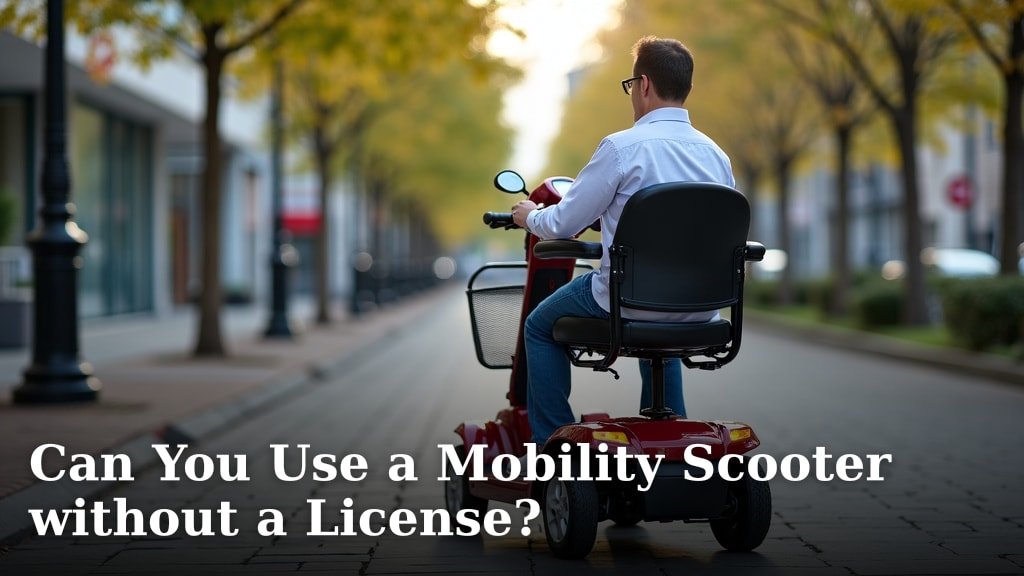
Yes, you do not need a special license to operate a mobility scooter in the United States. These devices are generally considered mobility aids, not motor vehicles. This means you won’t need a driver’s license or special permit to use one.
You can typically drive a mobility scooter on sidewalks, in stores, and across crosswalks without legal hassle. We found that most states classify them similarly to wheelchairs. So, relax, you can usually drive freely and independently.
TL;DR:
- No special license is required.
- Mobility scooters are not cars.
- They’re considered mobility aids.
- Drive on sidewalks and in shops.
- Laws are similar across the US.
Ready to hit the road? Let’s dive deeper into where you can go and what you need to know about using your mobility scooter safely and legally. To help you choose the right model, we have a comprehensive guide on the best mobility scooter for everyday use.
Operating Your Mobility Scooter Without a License
You absolutely can operate a mobility scooter without a license in the United States. They are primarily designed to help people with mobility limitations move around freely. Think of it like using a wheelchair; no special permit is needed for that, right?
The rules are quite straightforward. Your mobility scooter is considered a medical device, not a traditional vehicle. This classification keeps things simple for everyone. It means fewer hoops for you to jump through to gain independence.
Understanding Mobility Scooter Laws
Federal law sets the general tone for mobility scooter use. However, individual states and even local municipalities can have their own specific regulations. It’s always a good idea to be aware of your local rules, but don’t worry, they are usually quite similar.
Most laws focus on safety and accessibility. They want to make sure you can use your scooter without endangering yourself or others. This is why you’ll often find consistent guidelines across different areas regarding where you can ride.
Federal Regulations and Definitions
The Americans with Disabilities Act (ADA) plays a big role here. It defines mobility devices and ensures access for people with disabilities. Under the ADA, a mobility scooter is seen as an extension of a person’s ability to walk (ADA.gov).
This definition is key to why no license is required. It means these devices are treated differently than cars, motorcycles, or even bicycles in many respects. They are viewed as essential tools for daily living.
State-Specific Rules and Exceptions
While the federal stance is clear, states might have minor variations. For example, some states might have specific speed limits for scooters on sidewalks. Others might clarify parking rules. We found that most states keep the “no license” rule firmly in place.
It’s rare to find a state that requires a license for a mobility scooter. If you’re planning a trip to a different state, a quick check of their Department of Motor Vehicles (DMV) website can offer peace of mind. But for everyday use, you’re likely fine.
Where Can You Ride Your Mobility Scooter?
One of the best things about a mobility scooter is the freedom it offers. You’re not just confined to your home. You can explore your neighborhood, go shopping, and enjoy public spaces.
Generally, you can take your scooter most places a pedestrian can go. This includes indoors and outdoors. Imagine the convenience of moving easily through a grocery store or a park! For those looking to explore beyond paved paths, our guide on what is the best mobility scooter for outdoor use offers valuable insights.
Sidewalks, Crosswalks, and Pedestrian Areas
Yes, you can absolutely use your mobility scooter on sidewalks and in crosswalks. You are considered a pedestrian when operating your scooter in these areas. This means you should follow all pedestrian traffic laws.
When using a crosswalk, always be mindful of traffic. Make eye contact with drivers. This ensures they see you and can stop safely. Your safety is paramount, so stay alert.
Public Buildings and Stores
The ADA ensures that public buildings and businesses are accessible. This includes allowing mobility scooters inside. So, you can confidently navigate shops, restaurants, and government buildings.
You shouldn’t face any issues entering places with your scooter. If someone tries to deny you entry, remind them of your rights under the ADA. Most places are very welcoming and helpful.
Roads and Bike Lanes: When Is It Allowed?
This is where things can get a little more nuanced. Generally, mobility scooters are not meant for roadways where cars travel at high speeds. Your scooter might not have the same visibility or speed as a car.
However, if there’s no sidewalk available, or if the sidewalk is impassable, you might be allowed to use the shoulder of the road. Some areas also permit scooters in bike lanes, especially if they are low-speed environments. Always check local signs and regulations.
Important Safety Tips for Scooter Users
While you don’t need a license, being a responsible and safe operator is crucial. Think of it as a pedestrian with a little extra zip. Common sense goes a long way here.
Always prioritize your safety and the safety of those around you. A little preparation and awareness can prevent accidents and ensure a pleasant experience every time you ride.
Pre-Ride Checks and Maintenance
Before you head out, do a quick check of your scooter. Is the battery charged? Are the tires inflated? Do the brakes work properly? A few moments can save a lot of trouble later.
Regular maintenance is also important. Just like any piece of equipment, your scooter will last longer and perform better with good care. Refer to your owner’s manual for specific maintenance schedules.
Visibility and Awareness
Being seen is being safe. Consider adding flags, reflective tape, or extra lights to your scooter, especially if you ride in low-light conditions. Bright clothing also helps.
Always be aware of your surroundings. Look out for obstacles, uneven surfaces, and other pedestrians. Don’t assume others see you; always be ready to react.
Following Traffic Laws and Courtesy
Even without a license, you should still follow traffic laws that apply to pedestrians. Stop at red lights, obey stop signs, and yield to others. Being courteous makes the experience better for everyone.
When passing pedestrians on a sidewalk, give them plenty of space. A friendly “excuse me” or a small bell can alert them to your presence. Remember, shared spaces require shared respect.
Checklist for Safe Mobility Scooter Use
Here’s a quick checklist to help you stay safe and confident while using your mobility scooter:
- Read your scooter’s manual thoroughly to understand its features and limitations.
- Practice in a safe, open area before venturing into crowded spaces.
- Charge your battery fully before each outing, especially longer trips.
- Wear bright clothing or use reflective gear for increased visibility.
- Always check your surroundings for obstacles, pedestrians, and traffic.
- Follow all pedestrian traffic laws, including stop signs and crosswalk signals.
Comparing Mobility Scooters to Other Vehicles
It’s helpful to understand why mobility scooters are treated differently from other types of transportation. This distinction is at the heart of why no license is needed.
The primary difference lies in their purpose and design. Mobility scooters are built for assistance, not for general transportation. This fundamental difference shapes all the related laws and regulations.
| Feature | Mobility Scooter | Car/Motorcycle | Bicycle |
|---|---|---|---|
| License Required? | No | Yes | No (usually) |
| Primary Purpose | Mobility aid | Transportation | Transportation/Recreation |
| Operating Speed | Low (up to 8 mph) | High | Moderate |
| Road Use | Limited/Exceptional | Primary | Common |
| Pedestrian Rights | Generally yes | No | Mixed (depends on location) |
As you can see, mobility scooters occupy a unique space. They are designed for slower speeds and for use in areas where pedestrians are common. This makes them distinct from road vehicles.
This table really highlights the key differences. It shows why the legal framework surrounding mobility scooters is geared towards accessibility and personal assistance, rather than standard vehicle operation.
Conclusion
As we’ve explored, you absolutely do not need a special license to operate a mobility scooter in the U.S. They are designed to enhance your independence and are treated as essential mobility aids, not motor vehicles. This distinction allows you to use them freely on sidewalks, in stores, and across crosswalks, similar to a pedestrian.
Remember to prioritize safety through pre-ride checks, visibility, and courtesy to others. Always stay aware of your surroundings. With these practices, you can confidently and safely enjoy the freedom your mobility scooter offers. Go ahead, experience the world with renewed ease!
Frequently Asked Questions
Can a mobility scooter be driven on the road without a license?
Generally, mobility scooters are not intended for regular road use with cars. They lack the speed and visibility needed for safe operation in traffic. You should typically stick to sidewalks and pedestrian areas.
Are there any age restrictions for operating a mobility scooter?
No, there are no federal age restrictions for using a mobility scooter. Since it’s considered a medical device, age is not a factor in its operation. However, individual ability to operate it safely is important.
Do I need insurance for my mobility scooter?
While not legally required, having insurance for your mobility scooter is a good idea. It can protect you in case of an accident, theft, or damage to the scooter itself. We found many personal liability policies offer coverage.
What is the typical top speed of a mobility scooter?
Most mobility scooters have a top speed ranging from 4 to 8 miles per hour. This speed is designed for safety in pedestrian areas. Faster models exist but are less common for everyday use.
Can I take my mobility scooter on public transport?
Yes, under the ADA, public transportation services generally must accommodate mobility scooters. This includes buses, trains, and paratransit services. It’s always best to check with your local transit authority for specific guidelines.
