What Is the Best Mobility Scooter for Outdoor Use?
On this page (3 sections)
The best mobility scooter for outdoor use is generally a heavy-duty or all-terrain model. These scooters offer the power, stability, and range you need for navigating various outdoor environments. We found that features like larger tires and powerful motors are key for performance outside.
When you’re looking for an outdoor mobility scooter, you want something that can handle more than just smooth sidewalks. Think about where you’ll use it most. Do you need to travel on uneven paths, grass, or gravel paths? Your choice will depend on these factors and your personal mobility needs.
- Heavy-duty scooters offer power and stability for outdoor terrain.
- Look for large tires and strong motors for best outdoor performance.
- Consider where you’ll use the scooter most.
- Think about battery range for longer trips.
Choosing the right outdoor mobility scooter can really improve your independence and allow you to enjoy the world around you. Let’s explore what makes a great outdoor scooter and help you find your perfect match.
Choosing the Right Mobility Scooter for Outdoor Adventures
Finding the perfect outdoor mobility scooter means looking at a few key features. You want something that offers both comfort and capability. For paved routes, learn what a pavement scooter is before comparing models. It needs to handle different surfaces, not just smooth pavements. Let’s break down what makes an outdoor scooter truly great.
Understanding Mobility Scooter Types for Outdoor Use
When you’re ready to explore outside, not just any scooter will do. You generally have a few main types. Each one offers different strengths. Knowing these differences helps you make a smart choice.
Heavy-Duty Scooters: Your Workhorse for Tough Terrain
Heavy-duty scooters are built for serious outdoor use. They are often called bariatric scooters because they can carry more weight. These models come with larger tires and a wider base. This design gives you excellent stability on varied ground. We’ve seen these scooters tackle everything from grassy parks to gravel paths with ease.
All-Terrain Scooters: Off-Road Ready
If you love adventure, an all-terrain scooter might be your best bet. These are like the SUVs of the scooter world. They often feature four-wheel drive and advanced suspension systems. This allows them to navigate very challenging conditions. Think about dirt trails or uneven natural paths. They’re designed for maximum traction and power.
Three-Wheel vs. Four-Wheel Scooters for Stability
You might wonder about the number of wheels. Three-wheel scooters are often more maneuverable. They have a tighter turning radius. This can be great for navigating crowded spaces or tight corners. However, for outdoor stability, four-wheel scooters are usually superior. They provide a wider and more stable base. This is especially important on uneven or sloped terrain.
Consider your primary use. Will you be turning a lot, or do you need maximum stability? Many users prefer the added peace of mind that four wheels offer outdoors.
Essential Features for Outdoor Mobility Scooters
Once you know the type, let’s dive into the specifics. What features truly matter for outdoor performance? We found a few things are absolutely critical. These elements ensure your safety and comfort.
Motor Power and Battery Range: Go the Distance
A powerful motor is a must for outdoor scooters. It helps you climb inclines and move across tough surfaces. Look for a scooter with a high watt motor. This translates to better torque and speed. The battery range is just as important. You don’t want to run out of power far from home. We suggest looking for scooters that offer at least a 20-mile range on a single charge (National Institutes of Health).
Tire Type and Size: Grip and Glide
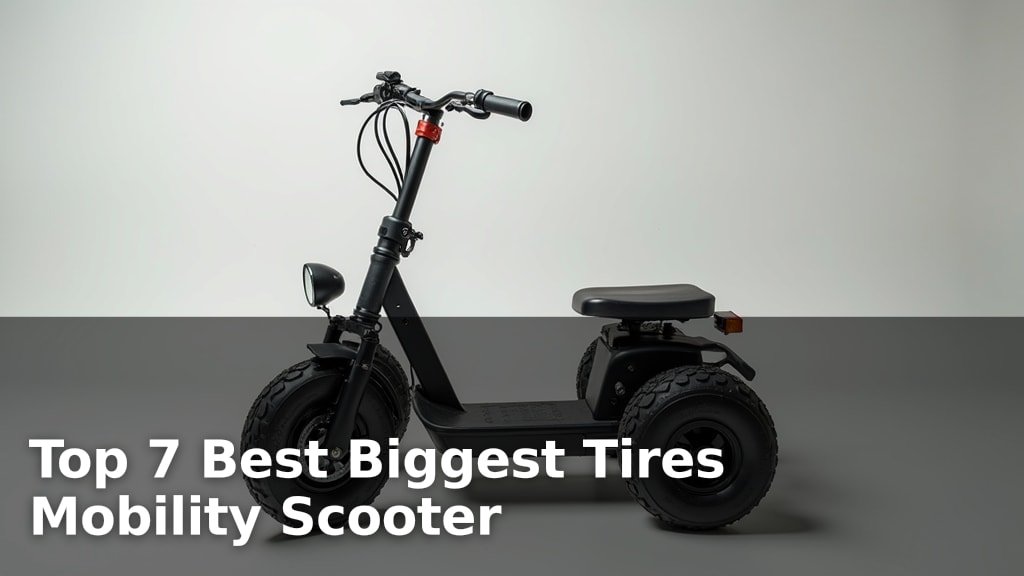
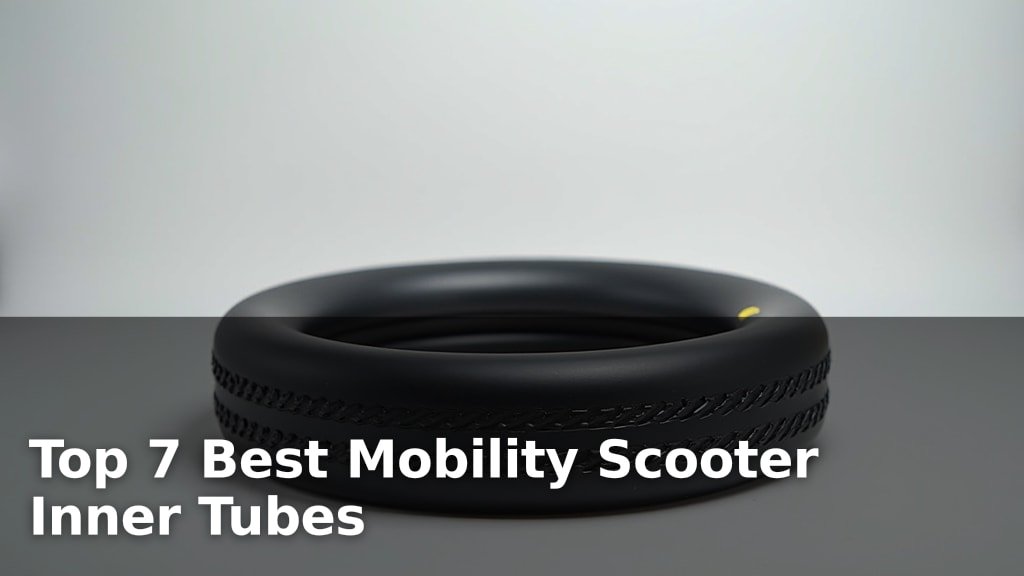
The tires are your scooter’s direct link to the ground. For outdoor use, you’ll want pneumatic (air-filled) tires. These offer better shock absorption than solid tires. Larger tires also provide more ground clearance. This helps you avoid getting stuck on small obstacles. Look for tires with a good tread pattern. This ensures better grip on loose surfaces like gravel or grass.
Ground Clearance and Suspension: Smooth Riding
High ground clearance is vital for outdoor use. It prevents the underside of your scooter from scraping on bumps or uneven ground. Aim for at least 3-4 inches of clearance. A good suspension system is also key. It absorbs shocks and vibrations. This makes for a much smoother and more comfortable ride. Without good suspension, every bump can feel jarring.
Safety Considerations for Outdoor Mobility
Your safety is always a top priority. When you’re out and about, especially on varied terrain, certain features become even more important. We researched common concerns to help you stay safe.
Lighting and Reflectors: Be Seen, Be Safe
If you plan to use your scooter at dusk or dawn, proper lighting is non-negotiable. Headlights, taillights, and turn signals are essential. They help you see where you’re going and, more importantly, make sure others see you. Reflectors also add an extra layer of visibility. Think about how cars use lights; your scooter should too for outdoor travel (Department of Transportation guidelines).
Braking Systems: Control and Confidence
Reliable brakes are critical. Most mobility scooters use electromagnetic brakes. These automatically engage when you release the throttle. Some outdoor models also offer hand brakes. This gives you more control, especially on slopes. Always test the brakes thoroughly. You need to feel confident in their stopping power.
Comfort and Convenience for Longer Trips
Outdoor adventures can mean longer times on your scooter. So, comfort and convenience features really matter. You want to enjoy your journey, not just endure it.
Seating and Ergonomics: Your Personal Throne
A comfortable seat can make all the difference. Look for a padded, adjustable seat. Swivel seats are handy for getting on and off easily. Armrests that flip up or adjust are also great. You want a seating position that supports your back and reduces fatigue. Consider if you need extra lumbar support for longer rides.
Storage Options: Carry What You Need
When you’re out, you’ll likely need to carry some personal items. Baskets, under-seat storage, or even a rear bag attachment are very useful. Think about what you typically bring with you. Do you need space for groceries, a jacket, or medical supplies? Make sure your chosen scooter has enough storage for your needs.
Checklist for Your Outdoor Mobility Scooter Search
Ready to start looking? Use this checklist to guide your decision. It covers the most important aspects we’ve discussed. This will help you narrow down your options efficiently.
- Does it have large, pneumatic tires for diverse terrain?
- Is the motor powerful enough for hills and rough ground?
- Does the battery offer a sufficient range for your typical outings?
- What is the ground clearance, and does it have good suspension?
- Are there proper lights and reflectors for visibility?
- Is the seat comfortable and adjustable for long-term use?
Comparing Outdoor Mobility Scooter Features
It can be tough to compare all the options. We’ve put together a simple table to help you visualize the differences. This table focuses on key outdoor features.
| Feature | Heavy-Duty Scooter | All-Terrain Scooter | Standard Scooter (for comparison) |
|---|---|---|---|
| Motor Power | High (often 500W+) | Very High (often 800W+) | Moderate (200-400W) |
| Tire Type | Large Pneumatic | Extra Large, Aggressive Tread Pneumatic | Smaller Solid or Pneumatic |
| Ground Clearance | Good (3.5-5 inches) | Excellent (5+ inches) | Limited (2-3 inches) |
| Suspension | Robust, often front & rear | Advanced, heavy-duty | Basic or none |
| Battery Range | Good (20-30 miles) | Excellent (30+ miles) | Moderate (10-15 miles) |
| Weight Capacity | High (up to 500 lbs) | Very High (500+ lbs) | Standard (up to 300 lbs) |
As you can see, heavy-duty and all-terrain scooters really stand out. They are built specifically for the demands of outdoor travel. A standard scooter, while great for indoor use, often lacks the necessary features for truly adventurous outdoor trips.
Conclusion
Choosing the best outdoor mobility scooter really comes down to your personal needs and where you plan to go. We found that heavy-duty or all-terrain models with features like large pneumatic tires, powerful motors, and good ground clearance are your best bet. Prioritize safety with proper lighting and strong brakes, and don’t forget comfort for longer adventures.
You’re not just buying a scooter; you’re investing in your independence. Take your time, use our checklist, and compare models carefully. Finding the right fit will open up a world of possibilities, allowing you to enjoy every outdoor journey with confidence and ease.
Frequently Asked Questions
What’s the maximum weight capacity for outdoor mobility scooters?
Outdoor mobility scooters, especially heavy-duty models, often support higher weight capacities. We found some can safely carry users weighing up to 500 pounds or even more. Always check the manufacturer’s specifications for the exact weight limit of any scooter you consider.
Can outdoor mobility scooters handle steep hills?
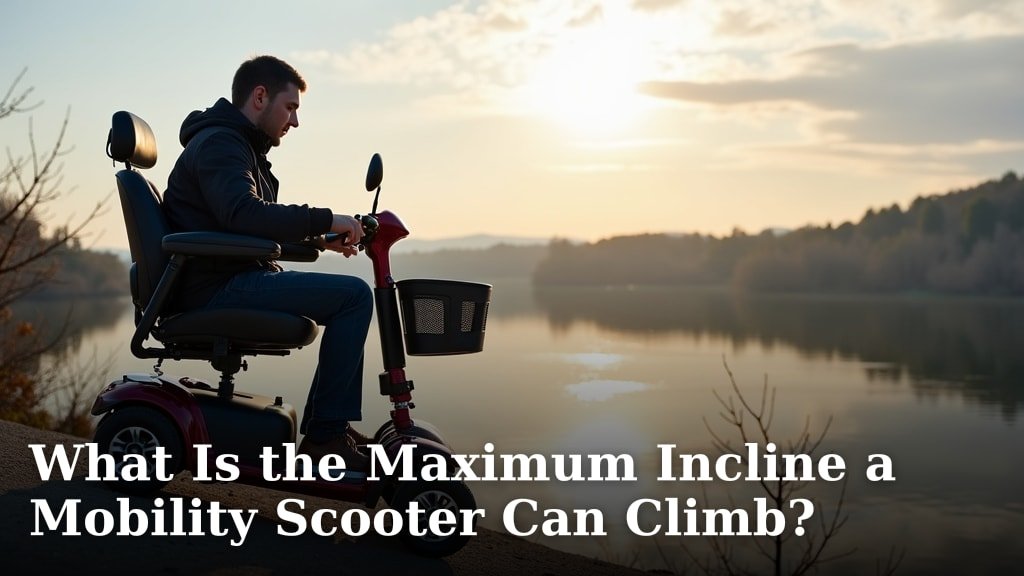
Yes, many outdoor mobility scooters are designed to handle inclines better than standard models. Look for scooters with powerful motors, typically 500 watts or higher. They provide the necessary torque to navigate steeper hills more effectively and safely.
Are outdoor mobility scooters waterproof?
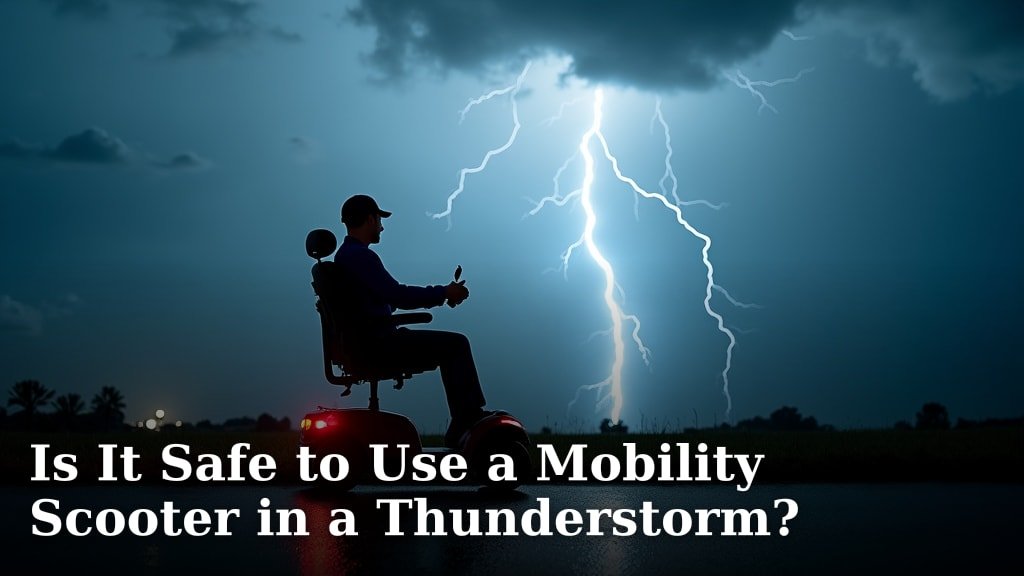
Most outdoor mobility scooters are water-resistant, meaning they can handle light rain or splashes. However, they are generally not fully waterproof and should not be submerged or used in heavy downpours. Always check the scooter’s IP rating for specific water resistance information.
How do I maintain my outdoor mobility scooter?
Regular maintenance is key for outdoor scooters. This includes checking tire pressure, keeping the battery charged, and regularly cleaning the scooter. You should also inspect for any loose connections or wear and tear, and follow the manufacturer’s service recommendations.
What accessories are most useful for outdoor mobility?
For outdoor use, consider accessories like a weather cover for protection from elements, a cup holder for drinks, and additional storage options like a rear basket. A cane or crutch holder can also be very useful for carrying mobility aids.