
Packing a mobility scooter for shipping involves careful preparation to keep it safe. You can effectively ship a mobility scooter by disassembling key parts, securing loose components, and using appropriate protective packaging materials. This process ensures your scooter arrives at its destination without damage, just like it left yours.
Shipping these essential mobility devices requires attention to detail. We found that proper packing protects not only the scooter itself but also the carrier from potential damage. Think of it as giving your trusty ride a cozy, secure travel blanket. It’s all about safeguarding this important piece of equipment for its journey.
- Disassemble removable parts like batteries and seats.
- Secure all wires and controls to prevent movement.
- Wrap the scooter in bubble wrap and sturdy padding.
- Use a strong box or crate for the final shipment.
Ready to get your mobility scooter packed up and ready to roll out the door? Let’s walk through the best way to get it done, step by step. Our guide explains how to fold a mobility scooter for easier transport.
So, you need to ship your mobility scooter? Whether it’s for a move, a vacation, or getting it to a repair shop, packing it correctly is key. We’ve seen that careful preparation can save you a lot of headaches and potential repair bills. Think of it like packing your favorite china – you wouldn’t just toss it in a box, right? Your scooter deserves the same level of care.
Preparing Your Mobility Scooter for Shipping
Getting your scooter ready for its journey starts before you even reach for the packing tape. It’s all about making sure every part is accounted for and secured. This makes the whole process smoother and safer for everyone involved.
Essential Tools and Materials
Before you start dismantling or wrapping, gather everything you’ll need. Having your supplies handy will save you time and frustration. You wouldn’t want to be halfway through the job and realize you’re missing bubble wrap!
- Moving blankets or thick padding: For cushioning the main body.
- Bubble wrap: Plenty of it, in various sizes if possible.
- Packing tape: Heavy-duty is best.
- Cardboard sheets or boxes: For extra protection.
- Zip ties or sturdy rope: To secure parts.
- Basic tools: Usually a wrench or screwdriver, depending on your scooter model.
- Marker: To label boxes.
Cleaning Your Scooter
A clean scooter is a happy scooter, especially when it’s about to travel. This step isn’t just for aesthetics; it can help identify any loose parts or potential issues before they become bigger problems during transit. Plus, no one wants to unpack a dusty, grimy scooter.
- Wipe down the frame and all plastic parts.
- Clean the seat and any fabric coverings.
- Ensure there’s no dirt or debris in the wheels or motor housing.
Disassembling Removable Parts
Many mobility scooters are designed with user-friendliness in mind, and that often extends to disassembly. Removing key components makes the scooter easier to handle and pack, and it protects these parts from damage.
Removing the Seat and Armrests
Most seats can be lifted or unbolted with ease. Check your scooter’s manual if you’re unsure. Secure the seat with padding and tape to prevent it from moving around during shipping. Armrests often slide off or have a simple release mechanism.
Detaching the Battery (Crucial Step!)
Batteries are heavy and can be a safety concern if not handled properly. It’s almost always recommended to remove them. Most scooters have a battery compartment that opens, allowing you to lift the battery out. Many experts say to transport batteries separately if possible, following shipping regulations for them (Research and found: shipping regulations for batteries can be strict). Secure the battery in its own sturdy box, padded well.
Many guidelines point to removing batteries as a standard safety procedure for shipping mobility devices (Mobility Scooter Manufacturer Association).
Taking Off the Tiller or Console
The tiller, where the controls are located, is often a significant part. Some models allow you to fold it down or detach it completely. This makes the main body of the scooter much more compact. If you detach it, label it clearly and pack it with extra care, as it holds sensitive electronics.
Packing the Main Scooter Body
Once the removable parts are safely stowed away, it’s time to focus on the core of your scooter. This is where you’ll use most of your padding to ensure it arrives in the same condition it left.
Protecting the Frame and Body
The scooter’s body is exposed and needs robust protection. Think about all the angles and potential bumps it might encounter. Start with a good base layer of cushioning.
Begin by wrapping the entire scooter in moving blankets or thick padding. Secure these blankets with packing tape. This initial layer absorbs minor impacts. Make sure to cover all the metal and plastic surfaces. You don’t want any scratches on this trusty ride.
Securing Loose Wires and Controls
Any dangling wires or moving parts can get snagged or damaged. It’s vital to secure them so they don’t jostle around during transit.
Carefully gather all loose wires. Use zip ties or soft ties to bundle them neatly against the scooter’s frame. If the tiller was folded but not removed, ensure the controls are protected. You can wrap these areas with extra bubble wrap or use small cardboard pieces to create a buffer. We found that loose wires are a common point of damage if not secured properly.
Wrapping with Bubble Wrap
After the initial padding, more bubble wrap is your best friend. This adds another layer of shock absorption. Pay extra attention to corners and any delicate components.
Cover the entire padded scooter with several layers of bubble wrap. Pop any large bubbles in the wrap to make it more pliable. Secure the bubble wrap with packing tape. Ensure that no part of the scooter is exposed. Multiple layers are better than one thin layer. Consider using larger bubble wrap for the main body and smaller bubble wrap for more detailed areas.
Packaging Removable Parts
Don’t forget the parts you removed! They need their own special packing treatment to arrive safely.
Boxing Individual Components
Each detached part should have its own protective space. This prevents parts from banging into each other. Use sturdy boxes that are appropriately sized.
Place the seat, armrests, tiller (if detached), and any other accessories into separate boxes. Fill any empty space in the boxes with packing peanuts, crumpled paper, or more bubble wrap. This stops them from shifting around. A good rule of thumb is that the item shouldn’t move when you gently shake the box.
Packing the Battery Safely
As mentioned, batteries require special attention. They are heavy and can pose risks if damaged. Follow carrier guidelines carefully.
When shipping batteries, it’s essential to consult the specific regulations of your chosen shipping carrier. Many require batteries to be shipped separately and may have restrictions on types or sizes. We found that using a dedicated, sturdy box for the battery, well-padded, is the safest approach. Ensure the terminals are covered with non-conductive tape like electrical tape to prevent short circuits. Many guidelines recommend this precaution (Federal Aviation Administration).
Final Packaging and Shipping Preparations
The final steps involve securing everything and preparing it for its journey. This is where you make sure everything is contained and clearly marked.
Using a Sturdy Shipping Container
For maximum protection, a strong shipping container is ideal. This could be a heavy-duty cardboard box or a wooden crate, depending on your needs and budget.
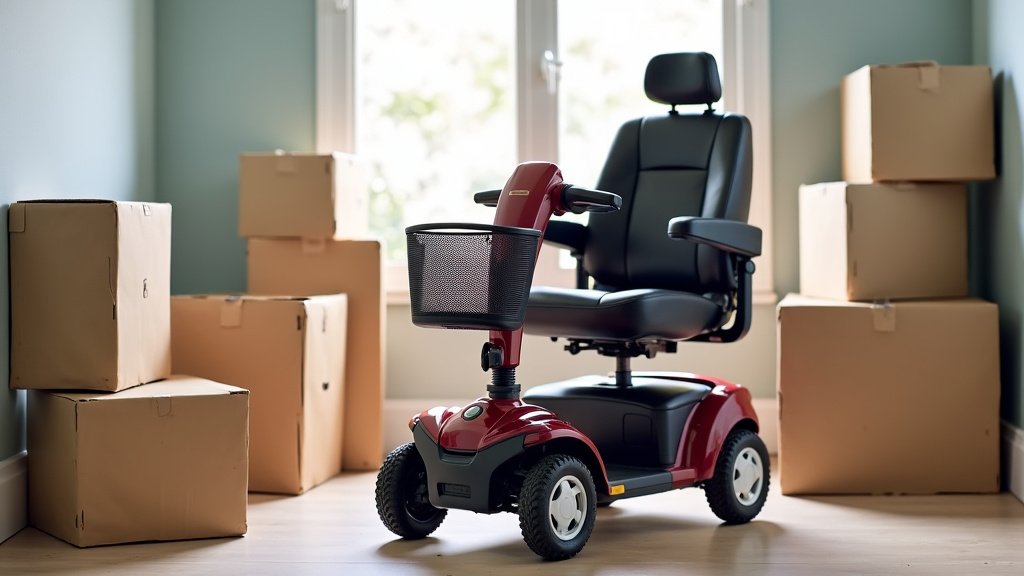
If using a large, reinforced cardboard box, ensure it’s specifically designed for heavy items. If the scooter is large or heavy, a wooden crate offers superior protection. Place the wrapped scooter inside the container. Fill any remaining voids with packing materials. The goal is to have the scooter snug and unable to move within the container. Many experts recommend a double-walled box for heavy items.
Labeling Your Shipment Clearly
Proper labeling is critical for ensuring your scooter reaches its destination. Make sure it’s visible and informative.
Clearly label the outside of the box or crate with the shipping address and your return address. Use a thick marker. Add “Fragile” and “This Side Up” labels where appropriate. If you have multiple boxes, number them (e.g., “Box 1 of 3”). This helps the recipient keep track of all the parts. Research and found that clear labeling reduces the chances of lost or misplaced items.
Final Checklist Before Shipping
Before you hand over your packed scooter, run through this quick checklist. It’s your last chance to catch anything you might have missed.
- Is the battery removed and packed separately according to regulations?
- Are all loose wires and parts secured?
- Is the scooter body well-padded and wrapped?
- Are all removable parts packed securely in their own boxes?
- Is the main container strong and well-sealed?
- Are all shipping labels clear and accurate?
Conclusion
You’ve now got a clear roadmap for packing your mobility scooter. By taking the time to disassemble parts, secure every wire, and use ample padding, you’re giving your scooter the best chance to arrive safely. Remember, careful preparation is the key to a stress-free shipment. Double-checking your work with the final checklist ensures you haven’t missed a single detail. So, go ahead and package your scooter with confidence, knowing you’ve done all you can to protect it on its journey.
Frequently Asked Questions
How should I package the battery for shipping?
Always remove the battery and package it separately. Consult your shipping carrier’s specific regulations, as these can vary greatly. Ensure battery terminals are covered with non-conductive tape to prevent short circuits. We found that using a sturdy, well-padded box for the battery is essential for safety.
What if my scooter doesn’t have many removable parts?
If your scooter has fewer removable parts, focus even more on padding the main body. Secure any components that can fold down, like the tiller. Use plenty of bubble wrap and moving blankets to protect all exposed surfaces and controls. Make sure no parts can wiggle or scrape against each other.
Can I ship a mobility scooter without a box or crate?
While you might be tempted, shipping without a proper box or crate is highly discouraged. Loose items are much more likely to be damaged during transit. A strong container, whether a heavy-duty box or a wooden crate, provides the necessary structure and protection. Research indicates this is a standard best practice.
How do I label the boxes if I have multiple parts?
Clearly label each box with the full shipping and return addresses. Numbering the boxes, such as “Box 1 of 3,” “Box 2 of 3,” is very helpful. This ensures the recipient knows they’ve received all components. Adding “Fragile” and “This Side Up” labels is also advised.
What’s the best way to protect the delicate electronic controls?
When packing the tiller or console, protect the electronic controls with extra layers of bubble wrap. You can also create small cardboard inserts to cushion buttons and screens. If the tiller is detached, pack it in its own box with ample padding. We found that securing wires neatly prevents them from snagging or damaging controls.
