
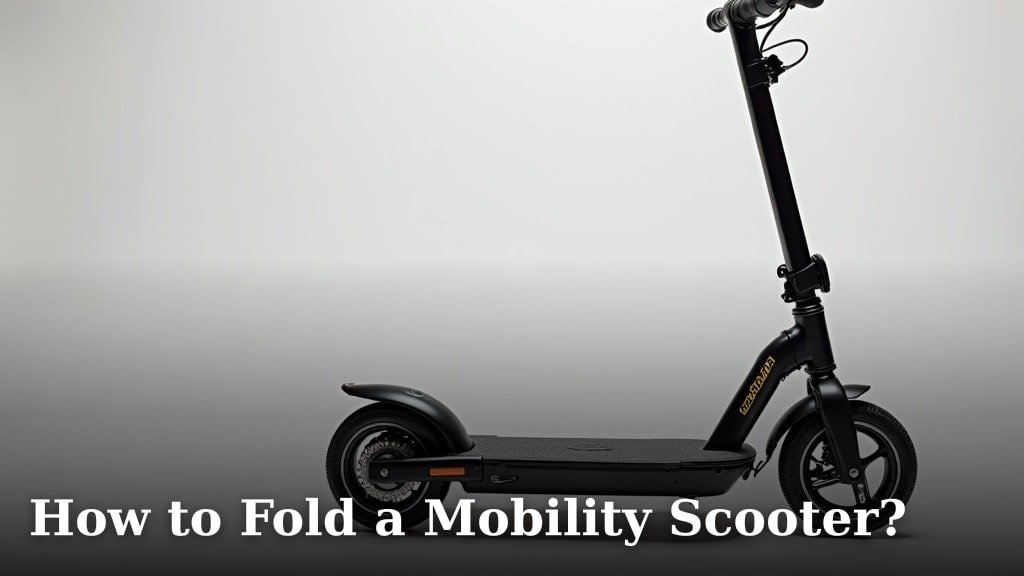
To fold a mobility scooter, you typically release safety mechanisms, lower the tiller, collapse the seat, and finally fold the main chassis. This process makes your scooter compact for transport or storage.
Many people wonder if their scooter can be folded. Not all mobility scooters fold, but many modern designs do. This feature is really handy for travel or when space is tight at home.
- Identify your scooter type (folding vs. non-folding).
- Locate all locking pins and levers.
- Follow the steps for your specific model.
- Practice folding and unfolding carefully.
- Know when and where to transport your folded scooter.
Are you ready to make your mobility scooter more portable? We’ll show you exactly how to fold a mobility scooter, step by step.
Getting Started with Folding Your Mobility Scooter
Folding your mobility scooter might seem a little daunting at first. But don’t worry, once you learn the steps, it becomes second nature, like tying your shoes. The key is knowing your scooter’s specific design.
Understanding Your Scooter’s Type: Manual vs. Automatic
Not all scooters are made the same, especially when it comes to folding. You’ll find two main types: manually folding and automatically folding models. Do you know which one you have?
Manual Folding Scooters
These are the most common type you’ll encounter. They require you to physically manipulate parts to fold them down. You’ll be unlatching, lifting, and pushing. It’s a bit like folding a stroller or a camping chair.
- Usually lighter in weight when folded.
- Often have a simpler design with fewer electronic parts involved in folding.
- May require a little more strength or dexterity to operate the latches.
Automatic Folding Scooters
These scooters are the epitome of convenience. With just the push of a button, usually on a remote control or the tiller, they fold themselves. It’s quite impressive to watch!
- Extremely easy to use, ideal if you have limited mobility or strength.
- Often a bit heavier due to internal motors and mechanisms.
- The battery needs to have enough charge for the folding mechanism to work.
Preparing Your Scooter for Folding
Before you start any folding action, make sure your scooter is ready. Think of it like pre-flight checks for an airplane – small steps now can prevent big problems later.
Safety First: Power Off and Keys Out
This might seem obvious, but it’s super important. Always turn off your scooter’s power. Remove the key if it has one. You don’t want any accidental movements while you’re handling it (National Mobility Equipment Dealers Association).
- Ensure the scooter is on a level surface.
- Apply the parking brake if your model has one.
- Clear any items from the basket or seat.
Clearing the Decks: Removing Detachable Parts
Many scooters have parts that come off easily to make them lighter or more compact. Taking these off first helps streamline the folding process. Have you checked what parts on your scooter are removable?
Typically, these include:
- The seat (often lifts right off).
- The battery pack (may be easily accessible).
- Any front baskets or storage bags.
- Armrests (some models allow quick removal).
Step-by-Step Folding Guide for Manual Scooters
Alright, let’s get down to business. If you have a manual folding scooter, these are the general steps you’ll follow. Remember, your specific model might have slight variations.
Folding the Tiller (Steering Column)
The tiller is the steering column that holds the handlebars. This is usually the first major component to fold or collapse. Look for a large lever or knob near the base of the tiller.
Locate the release lever for the tiller. It’s usually a large, easy-to-find mechanism. Pull or push it to unlock the tiller. Then, gently lower the tiller down towards the scooter’s deck.
Collapsing the Seat
Some seats fold down neatly, while others might need to be completely removed. If your seat is designed to fold, look for a lever or latch underneath it or on the side. This mechanism allows the seatback to fold almost flat onto the seat cushion.
If your seat isn’t designed to fold in place, you’ll likely need to lift it off completely. These seats often have a simple post that slides into a receiver on the scooter’s base.
Folding the Main Chassis (Base)
This is where the magic happens and your scooter becomes much smaller. You’ll typically find a main folding mechanism on the scooter’s deck, often near the footrest area or under the seat post.
- Locate the primary release lever or pin. It’s often colored differently or clearly marked.
- Disengage this lock. You might need to push a button while pulling a lever.
- Gently begin to fold the front section of the scooter towards the back section.
- The two halves will come together, reducing the scooter’s length significantly.
- Listen for a “click” or engage a safety latch to ensure it’s securely folded.
Step-by-Step Folding Guide for Automatic Scooters
If you have an automatic folding scooter, consider yourself lucky! The process is incredibly simple. It’s almost like having a personal assistant for your scooter.
The Power of the Button
Automatic scooters live up to their name. You usually have two ways to activate the folding mechanism. Have you tried both on your scooter?
- Onboard button: Located on the tiller or control panel.
- Remote control: A small fob, much like one for your car keys.
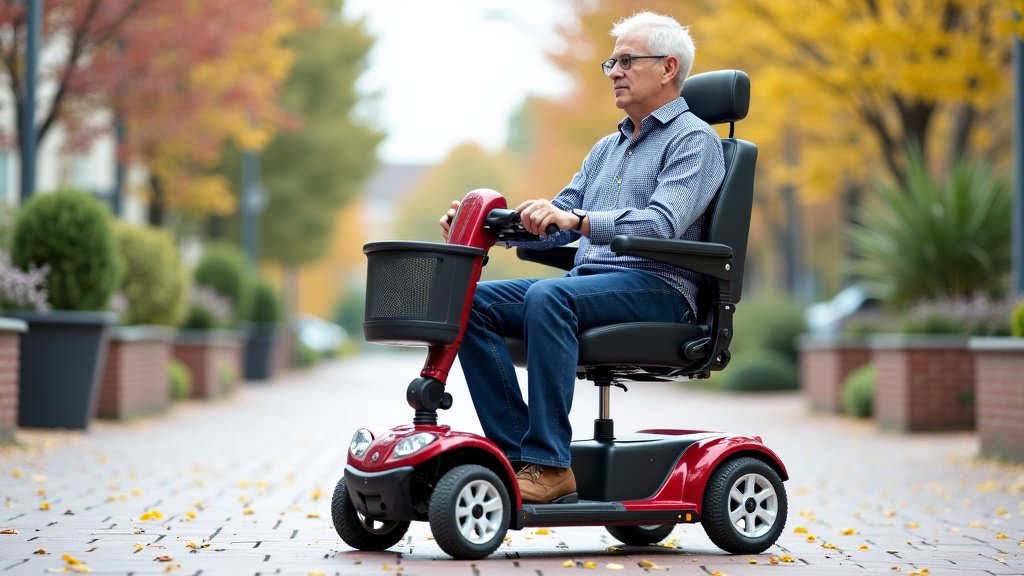
Simply press and hold the designated button. The scooter will then begin its graceful transformation. The tiller will lower, the seat will collapse, and the chassis will fold, all on its own. Ensure you’re standing clear of all moving parts!
Post-Folding Checks
Once your scooter is folded, take a moment to ensure everything is secure. You wouldn’t want it to unexpectedly unfold while you’re lifting it.
Securing the Folded Position
Many folding scooters have a secondary latch or strap that keeps the scooter in its folded position. This prevents it from accidentally unfolding when you’re carrying or transporting it.
For example, some models have a built-in strap that wraps around the folded halves (Mobility International USA). Other scooters might have a pin that you insert to lock it. Always double-check this for safety.
Transporting and Storing Your Folded Scooter
Now that your scooter is compact, what’s next? You’ll find it much easier to lift and store.
Lifting and Loading Tips
Even when folded, mobility scooters can still be quite heavy. Most range from 40 to 70 pounds, or even more. Always lift with your legs, not your back, or ask for help if needed.
Many folded scooters have a design that allows them to be wheeled around like a suitcase. Look for small wheels at the bottom that engage when folded. This can save you a lot of heavy lifting.
Where to Keep Your Scooter
The beauty of a folding scooter is its versatility for storage. Consider these spots:
- In the trunk of your car.
- Behind the front seats of a minivan or SUV.
- In a closet or under a bed at home.
- On public transport like buses or trains.
Troubleshooting Common Folding Issues
Sometimes, things don’t go perfectly. Don’t get frustrated if your scooter doesn’t fold immediately. It happens to everyone.
Scooter Won’t Fold? Common Fixes
If your scooter refuses to fold, here are a few things to check:
Checklist:
- Is the power off and key removed? This is a primary safety lockout.
- Are all previously removed parts (like the seat) actually off?
- Are all safety levers fully disengaged? Sometimes they stick halfway.
- Is the battery charged on automatic models? No power, no fold!
- Are there any obstructions, like a misplaced bag or clothing?
If you’ve checked everything and it still won’t fold, reference your scooter’s user manual. It has specific details for your model. If all else fails, a quick call to the manufacturer or your local mobility dealer can provide quick answers.
| Feature | Manual Folding Scooter | Automatic Folding Scooter |
|---|---|---|
| Folding Method | Physical levers & latches | Button-press (remote or onboard) |
| Effort Required | Moderate physical effort | Minimal to no physical effort |
| Weight (Typical) | Often lighter overall | Can be slightly heavier (motors) |
| Battery Dependence | Not needed for folding | Required for folding mechanism |
| Complexity | Simple mechanics | More internal electronics |
Conclusion
You’re now equipped to handle your mobility scooter’s folding mechanism with confidence. Whether it’s a manual model requiring a bit of muscle, or an automatic one that folds at the touch of a button, understanding your specific scooter is key. By following these steps and remembering safety first, you ensure your scooter is always ready for a smooth journey or compact storage. Embrace the freedom and portability a folding scooter offers!
Frequently Asked Questions
Can I fold my mobility scooter by myself if I have limited strength?
It depends on your scooter’s type and your specific limitations. Automatic folding scooters are ideal as they require minimal physical effort. For manual models, assess the scooter’s weight and the effort needed for levers and latches. Always ask for assistance if you’re unsure or find it too strenuous to prevent injury.
How do I know if my mobility scooter is designed to fold?
Check your scooter’s user manual first; it will clearly state its folding capabilities. Look for visible hinges, release levers, or a remote control designed for folding. Most manufacturers advertise “folding” as a key feature if available on a model.
What should I do if my automatic scooter stops halfway through folding?
First, check the battery charge. Automatic mechanisms rely on power to operate smoothly. Ensure all safety sensors are clear of obstructions. If the issue persists after checking the charge and obstructions, consult your user manual or contact the manufacturer for troubleshooting specific to your model.
Is it safe to transport a folded scooter in any car?
Generally, a folded scooter makes transport much easier. However, ensure it fits securely in your vehicle without obstructing your view or posing a hazard. Always place it where it won’t shift during transit. Use tie-downs or secure it against car seats if necessary, just like any heavy cargo.
How can I make my folded scooter easier to move around, even if it’s heavy?
Many folding scooters have small wheels on their underside, designed to engage when folded. This allows you to tilt the scooter and roll it like luggage, reducing the need for heavy lifting. If your scooter doesn’t have these, consider investing in a portable ramp or asking for assistance when loading it into a vehicle.
