How to Use a Gait Belt Safely
To properly use a gait belt, secure it snugly around the person's waist over clothing, then hold the belt at the sides during a transfer or walk. Use it only if the person can bear some weight and follow directions, and get instruction from a health professional first.
On this page (9 sections)
- When should you use a gait belt?
- How do you put on a gait belt properly?
- How do you help someone stand with a gait belt?
- How do you use a gait belt while walking?
- How do you transfer someone from a bed to a chair?
- When should you stop and get another helper?
- How can you prepare the room for a safer transfer?
- Can you use a gait belt for someone with dementia?
- How do you use a gait belt safely?
To properly use a gait belt, fit it snugly around the person's waist over clothing, then hold it at the sides to steady them during a transfer or walk. Use one only when the person can bear some weight and follow directions, and get instruction from a nurse, therapist, or other qualified professional first.
A gait belt can give a helper a secure handhold, but it doesn't make every transfer safe. Check the person's care plan, prepare the route, and stop if either of you feels unsteady.
When should you use a gait belt?
Use a gait belt only when the person can help with the movement by bearing some weight and following directions. It can support steadying during a sit-to-stand transfer or a short walk, when a trained helper has shown you the technique.
A gait belt isn't a lifting sling. Don't use it to pull someone up from the floor, lift someone who can't assist, or catch someone who is already falling.
Ask a nurse or physical or occupational therapist to show you the method for the person's specific needs. They can help determine whether the person needs one or more helpers, a different transfer aid, or a different plan.
If you are still learning what a belt does, read what a gait belt is used for. A gait belt vs transfer belt comparison can also help you understand how the terms are used.
How do you put on a gait belt properly?
Put the belt over clothing, around the waist, and snug enough to stay in place without pinching. Follow the belt's instructions for fastening and checking its fit.
- Tell the person what you're going to do and get their agreement.
- Check for pain, wounds, tubes, or devices where the belt might press.
- Have the person sit or stand in a stable position, as directed by their care plan.
- Wrap the belt around the waist over clothing, and fasten it according to its instructions.
- Check that you can slide a hand between the belt and the person's clothing without it being loose.
- Keep the buckle away from the person's skin and any sensitive area.
Don't place a belt over an incision, feeding tube, ostomy, or painful area. If the person's body shape or medical needs make the fit uncertain, ask a clinician before using it.
How tight should a gait belt be?
A gait belt should be snug, secure, and comfortable, not tight enough to restrict breathing or cause pain. Check the fit before every transfer because clothing and position can change how it sits.
A belt that slips or rotates is not a safe handhold. Reposition it before proceeding, and ask for help if you can't get a secure fit.
How do you help someone stand with a gait belt?
To help someone stand, set their feet securely, bend your knees, and guide them forward as they push up. Hold the belt from the sides or slightly behind, and follow the technique a clinician taught you.
- Put a stable chair or wheelchair behind the person, with brakes set if applicable.
- Move footrests out of the way and clear the floor.
- Help the person bring their feet beneath them, if their care plan allows.
- Stand close, with your feet apart and knees bent.
- Hold the belt at the sides or slightly behind, using an underhand grip if taught.
- Ask the person to lean forward and push from the chair or bed.
- Guide their movement as they stand. Don't pull upward on the belt.
Don't let the person hold your neck or shoulders. That can strain you and may make the person less stable.
If they can't rise with the help planned, guide them back to sitting if you can do so safely. Stop and get assistance rather than pulling harder.
What should you do after the person stands?
Pause and check that the person is steady before moving. Ask how they feel, and look for signs such as dizziness, weakness, pain, or knees that are buckling.
Keep hold of the belt while the person regains balance. If they seem unwell or unstable, help them sit if safe and follow their care plan.
How do you use a gait belt while walking?
While walking, hold the belt from the side or slightly behind and match the person's pace. Stay close enough to steady them without blocking their steps or pulling them forward.
Keep the walkway clear of rugs, cords, pets, and clutter. Use the person's prescribed cane or walker as directed, and don't use the belt as a substitute for that aid.
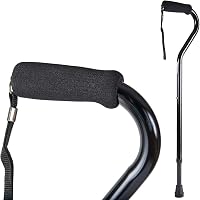
Use only a cane height and walking method recommended for the person. A gait belt and a cane serve different purposes, so ask a therapist how to coordinate them.
Stop if the person becomes tired, dizzy, short of breath, or unable to keep their balance. Guide them to a nearby stable seat if you can do so safely, then seek help as needed.
How do you transfer someone from a bed to a chair?
For a bed-to-chair transfer, place the chair close, secure it, and follow the person's care plan from sitting to standing and turning. Don't attempt the transfer if the person can't bear weight or the route and equipment aren't ready.
- Place the chair on the person's stronger side if their clinician has advised this.
- Lock the wheelchair brakes, if using one, and move footrests aside.
- Help the person sit at the bed's edge and pause to check for dizziness.
- Apply the belt and help them stand using the instructed method.
- Take small steps together as they turn toward the chair.
- Have them back up until they feel the chair behind their legs.
- Guide them as they reach for the armrests and sit slowly.
Don't twist your back while turning. Move your feet in small steps, and keep the person close to you.
A bed rail may support getting into or out of bed when it suits the bed and the person's needs, but it doesn't replace a gait belt or safe transfer technique. Compare bed rails for seniors for options and fit considerations.
The Stander EZ Adjust Bed Rail fits most traditional beds with mattresses 10 to 14 inches thick.
It's not intended for adjustable or hospital beds.
{{product B000GUFFQS}} The listing describes a bedside assist rail for a person who needs a handhold getting in or out of a compatible traditional bed.
Check the bed rail's fit and instructions before use, and ask a clinician whether it is appropriate for the person. Don't use it as a substitute for trained transfer help.
When should you stop and get another helper?
Stop and get help if the person cannot bear weight, cannot follow directions, has sudden pain or weakness, or starts to lose balance. Don't try to recover a falling person by lifting or pulling on the belt.
Also stop if the belt slips, the person reports pain, or you can't keep your balance. Lower the person to a stable seat if you can do so safely, then follow the care plan or contact the appropriate medical support.
A belt is not a substitute for equipment selected for a full-body transfer. For example, the Invacare 9099P is a replacement hydraulic pump compatible with Invacare lift models 9805P and GHS350.
{{product B001I53KAS}} The listing describes a replacement pump for compatible Invacare patient lifts when the lift's pump needs service or replacement.
Check exact lift model compatibility and have repairs handled by someone qualified. Don't use a lift with a faulty pump or treat a replacement part as a reason to attempt an untrained transfer.
How can you prepare the room for a safer transfer?
Prepare the room by clearing the route, setting up the destination, and checking the person's footwear before applying the belt. Small obstacles can interrupt a transfer or walking path.
Move loose rugs, cords, and clutter out of the way. Set the chair close enough to avoid a long turn, and check that brakes are locked when applicable.
Use shoes or slippers with a secure fit and nonslip soles if the person's care plan allows them. Keep needed mobility aids within reach, but positioned so they won't trip either of you.
For a wider overview of mobility aids for seniors, compare options with the person's clinician and daily needs in mind. If a mobility scooter is part of the household, use safe mobility scooter parking steps to keep it out of transfer paths.
Can you use a gait belt for someone with dementia?
You can use a gait belt for someone with dementia only if they can understand and cooperate with the transfer, and a clinician has approved the method. Explain each step in simple words, give the person time to respond, and stop if they resist or become distressed.
A belt doesn't remove the need to assess judgment, balance, or the ability to follow directions. For scooter decisions, see whether someone with dementia can use a mobility scooter safely, and ask the person's care team about the full mobility plan.
How do you use a gait belt safely?
To use a gait belt safely, get trained, check that the person can help, secure the belt over clothing, and guide rather than lift. Use the person's care plan for each transfer, and stop when the fit, balance, or level of help isn't right.
Choose the belt for a person who can bear some weight and follow directions. Ask a clinician for another transfer method if they can't.
A safe transfer starts with the right plan and enough help.
Frequently asked questions
Can one person use a gait belt alone?
Sometimes, but only if a trained clinician or caregiver has shown the person how and the person being assisted can bear some weight and follow directions. The right number of helpers depends on the person's mobility, the transfer, and the care plan.
Don't try a transfer alone if you feel unsure.
Where should a gait belt sit?
A gait belt usually sits snugly around the waist, over clothing, with the buckle positioned where it won't press on the person's skin. Avoid placing it over an incision, feeding tube, ostomy, painful area, or other medical device.
Ask a nurse or therapist where it should sit if you aren't sure.
Should you lift someone by a gait belt?
No. A gait belt is a handhold for steadying and guiding a person who can bear some weight, not a lifting sling.
Use your legs, keep the person close, and follow the transfer technique taught by a professional.
Stop if the person cannot help or begins to fall.
Can you use a gait belt for walking?
Yes, a trained helper may use a gait belt to steady someone who can stand and walk with support. Hold the belt from the side or slightly behind, and walk at the person's pace.
A gait belt doesn't replace a cane, walker, or other prescribed mobility aid.