

The easiest way to waterproof a mobility scooter is to protect its electrical components from moisture. You can use waterproof covers and sprays to shield key parts. This helps ensure your scooter stays safe and functional.
You can’t make most mobility scooters fully submersible. But you can protect them from rain, splashes, and damp conditions. Taking these steps can greatly extend your scooter’s lifespan and reliability.
- Understanding your scooter’s water resistance.
- Identifying key areas for waterproofing.
- Choosing the right protective accessories.
- Applying waterproofing sprays effectively.
- Best practices for using your scooter in damp weather.
Let’s walk through exactly how you can protect your mobility scooter from water damage, step by step.
Safeguarding Your Mobility Scooter from Water Damage
Protecting your mobility scooter from water damage is crucial. It extends its life and ensures your freedom. We’ve found it’s mostly about keeping moisture away from electrical parts.
Understanding Your Scooter’s Water Resistance Ratings
First things first, let’s talk about what your scooter can already handle. Most mobility scooters aren’t designed for heavy rain or deep puddles. They are not submarines, after all!
IP Ratings Explained
You might see an “IP rating” on your scooter’s specifications. This stands for Ingress Protection. It tells you how well your scooter’s electrical enclosures keep out solids and liquids. Think of it as a safety score.
- The first digit is for solids (like dust).
- The second digit is for liquids (like water).
A higher second digit means better water protection. For instance, an IPX4 rating means protection against splashing water from any direction. IPX7 means it can be immersed in water up to 1 meter for 30 minutes. You’ll likely see lower numbers for most scooters. Don’t expect to find many with an IPX7 rating!
When you know your scooter’s IP rating, you know its existing limits. This helps you decide what extra protection you need.
Key Areas to Protect on Your Mobility Scooter
Your scooter has several vulnerable spots where water can cause damage. We need to focus our efforts on these areas. Protecting these spots is like giving your scooter a good raincoat.
- Control Panel and Tiller: This is where you steer and control your scooter. It houses buttons, display screens, and electrical connections. Water here can cause immediate issues.
- Battery Compartment: Your battery is the heart of your scooter. Water getting into the battery compartment can damage the battery or connections. This might lead to power loss.
- Motor and Transaxle: These components are usually lower to the ground. They are more exposed to splashes from puddles. Water can lead to corrosion or electrical shorts.
- Electrical Connections and Wiring: Throughout your scooter, wires connect various parts. Exposed connections are prime targets for water ingress.
- Charging Port: This port is essential for recharging. It needs to be covered and kept dry, especially when not in use.
Choosing the Right Waterproofing Accessories
Now that you know what to protect and why, let’s look at the tools. There are many accessories designed to keep your scooter dry. We found that a combination of these works best.
Protective Covers for Your Scooter
Covers are your first line of defense. Think of them as a big umbrella for your whole scooter. They keep off rain and splashes.
Full Scooter Covers
A full scooter cover is like a fitted tarp. It goes over your entire scooter when it’s parked. These are great for outdoor storage or when you leave your scooter outside for a short time. Look for covers made from durable, waterproof material. Many covers come with elastic hems or drawstrings to ensure a snug fit. This prevents wind from blowing them off. (NIH research indicates proper storage is key to extending battery life.)
Tiller and Control Panel Covers
These smaller covers are designed specifically for your control panel. They are often clear, so you can still use your controls while they are covered. Some are universal, while others are custom-made for specific scooter models. This is essential for protecting the most sensitive electronics.
Protective Sprays and Sealants
Beyond covers, you can apply special sprays to repel water. These create a barrier that water struggles to penetrate.
Water-Repellent Sprays
These sprays create an invisible, hydrophobic layer. Water beads up and rolls off surfaces treated with these sprays. You can use them on exposed plastics and some electrical components. Always check the spray’s instructions to ensure it’s safe for your scooter’s materials. Don’t spray directly into vents or openings.
Dielectric Grease for Electrical Connections
This isn’t a spray, but it’s a crucial sealant. Dielectric grease protects electrical connections from moisture and corrosion. Apply small amounts to exposed wiring connections, battery terminals, and the charging port. It’s like putting a little waterproof jacket on each connection. This really helps prevent long-term damage, we’ve found.
DIY Solutions for Added Protection
Sometimes, simple items can add an extra layer of defense. These might be things you already have around the house.
- Plastic Bags and Rubber Bands: For temporary protection, you can wrap exposed joysticks or control panels with plastic bags. Secure them with rubber bands. This is a quick fix in an unexpected sprinkle.
- Electrical Tape: Use electrical tape to secure loose wiring. It also helps seal any small gaps where water might enter. Ensure the tape is rated for outdoor use.
- Mud Flaps: If your scooter doesn’t have them, consider adding simple mud flaps. These can reduce splashes reaching the motor or lower chassis.
Here’s a quick comparison of some popular waterproofing methods:
| Method | Pros | Cons | Best Use |
|---|---|---|---|
| Full Scooter Cover | Covers entire scooter; good for storage. | Can be bulky; not for riding. | Outdoor storage, overnight protection. |
| Tiller Cover | Protects controls during use; often clear. | Only covers the tiller area. | Riding in light rain/drizzle. |
| Water Repellent Spray | Invisible barrier; useful for many surfaces. | Needs reapplication; not for heavy exposure. | Plastics, non-electrical components. |
| Dielectric Grease | Protects electrical connections directly. | Messy to apply; focused protection. | Battery terminals, wire connections. |
Applying Waterproofing Treatments Effectively
Applying these protections isn’t hard, but doing it right makes all the difference. Think of it as a methodical process.
Step-by-Step Application Guide
Let’s walk through how to apply these protective measures. You’ll want to take your time and do it thoroughly.
Preparing Your Scooter
Before applying anything, make sure your scooter is clean and dry. Any dirt or moisture trapped beneath the protection can cause issues. Gently wipe down all surfaces you plan to treat.
Using Sprays and Greases
- Water-Repellent Sprays: Hold the can about 6-8 inches away from the surface. Apply in light, even coats. Avoid over-spraying. Let each coat dry as directed on the product label. Repeat if necessary. Focus on areas like the underside of the seat, foot platform, and any exposed plastic shrouds.
- Dielectric Grease: For battery terminals, disconnect the battery first (if comfortable and safe to do so). Apply a thin layer to the terminals before reconnecting. For other electrical connections, carefully open the connections (if accessible) and apply a small dab of grease. You don’t need much.
Fitting Covers
When fitting covers, ensure they are snug but not overly tight. You want them to cover all vulnerable areas. For full covers, make sure they reach close to the ground. This prevents splashes from underneath. For tiller covers, ensure the clear window aligns with your display. Make sure all buttons are accessible or protected.
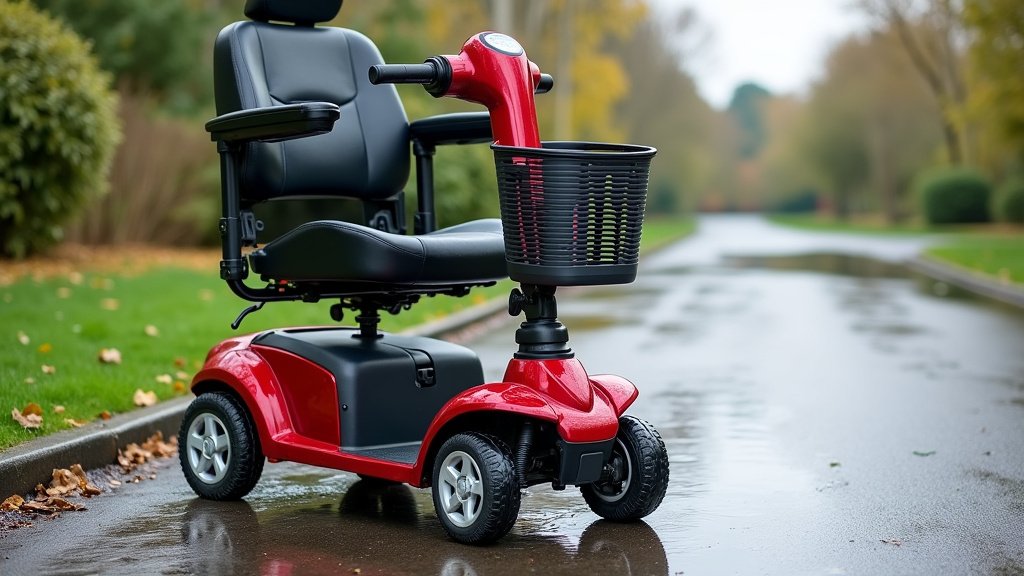
Best Practices for Using Your Scooter in Damp Weather
Even with excellent waterproofing, caution is your best friend when it’s wet outside. Treat your scooter kindly in the rain.
Smart Riding Habits
How you ride in wet conditions matters a lot. A little forethought can prevent major problems.
Avoiding Puddles and Standing Water
This seems obvious, but it’s worth repeating. Try to go around puddles. Even shallow ones can splash water into exposed areas. We’ve seen many cases where a simple splash caused issues (Consumer Reports). If you must cross a puddle, go very slowly. This minimizes splashing.
Adjusting Your Speed
Slow down when conditions are wet. This gives you more control. It also reduces the amount of water your tires kick up. Slower speeds mean less chance of slipping too.
Using your Scooter Indoors When Possible
If you have the option, and it’s heavily raining, consider using your scooter indoors. Or, schedule your outdoor trips for drier times. Sometimes, staying dry is the best protection.
Post-Rain Care for Your Scooter
After your scooter has been out in the wet, a little care goes a long way. This prevents moisture from settling in.
- Wipe Down Your Scooter: As soon as possible, wipe down all exposed surfaces with a dry cloth. Pay special attention to the control panel and battery area.
- Allow to Air Dry: Let your scooter air dry in a well-ventilated area. Don’t cover it while it’s still damp. Trapping moisture can promote corrosion.
- Check Connections: Periodically inspect your electrical connections. Ensure they are dry and free from corrosion. If you see signs of wear, address them promptly.
By following these steps, you can significantly reduce the risk of water damage to your mobility scooter. Taking these precautions protects your investment and keeps you independent. A little effort now can save you big headaches later!
Here’s a quick checklist to help you waterproof your mobility scooter:
- Understand your scooter’s IP rating.
- Identify key vulnerable areas (controls, battery, motor).
- Purchase a full scooter cover.
- Get a specific tiller/control panel cover.
- Obtain water-repellent sprays.
- Acquire dielectric grease for electrical connections.
- Practice careful riding in wet conditions.
- Perform post-rain wipe-downs and drying.
Conclusion
Protecting your mobility scooter from water damage is a smart investment in its longevity and your independence. By understanding its IP rating, focusing on vulnerable areas like the control panel and battery, and utilizing effective waterproofing accessories, you can significantly reduce risks. We’ve shown how a combination of covers, sprays, and smart riding habits creates a robust defense. Don’t let a little rain dampen your freedom. Take these simple, actionable steps to keep your scooter performing reliably, rain or shine. Your mobility and peace of mind are worth the effort!
Frequently Asked Questions
How often should I reapply water-repellent spray to my scooter?
You should reapply water-repellent sprays periodically, especially after heavy rain exposure or thorough cleaning. We recommend checking the product’s instructions, but generally, reapplying every few months or before an anticipated rainy season is a good practice to maintain protection.
Can I pressure wash my mobility scooter if it’s waterproofed?
No, even with waterproofing measures, you should never pressure wash your mobility scooter. High-pressure water can force its way past seals and into electrical components, causing severe damage. Stick to wiping it down with a damp cloth.
Will waterproofing void my scooter’s warranty?
It depends on your manufacturer’s warranty. Generally, applying protective covers or using dielectric grease on existing connections should not void it. However, making permanent modifications or disassembling parts to apply sealants might. Always check your warranty details or consult your dealer first.
Is it safe to charge my mobility scooter if it got a little wet?
If your scooter got wet, ensure the charging port and surrounding areas are completely dry before plugging it in. Moisture in the charging port can cause a short circuit or damage the charging system. Wiping it down and allowing it to air dry fully is always best.
Are there mobility scooters specifically designed for all-weather use?
While most scooters offer some water resistance, some heavy-duty or “all-terrain” models come with higher IP ratings and more robust sealing from the factory. These are built to tolerate wetter conditions better, but personal waterproofing steps can still enhance their durability.
