Is a Mobility Scooter Worth It?
On this page (8 sections)
- Considering a Mobility Scooter: Is It Right For You?
- The Benefits You Can Expect From a Mobility Scooter
- Potential Downsides and Things to Consider
- Types of Mobility Scooters and Their Uses
- Is a Mobility Scooter Right for Your Home Environment?
- Making Your Decision: A Quick Checklist
- Conclusion
- Frequently Asked Questions
Yes, for many people, a mobility scooter is definitely worth it, offering a new lease on freedom and independence. We found that these devices can significantly improve your daily life by making movement easier and more comfortable. They can help you get around your home and your community with greater ease.
A good mobility scooter allows you to participate in activities you love, without the constant worry of fatigue or pain. It can help you maintain your social life and enjoy everyday tasks like shopping or visiting friends. Think of it as investing in your personal independence and overall well-being.
- Regain freedom and independence.
- Reduce pain and fatigue significantly.
- Improve access to your community.
- Enhance your overall quality of life.
Ready to see if a mobility scooter is right for your unique needs? Let’s look at everything you should consider before making this important decision.
Considering a Mobility Scooter: Is It Right For You?
Deciding if a mobility scooter is a good choice for you involves looking closely at your daily needs and lifestyle. It’s a significant decision that can greatly impact your independence and quality of life. We’ll help you explore these factors to see if this mobility aid aligns with your goals.
Understanding Your Mobility Challenges
Before you even think about models or features, consider your current mobility limitations. Are you struggling with long distances? Do you feel tired easily when walking? These are key questions to ask yourself.
Assessing Your Physical Needs
Think about how your body feels during daily activities. Do you experience pain in your joints or back after short walks? Are you able to stand for periods without discomfort? Your current physical state is a major factor in this decision.
- Do you experience fatigue or shortness of breath when walking?
- Is balance a consistent issue for you?
- Can you navigate stairs safely and independently?
- How far can you comfortably walk before needing to rest?
- Do you have a medical condition that affects walking? (e.g., arthritis, COPD)
We found that many people find scooters helpful when walking more than 100-200 feet becomes a struggle. If your doctor has suggested reducing strain on your body, a scooter might be a great option.
Evaluating Your Lifestyle and Activities
What do you love to do? What activities do you miss because of mobility issues? Maybe you miss shopping, visiting friends, or going to parks. A mobility scooter could reopen these doors for you.
Think about your daily routine. Do you want to go grocery shopping on your own? Do you attend social gatherings? Do you like to visit museums or go to outdoor events? We found that users often report a significant increase in participation in these activities after getting a scooter.
The Benefits You Can Expect From a Mobility Scooter
A mobility scooter can transform your ability to move around, both inside your home and in your community. Let’s look at the specific advantages you might gain.
Regaining Independence and Freedom
One of the biggest advantages is the newfound sense of freedom. You won’t have to rely on others as much to get where you need to go. This reduces dependence and boosts your overall confidence.
Imagine being able to pop out to the local store for an unplanned item. Or visiting a friend across town without needing a ride. This personal freedom is often cited as a top benefit by scooter users.
Reducing Pain and Fatigue
If walking causes you discomfort, a scooter can make a huge difference. It takes the strain off your body, allowing you to conserve energy. This means you can participate in more activities without feeling exhausted later.
We found many reports of users experiencing less joint pain and muscle fatigue when using a scooter for longer distances. This conserved energy can then be used for more enjoyable activities, not just moving from place to place.
Improving Social Connections and Mental Well-being
Isolation can be a serious side effect of mobility challenges. A scooter helps you stay connected with your community and loved ones. Social interaction is vital for mental health (NIH).
By being able to get out and about more easily, you can maintain friendships and attend social events. This increased participation often leads to improved mood and a stronger sense of purpose.
Potential Downsides and Things to Consider
While scooters offer many benefits, it’s important to be realistic about owning one. There are some practical considerations and potential downsides to keep in mind.
Cost and Maintenance
Mobility scooters represent an investment. Prices vary greatly depending on the type and features. Beyond the initial purchase, there are also ongoing costs.
Consider the need for battery replacement every few years and occasional repairs. You’ll also need a safe place to store and charge your scooter. We found that factoring in these long-term costs helps avoid surprises.
Storage and Transport Challenges
Where will you keep your scooter when not in use? Do you have space in your home or garage? Some scooters are foldable, but even those can be heavy to lift into a car.
If you plan to transport your scooter regularly, you might need a vehicle ramp or lift. This adds to the overall cost and complexity. Think about how you’ll move your scooter if you’re going on a trip or visiting somewhere new.
Navigating Public Spaces
While many public places are accessible, not all are created equal. You might encounter challenges like crowded areas, narrow aisles, or uneven sidewalks. Planning your routes can help.
Types of Mobility Scooters and Their Uses
Scooters come in different styles, each designed for specific needs. Knowing the types helps you choose the best fit.
Portable/Travel Scooters
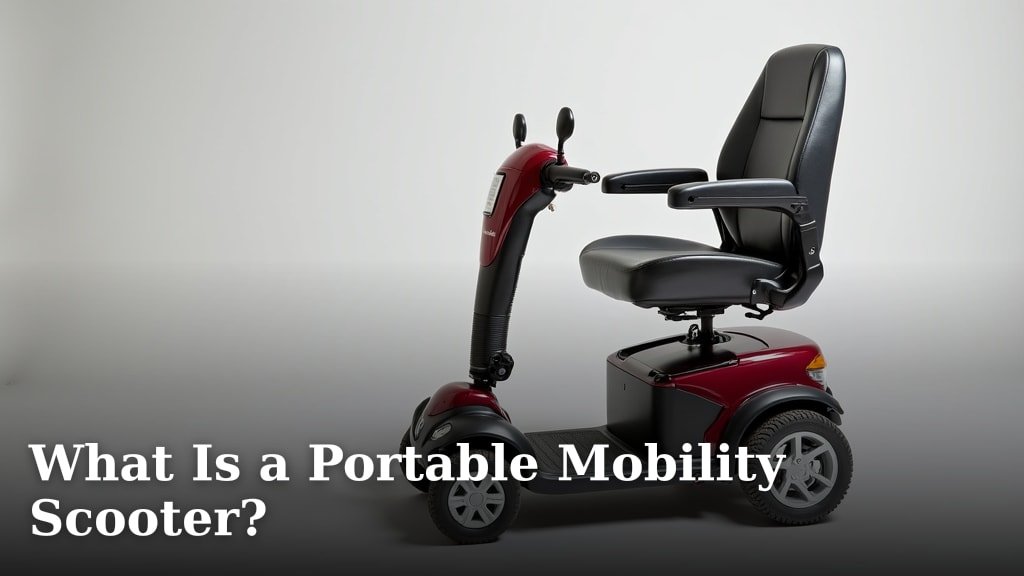
These are lightweight and often disassemble or fold for transport. They are great for occasional use, travel, and navigating shopping malls. However, they typically have less power and range.
Mid-Size Scooters
A good middle ground, offering more comfort and power than travel scooters. They are suitable for daily use around your neighborhood and local shops. They are generally less portable but still manageable.
Full-Size/Heavy-Duty Scooters
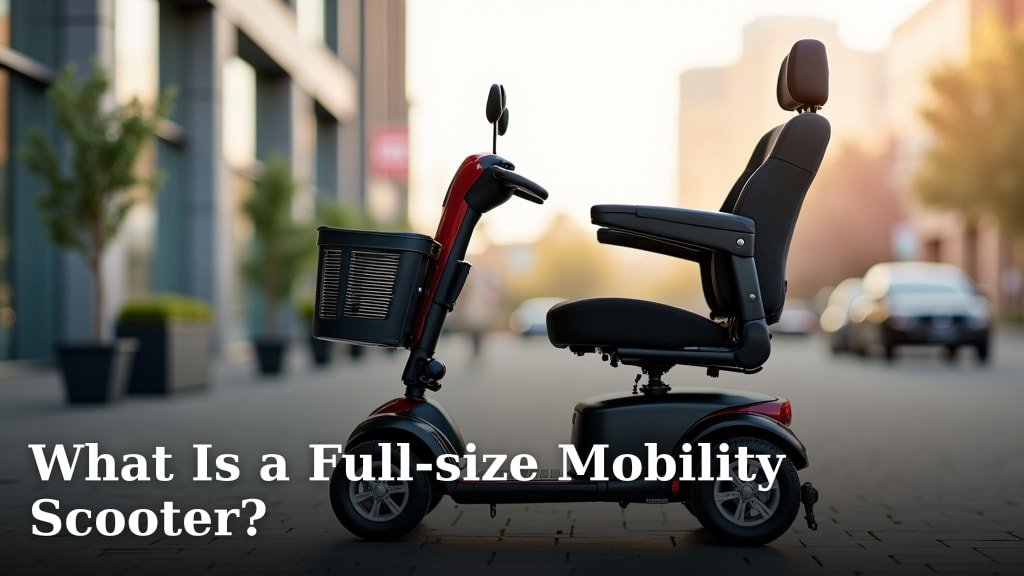
Designed for maximum comfort, range, and stability. These are ideal for outdoor use, uneven terrain, and larger individuals. They are less portable and require dedicated storage space.
Here’s a quick comparison:
| Scooter Type | Key Feature | Best Use Case | Portability |
|---|---|---|---|
| Portable/Travel | Lightweight, disassembles | Shopping, travel, occasional use | High |
| Mid-Size | Good balance of comfort & power | Daily outdoor/indoor use, neighborhood | Moderate |
| Full-Size/Heavy-Duty | High power, range, comfort | Outdoor, uneven terrain, full-time use | Low |
Is a Mobility Scooter Right for Your Home Environment?
Don’t forget to consider how a scooter will fit into your living space. This is often an overlooked but crucial factor.
Home Accessibility Considerations
Think about your doorways, hallways, and turning radius inside your home. Can a scooter easily maneuver through these spaces? You might need to measure your doorways to be sure.
Are there ramps or steps that could become obstacles? Having a clear path for your scooter is essential for hassle-free use. We found that many people benefit from a simple home assessment before buying.
Charging and Storage Space
You’ll need a convenient spot to charge your scooter. This area should be safe, dry, and close to an electrical outlet. Make sure it’s not a tripping hazard.
Consider if you have enough space to store the scooter without blocking pathways or exits. A dedicated space makes daily use much smoother.
Making Your Decision: A Quick Checklist
To help you decide, here’s a checklist of things to review. Answer these questions to get a clearer picture of your needs.
- Have you discussed your mobility challenges with your doctor?
- Do you struggle with pain or fatigue after walking short distances?
- Do you want to participate in more activities outside your home?
- Do you have suitable storage and charging space available?
- Can you afford the initial cost and ongoing maintenance?
- Are you comfortable operating a motor-powered device?
If you answered “yes” to most of these, a mobility scooter could be a truly life-changing investment for you. It’s about empowering you to live life on your terms.
Conclusion
Is a mobility scooter worth it for you? Our research shows that for many, it truly offers a significant boost in independence and quality of life. By regaining your freedom, reducing pain, and reconnecting with your community, you can enjoy life on your own terms. We’ve explored the benefits, types, and considerations, helping you weigh this important decision.
Ultimately, it’s about finding the right tool to support your needs. Take the time to assess your situation, consider the options, and consult with professionals. Your journey to greater mobility and confidence could start right here.
Frequently Asked Questions
Will Medicare or insurance cover the cost of a mobility scooter?
Medicare Part B may cover some of the cost if your doctor prescribes it as medically necessary. You’ll likely need to rent it first to see if it meets your needs. Private insurance policies vary, so always check with your provider directly about coverage options.
How do I choose the right size mobility scooter for me?
Consider your weight, height, and how you’ll be using it. A good fit means you’ll be comfortable and have proper control. We found that measuring your doorways and turning spaces at home is also crucial to ensure it fits in your living environment.
What is the typical battery life of a mobility scooter?
Most mobility scooter batteries last for about 10 to 15 miles on a full charge. This can vary based on the scooter model, rider’s weight, terrain, and battery age. Routine charging and proper maintenance help extend battery life.
Can I take my mobility scooter on public transportation or a plane?
Many public transport systems, like buses and trains, are equipped to accommodate mobility scooters. Always check with your local transit authority or airline beforehand for their specific policies and requirements. Some airlines may require you to use a travel scooter.
What kind of maintenance does a mobility scooter require?
Mobility scooters generally require minimal maintenance. This includes regularly charging the battery, checking tire pressure, and keeping the scooter clean. It’s also a good idea to have it serviced annually by a qualified technician to ensure all components are working correctly.