Is a Used Mobility Scooter Worth Buying?
On this page (9 sections)
- Should You Consider a Pre-Owned Mobility Scooter?
- The Financial Upside of Used Mobility Scooters
- Key Areas to Inspect on a Used Mobility Scooter
- Where to Find Used Mobility Scooters
- Questions to Ask the Seller
- Potential Downsides to Consider
- Is a Used Mobility Scooter Right for You? A Checklist
- Conclusion
- Frequently Asked Questions
Yes, buying a used mobility scooter can be a smart financial decision if you know what to look for. You can often find a reliable scooter at a fraction of the new cost, making mobility more accessible. Just be prepared to do a little homework.
When considering a pre-owned model, it’s wise to think about your specific needs. Factors like battery life, weight capacity, and terrain suitability are just as important as the price tag. Doing your research helps ensure you don’t end up with a scooter that doesn’t quite fit your lifestyle.
- Yes, used mobility scooters can be worth it.
- Key things to check are battery health and overall condition.
- You can save a lot of money compared to buying new.
- Consider where you’ll be using it most.
- Always ask for maintenance records if possible.
Let’s break down the pros and cons to help you decide if a used mobility scooter is the right choice for you.
“`htmlShould You Consider a Pre-Owned Mobility Scooter?
Buying a used mobility scooter can be a fantastic way to save money. New models can carry a hefty price tag. A pre-owned scooter lets you gain mobility independence at a much lower cost. It’s like buying a car; you can find a great deal on a gently used vehicle. Many people find a used scooter is all they need to get around. You just need to know what to look for to ensure you get a good one. Let’s dive into why this option makes sense and what to watch out for.
The Financial Upside of Used Mobility Scooters
The most obvious benefit is the significant cost savings. New mobility scooters can range from $1,000 to $5,000 or even more, depending on features and brand. A used scooter can often be purchased for 50% to 75% less than its original price. This makes mobility assistance accessible to more people. For some, the savings might mean being able to afford a scooter when they otherwise couldn’t. It’s a practical solution for many budgets. This financial relief can be a huge deal.
Depreciation: Your Friend When Buying Used
Like cars, mobility scooters depreciate as soon as they leave the showroom. This means a scooter that’s only a year or two old can have lost a substantial portion of its value. You benefit from this depreciation when you buy used. The first owner took the biggest hit. You get a scooter that’s likely still in great condition but at a much more affordable price. Think of it as getting a nearly new item without the “new” price tag. It’s a win-win situation for your wallet.
Factors Affecting Used Scooter Prices
Several things influence how much a used scooter will cost. The age of the scooter is a major factor. Newer models, even used, will cost more than older ones. The brand and model also play a role. Some brands are known for their durability and features, commanding higher prices even on the used market. The condition and usage are key. A scooter that’s been well-maintained and used sparingly will fetch a higher price. Battery life is also a big one, as we’ll discuss later. Understanding these points helps you gauge if a price is fair.
Key Areas to Inspect on a Used Mobility Scooter
When you find a used scooter, you need to be a bit of a detective. Checking a few key areas can save you from future headaches and unexpected repair costs. Think of it like test-driving a car. You wouldn’t buy a car without checking the tires, right? The same logic applies here. You want to ensure the scooter is safe and reliable for your needs.
Battery Health: The Heart of the Scooter
The battery is arguably the most important component of a mobility scooter. Batteries are consumables and have a limited lifespan. New batteries can cost several hundred dollars to replace. You need to know how old the batteries are and how much life they have left. Ask the seller about their age and how often they were charged. Ideally, you want batteries that are less than two years old. Many experts suggest that batteries typically last between 1-3 years with proper care (Mobility Scooter Guide).
What to Ask About Batteries
- When were the batteries last replaced?
- How many amp-hours (Ah) are the batteries? (Higher Ah generally means longer range).
- How long does a full charge typically last? (Ask for an estimate of miles or hours).
- Has the scooter ever been stored with dead batteries? (This can significantly shorten their life).
Performing a Battery Test (If Possible)
If the seller allows, try to do a brief test. Charge the scooter fully beforehand if you can. Then, try driving it around for 15-20 minutes. Does it maintain power? Does it slow down significantly after a short period? A good indicator is if the battery indicator lights drop quickly. If the seller has maintenance records, check them for any notes about battery replacements or issues. A healthy battery is critical for your range and freedom.
Overall Condition and Usage History
Inspect the scooter for any visible signs of damage. Look at the frame for dents or cracks. Check the tires for wear and tear. Are they cracked or bald? The seating should be in good condition, without rips or tears, especially if it’s vinyl or leather. Also, check the tiller (the steering column) and the controls. Do they feel loose or worn out? A scooter that looks neglected might have underlying problems. You’re looking for a well-cared-for machine.
Visual Inspection Checklist
- Frame: Any dents, cracks, or rust?
- Tires: Wear, cracks, proper inflation?
- Seat: Rips, tears, stability?
- Controls: Loose buttons, worn joysticks, functionality?
- Lights: Do all lights work?
- Body Panels: Scratches, dents, missing pieces?
Test Drive: How Does It Feel?
A test drive is non-negotiable. You need to feel how the scooter handles. Start it up and listen for any strange noises. Does it hum smoothly, or are there grinding sounds? Test the steering. Is it responsive and easy to control? Try accelerating and braking. Do they feel smooth and controlled? Many mobility scooters have different speed settings; test them all. Can you easily maneuver it? Comfort and ease of use are paramount.
What to Test During the Drive
- Acceleration and deceleration smoothness.
- Turning radius and ease of steering.
- Braking effectiveness.
- Noise levels (listen for clicks, grinding, or squeaks).
- Comfort of the seat and controls.
- Ability to handle minor inclines or bumps.
Where to Find Used Mobility Scooters
You have a few avenues for finding pre-owned mobility scooters. Each has its own pros and cons. Knowing where to look can lead you to a great deal. It’s often a mix of online searching and local inquiries. The right source can mean a well-maintained scooter from a reputable seller.
Online Marketplaces and Classifieds
Websites like eBay, Facebook Marketplace, and Craigslist are popular places to find used items, including mobility scooters. You’ll see a wide variety of models and prices. Be cautious, as you’ll often be dealing directly with individuals. This means doing your due diligence is extra important. You might find a bargain, but you’ll also need to arrange to see the scooter in person. Thorough inspection is key here.
Medical Supply Stores and Resellers
Some durable medical equipment (DME) stores sell pre-owned scooters. They often refurbish them and may offer a limited warranty. This can give you peace of mind. These scooters might cost a bit more than private sales, but they often come with a level of assurance. Some businesses specialize in selling used mobility equipment. They know what to look for and may have already serviced the scooter. It’s a safer bet for many buyers.
Local Community Resources
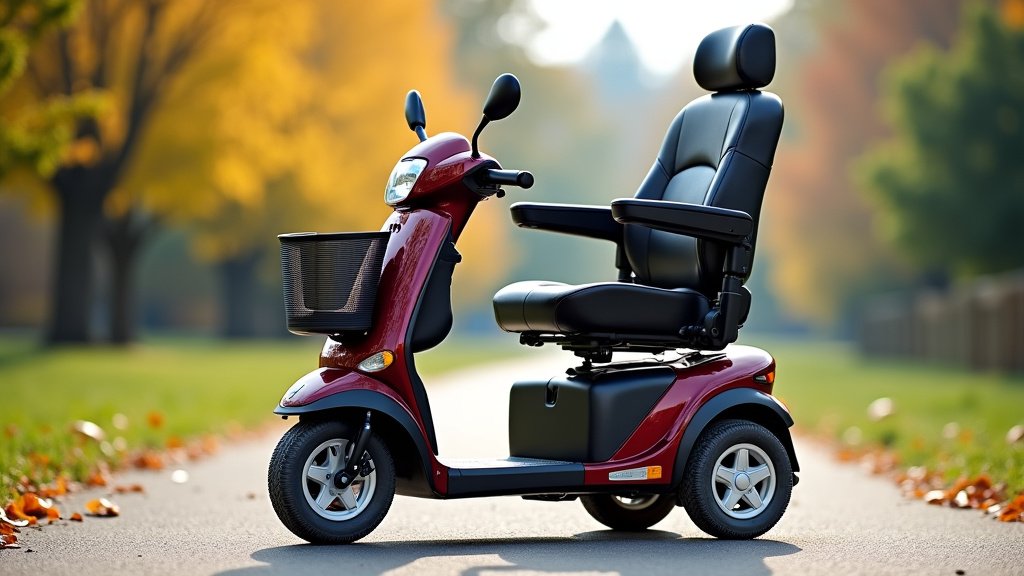
Don’t forget local options. Check with senior centers, community groups, or even local buy/sell pages. Sometimes, individuals are looking to sell their gently used scooters through word-of-mouth. You might get lucky finding a scooter that’s barely been used. These can sometimes be the best hidden gems. Asking around in your community is always a good idea.
Questions to Ask the Seller
When you connect with a seller, have a list of questions ready. This shows you’re serious and helps you gather vital information quickly. Don’t be afraid to ask for details. The more you know, the better your decision will be. A seller who is transparent is usually a good sign.
Here are some essential questions to ask:
- Why are you selling the scooter?
- How old is the scooter and its batteries?
- What is the maximum weight capacity?
- What kind of terrain is it best suited for (indoor, outdoor, rough surfaces)?
- Do you have any maintenance records or original manuals?
- Has it ever been repaired? If so, what was done?
- Where was it typically used (indoors, outdoors, city streets, trails)?
The answers to these questions can reveal a lot about the scooter’s history and its suitability for your lifestyle. For instance, if you plan to use it outdoors on varied terrain, you’ll want a scooter with a higher ground clearance and robust suspension. If you only need it for short trips around the house or a flat neighborhood, a simpler model might suffice. Understanding your needs first helps you ask the right questions.
Potential Downsides to Consider
While buying used is often a great idea, it’s important to be realistic. There are potential drawbacks. One of the main concerns is the lack of warranty. Most used scooters from private sellers come “as-is.” This means if something breaks shortly after you buy it, you’re on the hook for repairs. Repairs can be costly, especially for specialized parts. It’s a risk you need to weigh carefully against the savings.
Limited Customization and Latest Features
Used scooters may not have the latest technology or features. If you need specific adaptations, like a special joystick or seating system, a used model might not offer it. You also might miss out on newer battery technology or lighter frames. If having the newest model or very specific features is important to you, buying new might be a better option. However, for many, the core function of reliable transportation is enough.
Unknown Maintenance History
Even with good questions, you might not get a full picture of the scooter’s maintenance history. Was it regularly serviced? Was it exposed to harsh weather? These unknown factors can sometimes lead to unexpected problems down the line. That’s why a thorough inspection and test drive are so important. You’re trying to mitigate these unknowns as much as possible.
Is a Used Mobility Scooter Right for You? A Checklist
To help you decide, consider these points. If you can check off most of these, a used scooter might be a great fit for your mobility needs.
- You have a specific budget in mind. Buying used offers substantial savings.
- Your mobility needs are straightforward. You need basic transportation, not highly specialized features.
- You are comfortable performing a thorough inspection. You know what to look for or can bring someone who does.
- You have a plan for potential repairs. You’ve factored in the possibility of repair costs.
- You are patient and willing to search. Finding the right used scooter may take time.
- You prioritize affordability and functionality over the newest model.
Conclusion
Buying a used mobility scooter can be a smart move for your budget and your independence. You’ve learned that significant savings are possible, but it requires careful inspection. Focus on battery health, overall condition, and taking it for a thorough test drive. Don’t forget to ask plenty of questions and consider where you’ll be sourcing your scooter from. If you’re ready to find a reliable, pre-owned scooter, your next step is to start your search with a clear checklist in hand.
Frequently Asked Questions
Are used mobility scooter batteries as good as new ones?
Used scooter batteries may have reduced capacity compared to new ones. Battery lifespan typically ranges from 1 to 3 years, so ask about their age. You might need to budget for battery replacement sooner rather than later, which is a common cost for pre-owned models.
Can I get a warranty on a used mobility scooter?
Typically, used mobility scooters purchased from private sellers come “as-is” without a warranty. Some medical supply stores may offer a limited warranty on refurbished units. It’s wise to check with the seller beforehand and consider the cost of potential repairs.
What’s the biggest risk when buying a used mobility scooter?
The biggest risk is unknowingly purchasing a scooter with hidden mechanical issues or severely degraded batteries. This could lead to costly repairs soon after your purchase. Thoroughly inspecting and test-driving the scooter can help mitigate this risk.
How do I know if a used scooter is too old?
While age isn’t the only factor, older scooters might have outdated technology or wear and tear that impacts performance. Look for signs of rust, cracks, or excessively worn parts. Check the condition of the tires and seat, and listen for unusual noises during a test drive.
Is it safe to buy a mobility scooter from an online marketplace like Facebook Marketplace?
Buying from online marketplaces can yield great deals, but it requires extra caution. Always arrange to see the scooter in person and perform your inspection before completing the purchase. Be wary of sellers who are unwilling to let you test drive or answer questions about the scooter’s history.