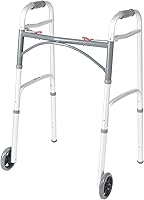
Walker Glides vs Tennis Balls: Which Is Better? (November 2026)
Walker glides usually slide more smoothly and protect floors better; tennis balls can cushion walker legs but need regular care. Check your walker’s leg size and the floor surfaces you use before choosing.
On this page (7 sections)
- Walker glides vs tennis balls: which should you choose?
- What makes walker glide skis different from tennis balls?
- How do they compare on carpet and hard floors?
- What upkeep does each option need?
- Which option is easier to install?
- Are walker glides or tennis balls better for seniors?
- Which walker feet should you choose?
Walker glides usually slide more smoothly and protect floors better; tennis balls can cushion walker legs but need regular care. The right choice depends on your walker’s fit, the floors you cross and whether you can keep the contact points clean and in good condition.
Walker glides are shaped to move along the floor, while tennis balls add felt at the bottom of walker legs. Neither option makes every floor safe or guarantees easy movement, so check the fit and try the setup in a clear area.
If you’re choosing a walker for seniors, include its feet in the fit and safety check. A walker that drags or shifts unexpectedly may need different tips or an adjustment.


Walker glides vs tennis balls: which should you choose?
Choose walker glides for a purpose-made sliding foot; choose tennis balls if you want a felt-covered contact point and can maintain it. A tennis ball is not designed as a walker accessory, so it takes extra preparation.
The Dotday 4 Pack Walker Skis Glides are plastic skis for standard walkers. Their stated diameter is 1 1/8 inches, so check your walker legs before ordering rather than assuming a universal fit.
The WILSON Championship Tennis Balls are Extra Duty tennis balls with woven felt and a rubber core. To use tennis balls on a walker, you need to cut an opening for each leg and fit the balls securely.
Which choice slides more easily?
Walker glides are made to slide across flooring, so they are generally the more direct option when lifting each walker step is tiring. The Dotday skis are described for use across floors such as tile, carpet and hardwood, though your floor and walker still affect how they move.
A tennis ball adds a rounded, felt-covered surface. It may move adequately on a particular floor, but it can catch on carpet edges or rugs and may not slide like a ski-shaped glide.
Test any new feet on a level, open section of floor before walking through doorways or near furniture. If the walker jerks, sticks or feels unstable, stop and check the fit.
Which is kinder to floors?
Either option can help keep bare walker legs from scraping a floor, but neither guarantees protection. Grit trapped in felt or against a glide can scratch a finish.
Tennis balls cover the walker leg with felt, but the felt can collect dirt and wear down. Glides keep the contact point low and smooth, but they can also pick up debris or become damaged.
Sweep or vacuum the area where you walk, and inspect the feet as part of routine care. On delicate floors, test in a hidden spot first and ask the flooring maker about suitable protection.
What makes walker glide skis different from tennis balls?
Walker glide skis have a shaped base for sliding, while tennis balls have a rounded felt surface that needs a cut opening. That difference affects fit, upkeep and how the walker moves.
A ski glide sits on the bottom of a walker leg and presents a flatter, elongated surface to the floor. The Dotday set is plastic and intended for standard walkers, with a stated 1 1/8 in diameter.
A tennis ball is round and compressible. Its felt can soften direct contact with the floor, but cutting it creates an opening that must hold the walker leg firmly.
If you’re comparing the best replacement glides for walkers, check the attachment style and leg size first. The right shape is only useful if it stays attached and lets the walker stand evenly.
Do walker ski glides fit every walker?
No, check the walker leg size and the glide’s attachment method before buying. “Universal” does not remove the need to confirm a secure fit on your particular frame.
The Dotday skis are described for standard walkers and specify a 1 1/8 in diameter. Compare that measurement with the walker’s foot or leg opening and check whether the frame has an existing tip that must be removed.
Uneven or loose feet can make the walker rock. If you’re unsure how the attachment should fit, use a guide to install walker glides and follow the instructions for your walker and glide.
Are tennis balls a secure fit?
A tennis ball needs a cut opening that fits snugly around the walker leg. A loose ball may slip, while a rough or oversized opening can leave the leg poorly supported.
Cutting the balls also takes care and a stable work surface. If you can’t make a clean opening or hold the ball securely while cutting, choose a purpose-made glide and ask someone qualified to help with installation.
After fitting, check that all feet touch the floor evenly. Replace any ball that shifts, splits or wears through.
How do they compare on carpet and hard floors?
The floor surface can change how both options move, so test the walker on the floors you use most. A setup that works on smooth tile may drag on thick carpet or catch on a rug edge.
On hardwood or tile, glides can travel smoothly, but debris under the contact points can leave marks. Felt tennis balls can help separate the walker legs from the floor, though dirt embedded in the felt may also scratch.
On carpet, rounded tennis balls may sink or drag. Skis spread contact across a shaped base, but carpet pile and seams still affect movement.
Rugs are a common trouble spot for either choice. Keep edges flat and secured, clear clutter from walking routes, and avoid turning quickly where a foot could catch.
If you use the walker outside as well as indoors, compare options in our guide to best walker glides for outdoor use. Outdoor paths bring grit and uneven surfaces that can wear or catch walker feet.
What upkeep does each option need?
Both walker glides and tennis balls need regular checks for dirt, wear and a secure fit. Replace a damaged or loose foot before relying on the walker again.
Wipe plastic glides and check their base for cracks, rough edges or embedded grit. Make sure each glide remains firmly attached and that the walker stands evenly on all feet.
Inspect tennis balls for worn felt, splits, dampness and dirt. Replace them when the felt wears thin or the opening no longer grips the walker leg.
Keep a spare set of feet if a worn part would leave you without a safe walker. Don’t use a walker with one missing or mismatched foot while waiting for a replacement.
When should you replace the feet?
Replace a glide if it cracks, comes loose or develops a rough surface that drags across the floor. Replace a tennis ball if it splits, shifts on the leg or has worn through its felt.
Also check whether the feet are the same height and type on both sides of a pair. A mismatch can tilt the walker or make it harder to move evenly.
If the walker rocks after you install new feet, stop and check the installation. A mobility equipment professional can help confirm whether the walker or feet need adjustment.
Which option is easier to install?
Purpose-made glides are usually more direct to fit; tennis balls require cutting before they can go on the walker. The exact steps depend on the walker’s leg ends and the foot design.
For glides, remove the old tips only as directed and seat each glide firmly. The installation guide for walker glides can help you check the process.
For tennis balls, use a safe cutting method and keep fingers clear of the blade. Don’t force a ball onto a leg if the opening is too small, and don’t use one if the fit is loose.
After either installation, place the walker on a level surface and press down gently on the handles to check for rocking. Then take a few slow steps in an open area while someone nearby can assist if needed.
Are walker glides or tennis balls better for seniors?
Glides are often the better starting point for someone who needs the walker to slide without lifting it much. Tennis balls may suit a person who prefers a felt-covered foot and can keep it clean and secure.
Consider hand strength and balance, too. If moving the walker takes more effort after a change, or if a foot catches, return to a setup recommended for the walker and ask a qualified professional to check it.
No foot style removes the need to lift or reposition a walker safely. Follow the walker’s instructions, keep the path clear and use the device as intended.
Which walker feet should you choose?
Pick glide skis if you want a shaped sliding foot and can confirm the fit; pick tennis balls if you want felt contact and can cut and inspect them regularly. For many walkers, purpose-made glides are the simpler option.
The Dotday 4 Pack Walker Skis Glides may suit a standard walker with a matching 1 1/8 in fit. WILSON Championship Tennis Balls offer felt-covered surfaces, but adapting them takes cutting and ongoing checks.
If you want a purpose-made option, compare the best walker ski glides and match the size and attachment to your frame. Choose feet that stay secure, move predictably on your floors and let the walker stand level.
Frequently asked questions
Are walker glides better than tennis balls?
Walker glides are usually the simpler choice if you want a purpose-made foot that slides over floors. Tennis balls can cushion the walker legs, but they must be cut to fit and checked for wear and dirt.
Choose based on your walker’s fit, floors and ability to maintain the feet.
Do tennis balls protect floors under a walker?
The felt on a tennis ball can sit between a walker leg and the floor, but it does not guarantee scratch-free floors. Dirt, grit, worn felt or an uneven cut can still mark a surface.
Keep the contact area clean and replace a ball if it splits or wears through.
Can I use walker skis on carpet?
Some walker skis are designed for use on different floor types, including carpet, but performance depends on the carpet and the walker. A thick or loose rug can catch either glides or tennis balls.
Check how the walker moves in a clear area before relying on it.
How do I choose between glide skis and tennis balls?
Choose glide skis for a purpose-made sliding foot, after checking the walker leg fit. Choose tennis balls if you prefer a felt-covered contact point and can cut and maintain them safely.
If changing walker feet makes the frame feel unstable, stop using it and ask a mobility equipment professional for help.