
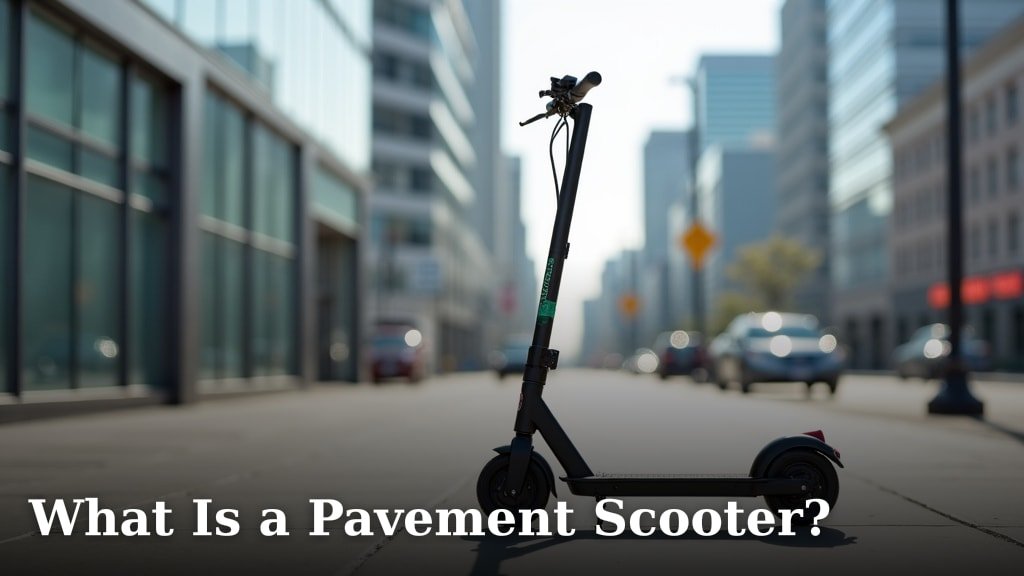
A pavement scooter is a mobility scooter designed for use on sidewalks and other pedestrian areas. It’s often smaller and lighter than road-legal scooters. We found these scooters provide independence for many people with limited mobility.
You might also hear them called personal mobility devices or Class 2 invalid carriages. They generally have a lower top speed and are built for stability. Think of them as helping you get around your neighborhood safely and comfortably.
- Pavement scooters help people with mobility challenges.
- They are designed for sidewalks and pedestrian zones.
- These scooters typically have a top speed of 4 mph.
- You might also know them as Class 2 invalid carriages.
- They offer a great way to stay independent.
Ready to understand if a pavement scooter is right for you? Let’s walk through everything you need to know about these helpful devices.
Understanding Pavement Scooters
A pavement scooter, sometimes called a Class 2 invalid carriage, is a mobility aid designed to help you move around pedestrian areas easily and safely. We found these scooters are specifically built for sidewalks, shopping centers, and other public spaces where foot traffic is common.
They offer a great solution if you need help with walking long distances. They allow you to maintain your independence and social connections within your community.
What Makes Them Different?
You might be wondering how a pavement scooter differs from other mobility devices. The key is their intended use and design. They are not meant for road use, which means their features are tailored for different environments.
Pavement scooters are often lighter and more compact than road-legal models. This makes them easier to maneuver in tighter spaces and transport if needed.
Speed and Safety Features
One of the most defining characteristics of a pavement scooter is its speed limit. We found that these scooters typically have a maximum speed of 4 miles per hour (mph). This speed is similar to a brisk walking pace, ensuring safety for both the rider and pedestrians (Department for Transport).
They also come equipped with various safety features. These often include automatic braking, anti-tip wheels, and lights. These features help you feel confident and secure while riding.
Size and Portability
Pavement scooters come in a range of sizes. Some models are very small and can even be disassembled for transport. Others are a bit larger but still designed to be nimble and easy to manage in pedestrian environments.
Consider your personal needs for portability. Do you need to put it in a car trunk? Or will it mostly stay around your home? Your answer will guide your choice.
Who Benefits from a Pavement Scooter?
Pavement scooters are ideal for many people facing mobility challenges. We found they offer a renewed sense of freedom for individuals who struggle with walking, standing, or fatigue. This can greatly improve your daily life.
If you find yourself avoiding activities because of mobility issues, a pavement scooter could be a wonderful solution. It helps you stay active and engaged.
Common Users and Conditions
Many different individuals choose pavement scooters. You might be someone recovering from an injury, or living with a chronic condition. Perhaps you simply have less stamina than you used to.
We found that people with conditions like arthritis, heart conditions, or balance issues often find these scooters incredibly helpful. They allow you to participate in activities you enjoy without discomfort or risk of falls.
Here’s a quick checklist to see if a pavement scooter might be for you:
- You have difficulty walking long distances.
- Standing for extended periods causes pain or fatigue.
- You want to maintain independence for errands or social outings.
- You need a stable and safe way to navigate sidewalks.
- Your current mobility aid isn’t meeting your needs for outdoor use.
Key Features to Look For
When you’re considering a pavement scooter, several features are important to evaluate. Thinking about these points beforehand will help you choose the best model for your specific situation. We recommend focusing on comfort, maneuverability, and battery life.
Remember, this is an investment in your independence. Taking the time to research will pay off.
Comfort and Seating
Since you’ll be spending time on your scooter, comfort is paramount. Look for models with adjustable seats and backrests. Some scooters offer swivel seats, which make getting on and off much easier.
Consider the padding and material of the seat. A well-padded, ergonomic seat will make longer rides much more enjoyable. Does it feel right for your body?
Battery Life and Range
The battery life determines how far you can travel on a single charge. This is a critical factor. We found that most pavement scooters offer a range suitable for local errands and outings.
Always check the manufacturer’s stated range. Also, consider how much you’ll be using it daily. Will you be going to the grocery store, the park, or just around the block?
| Feature | Why It Matters |
|---|---|
| Top Speed | Generally 4 mph for pedestrian safety. |
| Battery Range | Determines how far you can travel before recharging. |
| Turning Radius | Affects maneuverability in tight spaces and shops. |
| Weight Capacity | Ensures the scooter can safely support you. |
| Portability | Important if you need to transport the scooter often. |
| Lighting System | Essential for visibility and safety, especially at dusk. |
Maneuverability and Control
How easily a scooter moves is called its maneuverability. This includes its turning radius and overall handling. We found that smaller pavement scooters tend to have better turning capabilities, which is great for navigating busy sidewalks and store aisles.
Test out the controls if you can. Are they intuitive? Do they feel comfortable in your hands? You want a scooter that feels like an extension of you.
Legal Considerations for Pavement Scooters
While pavement scooters offer immense freedom, there are some legal points to keep in mind. These rules are usually in place to ensure your safety and the safety of others. Understanding them helps you ride responsibly.
Many areas have specific guidelines for mobility devices. We recommend checking your local laws. This ensures you’re always riding within the rules.
Rules of the Road (or Pavement!)
Pavement scooters are generally allowed on sidewalks, pedestrian walkways, and in public buildings. They are not designed for use on roads, except when crossing a street (Department of Transportation guidelines).
Always yield to pedestrians. Remember, you are sharing the space. Using common courtesy makes everyone’s experience better.
Registration and Insurance
In the United States, pavement scooters (Class 2 invalid carriages) typically do not require registration or a driver’s license. This is a big advantage over cars or motorcycles.
However, we found that insurance is highly recommended. While not always legally required, personal liability insurance can protect you in case of an accident. It offers peace of mind.
Conclusion
Choosing a pavement scooter can significantly enhance your mobility and independence. We’ve explored what makes these devices unique, who benefits most, and the key features to consider. You now understand their design for pedestrian areas, their safety features, and legal guidelines.
By focusing on comfort, battery life, and maneuverability, you can find a model that perfectly suits your lifestyle. We encourage you to research models and features thoroughly.
Take the next step: consider trying a few different scooters at a local mobility store to experience them firsthand. This will help you make the best decision for your continued freedom.
Frequently Asked Questions
Are pavement scooters safe for elderly users?
Yes, pavement scooters are generally very safe for elderly users. They feature low top speeds, stable designs, and often include anti-tip wheels. These elements help reduce the risk of falls and provide a secure riding experience.
Can a pavement scooter be used indoors?
Many pavement scooters are suitable for indoor use, especially smaller and more compact models. Their good maneuverability and tight turning radius allow them to navigate hallways and store aisles effectively. Always check the scooter’s dimensions against your common indoor spaces.
How often do I need to charge a pavement scooter?
The charging frequency depends on your usage and the battery’s range. Most manufacturers recommend charging your scooter overnight after each day of significant use. This helps maintain battery health and ensures it’s ready for your next outing.
Do pavement scooters require much maintenance?
Pavement scooters generally require minimal maintenance. We found that regular checks of tire pressure, battery terminals, and moving parts are usually sufficient. Keep the scooter clean and store it in a dry place to prolong its lifespan.
What is the difference between a pavement scooter and a road scooter?
Pavement scooters (Class 2) are designed for sidewalks with a maximum speed of 4 mph. Road scooters (Class 3) are larger, faster (up to 8 mph), and equipped for road use, often requiring lights and indicators. Their primary design and speed are the key differentiators.
