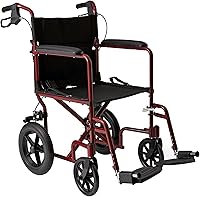
What Is a Power Assist Wheelchair?
A power assist wheelchair is a manual wheelchair with a motor system that helps move or propel it. It can suit someone who wants powered help while keeping a manual chair as the base, provided the system fits the chair and the user can manage its controls.
On this page (8 sections)
- What is a power assist wheelchair, and how does it work?
- Which types of wheelchair power assist can you choose?
- Who should use power assist, and who should skip it?
- What should you compare before buying a motor attachment?
- How do you set up and use power assist safely?
- How is power assist different from a power wheelchair?
- Which accessories help with daily wheelchair routines?
- How should you decide if power assist is right for you?
A power assist wheelchair is a manual wheelchair with a motor system that helps move or propel it. If you're asking what is a power assist wheelchair, think of it as powered help added to a manual chair, with the user still steering or guiding it according to the system.
It may suit you if you want powered help on selected routes while keeping your manual wheelchair. The right setup depends on chair compatibility, the user's ability to operate the controls, and how the added parts affect daily transport and storage.
What is a power assist wheelchair, and how does it work?
A power assist wheelchair uses a motor to help move a manual chair. Some systems build power into replacement wheels; others attach a powered drive unit to the chair.
Controls tell the system when to provide assistance. The user may still steer or guide the chair, depending on the design.
The level and style of support differ, so follow the exact system's operating instructions.
Power assist isn't a universal add-on. A motor system may fit only certain wheelchairs, and installation may change the chair's dimensions or handling.
Confirm compatibility before buying.
Which types of wheelchair power assist can you choose?
The main options are powered wheels, rear drive attachments, and front attachments. Compare how each connects to the chair and how it may affect your usual routes, turning space, and vehicle storage.
Do powered wheels suit your chair?
Powered wheels replace the manual chair's rear wheels with motorized ones. They may suit someone who wants power integrated at the wheels, if the chair's wheel size and setup are compatible.
Confirm that they fit your exact chair and that you can use the controls. Ask how the powered wheels are removed, transported, and serviced.
When should you consider a rear motor attachment?
A rear attachment adds a powered drive unit behind the chair. Consider it if that arrangement fits your routes and you have space for the chair's added length.
It may be a poor fit for tight indoor turns, limited storage, or vehicle transport if the extra part is hard to remove or carry. Check those details before choosing a model.
Who might prefer a front electric wheelchair attachment?
A front attachment connects near the front of the chair and uses a powered wheel to pull it. It may suit routes where the user wants a front-mounted drive arrangement and has enough room for its turning path.
The added front length or clearance may make doorways and tight spaces difficult. Ask a qualified mobility equipment provider how the attachment changes the chair's fit and maneuvering.
Compare power assist with other power chair types if you're deciding between a manual chair with motor help and a chair designed to run on power.
Who should use power assist, and who should skip it?
Power assist may suit a manual wheelchair user who needs help moving on some routes and can manage the system's controls. It can also be worth considering when keeping the current manual chair is a priority and that chair is compatible.
It may not suit someone whose chair cannot accept the system, whose control needs don't match the controls, or whose storage and transport can't accommodate the added parts. If the user needs an integrated powered chair or different seating and control options, compare wheelchairs and power chairs instead.
Before deciding, picture a normal day and answer these questions:
- Is the main need help on slopes, longer routes, or another specific part of travel?
- Can the user operate the controls and follow the system's stopping instructions?
- Will the chair need to pass through narrow doorways or turn in tight rooms?
- Who will attach, remove, lift, and store the system?
- Will the added equipment fit the user's vehicle and home storage area?
- Can a mobility equipment provider help with fit, instruction, and service?
If the answer to a fit or operating question is unclear, get advice from the system maker or a qualified provider. A fitting and operating demonstration can help the user judge whether the controls and chair handling suit the planned routes.
What should you compare before buying a motor attachment?
Start with compatibility, then compare controls, handling, transport, and ongoing support. A system should fit the specific wheelchair and the user's routine, not just seem powerful enough.
Ask the maker or provider:
- Does this system fit the wheelchair's exact make and model?
- Which measurements, wheels, or frame parts need to be checked?
- How do the controls manage speed, direction, and stopping?
- How will the system change turning, clearance, and overall chair length?
- How is it removed, stored, and transported?
- What battery care, maintenance, and service does it require?
Don't assume that one attachment will work across different chairs. A small difference in chair setup can affect fit, so confirm compatibility before ordering or arranging installation.
How do you set up and use power assist safely?
Set up the system according to its instructions, with a qualified provider's help when needed. Check that the attachment or powered wheels are fitted correctly and that the controls and brakes work as described before going out.
Practice in a familiar, open area. Learn how the system starts, stops, and responds at low speed, then practice turns and stopping with enough space around you.
Ask how to handle ramps, uneven surfaces, and crowded areas before using those routes.
Learn the controls before taking the system onto a steep or busy route. Check how it changes chair length, clearance, or turning, since familiar doorways and corners may be harder to manage.
Follow the manufacturer's battery and care instructions. Keep up with recommended checks, and contact the maker or provider if the system behaves differently or a part appears loose or damaged.
How is power assist different from a power wheelchair?
Power assist adds motor help to a manual wheelchair; a power wheelchair is built as a powered mobility chair. Learn whether electric wheelchairs can be pushed when power is unavailable.
Choose between them based on the user's movement and control needs, seating preferences, and plans for transport and storage.
Some power chairs offer seat options such as elevation, tilt, or recline. Learn about power wheelchair seat features if those functions matter.
If you choose a powered chair, review how to drive a power wheelchair before using it in unfamiliar places. Compare its electric wheelchair dimensions with doorways, vehicle space, and home storage.
A mobility scooter is another option, but it has a different layout and way of steering. See how a mobility scooter differs from a power wheelchair before deciding.
Which accessories help with daily wheelchair routines?
Accessories can support tasks such as bathing, transfers, or keeping a drink close. They don't provide motor assistance, so choose them to solve a separate daily need and check that they fit the chair or mobility aid.
The DMI Rolling Shower Chair is a 3-in-1 commode, shower chair, and wheelchair with rear wheel locks, a waterproof seat and backrest, and a 250 lb weight capacity.
The Drive Medical TR39E-SV Transport Wheelchair has a steel frame, a 19 in padded nylon seat, and swing-away footrests. Its chair and backrest fold flat for transportation.
The NOVA Adjustable Cup Holder for Walkers fits compatible tubing and accommodates cups, cans, bottles, and mugs 2.25 in to 3.75 in in diameter.
These options address different tasks, so choose them for a separate daily need rather than as substitutes for a power assist system. Check the chair's intended use and accessory fit before adding equipment.
How should you decide if power assist is right for you?
Choose power assist if you want help moving a compatible manual wheelchair and can manage the system's controls, added parts, and care. Choose a powered wheelchair if you need a chair built around powered mobility or different seating and control options.
Before you buy, verify exact chair compatibility and ask for a fitting and operating demonstration. If the attachment's handling, controls, or transport needs don't suit the user, compare a power wheelchair and other mobility options instead.
A power assist wheelchair may suit your routine when its powered help works with your manual chair, routes, and storage needs.
Frequently asked questions
What is a power assist wheelchair?
A power assist wheelchair is a manual wheelchair with a motor system that helps move or propel it. Some systems use powered wheels, while others attach to the chair as a drive unit.
The manual chair remains the base.
Fit, controls, and the amount of help vary by system.
Is a power assist wheelchair the same as an electric wheelchair?
No. Power assist adds powered help to a manual wheelchair, while an electric wheelchair is designed as a powered chair.
The controls, chair setup, and transport needs can differ.
Compare the specific options with how you plan to move, store, and use the chair.
Can you add a motor to any manual wheelchair?
No. Compatibility depends on the power assist system and the wheelchair's frame, dimensions, wheels, and setup.
Check the system maker's fit guidance and have a qualified mobility equipment provider assess the chair before buying or fitting an attachment.
Does power assist replace pushing a wheelchair?
Power assist can reduce the effort needed to move a manual wheelchair, but the amount of help depends on the system, terrain, chair setup, and controls. Learn the operating steps, braking behavior, and safe limits for the exact model before using it outside a familiar area.