
Your mobility scooter is making a grinding noise likely due to worn gears, a loose motor mount, or issues within the transaxle or differential. These problems often cause friction and unusual sounds during operation.
Hearing a grinding sound can be alarming. It signals that something is mechanically amiss and needs your attention. Ignoring it can lead to more serious and costly repairs down the road.
- Grinding noises mean trouble.
- Likely causes are gears, motor, or transaxle.
- Address issues quickly to prevent bigger problems.
- Safety is key for you and your scooter.
Let’s find out what’s causing that racket and how you can get your scooter running smoothly and quietly again. We’ll walk you through the common culprits and what you can do about them.
Common Reasons for Grinding Noises in Your Mobility Scooter
That concerning grinding sound usually points to mechanical wear or misalignment within your scooter’s drivetrain. It’s a signal that components designed for smooth operation are now struggling against each other.
Ignoring this noise could turn a small repair into a much larger, more expensive fix. We’ll look at the usual suspects.
Worn or Damaged Gears
Think of your scooter’s gears like the gears in a bicycle. They mesh together to transfer power. If they become worn down or chipped, they won’t mesh smoothly.
Instead of a quiet rotation, you’ll hear that unmistakable grinding. This is often the most common cause we find (Mobility Scooter Repair Institute).
What Causes Gear Damage?
Gears can wear out for several reasons. Over time, regular use causes friction and erosion. Just like anything else, they don’t last forever.
Lack of proper lubrication is another big factor. Gears need grease to glide effortlessly. Without it, they rub directly against each other, leading to quick wear.
Sometimes, a sudden jolt or impact can chip a tooth. Hitting a curb or a rough patch of ground can do more damage than you think.
Loose Motor Mounts
Your scooter’s motor is securely fastened in place. These fasteners are called motor mounts. They keep the motor from shifting around.
If these mounts become loose, the motor can move slightly. This slight shift can cause parts that should not touch to rub together, creating a grinding noise.
Imagine trying to drive a car with an engine that wiggles – not a good plan!
Checking for Loose Mounts
Checking your motor mounts requires a careful eye. You might see visible gaps or feel movement when you gently push on the motor.
A simple tightening of the bolts can sometimes resolve this issue. But always disconnect the battery before you start poking around with tools!
Issues with the Transaxle or Differential
The transaxle is a critical part that combines the transmission and the axle into one unit. The differential helps your wheels turn at different speeds when you go around corners.
Problems within these components can definitely produce a grinding sound. These are more complex systems, so diagnosing them can be trickier.
Common Transaxle/Differential Problems
- Low or Contaminated Fluid: Just like an engine needs oil, some transaxles need special fluid. If it’s low or dirty, parts grind.
- Worn Bearings: Bearings allow parts to spin smoothly. If they wear out, they create friction and noise.
- Internal Damage: Sometimes, parts inside the transaxle break or get misaligned. This often requires professional attention.
Brake System Problems
Did you know your brakes can also cause grinding noises? It’s true! Sometimes, the problem isn’t with the motor or gears at all.
If your brake pads are worn down to the metal, they’ll grind against the brake drum or disc. This is a very distinct metallic grinding sound.
Another issue could be a brake that’s sticking or not fully disengaging. This creates constant friction, resulting in a grinding noise even when you’re not braking.
Wheel Bearings Needing Attention
Each of your scooter’s wheels has bearings. These small components allow the wheels to spin freely with minimal friction.
Over time, wheel bearings can wear out, rust, or lose their lubrication. When this happens, they can create a grinding or rumbling sound that gets louder as you go faster.
Think of it like a shopping cart with a bad wheel – that awful squeak and grind is often a worn-out bearing.
Diagnosing the Grinding Noise: Your Investigation Steps
Now that we’ve covered the common culprits, how do you figure out which one is causing your scooter to complain? A systematic approach helps.
Remember, safety first! Always turn off your scooter and disconnect the battery before inspecting anything.
Listen Carefully: When and Where Does the Sound Occur?
The timing and location of the sound offer big clues. Does it grind all the time? Only when turning? Or just when accelerating?
Try to pinpoint where the sound is coming from. Is it near a wheel? From the back where the motor is? The more detail you can gather, the better.
Here’s a quick guide to help you narrow it down:
| Noise Scenario | Possible Cause(s) |
|---|---|
| Grinding while accelerating | Worn gears, loose motor mount, transaxle issue |
| Grinding while turning | Differential problem, wheel bearing (on the turning side) |
| Grinding when braking | Worn brake pads, sticking brake caliper/drum |
| Constant grinding (even at low speed) | Wheel bearing, transaxle, or persistent gear wear |
| Grinding accompanied by loss of power | Significant gear damage, motor issue |
Visual Inspection: What Can You See?
A good visual inspection can reveal a lot. Look for anything obvious that seems out of place or damaged.
Are there any loose wires? Is there any visible damage to the motor casing or transaxle? Look for leaks around the transaxle too.
Checking for Physical Damage and Wear
- Look for grease or fluid leaks under the scooter.
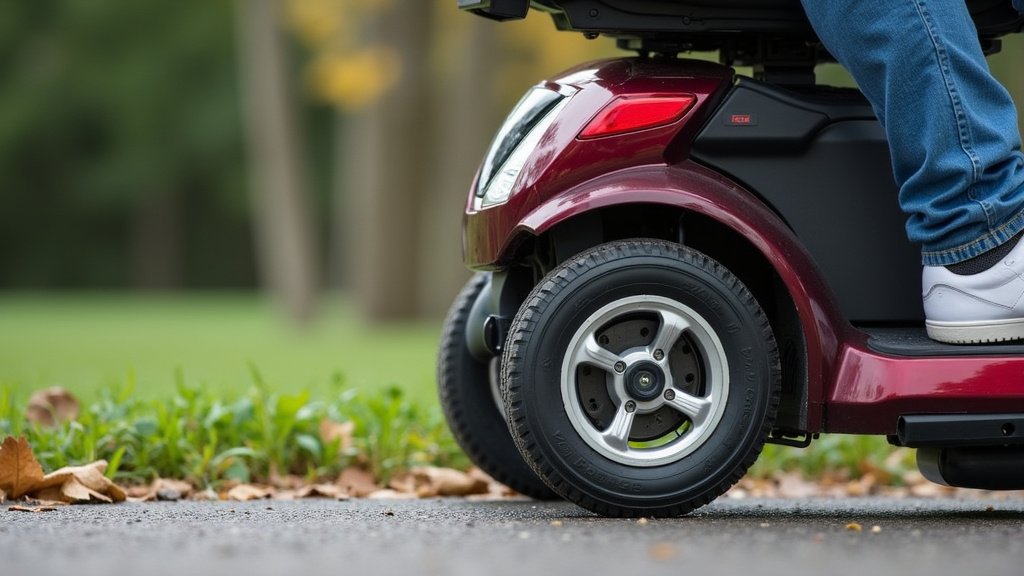
- Inspect tires for uneven wear, which could suggest alignment or bearing issues.
- Gently rock the wheels side-to-side. Excessive play might indicate a worn wheel bearing.
- Check around the motor for any loose bolts or signs of movement.
- Can you see any metal shavings on the ground underneath your scooter? That’s a bad sign for gears.
What Can You Do About It? (And When to Call a Pro)
Once you have an idea of what might be causing the grinding, you can decide on the next steps. Some fixes are simple DIY tasks; others require professional help.
Don’t try to fix something you’re not comfortable with. Your safety, and the proper function of your scooter, are too important.
Simple DIY Fixes to Consider
For minor issues, you might be able to handle it yourself. Always consult your scooter’s manual first for specific instructions.
Here’s a quick checklist:
- Tighten Loose Mounts: If you find loose motor mounts, carefully tighten them. Don’t overtighten and strip the bolts.
- Lubricate Moving Parts: Some visible linkages and connections might just need a little grease. A general-purpose lithium grease often works.
- Check Brake Adjustment: If your brakes feel sticky, your manual might have instructions for adjusting them.
- Clean Debris: Sometimes, a small stone or piece of debris can get caught in the drivetrain and cause noise. Check carefully.
When to Seek Professional Help
For anything more complex, or if you’re unsure, it’s always best to call a professional. Scooter technicians have specialized tools and knowledge.
If the noise points to internal transaxle problems, significant gear damage, or complex electrical issues, a pro is your best bet.
They can safely lift the scooter, disassemble components, and replace parts correctly. Attempting these repairs yourself could void your warranty or cause further damage.
The goal is to get your scooter running smoothly and quietly again, ensuring your continued independence and mobility.
Conclusion
Hearing a grinding noise from your mobility scooter is a clear signal that something needs attention. You’ve learned that common culprits include worn gears, loose motor mounts, or issues within your transaxle and brakes. Ignoring these sounds can lead to more significant damage and compromise your safety. By carefully listening, visually inspecting, and understanding the potential causes, you’re better equipped to identify the problem.
Whether you tackle simple fixes yourself or call in a professional, acting promptly protects your investment and ensures your continued independence. Prioritize your scooter’s health to enjoy many more miles of smooth, quiet travel.
Frequently Asked Questions
Is it safe to keep driving my mobility scooter if it’s making a grinding noise?
No, it is generally not safe to continue driving a scooter that is making a grinding noise. This sound often indicates a mechanical problem that could worsen, lead to a breakdown, or even cause a safety hazard. It’s best to stop using it until the issue is diagnosed and repaired.
How much does it usually cost to fix a grinding noise in a mobility scooter?
The cost to fix a grinding noise varies greatly depending on the cause. Simple fixes like tightening a loose motor mount might be inexpensive or even free if you do it yourself. More complex repairs, such as replacing a transaxle or internal gears, could be several hundred dollars or more, including parts and labor from a professional.
Can a lack of maintenance cause my scooter to grind?
Yes, absolutely. Poor or neglected maintenance is a common cause of grinding noises. Lack of lubrication can lead to worn gears, and not addressing minor issues can escalate them into larger problems. Regular check-ups and following your manufacturer’s maintenance schedule can prevent many of these issues.
How can I prevent my mobility scooter from developing grinding noises?
You can prevent grinding noises by performing regular maintenance and inspections. Keep your scooter clean, check for loose parts, ensure proper tire pressure, and follow the lubrication schedule recommended in your owner’s manual. Promptly addressing any unusual sounds or changes in performance will also help.
Should I try to fix a grinding noise myself or always call a technician?
For simple issues like tightening accessible bolts or lubricating visible moving parts, you might be able to handle it yourself if you feel comfortable and have the right tools. However, for anything involving the motor, transaxle, complex wiring, or if you’re unsure, it’s always safest to call a qualified mobility scooter technician to avoid further damage or injury.