
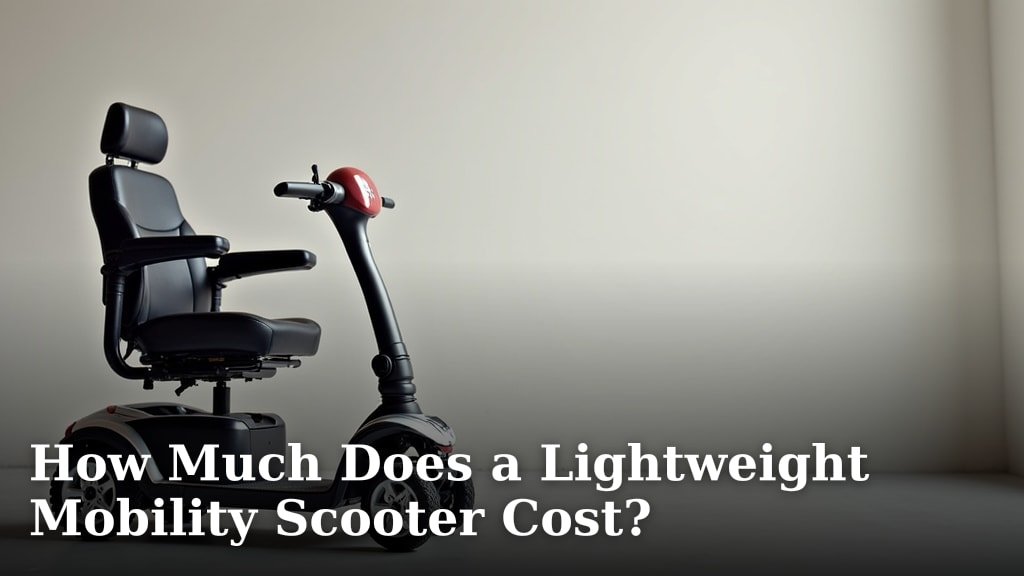
Thinking about a lightweight mobility scooter? You can expect to spend anywhere from $500 to $3,000. The exact cost really depends on the features and the brand you choose. We’ve researched to give you the clearest picture.
Factors like battery life, weight capacity, and maneuverability play a big role in pricing. Some models are designed for indoor use, while others can handle outdoor terrain. Think about where you’ll be using it most. Your needs will help guide you to the right price point.
- Lightweight mobility scooters typically range from $500 to $3,000.
- Price is influenced by brand, features, and battery life.
- Consider where you’ll use it most (indoors vs. outdoors).
- Look at weight capacity and maneuverability needs.
Let’s break down what influences the price tag and help you find the perfect lightweight scooter for your budget and lifestyle.
Understanding the Price Tag of Lightweight Mobility Scooters
So, you’re curious about how much a lightweight mobility scooter might cost. It’s a fair question! We’ve done some digging, and the general price range you’ll see is between $500 and $3,000. This wide range isn’t just random; it reflects a variety of factors. Think of it like buying a car: a basic model will cost less than a fully loaded one. We want to help you understand what makes one scooter more expensive than another, so you can make a smart choice.
Key Factors That Influence Scooter Cost
What makes one scooter cost more than another? Several things come into play. We found that the brand name, the features packed into the scooter, and the quality of its components all play a big part in the final price. Let’s break these down so you know what you’re paying for.
The Impact of Brand Reputation
You’ll notice that some brands are consistently priced higher than others. This often comes down to their reputation for quality and reliability. Established brands that have been around for a while often invest more in research and development. They might also offer better warranties or customer support. We found that this can add to the overall cost, but for many, the peace of mind is worth it. Think of brands like Pride Mobility, Golden Technologies, or Drive Medical – they are well-known in the industry.
Feature Sets: What’s Inside That Counts
The more bells and whistles a scooter has, the higher its price tag will likely be. We looked at common features that can affect cost:
- Battery Life and Range: Longer-lasting batteries that let you travel further typically cost more.
- Weight Capacity: Scooters designed to carry heavier individuals often have sturdier frames and more powerful motors, increasing the price.
- Speed and Performance: Faster scooters or those with better acceleration might command a higher price.
- Comfort and Adjustability: Features like adjustable armrests, a swiveling seat, or ergonomic tiller designs add to the comfort and also the cost.
- Tire Type: Solid, flat-free tires are often standard on more expensive models, eliminating the worry of punctures.
- Suspension System: Some higher-end models include suspension for a smoother ride, especially over varied terrain.
Material Quality and Build Durability
The materials used to construct a scooter matter. We found that scooters made with high-quality plastics, stronger metals, and more durable components will naturally cost more. These materials not only make the scooter last longer but also contribute to its overall safety and performance. A well-built scooter can withstand more wear and tear. This is especially important if you plan on using your scooter frequently.
Understanding the Price Tiers for Lightweight Mobility Scooters
To give you a clearer picture, we can group lightweight mobility scooters into a few general price categories. This helps you see what you can expect at different budget levels.
Budget-Friendly Options (Under $1,000)
In this price range, you’ll find scooters that are generally more basic. They are often perfect for indoor use or very short, smooth outdoor trips. We found that these models usually have a shorter travel range per charge and might not have as many comfort features. However, they can be a fantastic option if your needs are simple and your budget is tight. They prioritize core functionality over luxury.
Mid-Range Choices ($1,000 – $2,000)
This is where you start to see a great balance of features and price. Scooters in this category often offer better battery life, allowing for longer outings. You might also find more adjustable seating and a slightly more robust build. We found that many people find their perfect fit in this mid-range bracket. They are versatile enough for both indoor and light outdoor use. Think of these as the reliable workhorses of the mobility scooter world.
Premium Models ($2,000 – $3,000+)
If you’re looking for the best of the best, this is where you’ll find it. These scooters come with extended battery range, advanced suspension systems, and premium comfort features. They are often built to handle tougher terrain and heavier users. We found that these models are designed for those who need top-tier performance, durability, and the latest technology. They represent a significant investment, but one that can greatly enhance your mobility and independence.
Comparing Features: A Quick Look at What Affects Cost
To make it even clearer, let’s visualize how certain features can bump up the price. Think of this as a quick reference:
| Feature | Basic Models (Lower Cost) | Mid-Range Models (Moderate Cost) | Premium Models (Higher Cost) |
|---|---|---|---|
| Battery Range | 5-10 miles | 10-20 miles | 20+ miles |
| Top Speed | 3-4 mph | 4-5 mph | 5-6+ mph |
| Tire Type | Standard rubber, may require inflation | Solid, flat-free | Advanced solid or pneumatic with suspension |
| Comfort Features | Basic seat, minimal adjustability | Adjustable armrests, swivel seat | Ergonomic seating, advanced suspension, deluxe tiller |
| Weight Capacity | 200-250 lbs | 250-300 lbs | 300+ lbs |
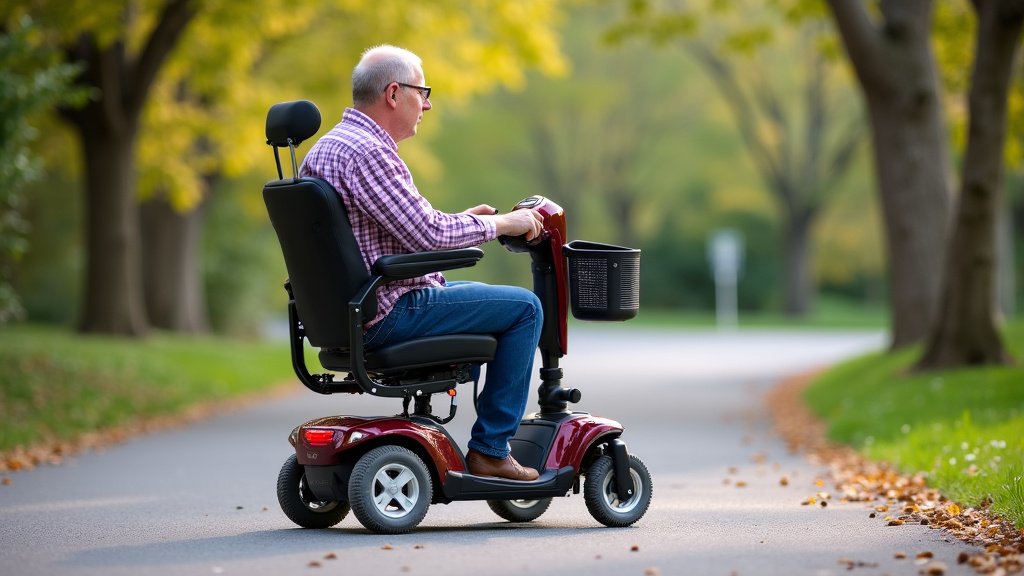
Are There Hidden Costs to Consider?
It’s smart to think beyond the sticker price. We found that there can be other costs associated with owning a mobility scooter. These might include:
- Accessories: Things like a basket, canopy, or custom seat additions can add up.
- Maintenance: While generally low, batteries will eventually need replacement, which is a significant cost.
- Shipping: Some online retailers might charge extra for delivery, especially for larger items.
- Insurance: While not always required, some people opt for insurance for added protection.
Always ask your retailer about potential additional fees before you buy. This helps avoid any surprises down the road.
Is a More Expensive Scooter Always Better?
Not necessarily! The “best” scooter is the one that fits your specific needs and budget. A $500 scooter might be absolutely perfect for someone who only needs it for quick trips around their home or a very flat, smooth neighborhood path. We found that overspending on features you won’t use is just as wasteful as underspending and not getting the functionality you need.
Making Your Decision: A Checklist
Before you hand over your money, take a moment to run through this quick checklist. It can help ensure you’re making the right choice for your situation:
- Where will you use it most? (Indoors, smooth sidewalks, rougher terrain?)
- How far do you need to travel on a single charge?
- What is your personal weight and height?
- Are comfort features like adjustable armrests important to you?
- What is your absolute maximum budget, including any potential accessories?
- Do you need a scooter that’s exceptionally easy to disassemble for transport?
Answering these questions honestly will guide you toward the right scooter and the right price point. We want you to feel confident in your purchase!
Conclusion
Finding the right lightweight mobility scooter means balancing your needs with your budget. We’ve seen that prices can range from around $500 for basic models to $3,000 or more for premium options. Key factors like brand reputation, battery life, comfort features, and build quality all influence the final cost. Before you buy, ask yourself where you’ll use it most and how much range you truly need. Your answers will guide you to the perfect scooter that enhances your independence without breaking the bank. Take your time, compare your options, and make a confident choice!
Frequently Asked Questions
Can I find a good lightweight mobility scooter for under $500?
While very basic models might occasionally be found near this price point, truly functional and durable lightweight mobility scooters typically start a bit higher, around the $500 mark. We research and found that options below $500 often have very limited range or features. For reliable performance, we recommend budgeting at least $500.
Are more expensive scooters more reliable?
Generally, you pay more for better build quality and advanced features in higher-priced scooters. Established brands often invest more in research and development, leading to greater reliability and durability. We found that premium models often use stronger materials and offer longer warranties, which can justify their higher cost for frequent users.
Do I need to consider accessories when budgeting for a scooter?
Yes, absolutely! While the scooter itself is the main expense, don’t forget about potential accessory costs. Things like baskets, canopies, or even upgraded seats can add to the overall price. We research and found it’s smart to set aside a small portion of your budget for these additions if you think you’ll need them.
What’s the difference in battery life between cheap and expensive models?
Battery life is a major factor affecting price. Cheaper scooters typically have smaller batteries with a shorter travel range, often 5-10 miles per charge. More expensive models come with larger, more powerful batteries that can provide 20 miles or more of range. We found this extended range is essential for longer outings.
Will a lightweight scooter be good for rough outdoor terrain?
Lightweight scooters are generally best suited for smooth surfaces like sidewalks and indoor floors. While some mid-range or premium models might offer better suspension and sturdier tires for light outdoor use, they aren’t typically designed for challenging terrain. We research and found that for rougher ground, a heavier-duty scooter might be a better, though more expensive, option.
