
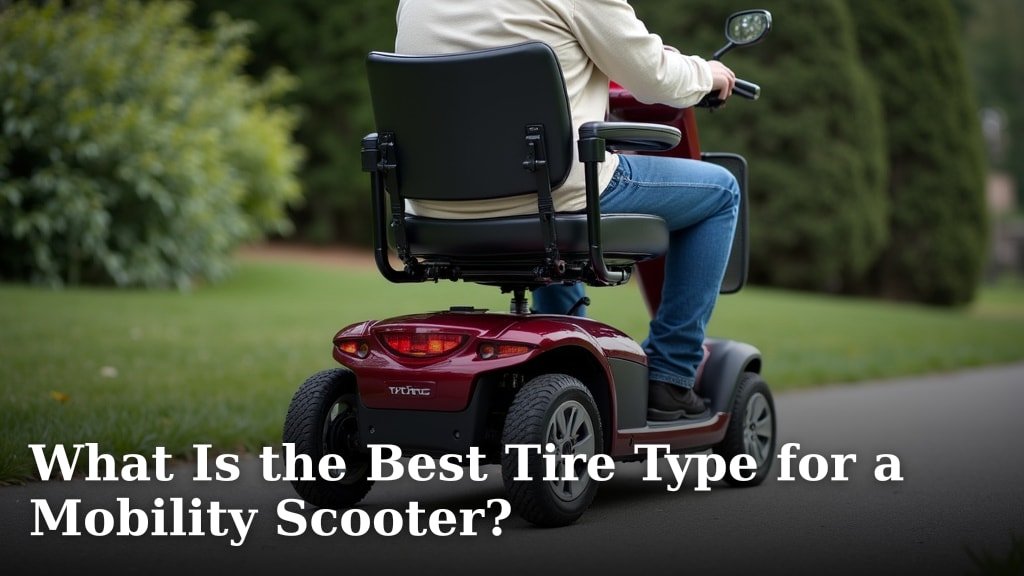
Choosing the best tire type for your mobility scooter depends on where you’ll ride most often. For indoor use and smooth outdoor paths, solid tires offer excellent durability and low maintenance. If you need better shock absorption and grip on varied surfaces, pneumatic (air-filled) tires might be your better bet.
We understand how important it is for your scooter to perform reliably. The right tires can transform your riding experience, giving you more confidence and comfort. Think of them as your scooter’s connection to the ground, impacting everything from stability to ride smoothness. We’ve looked into the options to help you decide.
- Solid tires: Great for indoors, very durable, no flats.
- Pneumatic tires: Offer a softer ride, better traction on rougher spots.
- Foam-filled tires: A middle ground, good puncture resistance.
- Consider your typical travel surfaces.
Let’s walk through the different tire types and help you find the perfect match for your mobility scooter needs.
Choosing the Right Mobility Scooter Tires for Your Needs
When you’re looking for the best mobility scooter tires, it’s not a one-size-fits-all situation. Your daily routine and the surfaces you navigate most often are key. Think about where you use your scooter. Is it mostly inside your home? Do you stick to smooth sidewalks? Or do you venture onto less-than-perfect paths?
We’ve found that understanding the different types of tires can make a big difference. It impacts your ride comfort, safety, and how much upkeep you’ll need to do. Let’s break down the main options to help you make an informed choice.
Understanding Your Mobility Scooter Tire Options
Your scooter’s tires are its connection to the world. They absorb shocks, provide grip, and affect how easily you can steer. We’ll cover the most common types you’ll encounter.
Pneumatic Tires: The Classic Air-Filled Choice
Pneumatic tires are what most people think of when they picture a tire. They are filled with air, much like the tires on your car or bicycle. This air cushion is the main advantage.
How they work: These tires have an inner tube that holds pressurized air. The rubber outer layer protects the tube and provides traction. When you ride over bumps or uneven surfaces, the air inside the tire compresses, absorbing the shock.
Pros:
- Comfortable ride: The air provides excellent shock absorption. This means a smoother journey, especially on rougher terrain.
- Better traction: Pneumatic tires generally offer superior grip. This is important for stability and safety.
- Reduced vibration: They can help minimize the jarring vibrations you might feel from bumps.
Cons:
- Puncture risk: The biggest drawback is the potential for flats. Nails, glass, or other sharp objects can puncture the tire or tube.
- Maintenance required: You need to check and maintain the air pressure regularly. Low pressure can affect performance and tire wear. You need to check and maintain the air pressure regularly; our guide explains how to check mobility scooter tire pressure.
- Softer wear: Because they are softer, they might wear out a bit faster than solid tires on very abrasive surfaces.
Who are they best for? Pneumatic tires are a great choice if you prioritize a smooth and comfortable ride. They are ideal for users who travel on a mix of surfaces, including sidewalks, parks, and some slightly uneven ground. Many experts recommend them for longer trips where comfort is key (Cleveland Clinic).
Solid Tires: The Low-Maintenance Workhorse
Solid tires, also known as foam-filled or non-pneumatic tires, are made from solid rubber or a dense foam material. They contain no air and therefore cannot go flat.
How they work: These tires are a single, solid piece. They don’t rely on air pressure for their structure or ride. The material itself is designed to be durable and offer a certain level of cushioning, though less than pneumatic.
Pros:
- No flats: This is the number one benefit. You never have to worry about punctures or getting stranded with a flat tire.
- Very durable: They are built to last and can withstand a lot of wear and tear.
- Little maintenance: No need to check air pressure. Just mount them and go.
Cons:
- Harsher ride: Because there’s no air cushion, solid tires offer less shock absorption. This can lead to a bumpier ride, especially on uneven surfaces.
- Less traction: They typically don’t provide as much grip as pneumatic tires. This can be a concern on wet or slippery surfaces.
- Heavier: Solid tires can be heavier than pneumatic ones, which might slightly affect maneuverability.
Who are they best for? Solid tires are an excellent option for users who primarily travel indoors or on very smooth, well-maintained outdoor paths. They are perfect for those who want a worry-free, low-maintenance solution and don’t want to deal with potential flat tires. They are particularly good for individuals who might have difficulty with tire maintenance.
Foam-Filled Tires: A Compromise Between Air and Solid
Foam-filled tires aim to offer the best of both worlds. They have the air-filled appearance of pneumatic tires but are filled with a solid, puncture-proof foam material instead of air.
How they work: These tires are filled with a dense, resilient foam that completely fills the tire cavity. This foam provides support and prevents punctures, while the outer tire material can still offer some flexibility for a better ride than solid tires.
Pros:
- Puncture resistance: Like solid tires, they are resistant to punctures, eliminating the worry of flats.
- Decent comfort: They generally offer a more comfortable ride than traditional solid tires. The foam provides more cushioning than solid rubber.
- Good durability: They are quite robust and can handle regular use.
Cons:
- Still not as comfortable as pneumatic: While better than solid, they usually don’t absorb shock as effectively as air-filled tires.
- Can be heavier: The foam filling adds weight, which might be a consideration for some users.
- Less shock absorption than air: If you need maximum comfort on very bumpy terrain, pneumatic might still be superior.
Who are they best for? Foam-filled tires are a good middle-ground. They are suitable for users who want excellent puncture protection without sacrificing too much ride comfort. They are a solid choice for those who travel on a variety of surfaces but want to minimize the risk of flats.
Comparing Tire Types: A Quick Overview
To help you visualize the differences, here’s a comparison table. It highlights the key features you’ll want to consider.
| Feature | Pneumatic Tires | Solid Tires | Foam-Filled Tires |
|---|---|---|---|
| Ride Comfort | Excellent (best shock absorption) | Fair (harshest ride) | Good (better than solid) |
| Puncture Resistance | Poor (risk of flats) | Excellent (no flats) | Excellent (no flats) |
| Traction | Good to Excellent | Fair | Fair to Good |
| Maintenance | Requires air pressure checks | Virtually none | Virtually none |
| Durability | Good | Excellent | Good to Excellent |
| Weight | Lighter | Heavier | Heavier |
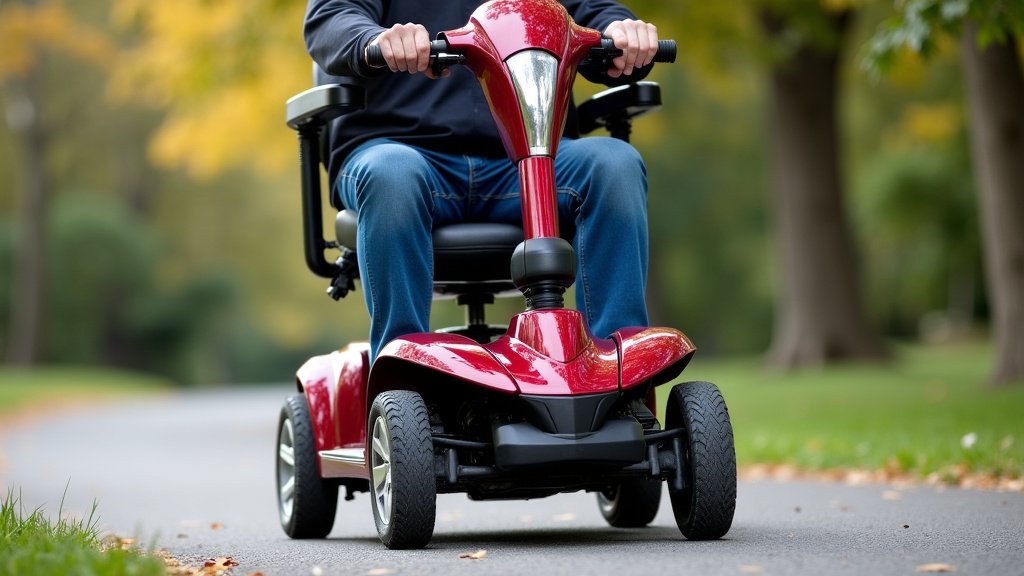
Factors to Consider for Your Mobility Scooter Tires
Now that you know the types, let’s think about how to choose. What matters most for your specific situation?
Your Primary Travel Surfaces
This is arguably the most important factor. Where will your scooter spend most of its time?
- Indoors only: If you mainly use your scooter inside a home, office, or shopping mall, solid tires are often the best bet. The floors are smooth, and you have zero risk of punctures.
- Smooth outdoor paths: Sidewalks, paved trails, and paved driveways are generally fine for any tire type. However, solid tires offer the peace of mind of no flats. Pneumatic tires will still give you a smoother ride.
- Varied terrain: If you navigate grassy areas, gravel paths, or uneven surfaces, pneumatic tires will offer much better shock absorption and a more comfortable experience. They can also handle small obstacles better.
Maintenance Preferences
How much time and effort are you willing to put into tire care?
If the idea of checking tire pressure or dealing with a flat tire fills you with dread, then solid or foam-filled tires are your clear winners. They offer a truly maintenance-free experience. Pneumatic tires, while providing a better ride, do require regular attention to air pressure for optimal performance and longevity.
Ride Comfort vs. Durability
There’s often a trade-off between comfort and durability. Pneumatic tires excel in comfort due to their air cushioning. Solid tires excel in durability and puncture resistance but sacrifice some comfort. Foam-filled tires try to balance these two, offering good durability with a more comfortable ride than solid.
Think about your physical needs. If you experience pain from vibrations, you’ll want the cushioning of pneumatic tires. If your main concern is avoiding any chance of a flat, solid or foam-filled are better.
Cost Considerations
Generally, pneumatic tires and their replacement tubes might be less expensive upfront compared to solid or foam-filled tires. However, the cost of repairing or replacing punctured pneumatic tires can add up over time. Solid and foam-filled tires often have a higher initial cost but can be more economical in the long run due to their longevity and lack of repair needs.
Making Your Final Decision: A Quick Checklist
To help you narrow it down, ask yourself these questions:
- Do I mostly ride indoors on smooth surfaces?
- Do I frequently ride on rough or uneven terrain?
- How important is a super comfortable, shock-absorbed ride to me?
- Do I want to avoid flat tires at all costs?
- Am I comfortable checking and maintaining tire air pressure?
- What’s my budget for tires, considering potential repairs?
By answering these questions honestly, you’ll be well on your way to selecting the perfect tires for your mobility scooter. Whether you choose the plush ride of pneumatic, the worry-free nature of solid, or the balanced approach of foam-filled, the right tires will enhance your independence and mobility.
Conclusion
Your mobility scooter’s tires are key to your comfort and freedom. We’ve seen how pneumatic tires offer a plush ride for varied terrain, while solid tires provide a maintenance-free, durable option for smooth surfaces. Foam-filled tires strike a good balance between the two. Think carefully about where you ride most and what kind of ride experience you prefer. By considering your daily travel and maintenance needs, you can confidently choose the tires that will best support your independence. Your next step is to check your current tires and see if they match your needs, or if it’s time for an upgrade to a type that better suits your lifestyle.
Frequently Asked Questions
Will solid tires make my scooter ride rougher?
Yes, solid tires generally offer a less comfortable ride than pneumatic ones. Because they don’t have air to absorb shock, you may feel more vibrations from bumps and uneven surfaces. This is why they are best suited for smooth, indoor or paved outdoor paths.
How often do I need to check the air pressure in pneumatic tires?
We recommend checking your pneumatic tire pressure at least once a week. Consistent air pressure is vital for optimal performance, ride comfort, and extending the life of your tires. It also helps prevent premature wear and ensures you don’t risk a flat due to underinflation.
Can foam-filled tires go completely flat?
No, foam-filled tires cannot go completely flat. They are filled with a solid, puncture-proof foam material instead of air. This means you won’t have to worry about punctures from sharp objects, giving you a reliable and worry-free experience.
What’s the best tire type if I ride mostly indoors?
If you primarily use your mobility scooter indoors on smooth flooring, solid tires are often your best choice. They offer excellent durability and require no maintenance, such as checking air pressure. You won’t have to worry about punctures on clean indoor surfaces.
Which tire type is best for gravel or park paths?
For riding on gravel, park paths, or other uneven outdoor surfaces, pneumatic tires are usually the best option. The air-filled design provides superior shock absorption and a smoother, more comfortable ride. They also tend to offer better traction on these types of terrains.
