
Your mobility scooter tire is likely flat due to a puncture from a sharp object, a slow leak from the valve stem, or simply wear and tear. These are the most common reasons we see mobility scooter tires go flat, leaving you stuck. We know how frustrating this can be when you rely on your scooter.
A flat tire can happen unexpectedly, whether you’re out for a quick errand or enjoying a longer outing. Understanding the likely causes can help you prevent future flats and know what to do. It’s essential to keep your tires in good shape for a safe and reliable ride.
- Punctures from sharp objects are common.
- Valve stem leaks can cause gradual deflation.
- Tire aging and wear can lead to flats.
- Improper inflation pressures can strain the tire.
Let’s walk through exactly why your mobility scooter tire might be flat and what you can do about it.
Common Reasons for Your Mobility Scooter Tire Going Flat
It’s never fun to find your mobility scooter tire unexpectedly flat. You rely on your scooter to get around, and a flat can really put a wrench in your day. We’ve seen many reasons for this, but most can be boiled down to a few main culprits. Let’s figure out what might be happening with your tire.
Understanding Tire Damage and Leaks
Your mobility scooter tires are built to last, but like any rubber product, they can suffer damage. This damage often leads to air escaping, which is what we call a flat tire. Most flats stem from something physically piercing the tire or a slow, persistent leak.
Punctures from Sharp Objects
This is probably the most common reason for a flat tire. Think of all the things that can be on the ground: nails, screws, sharp pieces of glass, or even thorns. Even a tiny shard of metal can make its way through the rubber.
When you hit one of these sharp objects, it creates a hole. If the hole is small, you might notice a slow leak at first. Larger holes can lead to a rapid loss of air, leaving you stranded much faster. We often see this after someone has driven over a construction site or a littered area.
Valve Stem Issues
The valve stem is like the tire’s tiny mouth. It’s where you add air. This small part can sometimes cause big problems. They are often made of rubber or metal and can develop leaks over time.
A common issue is the valve core itself. This is a small part inside the stem that seals the air. If it gets dirty or worn out, it might not seal properly. Sometimes, the rubber base of the valve stem can crack or become loose, allowing air to escape. We found that older tires are more prone to this kind of wear and tear.
Sidewall Damage and Tears
The sidewall is the side part of your tire. It’s thinner than the tread and can be more easily damaged. Running into curbs, sharp debris, or even just aging can cause cracks or tears to appear here.
A small nick might not cause an immediate flat, but it’s a weak spot. Over time, this damage can worsen. Air can start to seep out slowly from these cracks. Larger tears will obviously cause a much faster deflation. This is why it’s important to be aware of your surroundings when you drive.
When Age and Wear Take Their Toll
Nothing lasts forever, and your mobility scooter tires are no exception. Over time, the rubber degrades, and the tread wears down. This makes them more vulnerable to flats.
Tire Aging and Cracking
Rubber naturally breaks down over time, especially when exposed to sunlight (UV rays), heat, and oxygen. You might start to see small cracks appearing on the tire’s surface, particularly on the sidewalls. This is a clear sign that the rubber is losing its flexibility and strength.
These cracks can start small but will eventually widen. Once they do, they become entry points for air to leak out. Many experts suggest replacing tires that show significant cracking, even if they still have good tread depth. We recommend checking your tires regularly for these signs of aging.
Tread Wear
The tread is the part of the tire that grips the road. It’s designed to wear down gradually. However, if your tires are worn very thin, there’s less rubber to protect the inner tube from punctures. You can think of it like trying to run on shoes with no soles – not much protection!
When the tread is worn down, sharp objects on the ground can pass through more easily. It’s a good idea to check your tire tread depth. If it looks smooth or you can see the internal cords, it’s definitely time for a replacement. Many manufacturers provide guidelines for safe tread depth.
Inflation Problems Can Lead to Flats
You might think of inflation as simply adding air. But the proper inflation pressure is vital for tire health and safety. Too much or too little air can both cause problems that lead to a flat.
Underinflation: The Silent Killer
Running your tires underinflated is a common mistake. When a tire doesn’t have enough air, it’s softer and can flex more than it should. This extra flexing generates heat.
This heat can weaken the tire’s internal structure and even damage the inner tube. The sidewalls are particularly stressed when underinflated. This stress can lead to cracks or even a blowout. We found that many users simply don’t check their tire pressure often enough. Low pressure also makes your scooter harder to steer and can affect battery life.
Overinflation: Too Much of a Good Thing
On the flip side, overinflating your tires can also be problematic. An overinflated tire is very stiff. This makes it more susceptible to damage from impacts.
Think of it like a balloon filled with too much air – it’s brittle and more likely to pop. If you hit a sharp object or a hard bump with an overinflated tire, it’s more likely to burst. It can also lead to a harsher ride, which isn’t ideal for comfort. Always follow the manufacturer’s recommended tire pressure, usually found on the tire sidewall or in your manual.
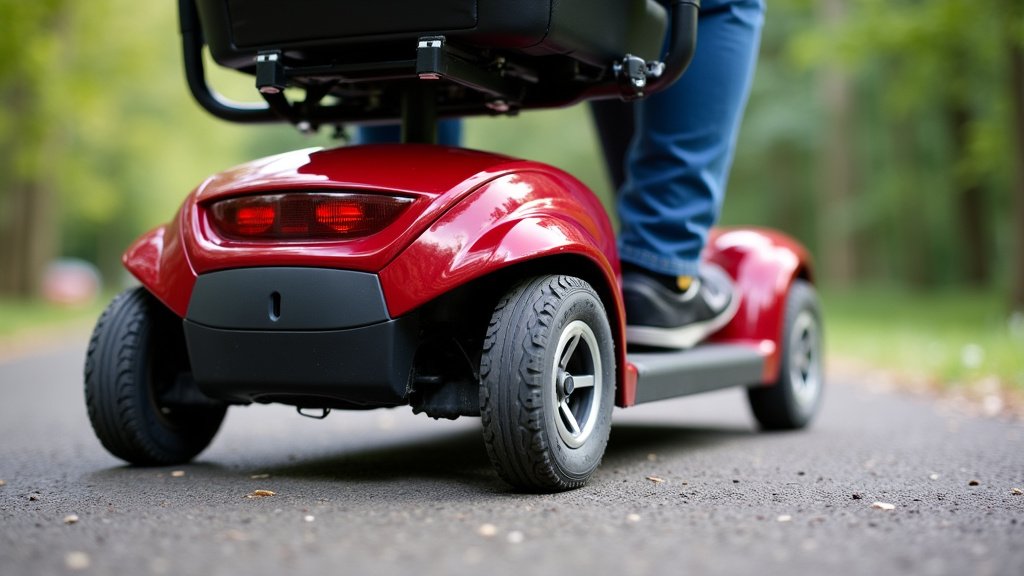
Quick Checklist: How to Spot Potential Problems
Here’s a simple checklist to help you identify potential issues before they lead to a flat tire:
- Visual Inspection: Regularly look for any cuts, cracks, or foreign objects stuck in the tires.
- Tread Depth: Check if the tread is worn smooth. If it is, it’s time for new tires.
- Valve Stem Check: Ensure the valve stem is straight and doesn’t have any visible damage or leaks.
- Tire Pressure: Use a tire gauge to check pressure regularly. Compare it to the recommended PSI.
- Uneven Wear: Notice if one side of the tire is more worn than the other; this could indicate an alignment issue.
- Hard Spots or Bulges: Feel for any unusually hard or soft spots on the tire, or any bulges on the sidewall.
When You Need to Take Action
If you’ve gone through this list and suspect a problem, or if your tire is already flat, it’s time to address it. For a simple puncture on a pneumatic (air-filled) tire, sometimes a patch can work. However, for most mobility scooter tires, especially solid ones, replacement is the standard solution.
If you’re unsure about the cause or how to fix it, it’s always best to consult your mobility scooter manual or a qualified service technician. They can properly diagnose the issue and get your scooter back on the road safely.
Conclusion
Understanding why your mobility scooter tire is flat boils down to a few key areas. You’ve learned about punctures from sharp objects, issues with the valve stem, and the effects of tire age and wear. We also covered how improper inflation can cause damage. Regularly checking your tires for wear, cracks, and correct pressure is your best defense. If you do get a flat, consult your manual or a technician to get back on the move safely.
Frequently Asked Questions
How often should I check my mobility scooter tires?
We recommend a quick visual check of your tires at least once a week. For air pressure, using a gauge monthly or before any long trips is a good practice. Catching small issues early can prevent bigger problems like flats.
Can I repair a puncture myself, or do I need a professional?
For pneumatic tires, a simple puncture might be patchable, but it depends on the size and location. Many mobility scooter tires are solid or require specific repair techniques. If you’re unsure, it’s always safer to let a professional handle the repair or replacement.
What’s the difference between a pneumatic and solid tire, and how does that affect flats?
Pneumatic tires are air-filled, like car tires, and can go flat from punctures or leaks. Solid tires are made of solid rubber and can’t go flat from air loss, but they can still be damaged by cuts or degradation. We’ve found solid tires offer more puncture resistance but a less comfortable ride.
My tires look okay, but they still seem low on air. Why?
Even if there are no visible signs of damage, tires can lose air over time through microscopic pores in the rubber or a slow leak from the valve stem. This is why regular pressure checks are important. Ensuring they are inflated to the manufacturer’s recommended PSI is key for performance and safety.
What happens if I ignore worn-out tires on my mobility scooter?
Ignoring worn tires increases your risk of unexpected flats significantly. Worn treads offer less grip and protection, making punctures more likely. It can also lead to a less stable and comfortable ride. We advise replacing tires when the tread is visibly low to maintain safety and reliability.
