
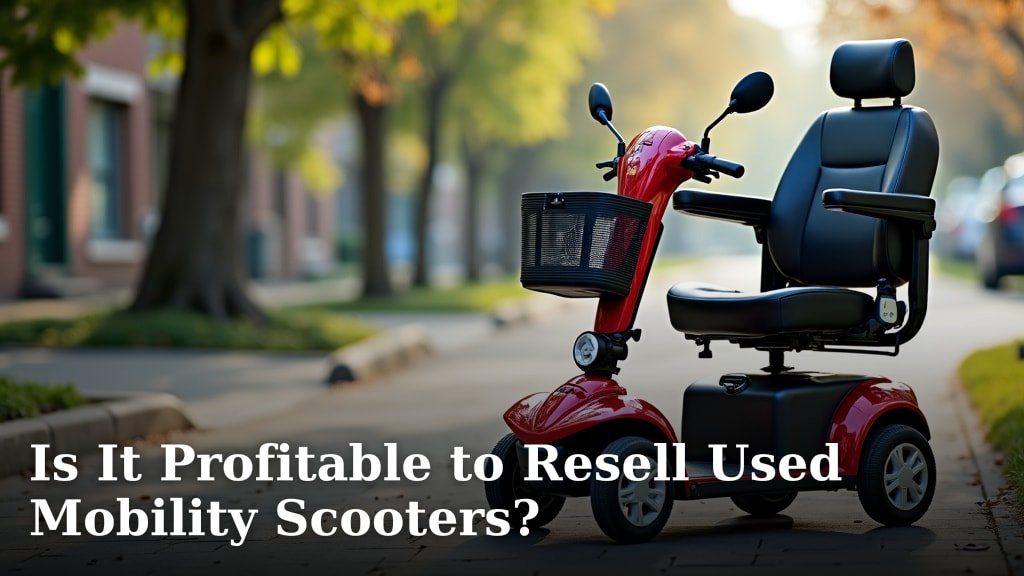
Yes, reselling used mobility scooters can be a profitable venture, especially if you focus on sourcing models in good condition and understanding your target market. Many people need affordable mobility aids, making this a niche with consistent demand. You can often find scooters at low prices and resell them for a healthy profit margin.
This business model taps into a growing need for accessible transportation solutions. It’s a way to help others while earning income. We found that success often comes down to knowing the right models and where to find them. It’s a rewarding way to assist individuals seeking independence.
- Demand for affordable mobility scooters is strong.
- Profitability depends on sourcing and condition.
- Focus on popular, reliable brands for best results.
- Repairing and refurbishing can increase resale value.
Let’s break down what makes reselling used mobility scooters a good business idea and how you can get started. Our guide on how you can get started with choosing a mobility scooter can help you understand what buyers look for.
Is Reselling Used Mobility Scooters a Profitable Business?
Yes, reselling used mobility scooters can absolutely be a profitable business. It taps into a market with consistent demand from people seeking reliable transportation. You can often source these devices at a reasonable price and then refurbish them for a higher resale value. It’s a niche that helps people regain independence while offering you a good income stream.
Understanding the Market for Used Mobility Scooters
The demand for mobility aids is steady and growing. As the population ages, more individuals require assistance with daily movement. Not everyone can afford a brand-new scooter. This creates a strong market for quality used options. People are looking for cost-effective solutions that still offer dependable performance.
Who Buys Used Mobility Scooters?
Your customer base is diverse. You’ll find seniors looking to maintain their independence at home or for outings. There are also individuals recovering from injuries or surgery who need temporary mobility support. People with certain disabilities find used scooters a more accessible way to get around. They often seek reliable machines that fit their budget.
Why is This a Good Business Opportunity?
Several factors make this a promising venture. Firstly, there’s a clear need for these products. Secondly, the cost of acquiring used scooters is often low. This allows for a healthy profit margin after any necessary repairs or cleaning. Many people are also eco-conscious. Buying used extends the life of a product, which appeals to some buyers. It’s a win-win situation for both the seller and the buyer.
Sourcing Your Inventory: Where to Find Used Scooters
Finding the right scooters at the right price is key. Your sourcing strategy will heavily influence your profitability. Think of it like being a treasure hunter. You’re looking for gems that others might overlook.
Online Marketplaces and Classifieds
Websites like Facebook Marketplace, Craigslist, and eBay are excellent places to start. People often list scooters they no longer need. You might find listings from individuals clearing out a loved one’s belongings or those upgrading their equipment. Be sure to check these platforms regularly. You can often snag a good deal before others do.
Local Consignment Shops and Medical Supply Stores
Some local shops accept used mobility equipment on consignment. This means they sell it for you and take a percentage. You can also approach medical supply stores. They sometimes have trade-in programs or know of individuals looking to sell their used scooters. Building relationships with these businesses can be very beneficial. You might get early access to inventory.
Auctions and Estate Sales
Auctions, especially estate sales, can be a goldmine. When someone passes away, their belongings are often sold off. Mobility scooters can appear in these sales. You might need to be quick and decisive. It’s a good idea to research common models beforehand. Knowing what to look for will help you spot a good deal.
Networking and Word-of-Mouth
Don’t underestimate the power of local connections. Let friends, family, and acquaintances know you’re in the market for used scooters. Someone might know of a scooter gathering dust in a garage. A personal referral can sometimes lead to a great deal and a trusted source.
Refurbishing and Repairing for Maximum Profit
Simply buying and reselling might not yield the highest profits. Adding value through refurbishment can significantly boost your selling price. Think of it as giving the scooter a new lease on life. This process makes them more attractive and functional for the next owner.
Essential Checks and Basic Maintenance
When you acquire a scooter, give it a thorough inspection. Check the tires for wear and tear. Ensure the brakes are functioning correctly. Test all lights and signals. Clean the battery terminals. A little bit of basic maintenance goes a long way. Many buyers appreciate a scooter that looks and feels well-cared-for.
Battery Health: A Critical Component
Batteries are often the most expensive part of a mobility scooter. Check the battery life and age if possible. If they are old or don’t hold a charge well, they will likely need replacing. Investing in new, quality batteries can drastically increase the scooter’s value and appeal. Many customers will ask about battery condition.
Cosmetic Improvements
A good cleaning can make a world of difference. Use appropriate cleaners for plastic and metal parts. Remove any stickers or residue. Sometimes, a bit of polish can make the frame shine. Small cosmetic touches make the scooter look more appealing and well-maintained. A tidy appearance signals good care.
When to Call a Professional
For more complex mechanical issues, you might need a specialist. If the motor is making strange noises or the steering is off, it’s best to consult a professional repair service. While this adds to your cost, a safely functioning scooter will command a much higher price. It’s better to invest in repairs than to sell a faulty product.
Pricing Your Used Mobility Scooters Competitively
Setting the right price is crucial for making sales. You want to be competitive but also ensure you’re making a profit. Research is your best friend here.
Market Research: What are Others Charging?
Look at similar scooters for sale in your area and online. Note the brand, model, age, condition, and features. This will give you a good benchmark. Consider the original retail price if you can find it. This helps establish a reasonable discount for a used item.
Factors Influencing Price
The brand name plays a role. Well-known brands like Pride Mobility or Shoprider often hold their value better. The scooter’s condition is paramount. A fully refurbished scooter with new batteries will fetch a higher price than one needing work. The age and mileage (if available) also impact value. Included accessories, like a basket or cover, can also add a little to the price.
Calculating Your Profit Margin
Keep track of all your costs. This includes the purchase price, any repair parts, cleaning supplies, and even your time for refurbishment. Subtract your total costs from your selling price. This difference is your profit. Aim for a profit margin that makes the effort worthwhile. Many experts suggest a 20-30% profit margin is a good target.
| Condition | Typical Price Range (USD) |
|---|---|
| Fair (Needs minor repairs) | $200 – $500 |
| Good (Minor cosmetic wear, fully functional) | $500 – $1,200 |
| Excellent (Like new, possibly refurbished) | $1,000 – $2,000+ |
Note: These are general estimates and can vary widely based on model, brand, age, and features.
Marketing and Selling Your Refurbished Scooters
Once your scooters are ready, you need to find buyers. Effective marketing is key to moving your inventory quickly and profitably.
Creating Compelling Listings
Use clear, high-quality photos from multiple angles. Highlight the scooter’s best features. Be honest about its condition, including any minor imperfections. Clearly state the brand, model, battery life (if known), and any new parts installed. A detailed and honest description builds trust.
Where to List Your Scooters
Revisit the platforms where you sourced your scooters. Online marketplaces are great for reaching a wide audience. Consider local advertising too. Flyers at community centers or senior living facilities might be effective. Your own website or social media page can also be a good channel.
Providing Excellent Customer Service
Be responsive to inquiries. Answer questions promptly and politely. Offer a brief demonstration if possible. For local sales, arrange a safe and convenient meeting place. Providing a good experience can lead to positive reviews and repeat business. People appreciate sellers who are helpful and transparent.
Your Checklist for a Profitable Reselling Business
Here’s a quick rundown to keep you on track:
- Source Smart: Look for scooters in good overall condition.
- Inspect Thoroughly: Check tires, brakes, batteries, and electronics.
- Refurbish Wisely: Focus on repairs and cleaning that add the most value.
- Price Competitively: Research market rates and factor in your costs.
- Market Effectively: Use clear photos and honest descriptions.
- Provide Great Service: Be helpful and build trust with buyers.
Conclusion
Reselling used mobility scooters can indeed be a profitable path for you. By focusing on smart sourcing, thorough refurbishment, and honest marketing, you can build a successful business. You’ve learned how to identify good deals, bring scooters back to life, and price them competitively. Your next step is to start scouting for those first few scooters. Put your newfound knowledge to work, and you’ll be helping others regain independence while building your income.
Frequently Asked Questions
What types of used mobility scooters sell best?
Scooters from well-known brands like Pride Mobility or Shoprider tend to sell best. Models that are reliable, easy to operate, and have good battery life are also highly sought after. Focus on finding those popular and dependable models for quicker sales.
How much can I realistically expect to make per scooter?
Your profit margin will vary based on your purchase price, refurbishment costs, and selling price. Aiming for a 20-30% profit margin is a good target. A scooter you acquire for $300 and sell for $600 could yield a $300 profit, after accounting for any minor repairs or cleaning supplies.
Are there legal requirements I need to be aware of when reselling?
While specific regulations vary by location, ensure you accurately represent the condition and functionality of each scooter. It’s wise to avoid making medical claims. You should also be aware of local business licensing or sales tax requirements in your area. Honesty in your listings is always best.
What’s the most important component to check on a used scooter?
The batteries are often the most critical component to check. Their age and ability to hold a charge significantly impact the scooter’s performance and value. Replacing old batteries with new ones can be a worthwhile investment that greatly increases your resale price and buyer confidence.
How long does it typically take to sell a used mobility scooter?
Sales speed depends on pricing, condition, and market demand. A well-priced, clean, and functional scooter listed on popular platforms can sell within a week or two. If it takes longer, you might need to adjust your price or improve your listing photos and description.
