
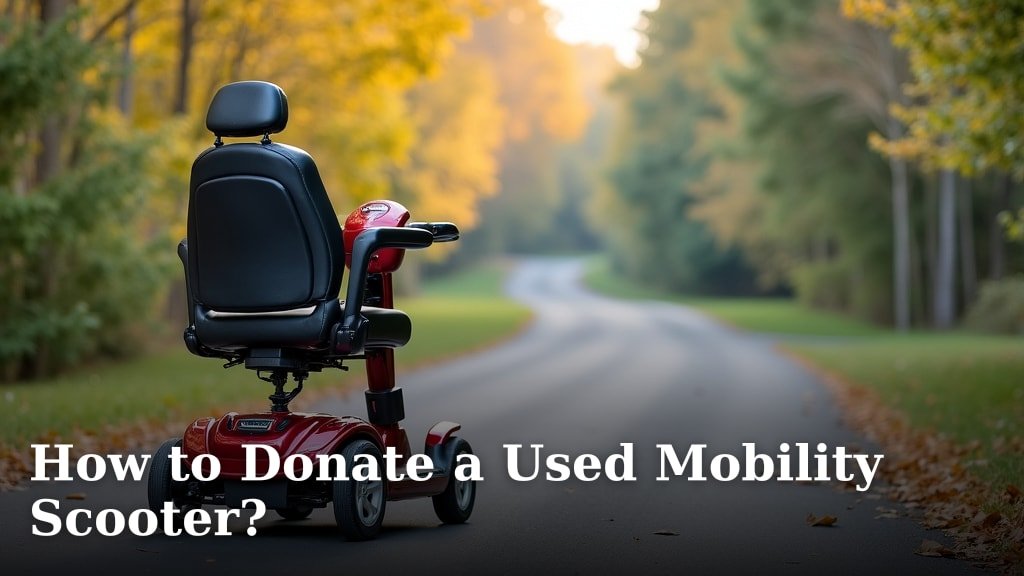
Yes, you can absolutely donate a used mobility scooter. Many charities and organizations are eager to receive these devices to help others who need them. Donating is a wonderful way to give your scooter a second life and make a real difference.
When you donate, you’re not just clearing out space. You’re providing independence and mobility to someone who might otherwise be limited. We found that many organizations focus on refurbishing scooters, making sure they’re safe and ready for their next user. It’s a rewarding process for everyone involved.
TL;DR:
- Yes, donating used mobility scooters is possible and encouraged.
- Many charities accept these donations to help others.
- Donating provides independence to individuals in need.
- Organizations often refurbish scooters for reuse.
- It’s a great way to give back and clear space.
Ready to pass on your mobility scooter? Let’s walk through the easy steps to donate your used mobility scooter and make sure it finds a good home. If you’re donating a scooter, you might also be interested in how to choose the right mobility scooter for someone else.
Getting Your Used Mobility Scooter Ready for Donation
Donating a mobility scooter is a fantastic way to help someone else. It gives them back independence. But before you hand it over, a little prep work goes a long way. This ensures your scooter is safe and ready for its next owner.
Think of it like preparing a gift. You want it to be something the recipient will truly enjoy and be able to use right away. We found that most charities appreciate a scooter that’s clean and in good working order. This saves them time and resources.
Assess Your Scooter’s Condition
First, take an honest look at your scooter. Is it in working condition? Does it charge properly? Are the tires inflated and in good shape? Check for any visible damage to the frame or the seat. Understanding its current state helps you find the right place to donate it.
If your scooter has seen better days and is not working, don’t worry. Some organizations might still accept it for parts or scrap. It’s always worth asking. We found that knowing the make and model can also be helpful when you contact potential recipients.
Clean It Up!
A clean scooter makes a much better impression. Give it a good wipe-down. Clean the seat, armrests, and controls. Remove any personal items or decorations you might have added. Getting rid of dust and grime makes it look more appealing.
Consider using a mild cleaner suitable for the scooter’s materials. For upholstery, a gentle fabric cleaner can work wonders. If you’re unsure about cleaning specific parts, a damp cloth is usually a safe bet. A little effort here can make a big difference for the next user.
Gather Important Documents and Accessories
Did you keep the owner’s manual? What about the charger? These are essential items for the new owner. Try to locate the original manual if possible. It often contains important information about operation and maintenance.
Make sure you have the correct charger that came with the scooter. An incompatible charger could damage the battery. If you’ve replaced any parts or have extra accessories, gather those too. These extras can be a great bonus for the recipient. Gathering the charger is essential, and knowing about the best mobility scooters with long battery life can inform your donation.
Finding the Right Place to Donate Your Scooter
So, where do these helpful devices go? Many places are looking for them. Your donated scooter can bring mobility and joy to individuals and families. Researching options ensures your scooter goes where it’s needed most.
We found that charities often have specific needs. Some focus on veterans, others on seniors, and some on people with specific disabilities. Matching your scooter to an organization that helps your target demographic can be very rewarding.
Local Charities and Non-Profits
Many community-based organizations are great places to start. Local chapters of disability advocacy groups or senior centers often have programs that help people obtain mobility equipment. These organizations might have a waiting list of individuals who could benefit from your scooter.
Contacting your local United Way or similar community service organizations can also provide leads. They often maintain directories of local charities and their needs. It’s a straightforward way to connect with groups in your area.
Organizations Specializing in Mobility Equipment
Some non-profits specifically collect and redistribute mobility devices. These organizations often have the expertise to refurbish scooters, ensuring they are safe and reliable. They might also offer repair services to recipients.
We found that organizations like Wheelchairs for Hope, Mobility Matters, or similar groups (depending on your region) are dedicated to this mission. A quick online search for “donate mobility scooter [your city/state]” can reveal these specialized charities. Many focus on serving specific populations, such as veterans or low-income individuals.
Hospitals and Rehabilitation Centers
Sometimes, patients leaving a hospital or rehabilitation center may need a mobility scooter but face financial barriers. Hospitals or their affiliated foundations might have programs to assist these individuals. They may accept donations directly or know of local organizations that do.
It’s worth a phone call to the social work department of a local hospital. They can often direct you to resources for donating medical equipment. They understand the immediate needs people face after a health crisis.
Veterans’ Organizations
Many veterans face mobility challenges. Organizations dedicated to helping veterans often need mobility equipment for their members. These groups are committed to ensuring our heroes have the support they deserve.
Consider groups like the Disabled American Veterans (DAV) or local VFW posts. They often have specific programs or know individuals within their network who could use a mobility scooter. Your donation can directly impact the life of someone who has served our country.
Online Donation Platforms and Marketplaces
While not always a direct donation, some platforms can help you connect with individuals or organizations needing a scooter. Sites like Freecycle or local online community groups can be useful. You can list your scooter as a free giveaway.
This method offers more direct control over who receives your scooter. However, it requires more effort on your part to arrange pickup and ensure it goes to a deserving individual. We found that being clear in your listing about the scooter’s condition is important.
What to Expect When Donating
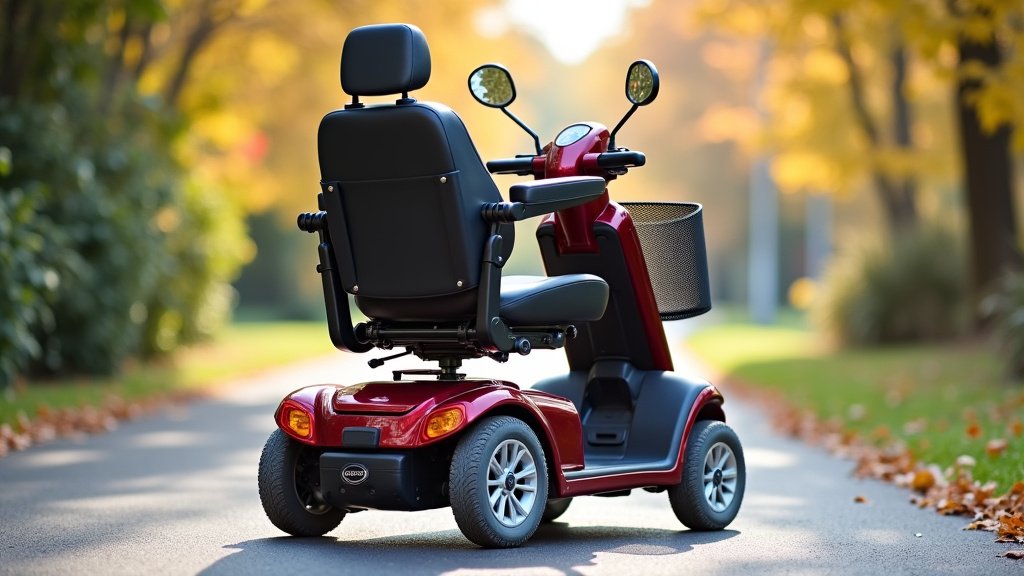
The donation process itself is usually quite simple. However, knowing what to expect can make it smoother. Most organizations will guide you through the steps.
Scheduling a Pickup or Drop-off
Depending on the organization, you might need to schedule a pickup for your scooter. Larger charities often have vans or trucks to collect donations. This is especially helpful if you can’t transport the scooter yourself.
Alternatively, you might be asked to drop off the scooter at a designated location. This could be a warehouse, a charity shop, or an office. Always confirm the address and operating hours beforehand. A quick call can confirm their process.
Receipts for Tax Purposes
If you plan to claim your donation on your taxes, you’ll need a receipt. Most reputable charities will provide an acknowledgment of your donation. This receipt typically includes the date of donation and a description of the item.
The IRS has specific rules for donating used goods. Generally, you can deduct the fair market value of the item. However, for vehicles and similar equipment, the rules can be more complex. It’s a good idea to check IRS Publication 561, “Determining the Value of Donated Property,” or consult a tax professional. We found that many organizations provide a form that helps you estimate the value yourself.
What Happens to Your Donated Scooter?
Most organizations that accept mobility scooters aim to get them back into the hands of people who need them. They often have a process for refurbishment and repair. This ensures the scooter is safe and functional.
Some groups may sell the scooter at a low cost to recipients who can afford it. Others provide it completely free to those in need. Knowing that your scooter will be used to improve someone’s quality of life is a wonderful feeling. It truly brings mobility and independence back to someone’s life.
Donation Checklist: Quick Steps
- Assess your scooter’s condition.
- Clean the scooter thoroughly.
- Gather the charger and manual.
- Research local charities and organizations.
- Contact your chosen charity to arrange donation.
- Get a donation receipt.
Conclusion
You’ve learned that donating your used mobility scooter is a fantastic way to help others. It provides independence and a renewed sense of freedom to those in need. By taking a few simple steps—like cleaning your scooter and gathering its accessories—you make the donation process smoother. Finding the right organization, whether local or specialized, ensures your scooter goes where it’s most needed. Your generosity can truly change someone’s life.
Ready to make a difference? Contact a local charity or mobility organization today to arrange your donation.
Frequently Asked Questions
Can I donate a mobility scooter that isn’t working perfectly?
Yes, you often can. Some organizations accept non-working scooters for parts or recycling. It’s always best to be upfront about the condition when you contact them. This helps them determine if they can use it.
How do I find organizations that accept mobility scooter donations near me?
You can start by searching online for “donate mobility scooter [your city/state].” Also, contact local disability advocacy groups, senior centers, or veteran organizations. Many have programs that need these devices.
What documentation do I need for a tax deduction for my donation?
You’ll need a written acknowledgment from the charity. This receipt should include the date and a description of the donated item. For the deduction amount, check IRS Publication 561 or consult a tax professional.
What if I don’t have the original charger or manual for my scooter?
While the charger is essential for the scooter’s function, some organizations may still accept it. If you don’t have the manual, it’s okay. Just let the charity know the scooter’s make and model when you inquire.
Will I be responsible for delivering the mobility scooter?
It depends on the organization. Some charities offer pickup services, especially for larger items like mobility scooters. Others may ask you to drop off the scooter at their facility. Always confirm their donation procedures beforehand.
