
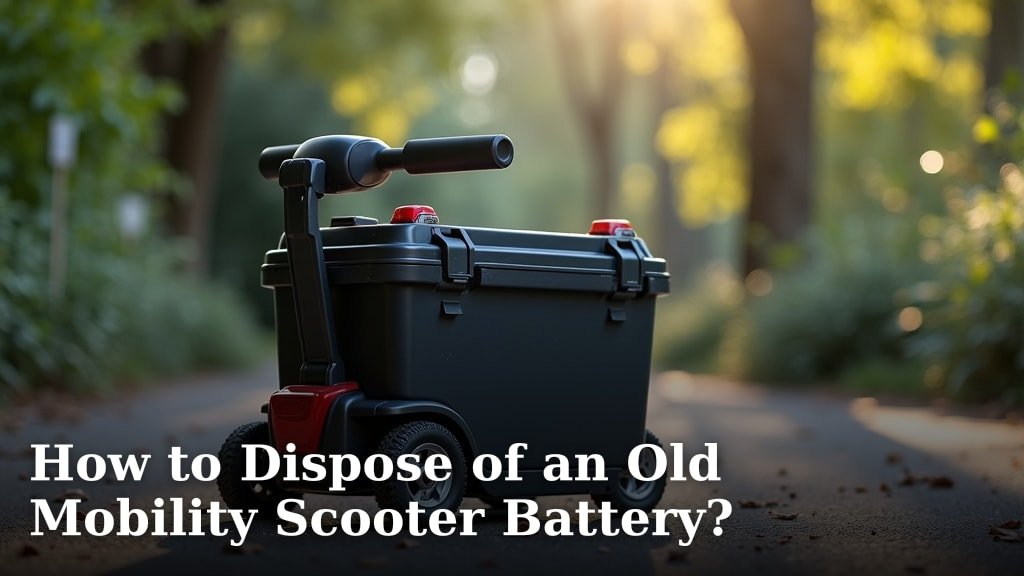
When it comes to disposing of an old mobility scooter battery, the most important thing to remember is that you can’t just toss it in the regular trash. You need to find a special recycling center or a facility that accepts hazardous household waste. These batteries contain materials that can harm the environment if not handled properly.
Mobility scooter batteries are often lead-acid batteries, similar to car batteries. Because of this, they require specific disposal methods to prevent dangerous chemicals from leaching into our soil and water. Many local governments and battery retailers offer convenient drop-off points for this reason.
- Always recycle mobility scooter batteries.
- Never put them in your household garbage bin.
- Look for designated battery recycling centers.
- Many auto parts stores or local waste facilities accept them.
- Check with your scooter’s manufacturer for specific instructions.
Let’s walk through the best ways to make sure your old mobility scooter battery gets disposed of responsibly and safely.
Getting Rid of Your Old Mobility Scooter Battery Safely
So, your mobility scooter battery has seen better days. It’s time for a replacement, and now you’re wondering what to do with the old one. You can’t just toss it in the trash. We’ll guide you through the right way to handle this important task. Proper disposal keeps hazardous materials out of landfills and protects our environment. If you’re wondering what to do with the old one, our guide on how to replace a mobility scooter battery explains the process.
Why Special Disposal is Necessary
Mobility scooter batteries are usually lead-acid batteries. Think of them like car batteries, but often smaller. These batteries contain lead and sulfuric acid, which are toxic. If they end up in a landfill, these chemicals can leak into the soil and groundwater. This can harm wildlife and even affect our drinking water sources. Many local regulations require battery recycling for this reason.
Understanding Lead-Acid Batteries
Lead-acid batteries have been around for a long time. They are very effective at storing energy. However, their components can be harmful if not managed correctly at the end of their life. Recycling allows these materials to be recovered and reused, which is much better for the planet.
Environmental Concerns
Imagine a battery breaking down in a landfill. The lead could seep into the ground. The acid could contaminate water. This isn’t good for plants, animals, or people. The Environmental Protection Agency (EPA) has guidelines for hazardous waste. Batteries fall into this category because of their potential for harm. Recycling helps prevent these environmental hazards.
Where to Recycle Your Mobility Scooter Battery
Finding a place to recycle your old battery is often easier than you might think. Many places that sell batteries also accept old ones for recycling. There are also specific facilities designed for handling hazardous waste.
Local Recycling Centers and Hazardous Waste Facilities
Your first stop could be your local recycling center. Many municipalities have dedicated drop-off locations for household hazardous waste. This includes batteries. You can usually find information on your city or county’s website. Look for terms like “household hazardous waste,” “battery recycling,” or “special waste disposal.” Some facilities might have specific days or hours for battery drop-off.
Battery Retailers and Auto Parts Stores
Think about where you bought your new battery. Many battery retailers and auto parts stores offer recycling programs. They are often equipped to handle lead-acid batteries. This is a convenient option because you might be able to drop off the old battery when you pick up the new one. Some stores participate in national recycling initiatives.
Mobility Equipment Dealers
The place where you purchased your mobility scooter might also have a disposal program. Dealerships that specialize in mobility equipment are familiar with these batteries. They may accept your old battery for recycling, especially if you’re buying a new one from them. It’s always worth asking them directly about their policies.
Manufacturer Take-Back Programs
Some battery and mobility scooter manufacturers have their own take-back programs. These programs are designed to ensure their products are disposed of responsibly. You can check the manufacturer’s website or contact their customer service. They can provide specific instructions on how to return your old battery for recycling.
Preparing Your Battery for Transport and Disposal
Before you take your old battery to a recycling center, there are a few safety precautions you should take. This ensures a safe trip and protects the recycling facility staff.
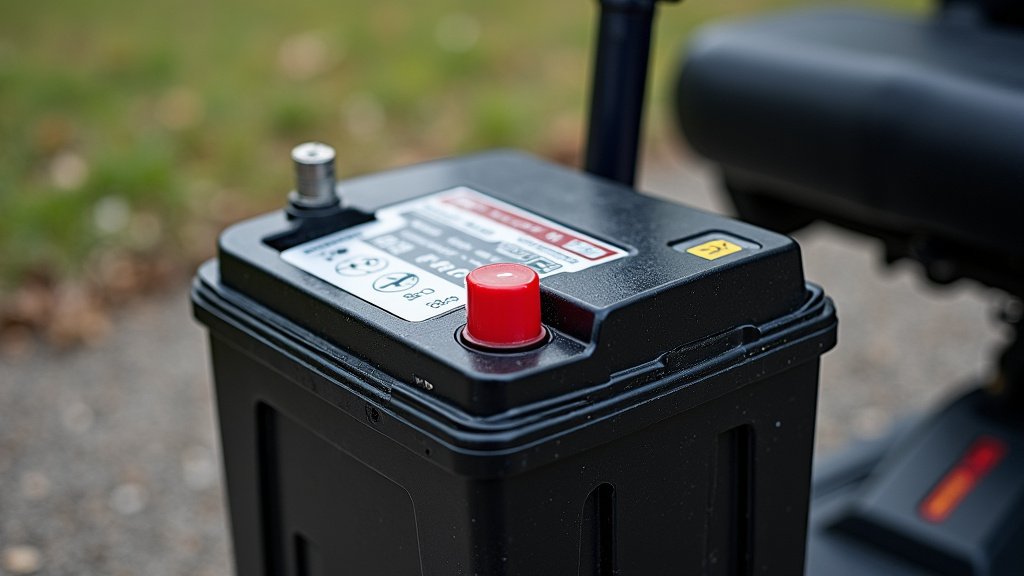
Ensure Terminals are Protected
The metal terminals on the battery can cause sparks if they touch other metal objects. This could be dangerous. Use electrical tape to cover the terminals securely. This is a simple step that greatly reduces risk. Make sure the tape is sticky and covers the entire metal part.
Secure the Battery
Mobility scooter batteries can be heavy. You want to prevent them from moving around during transport. Place the battery in a sturdy plastic bag or container. This also helps contain any potential leaks. A plastic tote box works well. Ensure the battery sits snugly inside without rattling.
Handle with Care
Always lift batteries from the bottom. Avoid carrying them by the terminals or cables. If the battery casing looks cracked or is leaking, handle it with extra caution. Wear gloves if possible. Report any severe damage to the recycling facility when you arrive.
What Happens During the Recycling Process?
When you drop off your old battery, it enters a recycling stream. This process is designed to recover valuable materials and safely dispose of hazardous ones. It’s quite fascinating!
Collection and Sorting
Recycling centers collect batteries from various drop-off points. They then sort them based on type and condition. Lead-acid batteries are separated for specialized processing.
Reclaiming Materials
The recycling facility will break down the battery. The lead and plastic are separated. The sulfuric acid is also neutralized and treated. The recovered lead can be used to make new batteries. The plastic can be turned into other plastic products. This circular economy approach is very environmentally friendly.
Safe Disposal of Residuals
Any materials that cannot be recycled are treated to be as harmless as possible. They are then disposed of according to strict environmental regulations. This ensures that even the leftover parts don’t harm the environment.
Checklist for Responsible Battery Disposal
Here’s a quick rundown to make sure you’ve got it covered:
- Confirm location: Find a certified battery recycler or hazardous waste facility near you.
- Protect terminals: Cover the battery’s metal terminals with electrical tape.
- Secure transport: Place the battery in a bag or container for safe transit.
- Handle carefully: Lift from the bottom and avoid carrying by the terminals.
- Ask questions: If unsure, contact the recycling center or retailer beforehand.
- Recycle: Make sure you hand it over to an official recycling point.
Conclusion
You’ve learned that tossing your old mobility scooter battery in the trash is a no-go. These batteries contain hazardous materials that require special handling to protect our environment. We’ve covered how to find local recycling centers, auto parts stores, and even manufacturer programs that accept them.
Remember to always protect the terminals and secure the battery for safe transport. By taking these steps, you ensure responsible disposal and contribute to a healthier planet. Your next step is simple: locate a recycling point and drop off your battery.
Frequently Asked Questions
How much does it cost to recycle a mobility scooter battery?
Most recycling centers and retailers offer battery recycling for free. Some may have a small disposal fee, especially if the battery is damaged. It’s always best to call ahead and ask about any potential costs.
Can I mail my old mobility scooter battery for recycling?
Mailing batteries can be tricky due to shipping regulations for hazardous materials. It’s generally not recommended unless you are using a service specifically approved for battery transport. Local drop-off options are much more straightforward.
What should I do if my battery is leaking acid?
If your battery is leaking, handle it with extreme care. Wear protective gloves and avoid direct contact with the acid. Place the leaking battery in a sturdy, sealed plastic container. Inform the recycling facility about the leak when you arrive so they can handle it appropriately.
How often should I replace my mobility scooter battery?
The lifespan of a mobility scooter battery typically ranges from 1 to 3 years, depending on usage and maintenance. You’ll know it’s time for a replacement when it no longer holds a charge for the duration you need or if its performance significantly degrades.
Are there any rebates for recycling my old battery?
While direct rebates for recycling are uncommon, some retailers might offer a small discount on a new battery purchase when you bring in your old one. It’s worth asking your battery supplier if they have any such incentives available.
