
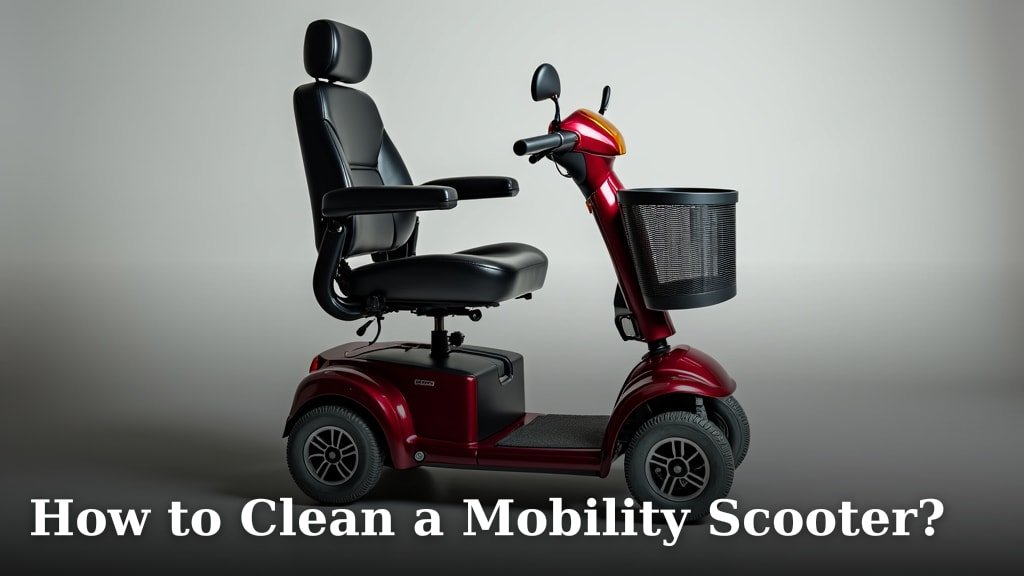
The easiest way to clean a mobility scooter is by wiping it down regularly with a damp cloth and mild soap. This helps keep your scooter looking great and prevents dirt buildup. Routine cleaning is very important for its longevity.
You use your scooter every day, right? It goes everywhere with you, gathering dust and grime. We found that keeping it clean not only improves its appearance but also extends the life of its components. A little cleaning goes a long way in ensuring your mobility aid stays reliable.
- Regular cleaning prevents dirt buildup.
- Use mild soap and a damp cloth.
- Avoid harsh chemicals or excessive water.
- Focus on surfaces and controls.
- Check wheels and tires for debris.
Ready to make your scooter sparkle? Let’s walk through the simple steps to keep your mobility scooter clean and in top working order.
Preparing Your Mobility Scooter for a Deep Clean
Before you dive into cleaning, a little prep work makes a big difference. Think of it like getting ready for a big project; having your tools ready helps things go smoothly. We found that a good setup saves time and effort in the long run.
Safety First: Power Down and Disconnect
Your safety is most important. Always start by turning off your scooter’s power. Why? It prevents accidental starts. Also, disconnect the battery, if your model allows for easy removal. This removes any electrical risk while you’re cleaning. You don’t want any surprises when working with liquids. Imagine accidentally pressing the ‘go’ button! We definitely want to avoid that.
Gathering Your Cleaning Toolkit
What do you need for a sparkling clean scooter? It’s simpler than you might think. We’ve gathered some common items that work wonders. You probably have most of these lying around your house already. This makes cleaning accessible and budget-friendly.
- Two soft cloths or microfiber towels
- A small bucket
- Mild dish soap (like the kind you use for handwashing dishes)
- Warm water
- A soft-bristled brush (an old toothbrush works great for tight spots!)
- Gloves (to protect your hands from dirt and cleaning solutions)
- An old towel or newspaper (to protect your floor)
- A vacuum cleaner with attachments (optional, but helpful)
Using the right tools ensures you clean effectively without damaging anything. Avoid abrasive scrubbers or harsh chemicals. These can scratch surfaces or strip protective coatings.
The Step-by-Step Scooter Cleaning Process
Now that you’re ready, let’s get down to business! Cleaning your scooter is a straightforward process. Just follow these steps, and your scooter will be looking its best. We broke it down into easy phases, so you can tackle one area at a time.
Initial Dry Wipe and Dusting
Begin with a dry cleaning pass. Use one of your soft cloths to wipe down all surfaces. This removes loose dust, dirt, and crumbs. You might be surprised how much loose debris collects over time. This step also prepares the surfaces for a deeper wet clean.
For those hard-to-reach areas, or if you have fabric seats, use your vacuum cleaner. The attachments are perfect for sucking up dirt from crevices and upholstery. We found this step makes the wet cleaning much easier and more effective.
Preparing Your Cleaning Solution
Fill your bucket with warm water. Add just a few drops of mild dish soap. You don’t need a lot of suds; a little goes a long way. Stir it gently to mix. This creates a safe and effective cleaning solution for most scooter surfaces. Remember, we want gentle, not aggressive!
Washing the Frame and Body Panels
Dip your second soft cloth into the soapy water, then wring it out very well. The cloth should be damp, not dripping wet. Excess water can get into electrical components, which is a big no-no. We want to be careful and protect the electronics.
Gently wipe down all the plastic and metal surfaces of your scooter. Focus on the main body, armrests, and tiller. Pay attention to areas you touch often, like the handles. These spots tend to gather more oils and grime. For stubborn spots, a little more elbow grease with the damp cloth usually does the trick. Always be gentle with painted surfaces.
Cleaning Controls and Dashboard
This area needs extra care. Use an even damper cloth, almost dry to the touch, for the control panel. Wipe around the speed levers, horn, and battery indicator. Be very mindful of buttons and screens; never spray water directly onto these parts. Instead, lightly dampen a cotton swab or the corner of your cloth for tight spots. This prevents water ingress into sensitive electronics. We found this careful approach protects your scooter’s brain.
Tackling Wheels and Tires
Your wheels and tires pick up a lot from the ground. They deserve a good cleaning too. Use your soft-bristled brush and the soapy water to scrub the tires. You can be a bit more vigorous here. Rinse the brush and wipe the wheels with a fresh damp cloth. Check the treads for any embedded debris like small stones or glass. Removing foreign objects helps prevent punctures and maintains good traction (Consumer Reports). This is important for smooth, safe rides.
Drying and Final Touches
After all that washing, drying is just as important. It prevents water spots and protects components from potential moisture damage. Let’s make sure your scooter is completely dry before you use it again.
Thorough Drying Routine
Use a separate, dry microfiber cloth to wipe down every surface you just cleaned. Ensure there’s no standing water or damp spots. Pay extra attention to seams, crevices, and around the control panel. You might even let the scooter air dry for an hour or two in a well-ventilated area. This ensures any hidden moisture evaporates. We can’t stress enough the importance of complete drying to protect your investment.
Quick Maintenance Checklist
While your scooter is sparkling clean, it’s a good time for a quick check-up. This proactive approach helps catch minor issues before they become bigger problems. Many sources, including mobility specialists, recommend these simple checks.
| Check Item | What to Look For | Why It Matters |
|---|---|---|
| Tire Pressure | Are they firm? No obvious low spots? | Proper inflation ensures good handling and extends tire life. |
| Battery Terminals | Are they clean and tight? No corrosion? | Good connection means reliable power. |
| Wiring | Are all wires intact? No fraying or exposed areas? | Protects against electrical shorts. |
| Brakes | Do they engage smoothly and effectively? | Critical for your safety when stopping. |
| Lights | Are all headlights and taillights working? | Ensures you’re visible, especially in low light. |
This quick check helps keep your scooter in optimal condition. It’s like giving your car a quick once-over before a long trip. Little actions can make a big difference for your mobility and independence.
When to Clean More Frequently
How often should you clean your scooter? It depends on how much you use it. We found that daily light wipes are excellent for preventing buildup. A deeper clean, like the one we just outlined, is good every few weeks or once a month. However, if you often ride in dusty areas, through puddles, or in bad weather, you’ll want to clean it more often. Think of it as adjusting to your environment. More exposure to dirt means more cleaning. It’s just common sense, right?
What to Avoid
Just as important as knowing what to do is knowing what to avoid. Steer clear of pressure washers or rinsing with a hose. Excessive water can damage the electrical system, motor, and other sensitive parts. We’ve seen scooters damaged simply because of too much water. Also, don’t use abrasive cleaners, harsh chemicals (like bleach or ammonia-based products), or oil-based polishes. These can strip protective coatings, discolor plastics, or leave a slippery residue. Gentle is the key word when cleaning your precious mobility aid.
A Quick Recap: Your Cleaning Checklist
Here’s a simple checklist to keep handy for your next scooter cleaning session:
- Turn off power and disconnect battery (if possible).
- Gather all your cleaning supplies.
- Perform a dry wipe and vacuum loose debris.
- Mix mild soap with warm water.
- Clean all surfaces with a damp, wrung-out cloth.
- Pay extra care to controls and the dashboard.
- Scrub and wipe down wheels and tires.
- Thoroughly dry every part of the scooter.
- Complete a proactive maintenance check.
Following these steps will keep your scooter looking good and working reliably. A well-maintained scooter is a scooter you can depend on. And that’s what we all want, isn’t it?
Conclusion
You’ve now got all the tools and knowledge to keep your mobility scooter spotless and performing its best. Regular cleaning isn’t just about appearance; it protects your investment and ensures your independence. By following these simple steps, you maintain both its functionality and lifespan. So grab your mild soap and cloth, and give your scooter the care it deserves. Your mobility and safety depend on it!
Frequently Asked Questions
How often should I deep clean my mobility scooter?
We recommend a deep clean every few weeks or once a month, depending on how frequently you use it and your environment. If you often ride outdoors or through dusty areas, you might need to clean it more often.
Can I use household cleaning wipes on my scooter?
Yes, for light, quick clean-ups, many household cleaning wipes are safe. However, ensure they are non-abrasive and do not contain harsh chemicals like bleach. Always check the label and test a small, inconspicuous area first.
What if I get water in the electrical components?
If you suspect water entered electrical parts, immediately turn off the scooter and disconnect the battery if possible. Allow it to air dry completely for several hours or even a full day before attempting to turn it on. If issues persist, contact a certified technician.
How do I clean sticky residue from my scooter frame?
For sticky residue, try using a small amount of rubbing alcohol on a soft cloth. Apply it gently and wipe, then follow up with your mild soap and water solution. Avoid harsh solvents that could damage the finish.
Are there any parts of my mobility scooter I should never clean with water?
Yes, always avoid directly spraying or dousing any electrical components, battery terminals, or the control panel with water. Moisture can cause serious damage. Use a barely damp cloth or cotton swab for these sensitive areas.


